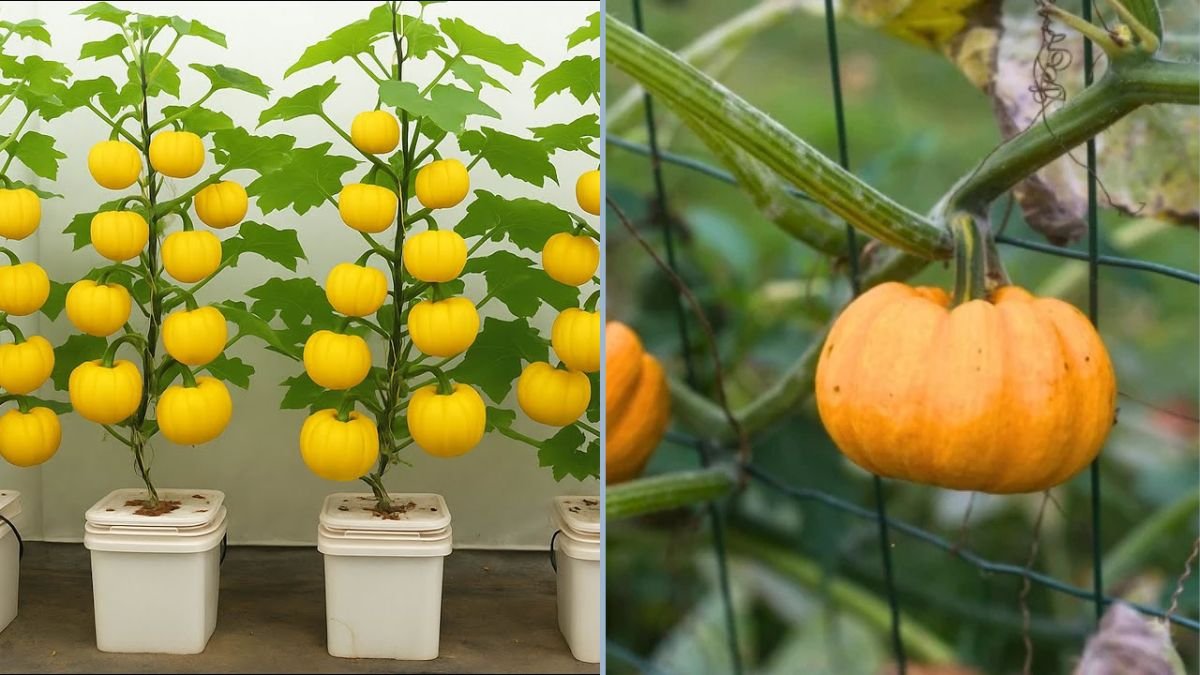
Pumpkins are a beloved vegetable worldwide, used in everything from pies and soups to decorations. While large pumpkins require space, soil, and careful management, mini pumpkins offer a compact, manageable alternative perfect for home cultivation. Even better, thanks to hydroponics, you can grow mini pumpkins right at home without soil, achieving results beyond expectations. This method is ideal for urban gardeners, apartment dwellers, or anyone who wants fresh, homegrown pumpkins without a traditional garden. In this comprehensive guide, we’ll explore step by step how to grow mini pumpkins using hydroponics and achieve a productive harvest.
Why Grow Mini Pumpkins at Home
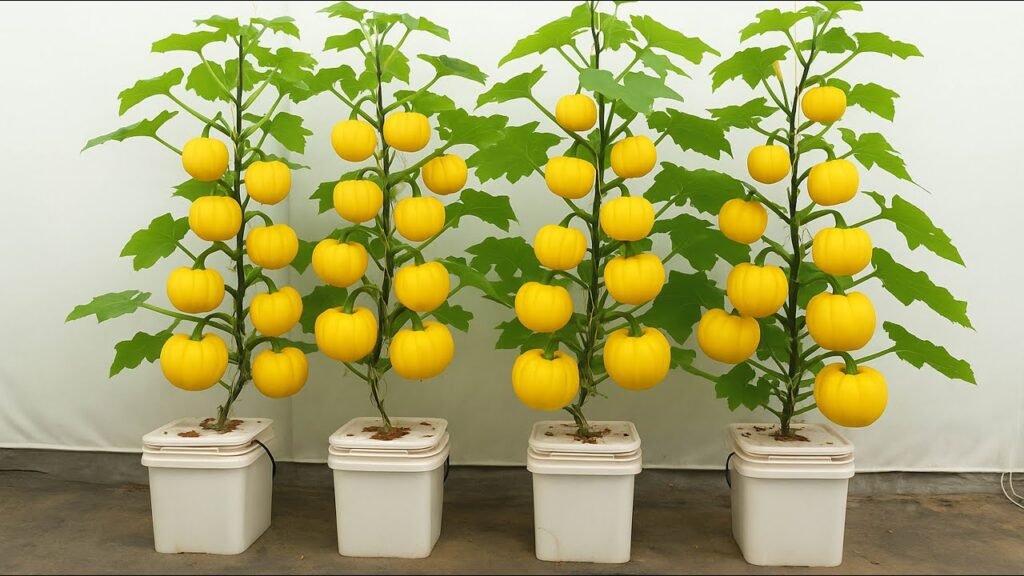
Homegrown mini pumpkins offer several benefits:
- Fresh and chemical-free: Grow pumpkins without pesticides or chemical fertilizers.
- Space-saving: Perfect for balconies, terraces, and small indoor setups.
- Quick results: Hydroponic systems accelerate growth and increase yields.
- Educational: A fun project for children and adults to learn about plant growth.
- Aesthetic and culinary use: Mini pumpkins are beautiful and versatile for cooking and decoration.
Hydroponic mini pumpkins combine convenience, productivity, and freshness in a small package.
Why Hydroponics Works for Mini Pumpkins
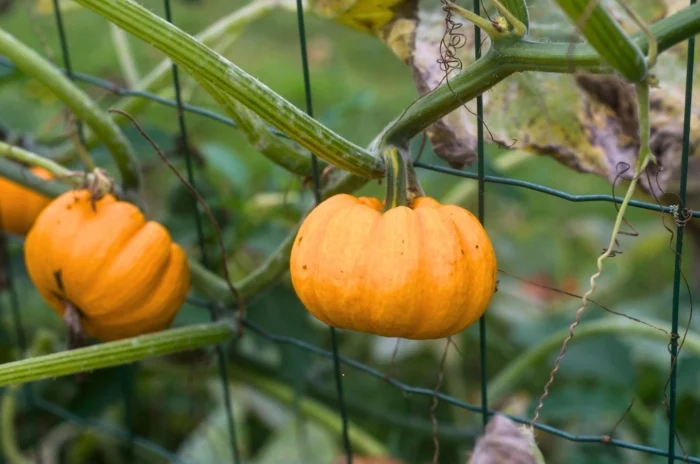
Hydroponics allows plants to grow in nutrient-rich water instead of soil, offering unique advantages:
- Faster growth: Nutrients are directly available to roots, boosting development.
- Space efficiency: Plants can be grown vertically or in small containers.
- Controlled environment: Water, nutrients, and light are easily regulated for optimal growth.
- Reduced pests and diseases: Soil-borne issues are minimized, making maintenance easier.
By using hydroponics, even small spaces can yield large, healthy mini pumpkins with minimal effort.
Choosing the Right Mini Pumpkin Variety
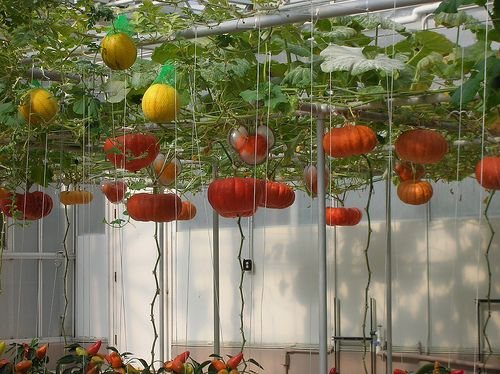
Selecting the right variety is key for hydroponic success:
- Miniature pumpkins: Varieties like ‘Jack Be Little,’ ‘Baby Boo,’ or ‘Munchkin’ are compact, productive, and ideal for small spaces.
- Vining varieties: Look for short, bushy varieties that are easier to manage indoors or in containers.
- Quick-maturing types: Faster-growing varieties allow multiple harvests in a season.
Picking the right variety ensures plants thrive in limited space and hydroponic conditions.
Materials Needed for Hydroponic Mini Pumpkins
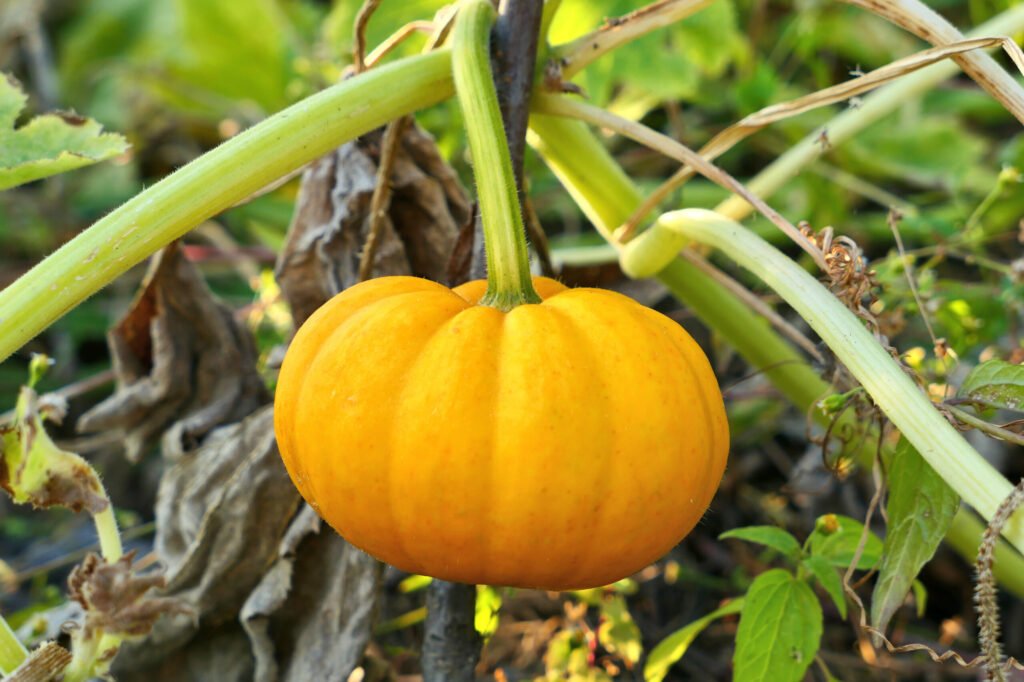
To set up your hydroponic pumpkin system, gather the following:
- Containers or reservoirs: Plastic tubs, buckets, or hydroponic tanks to hold water and nutrients.
- Net pots or baskets: To support plants while roots grow into the nutrient solution.
- Growing medium: Rock wool, coco coir, or perlite to anchor seedlings.
- Mini pumpkin seeds or seedlings: Choose high-germination seeds for reliable growth.
- Hydroponic nutrient solution: Provides essential macro and micronutrients.
- Water: Preferably dechlorinated or filtered.
- Support structures: Trellises, bamboo sticks, or strings for vining varieties.
- Lighting: Sunlight or LED grow lights for indoor setups.
With these materials, you can create an effective home hydroponic system for mini pumpkins.
Step 1: Setting Up the Hydroponic System
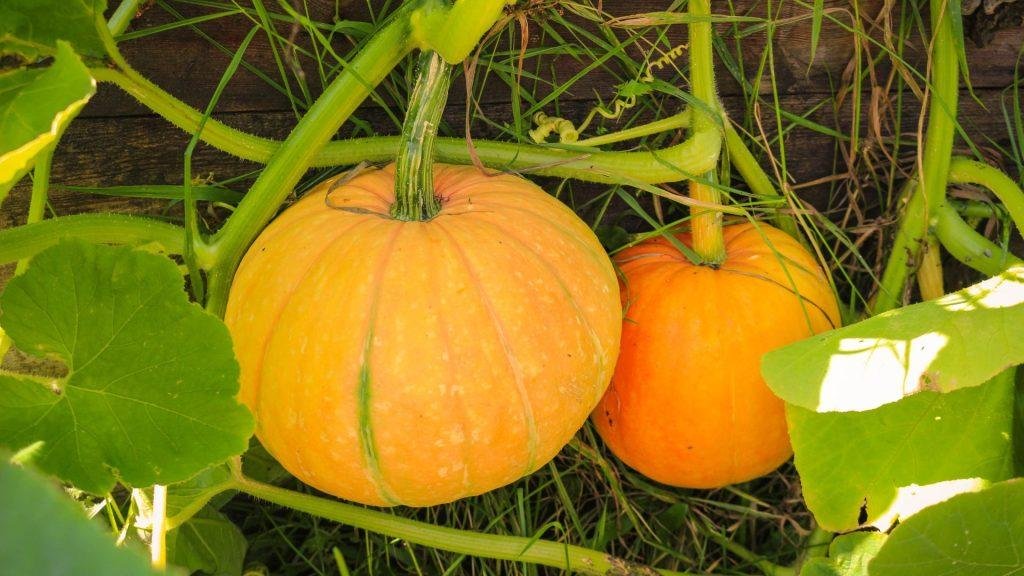
A proper setup ensures healthy pumpkin growth:
- Choose the reservoir: Use a container large enough to hold water and allow room for roots to grow.
- Fill with water: Maintain a level that allows roots to reach nutrients without being submerged entirely.
- Add nutrient solution: Mix hydroponic fertilizer according to instructions, ensuring balanced nutrition.
- Place net pots: Fill net pots with growing medium and secure them above the water level.
This setup forms the foundation of a healthy, productive hydroponic pumpkin system.
Step 2: Planting Seeds or Seedlings
Planting correctly ensures strong growth and productivity:
- Seeds: Start seeds in rock wool or coco coir, keeping the medium moist until germination.
- Seedlings: Transplant young seedlings into net pots with a growing medium that allows roots to access water and nutrients.
- Spacing: Maintain sufficient distance between plants (50–60 cm) to prevent overcrowding and allow airflow.
Proper planting encourages strong root systems and vigorous growth.
Step 3: Providing Support for Vining Plants
Mini pumpkins are climbers, and hydroponic setups require support:
- Trellises or bamboo sticks: Guide vines upward to save space.
- String support: Tie stems loosely to strings to prevent breaking under fruit weight.
- Fruit slings: Use mesh or cloth to support growing pumpkins and prevent stem damage.
Vertical growth increases yield, improves airflow, and prevents fruits from rotting.
Step 4: Managing Light and Temperature
Light and temperature are critical for hydroponic pumpkin growth:
- Sunlight: 6–8 hours per day for outdoor setups.
- Indoor lighting: LED grow lights provide consistent light for photosynthesis.
- Temperature: Maintain 20–28°C (68–82°F) for optimal growth.
- Air circulation: Use fans or open space to reduce humidity and prevent mold or mildew.
Proper environmental control ensures faster growth and bigger, healthier pumpkins.
Step 5: Nutrient Management
In hydroponics, nutrients replace soil fertility:
- Balanced fertilizer: Ensure essential macronutrients (N-P-K) and micronutrients (Mg, Ca, Fe) are available.
- Solution changes: Refresh nutrient solution every 1–2 weeks for maximum efficiency.
- Monitoring: Test pH (ideal 5.5–6.5) and electrical conductivity (EC) to maintain optimal conditions.
Consistent nutrient management promotes faster growth, larger fruits, and healthier plants.
Step 6: Pollination
Pollination is key for fruit set in cucurbits:
- Hand pollination: Use a brush or cotton swab to transfer pollen from male to female flowers, especially indoors.
- Timing: Pollinate flowers in the morning when they are fully open.
- Encouraging pollinators: If growing outdoors, place flowers or attract bees to help pollination.
Successful pollination ensures a higher number of mini pumpkins per plant.
Step 7: Harvesting Mini Pumpkins
Knowing when and how to harvest ensures maximum flavor and quality:
- Timing: Mini pumpkins are usually ready 70–90 days after planting.
- Signs: Firm skin, deep color, and a dry stem indicate ripeness.
- Technique: Use scissors or a knife to cut pumpkins from the vine carefully. Avoid pulling to prevent damaging the plant.
- Continuous harvest: Harvest older fruits first to encourage new growth and multiple yields.
Regular harvesting maximizes overall production and allows plants to continue producing.
Benefits of Hydroponic Mini Pumpkins
- Compact and efficient: Perfect for small spaces or urban homes.
- Faster growth: Nutrients are directly absorbed, speeding development.
- High yield: Hydroponic setups often produce more fruit than traditional soil methods.
- Eco-friendly: Uses less water and reduces pesticide reliance.
- Year-round cultivation: Indoor systems allow continuous production regardless of season.
Hydroponics transforms limited space into a productive mini pumpkin garden.
Tips for Maximum Success
- Stagger planting: Grow new seedlings every 2–3 weeks for continuous harvest.
- Monitor water levels: Ensure roots stay moist but not waterlogged.
- Support vines: Regularly check and adjust supports to prevent damage.
- Prune strategically: Remove weak or excessive shoots to direct energy to fruit development.
- Prevent pests: Inspect for aphids, mites, or mold and treat organically if needed.
These tips help maintain plant health and maximize pumpkin yield.
Conclusion
Growing mini pumpkins using hydroponics at home is a revolutionary method for urban gardeners, hobbyists, and anyone seeking fresh, homegrown produce. With the right setup, seeds, nutrient management, light, and care, you can produce pumpkins that are not only visually appealing but also healthy, flavorful, and abundant.
This soil-free, water-efficient method allows you to grow compact, productive pumpkin plants without traditional garden space. Vertical support, careful pollination, and continuous harvest ensure maximum yield, while hydroponics accelerates growth and improves fruit quality.
Whether you live in an apartment, a small home, or simply want a unique gardening project, hydroponic mini pumpkins offer a fun, educational, and rewarding experience. With patience, attention, and proper technique, the results will truly exceed expectations, providing fresh pumpkins for cooking, decoration, and enjoyment right at home.