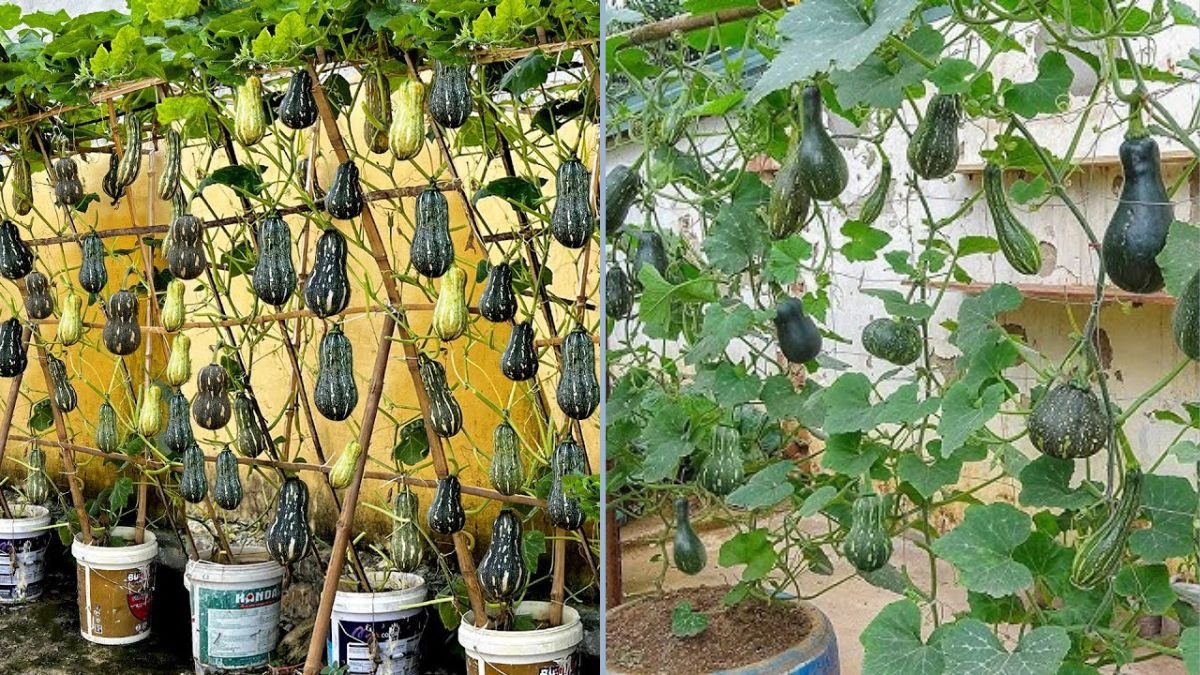
Pumpkins are more than just a Halloween decoration—they are nutritious, versatile, and a rewarding crop for any home gardener. But what if you don’t have a large garden? Traditional pumpkin cultivation usually requires significant space, fertile soil, and months of careful tending. Fortunately, innovative methods now allow you to grow pumpkins even without a conventional garden, and remarkably, you can potentially harvest up to five times more than traditional methods. In this guide, we’ll explore step-by-step how to grow pumpkins efficiently, maximizing yield while minimizing space.
Why Grow Pumpkins at Home
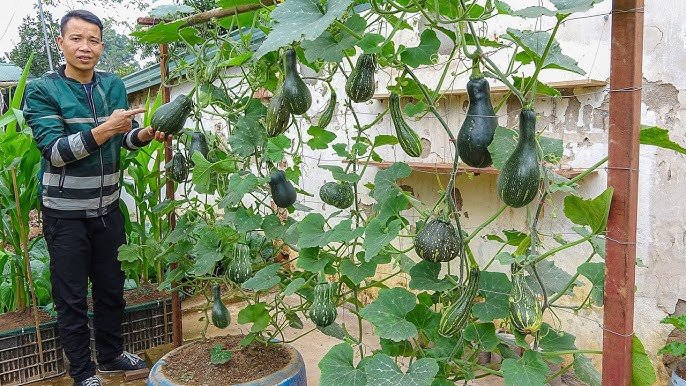
Growing pumpkins at home comes with multiple benefits:
- Fresh and Nutritious: Homegrown pumpkins are packed with vitamins A, C, and antioxidants.
- Cost-effective: Buying pumpkins regularly can be expensive, especially large varieties.
- Space-saving: Modern growing techniques allow cultivation without a traditional garden.
- Sustainable: Reduce food miles and chemical exposure by growing organically at home.
- Versatile usage: Pumpkins can be used in soups, desserts, roasted dishes, and even seeds can be harvested for snacking.
By adopting these new growing techniques, you can enjoy fresh, nutritious pumpkins year-round, regardless of your backyard size.
The Secret to High-Yield Pumpkin Growth
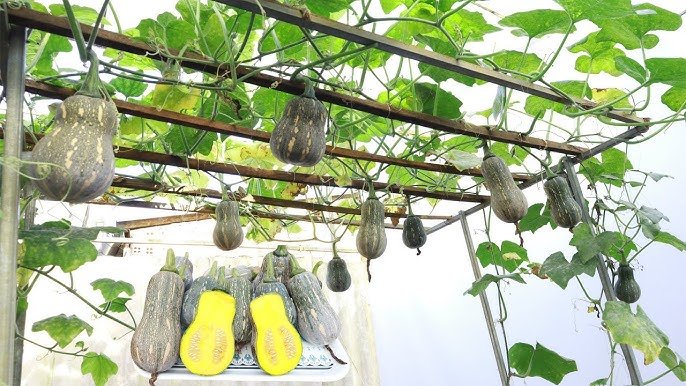
The key to harvesting 5 times more pumpkins lies in controlling the environment, optimizing plant support, and using innovative planting methods such as container cultivation, vertical growth, or polybag systems. These methods concentrate nutrients, encourage healthier growth, and reduce wasted space.
Advantages of innovative pumpkin growing methods:
- Intensive space use: Vertical supports and containers maximize growing area.
- Controlled nutrition: Focused feeding increases fruit size and quantity.
- Faster growth cycles: Healthy, well-supported plants mature faster and produce multiple harvests.
Step 1: Choosing the Right Pumpkin Variety
Selecting the right variety is crucial for maximizing yield, especially when space is limited:
- Bush or dwarf varieties: Ideal for pots or limited spaces. Examples: ‘Baby Pam,’ ‘Patty Pan.’
- Vining varieties: Suitable for vertical trellises or netting systems. Examples: ‘Cinderella,’ ‘Rouge Vif d’Etampes.’
- Quick-maturing varieties: Ensure faster fruit production and multiple harvest cycles.
Choosing a variety adapted to your growing space and climate is essential for achieving the highest yield possible.
Step 2: Preparing Containers or Polybags
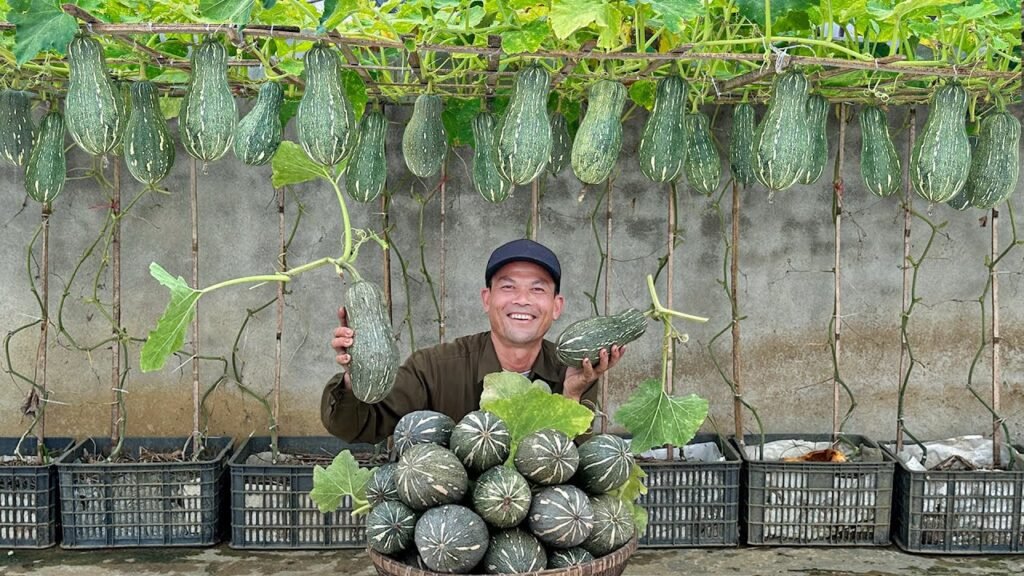
No garden? No problem! Pumpkins can thrive in large containers or polybags.
Container tips:
- Size: Minimum 50–60 liters for each plant. Bigger containers allow more root growth, supporting larger fruits.
- Drainage: Make sure containers have holes at the bottom to prevent waterlogging.
- Soil mix: Use a mix of fertile garden soil, compost, and coconut coir or peat moss (ratio 2:1:1) for aeration and moisture retention.
Polybag method:
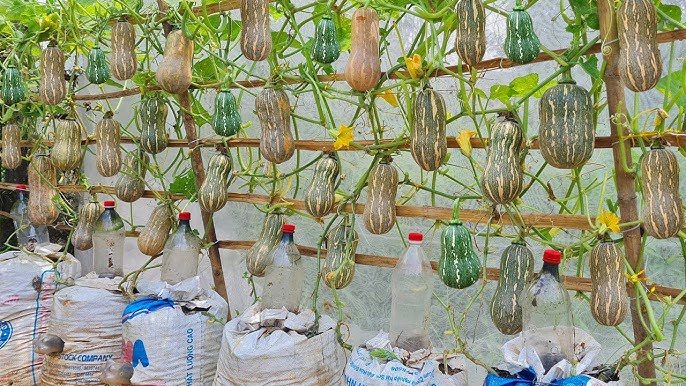
- Polybags of 80–100 cm in diameter can house one pumpkin plant.
- Ensure strong support structures for vines to climb.
- Polybag systems allow easy relocation, better sun exposure, and protection from pests.
With the right container or polybag, you can replicate garden-like conditions anywhere—even balconies or patios.
Step 3: Planting Pumpkin Seeds or Seedlings
You can start pumpkins from seeds or young seedlings. Both have pros and cons:
Seeds:
- Soak seeds for 12–24 hours to accelerate germination.
- Plant seeds 2–3 cm deep in a seed-starting mix.
- Keep soil moist but not waterlogged. Seeds typically germinate in 7–14 days.
Seedlings:
- Transplant seedlings once they have 2–3 true leaves.
- Place them in prepared containers or polybags with a strong stake or trellis.
Spacing is important—even in containers, allow 50–70 cm between plants to ensure proper airflow and reduce disease risk.
Step 4: Supporting Vertical Growth
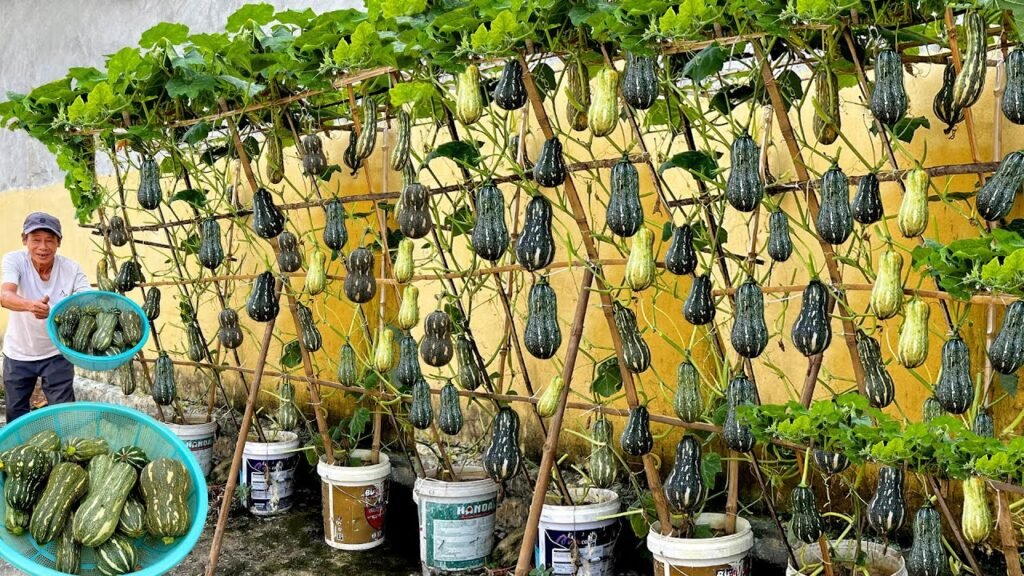
To maximize yield in limited space, vertical growing is essential:
- Use sturdy trellises, wooden stakes, or netting.
- Train vines upward rather than letting them sprawl on the ground.
- Support heavy fruits with slings or mesh bags to prevent breaking stems.
Vertical growth not only saves space but also improves sunlight exposure, reduces pest contact, and encourages larger fruit production.
Step 5: Watering and Fertilization
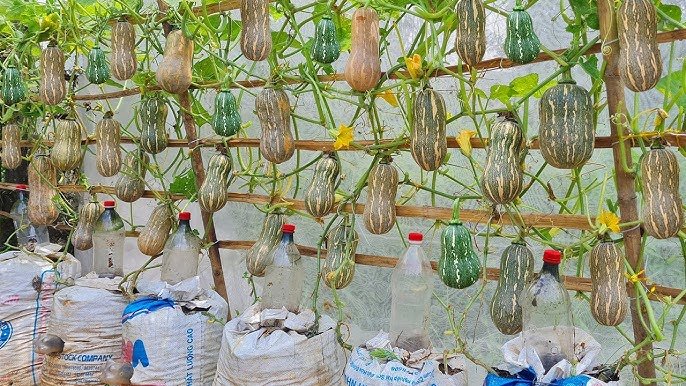
Pumpkins are heavy feeders and require consistent water and nutrients:
Watering:
- Keep soil consistently moist, especially during flowering and fruit set.
- Avoid overwatering to prevent root rot.
- Water deeply 2–3 times a week or adjust based on weather.
Fertilization:
- Use a balanced NPK fertilizer every 2–3 weeks.
- During flowering and fruiting, switch to a fertilizer higher in phosphorus and potassium to encourage blooms and fruit development.
- Organic options like compost tea or fish emulsion work well for container-grown pumpkins.
Well-fed plants produce more flowers and fruits, allowing you to achieve the goal of five times higher yield.
Step 6: Pollination
Pumpkin plants produce male and female flowers separately. Pollination is essential for fruit development:
- Hand pollination: Use a small brush or cotton swab to transfer pollen from male to female flowers.
- Natural pollination: If growing outdoors, attract bees by planting companion flowers nearby.
- Timing: Pollinate in the morning when flowers are fully open.
Proper pollination ensures higher fruit set and larger harvests.
Step 7: Pest and Disease Management
Even in containers or polybags, pumpkin plants are susceptible to pests and diseases:
Common pests: Aphids, squash bugs, and caterpillars.
Control methods: Use neem oil, insecticidal soap, or introduce beneficial insects.
Common diseases: Powdery mildew, downy mildew, and root rot.
Prevention: Ensure good air circulation, avoid overhead watering, and maintain proper drainage.
Regular inspection and early intervention are key to healthy, high-yield pumpkin plants.
Step 8: Harvesting Pumpkins
Knowing when and how to harvest ensures maximum quality and shelf life:
- Timing: Pumpkins are ready 90–120 days after planting, depending on variety.
- Signs of ripeness: Hard skin, deep color, and dry stem.
- Harvesting technique: Use sharp scissors or knife to cut the fruit with a portion of the stem intact. Avoid pulling or twisting.
With proper care, you can achieve multiple harvests per year, especially if you stagger planting and use fast-maturing varieties.
Tips for Maximizing Yield in Small Spaces
- Stagger planting: Plant seeds or seedlings every 2–3 weeks to ensure continuous harvest.
- Use high-yield varieties: Look for dwarf or hybrid types that produce more fruit per plant.
- Maintain optimal sunlight: At least 6–8 hours of sunlight daily.
- Regular pruning: Remove weak or overcrowded vines to direct energy to fruit production.
- Use mulch: Helps retain soil moisture and reduces weeds.
These strategies can significantly increase pumpkin yield—even in small spaces—helping you harvest up to five times more than traditional ground planting.
Benefits of Growing Pumpkins at Home
- Nutritional value: Rich in vitamins A, C, fiber, and antioxidants.
- Cost savings: Reduce grocery bills by growing your own pumpkins.
- Sustainable living: Reduce dependency on store-bought produce and packaging.
- Therapeutic: Gardening reduces stress and promotes physical activity.
- Educational: Teaching children about plant growth, pollination, and harvest cycles.
Having homegrown pumpkins is rewarding for both health and the overall household budget.
Conclusion
You don’t need a large garden to grow pumpkins successfully. By using containers, polybags, or vertical supports, anyone can cultivate pumpkins efficiently at home. Start with the right variety, use high-quality soil, support vertical growth, water and fertilize consistently, and ensure proper pollination.
With careful planning and regular maintenance, you can achieve multiple harvests per year, enjoy fresh, nutritious pumpkins, and potentially harvest five times more than traditional methods. No garden? No problem! With innovation, creativity, and dedication, your home can be a pumpkin paradise—providing delicious fruit for your family year-round.