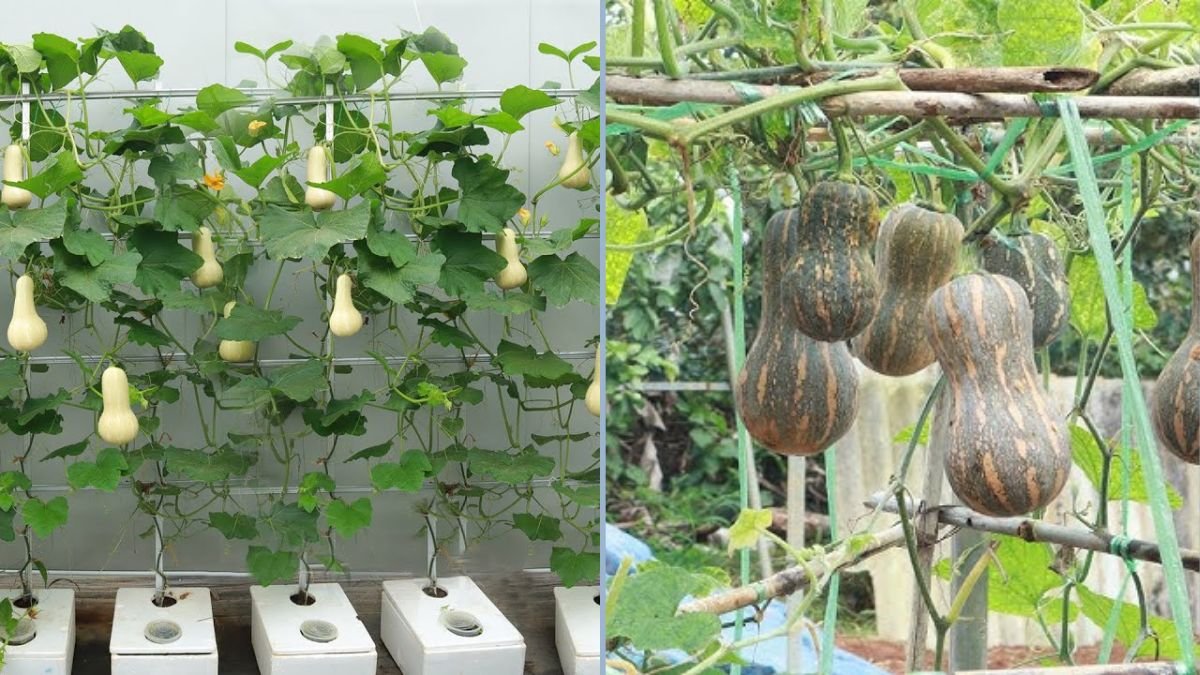
Pumpkins are a staple in kitchens and gardens around the world, prized for their versatility, nutritional value, and vibrant appearance. Traditionally, growing pumpkins requires plenty of space, sunlight, and regular watering—a challenge for urban dwellers or anyone without a garden. But what if you could grow pumpkins continuously without watering and without needing a conventional garden? Thanks to an innovative growing hack, this is now possible. This method makes pumpkin cultivation accessible, even for those living in apartments, small homes, or areas with limited outdoor space. In this comprehensive guide, we’ll explore how to implement this hack, the step-by-step process, and tips for achieving a bountiful, continuous harvest.
Why Grow Pumpkins at Home
Growing pumpkins at home has numerous advantages beyond the aesthetic appeal of their bright orange hue:
- Fresh and Nutrient-Rich: Homegrown pumpkins are free from harmful pesticides and chemical residues.
- Cost Savings: Avoid buying expensive pumpkins from markets, especially large varieties.
- Convenient: Growing pumpkins in innovative setups reduces the need for traditional garden maintenance.
- Continuous Supply: With the right method, pumpkins can be harvested multiple times a year.
- Sustainable and Fun: Growing food at home contributes to a sustainable lifestyle and is a rewarding hobby for the whole family.
By implementing creative growing hacks, anyone can enjoy these benefits, even in small spaces or urban settings.
The Secret to Growing Pumpkins Without Watering or a Garden
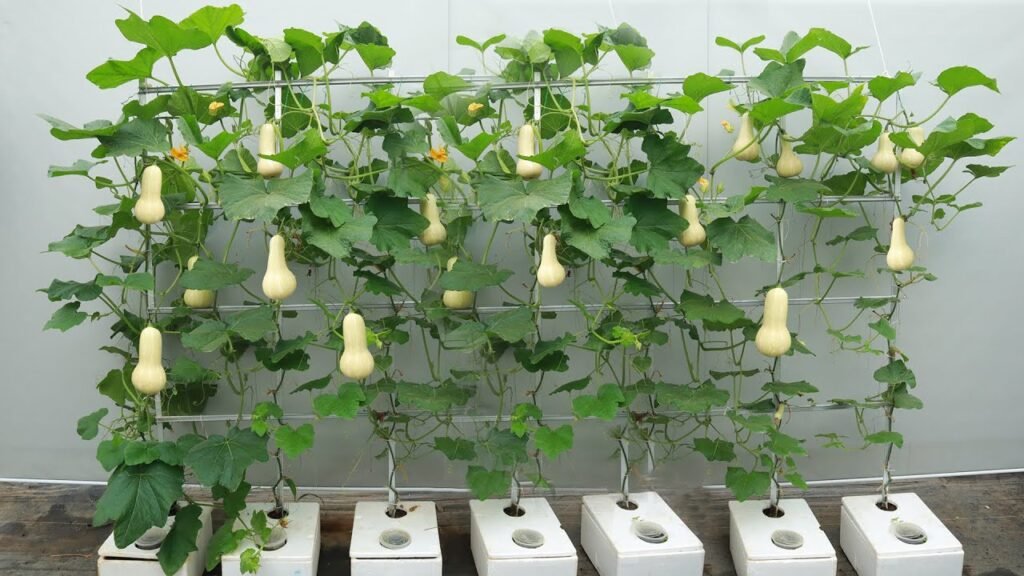
The core of this pumpkin-growing hack lies in using self-sustaining systems that maintain moisture, nutrient supply, and support for the plant. This can be achieved through techniques such as:
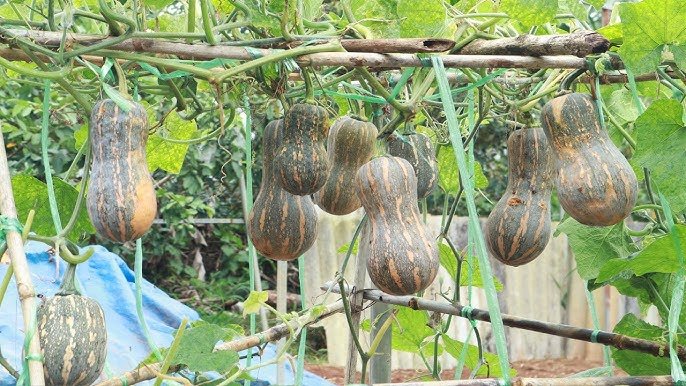
- Vertical growing structures: Using trellises or poles to maximize space and reduce soil requirements.
- Self-watering containers: Utilizing capillary mats, wicking systems, or hydroponic setups to maintain constant moisture.
- Mulching and composting: Retaining soil moisture naturally while providing nutrients to the plants.
The combination of these methods allows pumpkins to grow robustly, produce multiple fruits, and thrive without frequent watering or traditional garden space.
Step 1: Choosing the Right Pumpkin Variety
Selecting the right pumpkin variety is essential for success, especially in a limited space or container environment:
- Compact varieties: Ideal for pots or vertical systems. Examples: ‘Baby Boo,’ ‘Jack Be Little.’
- Vining varieties: Suitable for trellises or vertical supports. Examples: ‘Cinderella,’ ‘Rouge Vif d’Etampes.’
- Quick-maturing varieties: Allow multiple harvests within a year.
Choosing a variety adapted to container or vertical growing ensures higher yields and efficient use of space.
Step 2: Preparing Your Growing System
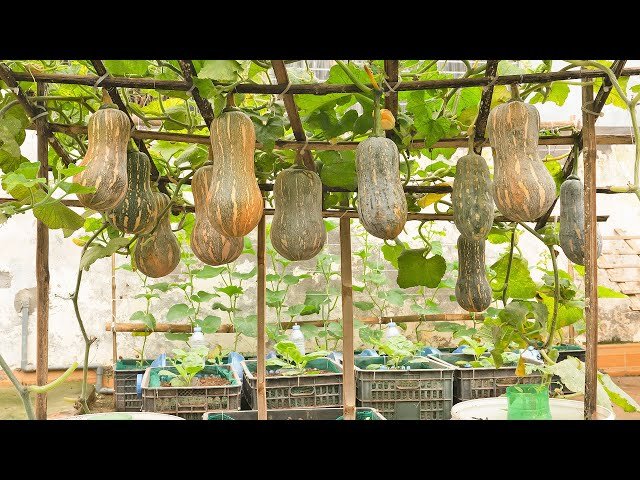
This hack focuses on creating a system that supports continuous growth without daily watering:
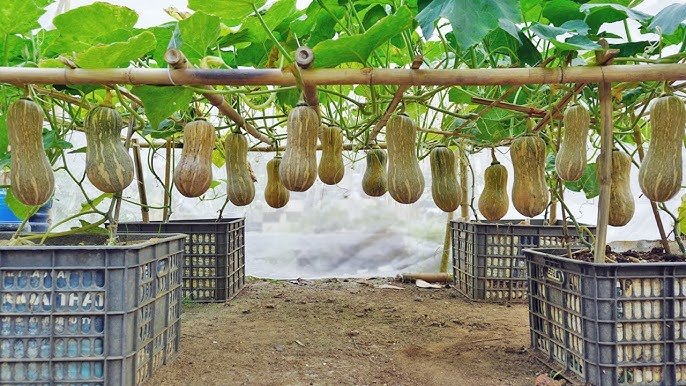
- Self-watering containers: Large pots or plastic bins with wicking systems or capillary mats provide a constant water supply to roots.
- Vertical supports: Trellises, poles, or netting guide the pumpkin vines upward, saving space and preventing fruit from touching the ground.
- Mulch and compost: Layering organic mulch on top of the soil retains moisture and supplies nutrients over time.
By combining these elements, your pumpkin plants remain hydrated and nourished automatically, reducing the need for manual watering.
Step 3: Planting Pumpkin Seeds or Seedlings
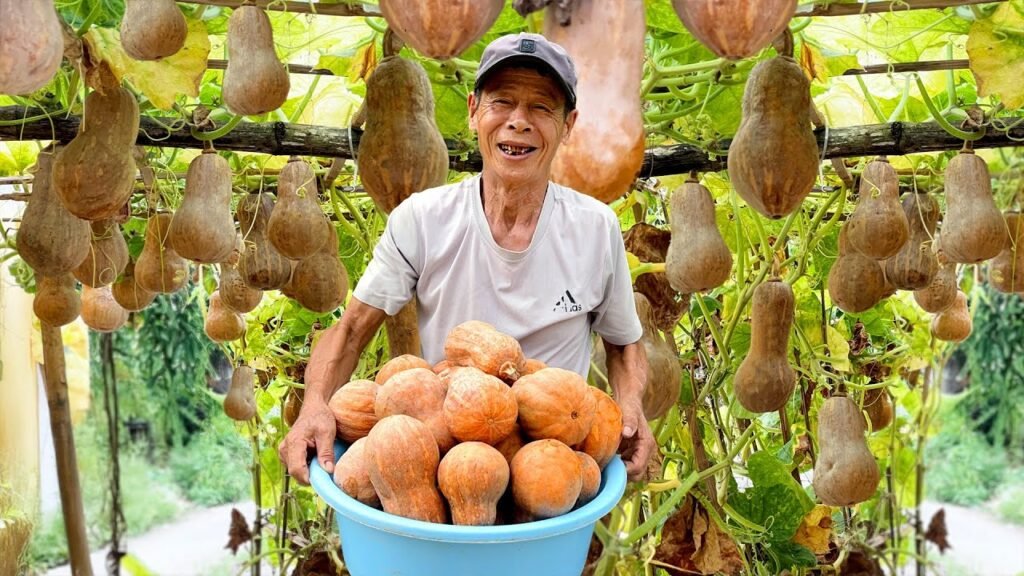
You can start with seeds or young seedlings, depending on availability and preference:
Using Seeds:
- Soak pumpkin seeds in water for 12–24 hours to accelerate germination.
- Plant seeds 2–3 cm deep in the self-watering container or prepared media.
- Keep soil moist initially to ensure germination, which usually occurs within 7–14 days.
Using Seedlings:
- Transplant seedlings that have 2–3 true leaves.
- Plant them into prepared containers with vertical support.
- Ensure adequate space between seedlings (50–70 cm) to promote airflow and reduce disease risk.
Whether using seeds or seedlings, careful planting ensures robust growth and higher yields.
Step 4: Supporting Vertical Growth
Vertical growth is key for maximizing space and productivity:
- Treasure strong support: Use wooden stakes, metal poles, or trellises to support heavy vines.
- Train vines carefully: Tie vines loosely to the support as they grow upward.
- Support heavy fruits: Use slings or mesh bags to prevent stems from breaking under the weight of pumpkins.
Vertical cultivation not only saves space but also improves sunlight exposure, airflow, and fruit development.
Step 5: Fertilization for Continuous Harvest
Even with minimal watering, pumpkins still need adequate nutrition:
- Use slow-release fertilizers: Organic fertilizers or compost provide a steady nutrient supply.
- Supplement with foliar sprays: Liquid fertilizers applied to leaves boost growth and flower production.
- High phosphorus and potassium: Promote flowering and fruit development while maintaining continuous harvest cycles.
Consistent nutrition ensures plants remain productive, even in a semi-automated or low-maintenance setup.
Step 6: Pollination
Pumpkins produce separate male and female flowers, so pollination is critical for fruit set:
- Hand pollination: Use a small brush to transfer pollen from male to female flowers, especially in indoor or semi-enclosed setups.
- Attract pollinators: If possible, place flowering plants nearby to attract bees and other pollinators.
- Timing: Pollinate in the morning when flowers are fully open.
Proper pollination leads to larger, well-formed pumpkins and maximizes continuous harvest potential.
Step 7: Pest and Disease Management
Even in containers or self-watering systems, pumpkins can attract pests and diseases:
Common pests: Aphids, caterpillars, squash bugs.
Control methods: Organic sprays, neem oil, or introducing beneficial insects like ladybugs.
Common diseases: Powdery mildew, downy mildew, root rot.
Prevention: Maintain proper airflow, avoid waterlogging, and monitor plants regularly.
Early detection and management are crucial for maintaining a healthy, productive pumpkin plant.
Step 8: Harvesting Pumpkins
Knowing when and how to harvest is vital for maximizing continuous yield:
- Timing: Pumpkins are ready 90–120 days after planting, depending on the variety.
- Signs of ripeness: Hard skin, deep color, and a dry stem.
- Harvesting method: Cut the fruit from the stem using sharp scissors or a knife. Avoid pulling to prevent damaging the vine.
Harvesting regularly encourages plants to continue flowering and producing fruit, enabling a continuous cycle of pumpkin production.
Tips for Maximizing Yield Without a Garden
- Stagger planting: Plant seeds or seedlings every 2–3 weeks to ensure a continuous harvest.
- Prune strategically: Remove weak or overcrowded vines to focus energy on fruit development.
- Ensure adequate sunlight: Minimum 6–8 hours per day for optimal growth.
- Rotate containers: Move containers to follow sunlight or protect from extreme weather.
- Use mulch: Helps retain soil moisture and improves nutrient availability, reducing maintenance needs.
By following these strategies, you can maximize your pumpkin yield without relying on traditional garden space.
Benefits of This Pumpkin Growing Hack
- Low maintenance: No daily watering required thanks to self-watering containers and mulching.
- High yield: Vertical growth and nutrient management allow up to 5 times more fruit.
- Space-efficient: Grow pumpkins on balconies, patios, or small yards.
- Sustainable: Reduces water use and reliance on store-bought produce.
- Educational and fun: Great for teaching children about plant growth, pollination, and sustainable gardening practices.
This method makes pumpkin growing accessible, even in urban environments.
Conclusion
You don’t need a large garden—or even daily watering—to enjoy fresh, homegrown pumpkins. By combining self-watering containers, vertical supports, strategic pruning, and proper nutrition, anyone can cultivate pumpkins continuously throughout the year. Starting with the right variety, ensuring proper pollination, and managing pests will lead to a steady, bountiful harvest.
This pumpkin-growing hack transforms limited spaces into productive growing zones, making it possible to harvest multiple times a year. Whether you live in an apartment, have a small balcony, or want a low-maintenance gardening solution, this method allows you to enjoy fresh, nutritious pumpkins for your family year-round.
With creativity, patience, and attention to detail, continuous pumpkin harvests are not only achievable—they’re fun, sustainable, and highly rewarding.