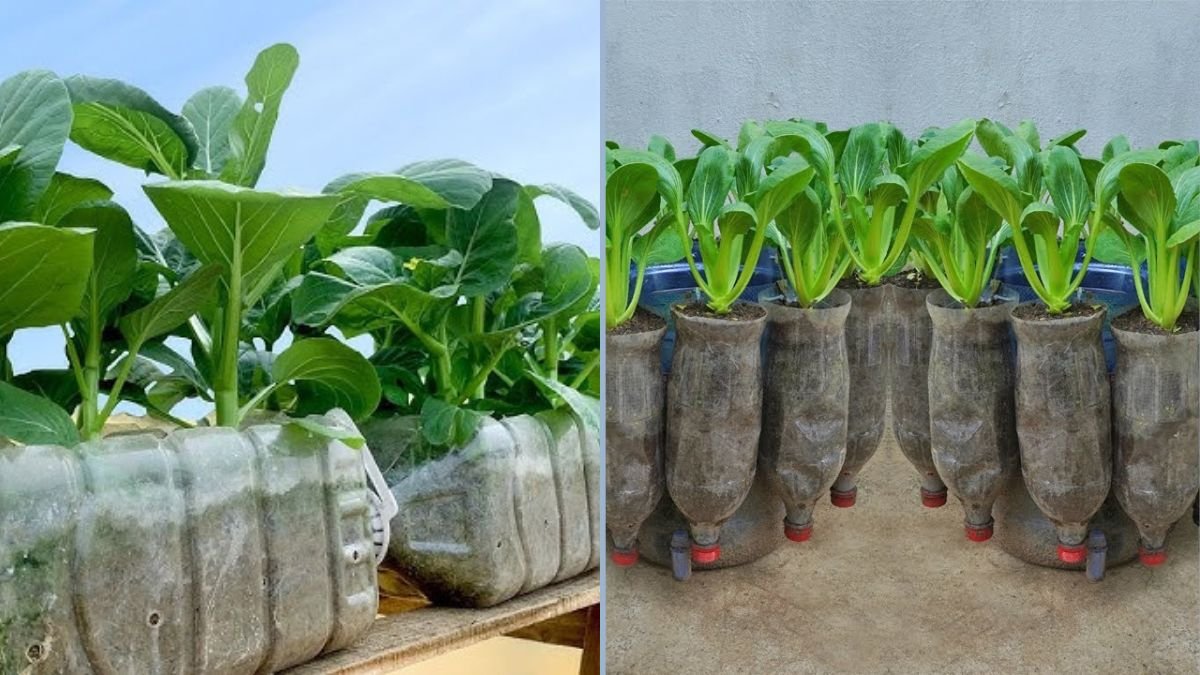
Urban gardening has taken a huge leap with innovative and eco-friendly techniques that combine sustainability with high productivity. One of the most exciting methods gaining popularity is growing vegetables in plastic bottles combined with fish tanks. This technique, often called aquaponics, uses the nutrients from fish waste to fertilize plants, allowing vegetables to grow faster and healthier. By recycling plastic bottles and using fish tanks, you not only reduce waste but also create a highly efficient system for home gardening.
In this guide, we’ll explore how this brilliant method works, its benefits, materials needed, step-by-step instructions, and tips for maximum productivity.
Why This Method Works So Well
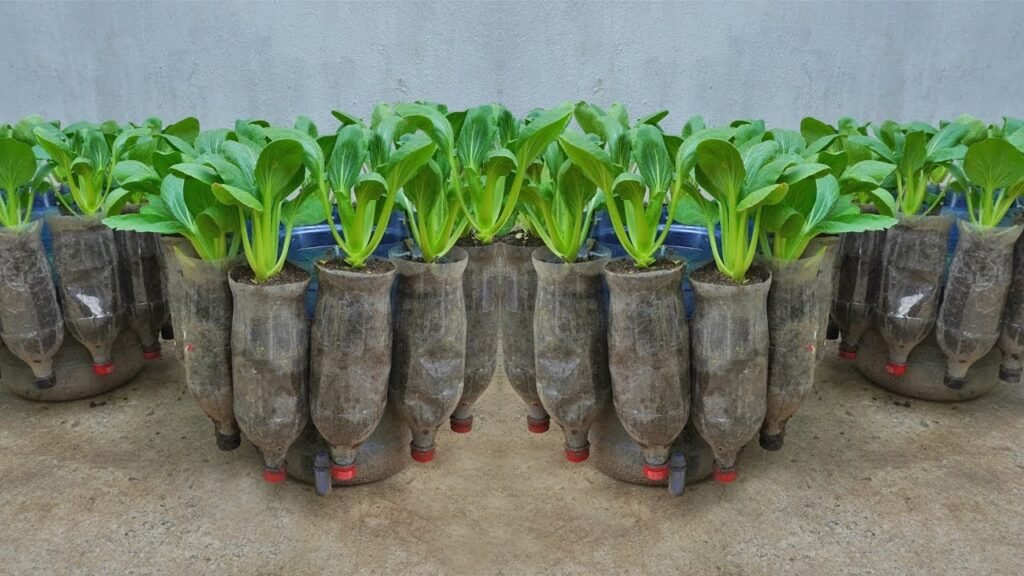
The combination of plastic bottles and fish tanks works due to the principle of aquaponics, a sustainable system that merges aquaculture (fish farming) with hydroponics (growing plants in water without soil). Here’s why it works:
- Natural Fertilization: Fish waste is rich in nitrogen, phosphorus, and potassium—essential nutrients for plant growth.
- Faster Growth: Plants get a constant supply of nutrients, resulting in faster growth and larger vegetables.
- Space Efficiency: Plastic bottles can be arranged vertically or horizontally, making it perfect for small spaces, balconies, or urban gardens.
- Sustainable and Eco-Friendly: This method recycles plastic waste and reduces the need for chemical fertilizers.
- Water Efficiency: Water recirculation in aquaponics uses up to 90% less water than traditional soil gardening.
With this method, you can grow a wide range of vegetables, from leafy greens like lettuce and spinach to fruiting plants like tomatoes and peppers, all while raising fish for protein.
Materials Needed
To get started, you will need the following materials:
- Plastic bottles (1–2 liters, preferably transparent)
- Fish tank (size depends on the number of bottles and fish you want to keep)
- Fish (tilapia, goldfish, or koi are commonly used)
- Hydroponic growing medium (coconut coir, clay pebbles, or perlite)
- Water pump (for circulating water from the tank to the bottles)
- Tubing or piping (to connect the water flow)
- Vegetable seeds or seedlings (lettuce, spinach, herbs, tomatoes, peppers, etc.)
- Net or small pots (to hold plants inside bottles)
Optional: pH testing kit, thermometer, and additional aeration system for the fish tank.
Step 1: Preparing the Plastic Bottles
Plastic bottles are ideal because they are lightweight, affordable, and easy to modify:
- Clean the bottles thoroughly to remove any residues.
- Cut a hole in the side or top to place your seedling or growing medium. The hole should be large enough to support the plant but small enough to prevent it from falling out.
- Puncture small holes at the bottom for water drainage or circulation if necessary.
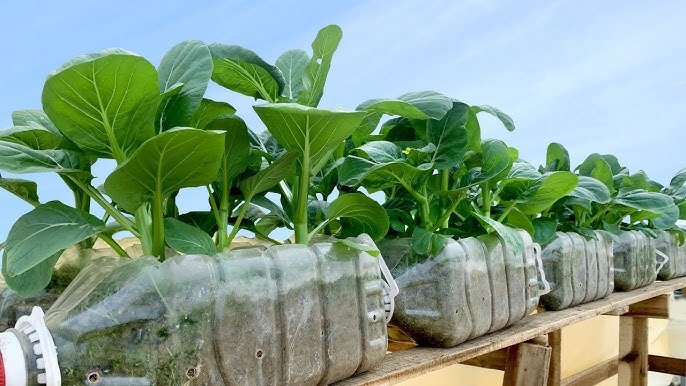
- Arrange the bottles vertically (stacked on top of each other) or horizontally on a stand to maximize space.
Tip: Transparent bottles allow you to monitor root growth, but avoid excessive sunlight on roots to prevent algae growth.
Step 2: Setting Up the Fish Tank
Your fish tank is the nutrient source for the plants:
- Fill the tank with clean water and condition it for fish by adding a water conditioner if needed.
- Add fish suitable for your climate and water conditions. Tilapia are commonly used because they are hardy and produce nutrient-rich waste.
- Install a water pump to circulate water from the fish tank to the plastic bottles. Proper circulation ensures nutrients are evenly distributed to all plants.
- Optional aeration improves oxygen levels for both fish and plant roots.
Pro Tip: Monitor water quality regularly, including pH and ammonia levels, to maintain a healthy environment for fish and plants.
Step 3: Planting Vegetables in Bottles
Now it’s time to plant your vegetables:
- Fill the plastic bottles with a hydroponic medium like coconut coir or clay pebbles.
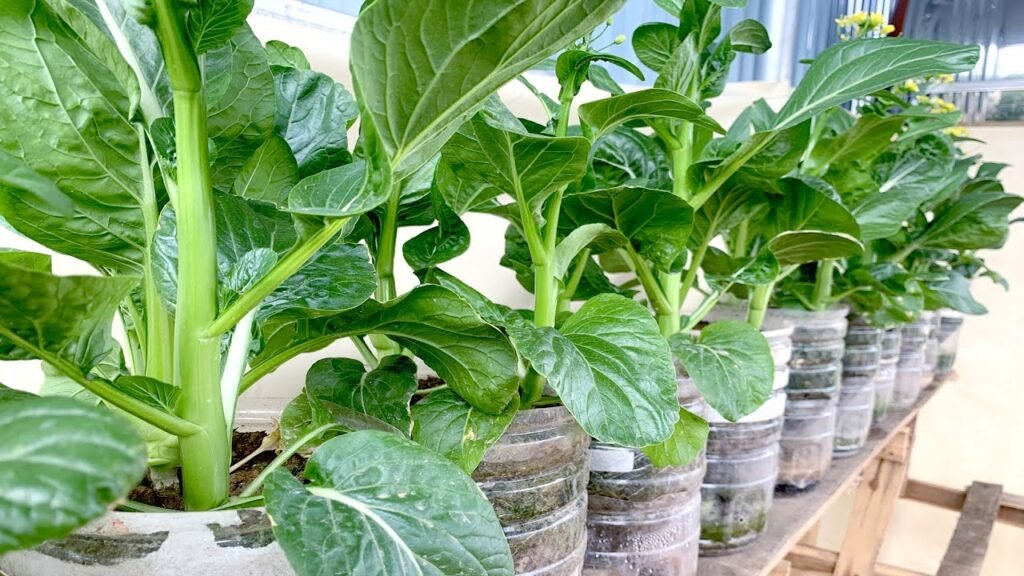
- Plant seeds or seedlings directly into the medium. Leafy vegetables like lettuce and spinach grow very well in this setup.
- Ensure the bottle roots are in contact with water flow coming from the fish tank. Nutrient-rich water will nourish the roots directly.
- Position the bottles in a way that each plant gets sufficient light, ideally 6–8 hours per day for sun-loving vegetables.
Tip: Rotate the bottles if needed to ensure even light exposure and balanced growth.
Step 4: Water Circulation and Maintenance
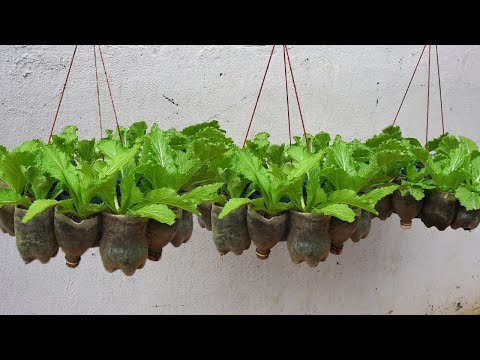
Proper water circulation is crucial for plant growth and fish health:
- Use the pump to move water from the fish tank to the bottles.
- Excess water can drain back to the tank, creating a continuous loop.
- Regularly check that all bottles are receiving adequate water flow.
- Clean tubing and pumps periodically to prevent clogging.
Tip: Maintain the water temperature suitable for your fish species (usually 20–28°C). Warm, nutrient-rich water boosts vegetable growth.
Step 5: Caring for Fish and Plants
Both plants and fish require attention:
For Fish:
- Feed them 1–2 times per day with high-quality fish food.
- Check water quality weekly and remove any dead fish or waste solids.
- Maintain adequate oxygen levels with aeration.
For Plants:
- Monitor leaves for yellowing or pests.
- Supplement nutrients if plant growth is slow; liquid organic fertilizers like seaweed extract can help.
- Prune and harvest vegetables regularly to encourage new growth.
Tip: Healthy fish produce better nutrients, leading to faster and larger vegetable growth.
Step 6: Harvesting Vegetables
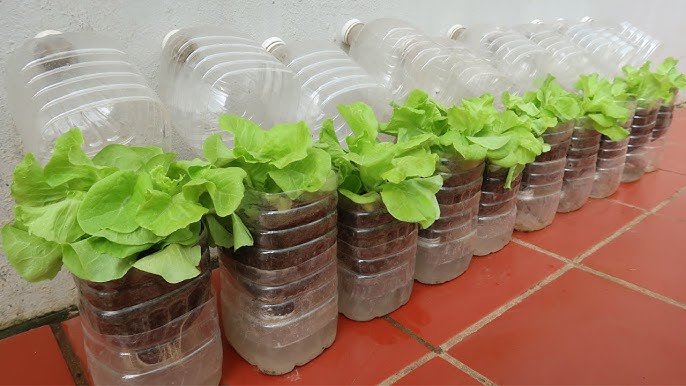
Vegetables grown in this system often mature faster than traditional soil gardening due to constant nutrient availability:
- Leafy greens can be harvested within 3–4 weeks.
- Tomatoes and peppers may take 6–8 weeks, depending on variety.
- Cut leaves and fruits carefully to avoid damaging roots or surrounding plants.
- Frequent harvesting encourages continuous growth and productivity.
Advantages of This Method
- Faster Growth: Nutrients from fish waste are readily available for plant absorption, accelerating growth.
- Water Efficiency: Recirculating water reduces consumption compared to conventional gardening.
- Space-Saving: Vertical bottle arrangement allows urban gardeners to grow more vegetables in limited spaces.
- Eco-Friendly: Plastic bottles are reused, and chemical fertilizers are minimized.
- Dual Yield: You can harvest both vegetables and fish for a sustainable food source.
This method is perfect for urban dwellers, hobby gardeners, or anyone looking to maximize productivity in small spaces.
Tips for Success
- Start Small: Begin with 5–10 bottles and a small fish tank, then expand once you master the system.
- Monitor Nutrients: If plants show slow growth, consider adding supplemental nutrients like potassium or nitrogen.
- Avoid Algae Growth: Cover transparent bottles partially to prevent excess sunlight from fostering algae on roots.
- Regular Cleaning: Clean pumps, tubing, and fish tanks periodically to maintain optimal performance.
- Choose Easy Vegetables: Leafy greens and herbs are ideal for beginners; fruiting vegetables may require more attention.
Conclusion
Growing vegetables in plastic bottles combined with fish tanks is a brilliant, sustainable, and highly productive method for urban gardening. By recycling plastic bottles and utilizing the natural nutrients from fish waste, this system produces faster-growing vegetables while conserving water and space. It’s an ideal solution for anyone looking to grow fresh, healthy vegetables at home while practicing sustainable gardening.
With careful setup, consistent maintenance, and proper care for both fish and plants, you can enjoy abundant, nutritious vegetables and even a source of protein from your fish. This innovative approach proves that urban gardening doesn’t have to be complicated or expensive—it can be smart, eco-friendly, and highly productive.