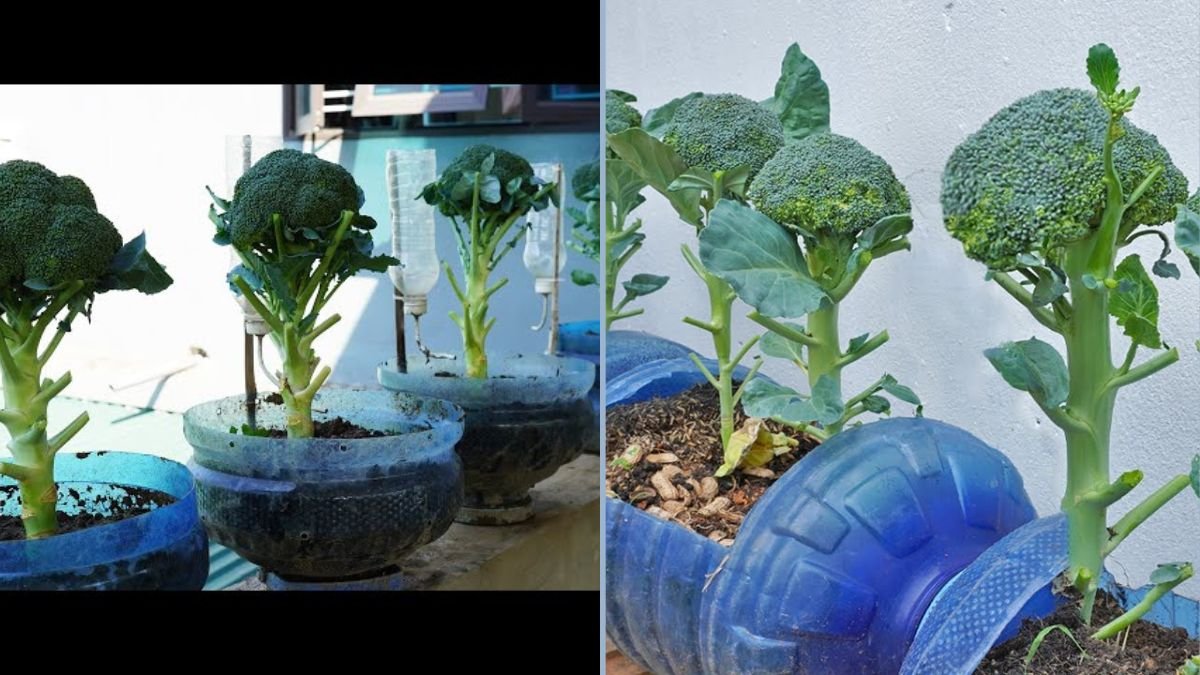
Broccoli is one of the most nutritious and versatile vegetables you can include in your diet. Packed with vitamins C and K, fiber, and antioxidants, it supports overall health, boosts immunity, and adds a delicious crunch to salads, stir-fries, and roasted dishes. While it may seem like a challenging crop to grow, broccoli is surprisingly easy to cultivate at home.
In this guide, we’ll walk you through the step-by-step process of growing broccoli at home, whether you have a backyard, balcony, or even a small indoor space. With the right techniques, you can enjoy fresh, homegrown broccoli without relying on grocery stores.
Why Grow Broccoli at Home?
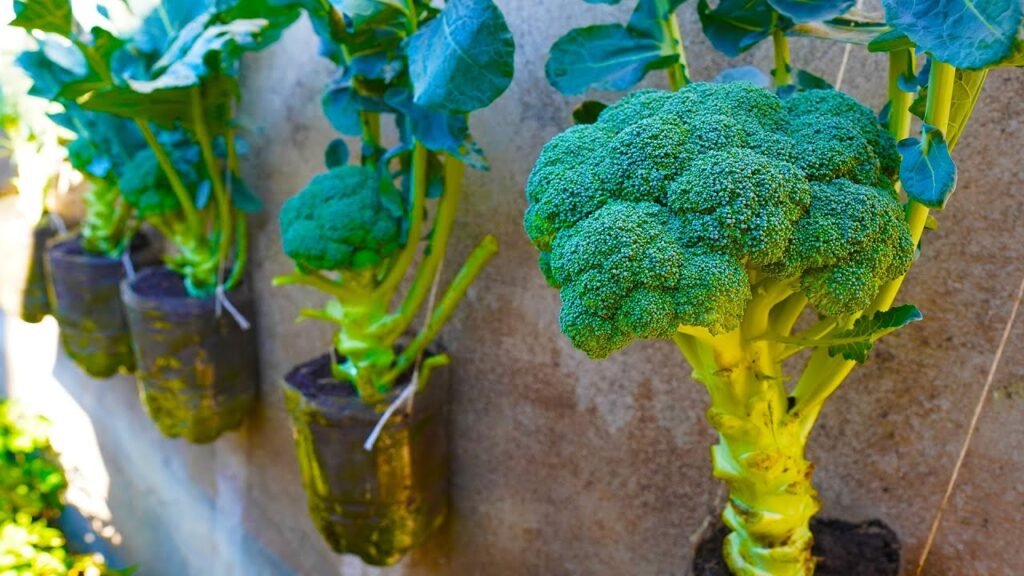
Growing broccoli at home comes with several advantages:
- Freshness and Flavor: Harvest broccoli just before eating to enjoy maximum flavor and crunch.
- Nutritional Benefits: Homegrown broccoli retains more vitamins and nutrients than store-bought produce.
- Chemical-Free: You control the use of pesticides and fertilizers, ensuring healthy, organic vegetables.
- Cost Savings: Broccoli can be expensive at the market; growing your own reduces costs.
- Sustainability: Growing food at home reduces packaging waste and promotes eco-friendly practices.
Homegrown broccoli is both nutritious and cost-effective, making it a perfect addition to any vegetable garden.
Materials Needed to Grow Broccoli
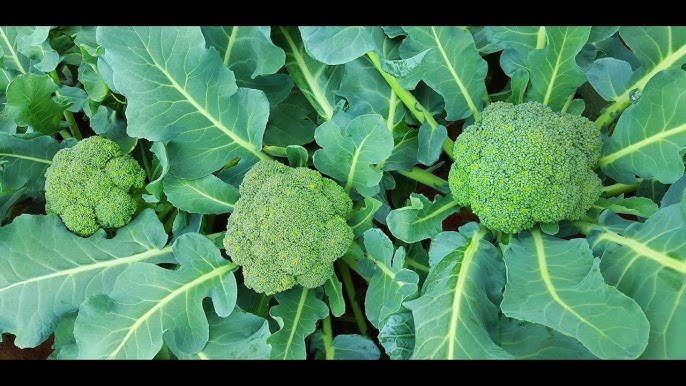
Before starting, gather the following items:
- Broccoli seeds or seedlings
- Fertile, well-draining soil
- Compost or well-rotted manure
- Raised beds, containers, or garden plots
- Watering can or hose
- Mulch (straw or leaves)
- Garden tools: trowels, spades, or small hoes
Optional: stakes or plant supports if growing larger varieties, and organic fertilizers for extra nutrition.
Step 1: Choosing the Right Broccoli Variety
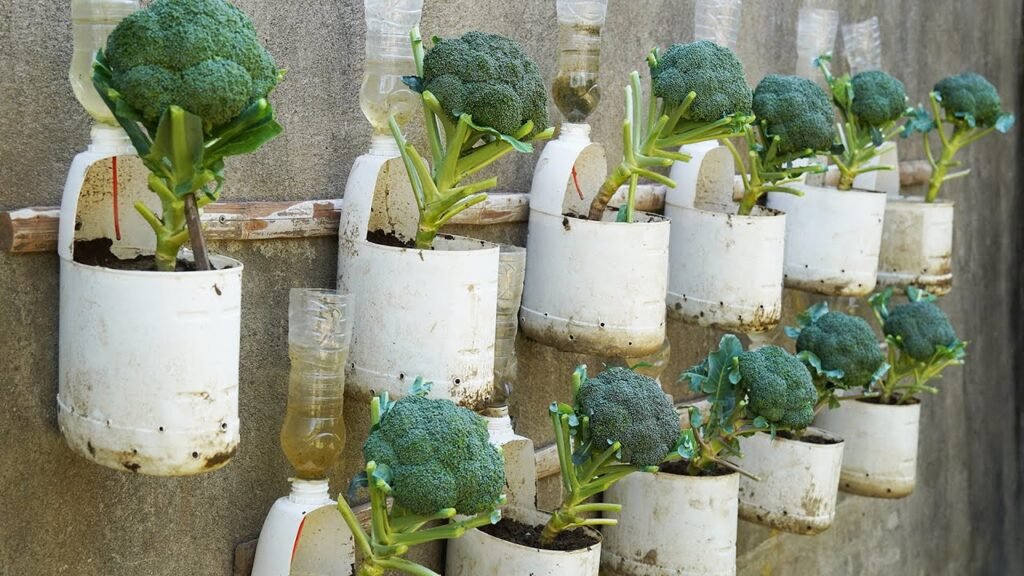
Selecting the right broccoli variety ensures success:
- Calabrese Broccoli: Produces large, tender heads with side shoots for extended harvests.
- Sprouting Broccoli: Grows smaller heads but produces many shoots, ideal for continuous harvesting.
- Purple Broccoli: Adds a colorful touch to your garden and plate, rich in antioxidants.
- Early-Season Varieties: Mature quickly and suitable for short growing seasons.
Choose a variety based on your growing season, available space, and desired harvest size.
Step 2: Preparing the Soil
Broccoli thrives in fertile, well-draining soil. Proper soil preparation promotes strong root systems and large, healthy heads:
- Loosen the Soil: Till or dig soil to a depth of 12–15 inches to allow roots to grow easily.
- Add Compost: Mix in well-rotted compost or manure to provide nutrients and improve soil structure.
- Check Soil pH: Broccoli prefers slightly acidic to neutral soil, with a pH of 6.0–7.0.
- Drainage: Ensure soil drains well to prevent waterlogging, which can rot roots and heads.
Pro Tip: Raised beds or containers are perfect for broccoli if your garden soil is compact or clay-heavy.
Step 3: Sowing Seeds or Transplanting Seedlings
Broccoli can be grown from seeds or seedlings depending on your preference and growing season:
From Seeds:
- Sow seeds ½ inch deep in seed trays or directly into prepared soil.
- Keep the soil consistently moist until germination, which occurs within 5–10 days.
- Thin seedlings to 18–24 inches apart to give each plant space to grow.
From Seedlings:
- Start seeds indoors 6–8 weeks before the last frost.
- Transplant seedlings when they have 2–3 true leaves and the risk of frost has passed.
- Space plants 18–24 inches apart for airflow and healthy head development.
Pro Tip: Broccoli grows best in cool weather, so start seeds indoors in late winter or early spring for spring or fall harvests.
Step 4: Watering and Fertilizing Broccoli
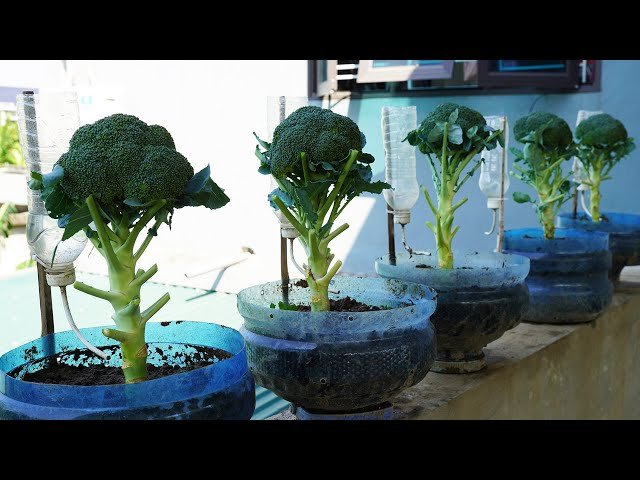
Proper watering and nutrition are crucial for growing big, healthy broccoli heads:
- Watering: Keep the soil consistently moist, especially during flowering and head formation. Avoid waterlogging.
- Fertilizing: Apply a balanced organic fertilizer every 2–3 weeks or side-dress with compost for continuous nutrition.
- Mulching: Apply straw or leaves around the base to retain moisture and regulate soil temperature.
Pro Tip: Broccoli requires more nutrients than many leafy vegetables, so consistent fertilization improves yield and head size.
Step 5: Supporting Broccoli Plants
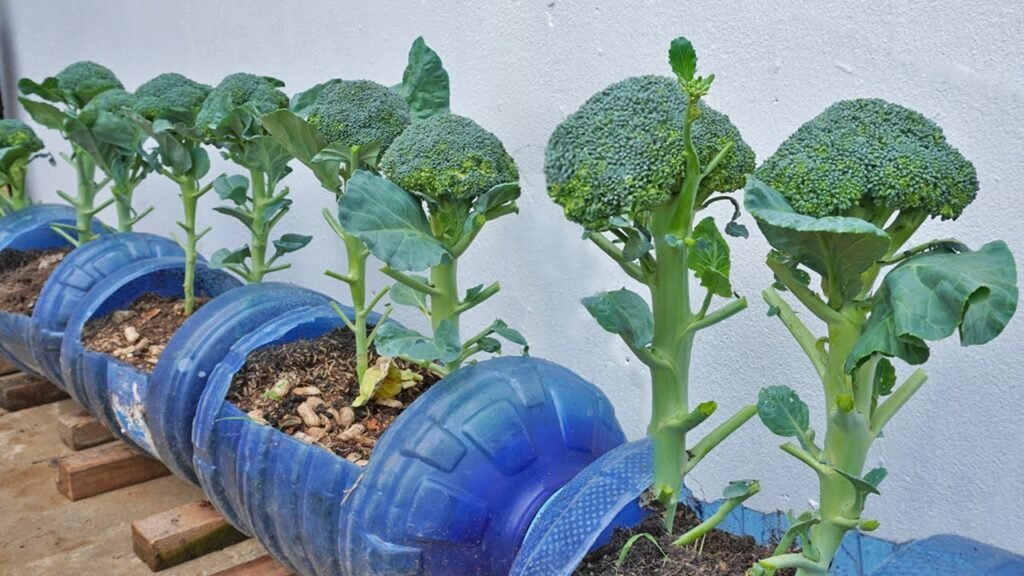
While most broccoli varieties are sturdy, tall or large-head varieties may benefit from support:
- Staking: Use stakes or small supports to prevent plants from toppling in windy conditions.
- Spacing: Maintain adequate spacing between plants to prevent overcrowding and ensure airflow.
Pro Tip: Proper support reduces stress on the plant and helps produce larger, uniform heads.
Step 6: Managing Pests and Diseases
Broccoli is susceptible to a few common pests and diseases, but these can be managed organically:
- Pests: Watch for cabbage worms, aphids, and flea beetles. Handpick pests or use neem oil and insecticidal soap.
- Diseases: Prevent fungal infections by ensuring good spacing, proper watering, and crop rotation.
- Companion Planting: Planting herbs like dill, mint, or nasturtium nearby can naturally deter pests.
Regular inspection of plants ensures early intervention and healthier crops.
Step 7: Harvesting Broccoli
Harvesting at the right time ensures maximum flavor and quality:
- Broccoli heads are ready when they are firm, compact, and tight.
- Cut the central head with 6–8 inches of stem before the flowers start to open.
- Side shoots will continue to grow after the main head is harvested, providing additional crops.
Pro Tip: Frequent harvesting encourages plants to produce side shoots, extending your harvest period.
Step 8: Storing and Using Broccoli
Proper storage preserves freshness and nutrients:
- Refrigeration: Store unwashed broccoli in perforated plastic bags in the refrigerator for up to a week.
- Freezing: Blanch and freeze broccoli to extend shelf life for several months.
- Cooking: Use fresh in salads, stir-fries, roasted dishes, or steamed for maximum nutrients.
Homegrown broccoli allows you to enjoy freshly harvested vegetables straight from your garden.
Tips for a Successful Home Broccoli Garden
- Cool Growing Conditions: Broccoli prefers cooler temperatures (60–70°F).
- Succession Planting: Plant seeds or seedlings every 2–3 weeks for continuous harvest.
- Adequate Sunlight: Broccoli needs at least 6 hours of sunlight daily.
- Regular Monitoring: Check plants for pests, diseases, and nutrient deficiencies.
- Harvest Timely: Cut heads before flowers appear to maintain tenderness and flavor.
- Rotate Crops: Prevent soil depletion and reduce disease buildup by changing planting locations yearly.
Following these tips ensures a steady supply of fresh, nutritious broccoli all season.
Benefits of Growing Broccoli at Home
Growing your own broccoli offers many advantages over buying from the market:
- Fresh and Nutritious: Harvesting just before consumption ensures maximum vitamin content.
- Control Over Chemicals: Grow organic broccoli free from pesticides and herbicides.
- Continuous Supply: Succession planting ensures broccoli is available throughout the season.
- Sustainable Gardening: Reduces packaging and carbon footprint from store-bought produce.
- Educational and Fun: Great for families and beginner gardeners to learn about vegetable cultivation.
Homegrown broccoli is not just a vegetable; it’s a healthy lifestyle choice and a rewarding gardening experience.
Conclusion
Broccoli is one of the easiest and most rewarding vegetables to grow at home. With the right preparation, consistent care, and timely harvesting, anyone can cultivate fresh, nutritious broccoli with minimal effort. Whether you have a backyard garden, a balcony, or a few containers indoors, broccoli can thrive and provide delicious, chemical-free produce.
By selecting the right variety, preparing soil, ensuring proper watering and fertilization, and managing pests and diseases, you can enjoy abundant, homegrown broccoli. Succession planting and side shoot harvesting allow for a continuous supply, so you never have to rely on store-bought vegetables again.
Start growing broccoli at home today, and experience the satisfaction of harvesting your own fresh, healthy, and delicious greens right from your garden.