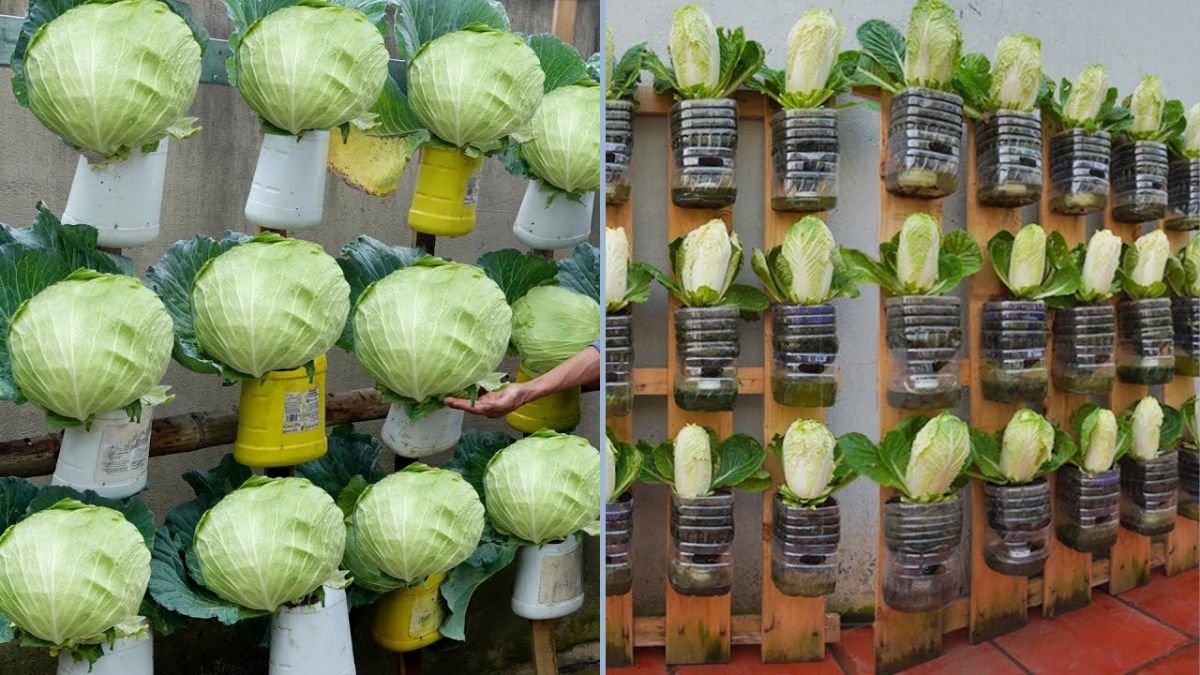
Cabbage is a staple vegetable found in kitchens worldwide, prized for its crunch, versatility, and nutritional benefits. Rich in vitamins C and K, fiber, and antioxidants, cabbage is perfect for salads, soups, stir-fries, and fermentation into sauerkraut or kimchi. While it may seem like a simple plant to grow, achieving large, healthy, and uniform cabbage heads requires proper planning, care, and attention to detail.
If you follow the right method, you can turn your garden into a dream cabbage patch, producing abundant, high-quality vegetables throughout the season. This guide will take you step by step through creating your dream cabbage garden, from soil preparation to harvesting.
Why Grow Cabbage at Home?
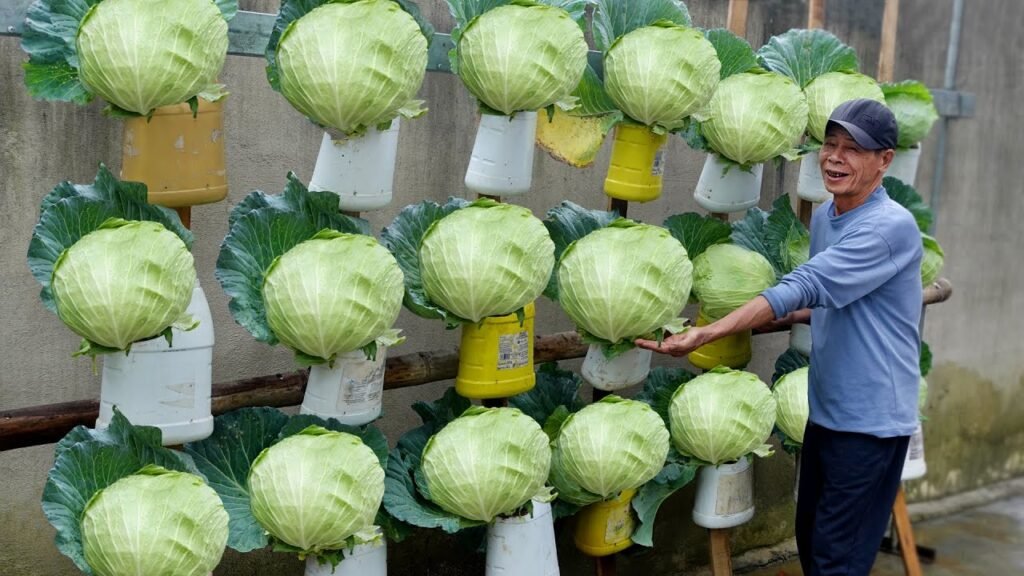
Homegrown cabbage offers numerous advantages:
- Freshness and Flavor: Cabbage from your garden is crisp, flavorful, and more nutritious than store-bought alternatives.
- Chemical-Free: You control fertilizers and pesticides, ensuring safe, organic produce.
- Cost-Effective: Growing cabbage at home can save money, especially if you consume it regularly.
- Satisfaction: There’s immense satisfaction in harvesting vegetables you nurtured from seed to full maturity.
- Year-Round Potential: With the right varieties and techniques, you can grow cabbage almost year-round in many climates.
Understanding Cabbage Growth
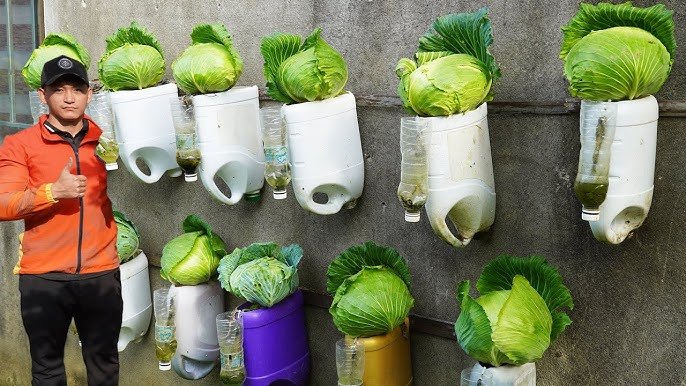
Cabbage (Brassica oleracea) is a cool-season crop, thriving in temperatures between 60–70°F (15–21°C). It grows from seed into a leafy head, which forms over 70–100 days depending on the variety. Proper spacing, nutrient-rich soil, and consistent care are essential for forming tight, large cabbage heads.
Materials Needed for Your Dream Cabbage Garden
To start, you will need the following materials:
- High-quality cabbage seeds or seedlings (choose varieties suited to your climate)
- Fertile, well-draining soil
- Compost or well-rotted manure
- Mulch (straw or leaves)
- Garden tools: trowel, hoe, watering can
- Fertilizers: organic or balanced NPK fertilizers
- Stakes or netting (optional, for pest protection)
Step 1: Choosing the Right Cabbage Variety
Selecting the right cabbage variety is crucial for achieving large, healthy heads. Varieties differ in size, growth period, and climate tolerance. Some popular options include:
- Golden Acre: Compact heads, ideal for small gardens
- Savoy: Curly, tender leaves with excellent flavor
- Green Globe: Large, round heads perfect for harvesting later in the season
- Red Express: Adds color to your garden and plate, producing small to medium heads
Choose varieties based on your available space, climate, and desired harvest size.
Step 2: Soil Preparation
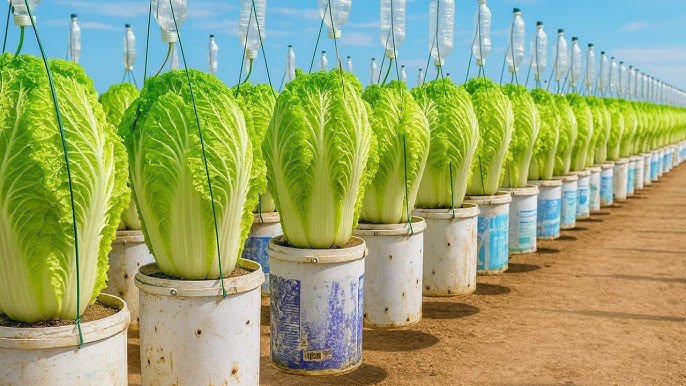
Cabbage thrives in fertile, well-draining soil rich in organic matter. Proper soil preparation is the foundation for a successful garden.
- Test and Amend Soil: Ensure pH is slightly acidic to neutral (6.0–7.0). Add lime if soil is too acidic.
- Add Organic Matter: Mix compost, well-rotted manure, or leaf mold into the soil to enhance fertility and drainage.
- Loosen Soil: Use a hoe or tiller to loosen soil to a depth of 12–15 inches, allowing roots to penetrate easily.
- Fertilize: Apply balanced fertilizer or organic alternatives to provide essential nutrients.
Tip: Raised beds are an excellent option if your soil is heavy clay or poorly drained.
Step 3: Sowing Seeds or Transplanting Seedlings
Cabbage can be grown from seed or transplanted as seedlings.
Starting from Seed:
- Sow seeds indoors 6–8 weeks before the last frost.
- Plant seeds ¼ inch deep in seed trays with seed-starting mix.
- Keep soil moist and warm (65–75°F) for germination.
Transplanting Seedlings:
- Harden off seedlings by gradually exposing them to outdoor conditions.
- Transplant when seedlings are 4–6 weeks old and have 3–4 true leaves.
- Space plants 12–18 inches apart to allow room for head formation.
Tip: Proper spacing prevents overcrowding, improves airflow, and reduces pest and disease pressure.
Step 4: Watering and Mulching
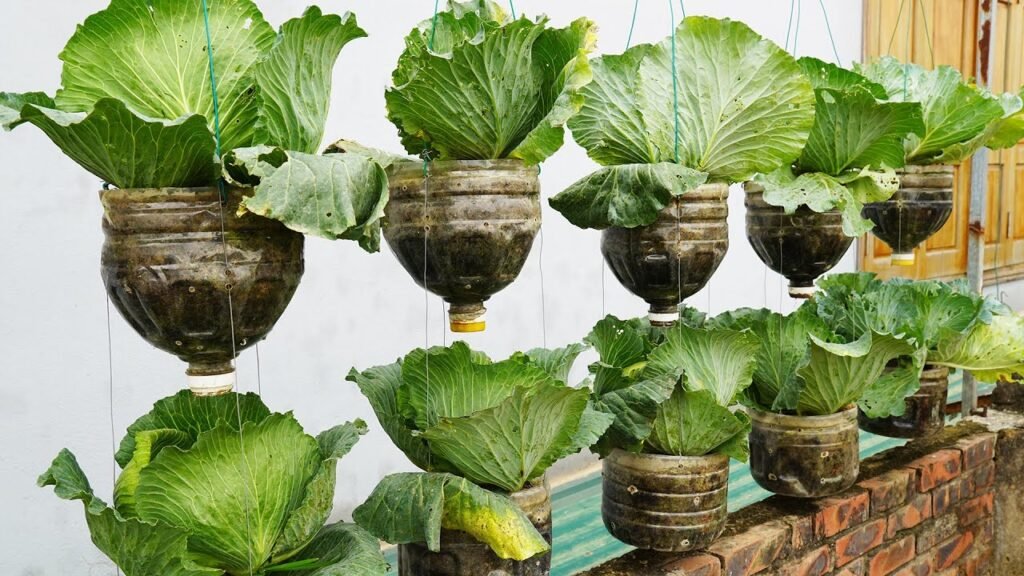
Cabbage requires consistent moisture for optimal growth. Inconsistent watering can lead to split or small heads.
- Water deeply 1–2 times per week, depending on weather.
- Keep soil evenly moist but not waterlogged.
- Mulch around the plants with straw or leaves to retain soil moisture, regulate temperature, and reduce weed growth.
Pro Tip: Avoid wetting the leaves to prevent fungal diseases. Drip irrigation is ideal for maintaining consistent moisture.
Step 5: Fertilizing for Bigger Heads
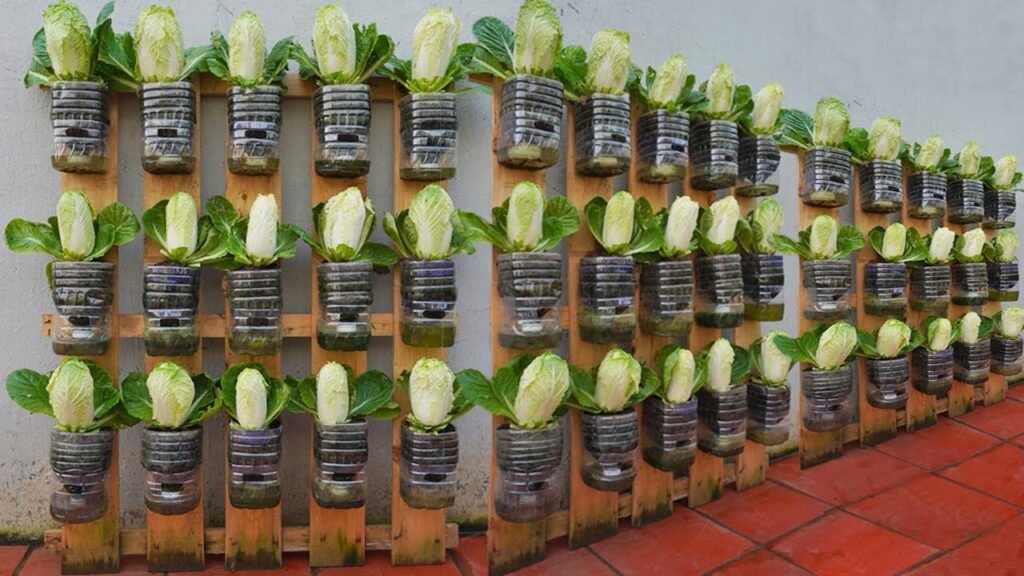
Cabbage is a heavy feeder, meaning it requires ample nutrients to produce large, firm heads.
- Apply nitrogen-rich fertilizer during early growth to promote leaf development.
- Switch to phosphorus and potassium-rich fertilizer as heads begin forming to improve size and firmness.
- Organic alternatives like compost tea or fish emulsion can be applied every 2–3 weeks for a natural boost.
Step 6: Pruning and Leaf Management
Pruning helps your cabbage focus energy on forming heads:
- Remove yellowing or damaged outer leaves.
- Thin crowded plants if necessary to ensure adequate light and airflow.
- Avoid cutting leaves that are essential for photosynthesis too early.
Tip: Healthy outer leaves protect the forming head from pests and environmental stress.
Step 7: Pest and Disease Control
Cabbage is susceptible to pests such as cabbage worms, aphids, and slugs, and diseases like black rot or downy mildew.
Organic Prevention Methods:
- Use row covers or netting to protect against insects.
- Introduce beneficial insects like ladybugs to control aphids.
- Spray neem oil or insecticidal soap for pest management.
- Rotate crops annually to reduce disease buildup in soil.
Maintaining clean soil, removing infected leaves, and ensuring proper spacing can prevent most problems.
Step 8: Supporting Your Plants
Large cabbage heads can become heavy, especially after rain or in windy areas. Providing support ensures heads remain firm and undamaged:
- Place stakes or small cages around plants if needed.
- Avoid tying plants too tightly, as this can damage leaves or heads.
Proper support reduces the risk of splitting or falling over and helps maintain your dream garden’s appearance.
Step 9: Harvesting Your Dream Cabbage
Knowing when to harvest is key to enjoying the best flavor and texture:
- Cabbage is ready when heads are firm and dense, typically 70–100 days after transplanting, depending on variety.
- Cut heads at the base using a sharp knife, leaving the outer leaves and roots if you plan to grow secondary smaller heads.
- Harvest early morning for the freshest taste and longest shelf life.
Tip: Avoid letting cabbage stay in the ground too long, as heads can split or become bitter.
Step 10: Tips for a Highly Productive Cabbage Garden
- Use Fertile, Well-Drained Soil: Soil is the foundation for large heads.
- Ensure Consistent Watering: Deep watering promotes strong roots and firm heads.
- Fertilize Appropriately: Balance nitrogen, phosphorus, and potassium for optimal growth.
- Protect from Pests: Regular monitoring and organic pest control keep cabbage healthy.
- Harvest at the Right Time: Picking heads at peak maturity ensures the best flavor and texture.
- Rotate Crops: Avoid planting cabbage in the same soil consecutively to reduce disease risk.
Following these tips guarantees a bountiful harvest and a garden you’ll be proud to show off.
Conclusion
Creating a dream cabbage garden is achievable with careful planning, the right techniques, and consistent care. From selecting the best varieties to preparing fertile soil, providing adequate water and nutrients, managing pests, and harvesting at the right time, each step plays a crucial role in growing big, healthy cabbage heads.
By following this method, even beginners can enjoy a productive cabbage garden full of fresh, crisp, and flavorful vegetables. Whether you have a backyard, raised bed, or balcony garden, you can create a dream cabbage patch that yields abundant harvests throughout the growing season.
With patience, dedication, and proper care, your dream cabbage garden will not only provide delicious vegetables but also bring the satisfaction of growing your own food sustainably and successfully.