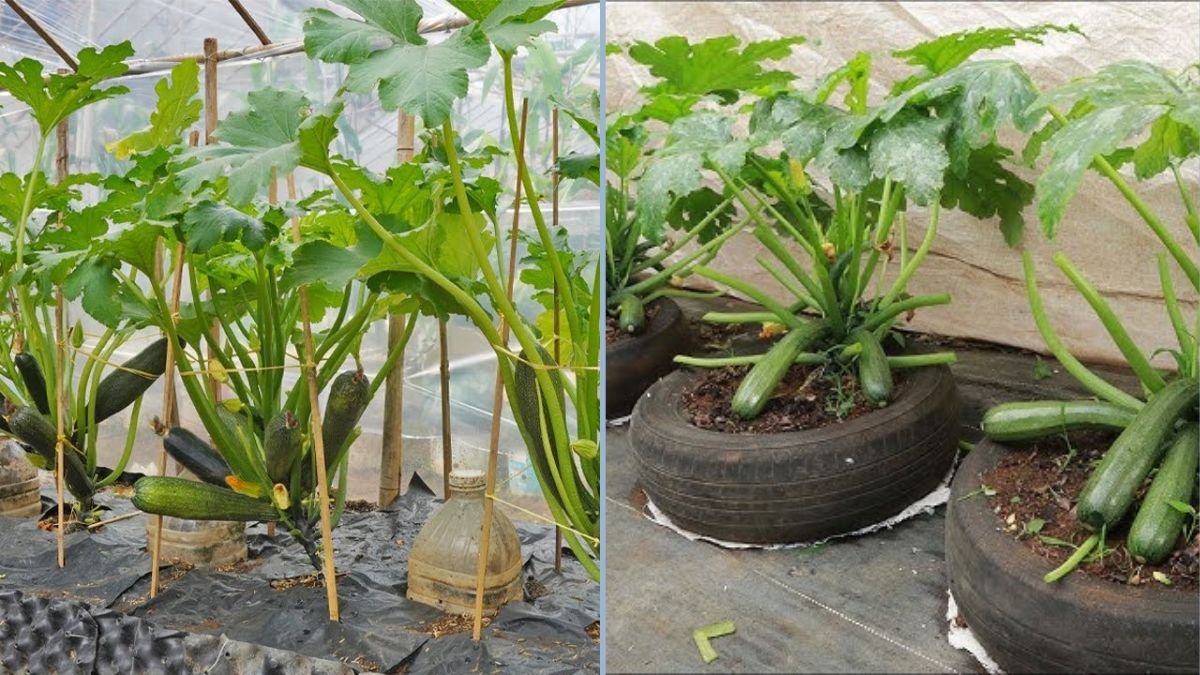
Zucchini, also known as courgette, is a versatile and nutritious summer squash that’s beloved for its tender texture, mild flavor, and ease of cooking. While zucchini typically thrives in warm weather, many gardeners struggle to grow it during colder months. Fortunately, greenhouse gardening allows you to cultivate zucchini year-round, including during winter, without worrying about frost or cold temperatures.
In this guide, we’ll explore step-by-step how to grow zucchini in a greenhouse, covering everything from soil preparation and planting to maintenance and harvesting. With the right techniques, you can enjoy fresh, homegrown zucchini even in the middle of winter.
Why Grow Zucchini in a Greenhouse?
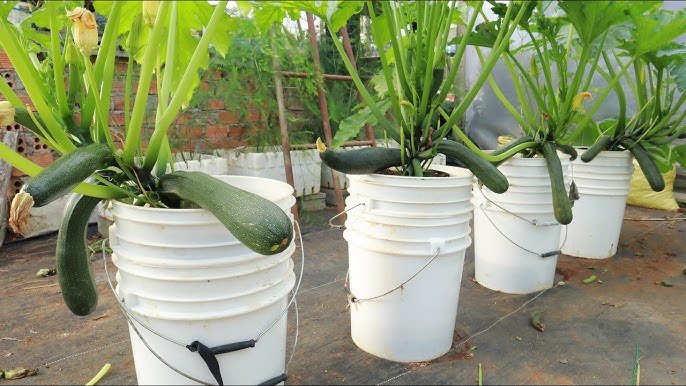
Growing zucchini in a greenhouse offers numerous benefits:
- Year-Round Production: Protect plants from frost and cold, allowing for continuous harvest.
- Optimal Growth Conditions: Greenhouses maintain warmth and humidity, ideal for zucchini’s growth.
- Pest and Disease Control: A controlled environment reduces the risk of pests and soil-borne diseases.
- Higher Yields: Zucchini grows faster and produces larger fruits under greenhouse conditions.
- Space Efficiency: Vertical trellising and proper planning maximize space inside the greenhouse.
Greenhouse zucchini gardening is perfect for small-space growers, urban gardeners, or anyone who wants fresh zucchini throughout the year.
Materials Needed for Greenhouse Zucchini Gardening
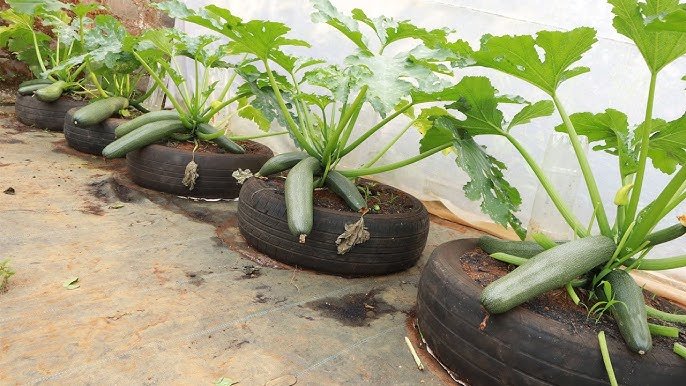
To start, gather the following materials:
- High-quality zucchini seeds or seedlings (choose varieties suited for greenhouse growth)
- Greenhouse structure (plastic or glass-covered)
- Fertile, well-draining soil or raised beds
- Compost or well-rotted manure
- Mulch (straw or leaves)
- Watering system or watering cans
- Trellis or netting (for vertical growth)
- Fertilizers (organic compost, liquid feed, or balanced NPK fertilizer)
Optional: Thermometer, humidity monitor, and plant supports for larger varieties.
Step 1: Choosing the Right Zucchini Variety
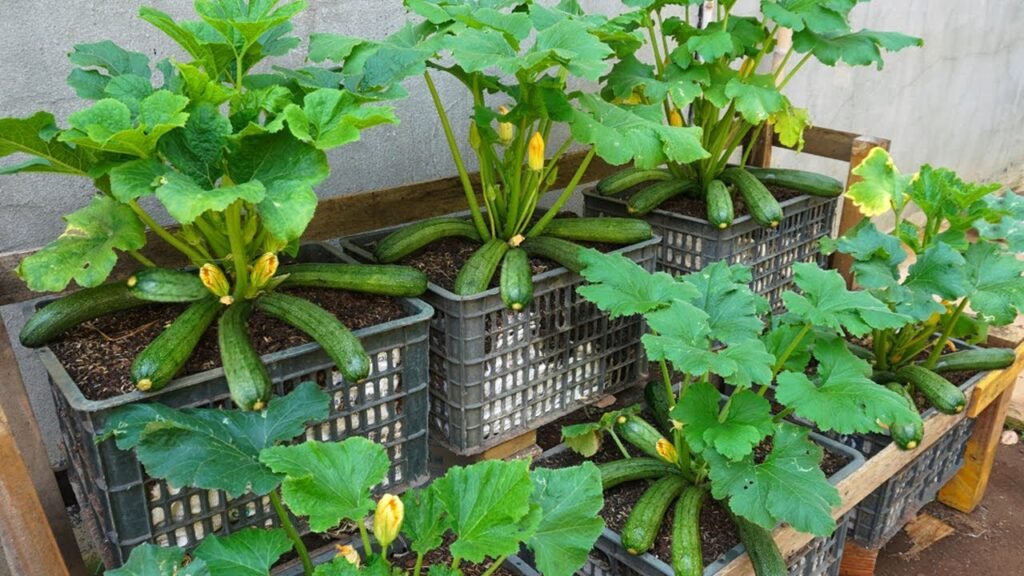
Selecting the right variety is crucial for greenhouse gardening, as some zucchini types perform better in controlled environments:
- Black Beauty: Compact, prolific, and ideal for greenhouse cultivation.
- Cocozelle: Long, Italian-style zucchini with tender skin and high yield.
- Spineless or Bush Varieties: Suitable for small spaces and easier to manage indoors.
Choose a variety that matches your space, growth habits, and desired fruit size. Compact or bush varieties are generally easier to manage in greenhouses with limited space.
Step 2: Preparing the Greenhouse
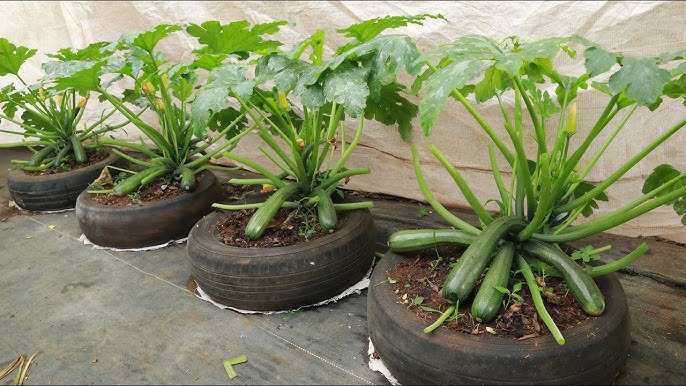
A well-prepared greenhouse ensures optimal growing conditions:
- Temperature Control: Maintain daytime temperatures between 70–85°F (21–29°C) and nighttime temperatures above 50°F (10°C).
- Ventilation: Ensure proper airflow to prevent humidity build-up, which can cause fungal diseases.
- Light: Zucchini requires 6–8 hours of direct or filtered sunlight daily. Supplemental grow lights can help during short winter days.
- Soil Preparation: Use fertile, well-draining soil enriched with compost or organic matter. Raised beds or large containers are ideal.
Pro Tip: Installing shade cloths or thermal blankets can protect plants during extreme temperature fluctuations.
Step 3: Planting Zucchini
Zucchini can be started from seeds or seedlings:
From Seeds:
- Sow seeds ½–1 inch deep in seed trays with seed-starting mix.
- Keep soil warm (75–80°F / 24–27°C) and moist for germination.
- Germination typically occurs within 7–10 days.
Transplanting Seedlings:
- Once seedlings have 2–3 true leaves, transplant them into prepared greenhouse beds or containers.
- Space plants 18–24 inches apart to allow airflow and accommodate growth.
- Water thoroughly after transplanting to reduce transplant shock.
Pro Tip: Bush varieties are easier to manage indoors, but vining types can be trained vertically with trellises.
Step 4: Watering and Fertilizing
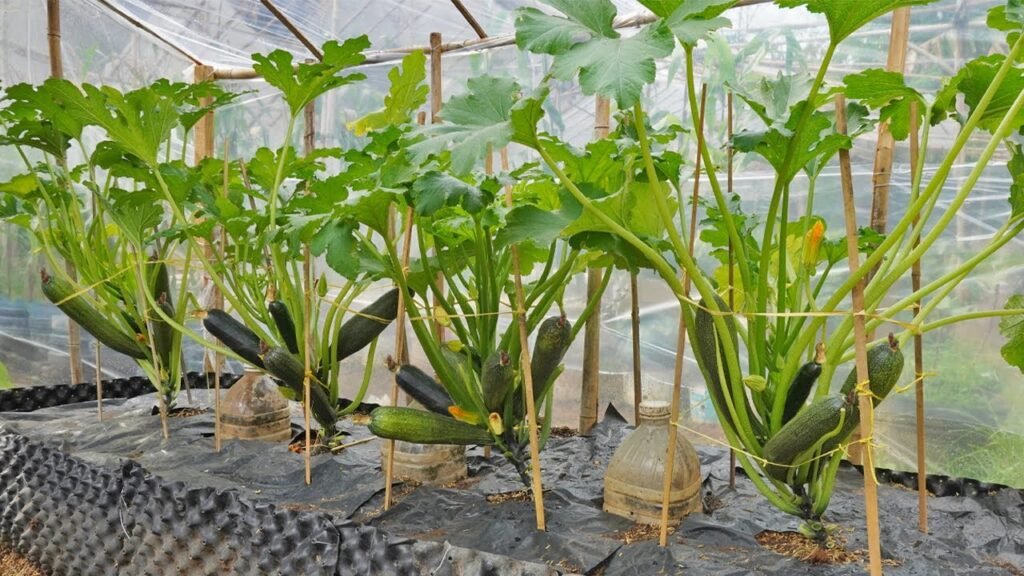
Zucchini is a heavy feeder and requires consistent moisture:
Watering:
- Water plants deeply and regularly, aiming for consistent soil moisture.
- Avoid wetting leaves to prevent powdery mildew and other fungal diseases.
- Drip irrigation or soaker hoses work best in greenhouses.
Fertilizing:
- Apply organic compost or liquid fertilizer every 2–3 weeks.
- Use a balanced NPK fertilizer to promote healthy foliage and fruit development.
- Side-dress plants with compost as they grow larger to ensure continuous nutrient supply.
Pro Tip: Mulching around the base of plants helps retain soil moisture and prevents weeds from competing with your zucchini.
Step 5: Supporting and Training Vines
If growing vining zucchini varieties, vertical training is key:
- Install Trellises or Netting: Guide vines upward to save floor space and improve air circulation.
- Tie Vines Gently: Use soft string or plant ties to support the vines without damaging them.
- Prune if Needed: Remove excess lateral shoots to focus energy on fruit production.
Vertical growth not only increases yield but also reduces disease risk by keeping fruits off the ground.
Step 6: Pollination in the Greenhouse
Zucchini flowers are unisexual, meaning male and female flowers grow separately. Proper pollination is crucial:
- Natural Pollination: Bees and insects are ideal, but may not be present in greenhouses.
- Manual Pollination: Use a small brush or cotton swab to transfer pollen from male to female flowers.
- Pollination ensures fruits develop fully and prevents blossom drop.
Pro Tip: Identify male flowers by their long, thin stems and female flowers by the small swelling at the base, which will become the zucchini fruit.
Step 7: Pest and Disease Management
Greenhouse zucchini is generally hardy but can face issues like aphids, whiteflies, spider mites, and powdery mildew:
- Inspect plants regularly for pests and signs of disease.
- Use neem oil, insecticidal soap, or other organic treatments to control infestations.
- Ensure adequate airflow and avoid overcrowding to reduce fungal problems.
- Remove damaged or diseased leaves promptly.
Maintaining a clean greenhouse and monitoring conditions closely keeps zucchini plants healthy and productive.
Step 8: Harvesting Zucchini
Zucchini grows quickly and can be harvested multiple times during the season:
- Harvest fruits when they are 6–8 inches long for the best flavor and texture.
- Use a sharp knife or scissors to cut the fruit, leaving a small stem attached.
- Frequent harvesting encourages plants to produce more fruits throughout the season.
Pro Tip: Avoid letting zucchini grow too large, as oversized fruits can become tough and reduce the plant’s energy for new growth.
Step 9: Advantages of Greenhouse Zucchini Gardening
Growing zucchini in a greenhouse offers numerous benefits:
- Winter Harvest: Enjoy fresh zucchini even when outdoor conditions are unfavorable.
- Faster Growth: Controlled temperature, humidity, and sunlight accelerate growth.
- Higher Yield: Optimal conditions promote larger, healthier fruits.
- Reduced Pest Pressure: A controlled environment minimizes pest and disease problems.
- Space Efficiency: Vertical training and raised beds maximize limited greenhouse space.
This method ensures a reliable supply of zucchini regardless of the season.
Step 10: Tips for Maximizing Greenhouse Zucchini Production
- Choose Compact Varieties: Bush types are easier to manage in confined spaces.
- Maintain Temperature and Humidity: Ideal temperatures range from 70–85°F (21–29°C).
- Monitor Watering: Consistent soil moisture prevents blossom drop and improves fruit quality.
- Provide Adequate Fertilization: Feed regularly with compost or organic fertilizer.
- Pollinate Manually if Needed: Ensures full fruit development in the absence of pollinators.
- Harvest Frequently: Picking fruits regularly encourages continued production.
Following these tips will help you maintain a thriving, productive greenhouse zucchini garden throughout the winter months.
Conclusion
Growing zucchini in a greenhouse allows gardeners to enjoy fresh, homegrown vegetables even in the coldest months. By selecting the right varieties, preparing soil, maintaining proper temperature and humidity, supporting vines, ensuring pollination, and practicing regular maintenance, you can produce abundant, healthy zucchini year-round.
Greenhouse gardening not only extends the growing season but also protects plants from harsh outdoor conditions, reduces pest and disease pressure, and increases yields. Whether you have a small urban greenhouse, a backyard structure, or even a DIY hoop house, these techniques ensure you never have to worry about zucchini in the winter again.
With patience, care, and the right methods, you can turn your greenhouse into a zucchini paradise, providing fresh, nutritious vegetables for your kitchen throughout the year.