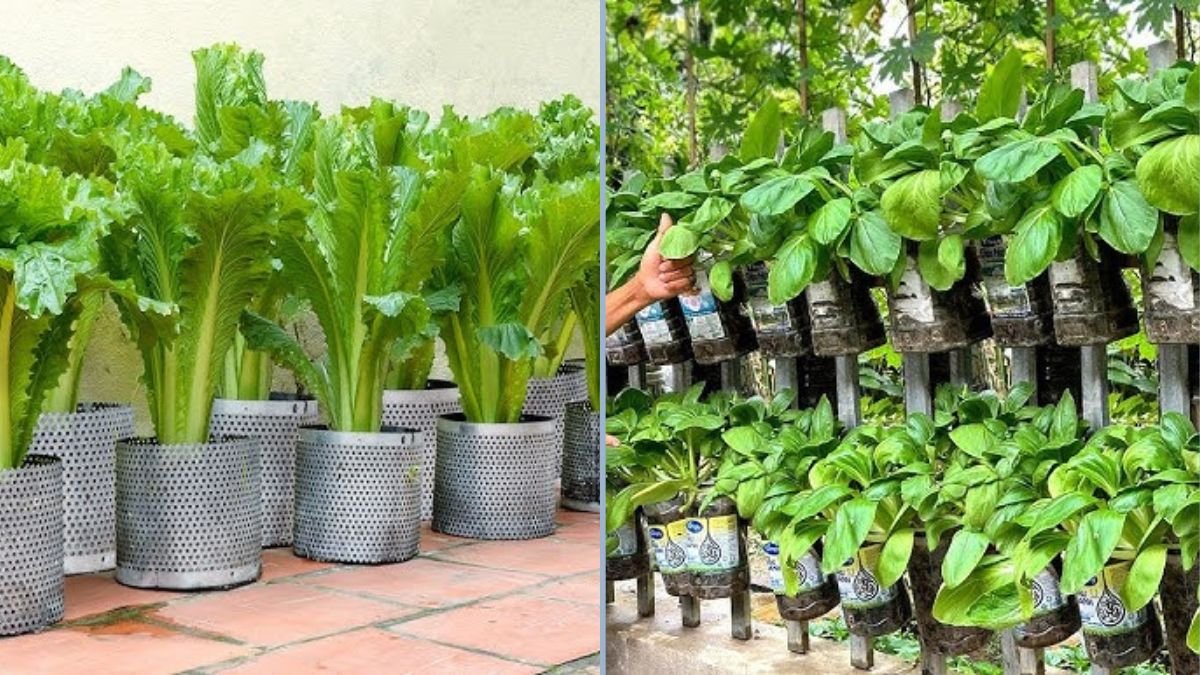
In today’s fast-paced world, fresh vegetables can be expensive, sometimes hard to find, and often come with concerns about pesticides and chemicals. But what if you could stop buying vegetables altogether and grow them in the comfort of your own home? Growing your own vegetables not only saves money but also ensures you have a continuous supply of fresh, organic produce at your fingertips.
This guide will walk you through practical, easy-to-follow solutions to grow vegetables at home, whether you have a backyard, balcony, or even just a small indoor space. With these methods, anyone—even beginners—can enjoy homegrown vegetables year-round.
Why Grow Vegetables at Home?
Growing vegetables at home offers numerous benefits:
- Freshness: Nothing compares to harvesting vegetables just before cooking, retaining maximum flavor and nutrients.
- Cost Savings: Growing your own vegetables can significantly reduce your grocery bills.
- Chemical-Free: Control what goes into your plants, ensuring pesticide-free, organic produce.
- Sustainability: Reduce carbon footprint and plastic packaging by growing food locally.
- Health Benefits: Gardening promotes physical activity, reduces stress, and encourages healthy eating habits.
With all these benefits, growing vegetables at home is not only practical but also rewarding.
Step 1: Choosing the Right Vegetables
For home gardening, it’s important to choose vegetables that are easy to grow and suited to your space and climate. Some beginner-friendly options include:
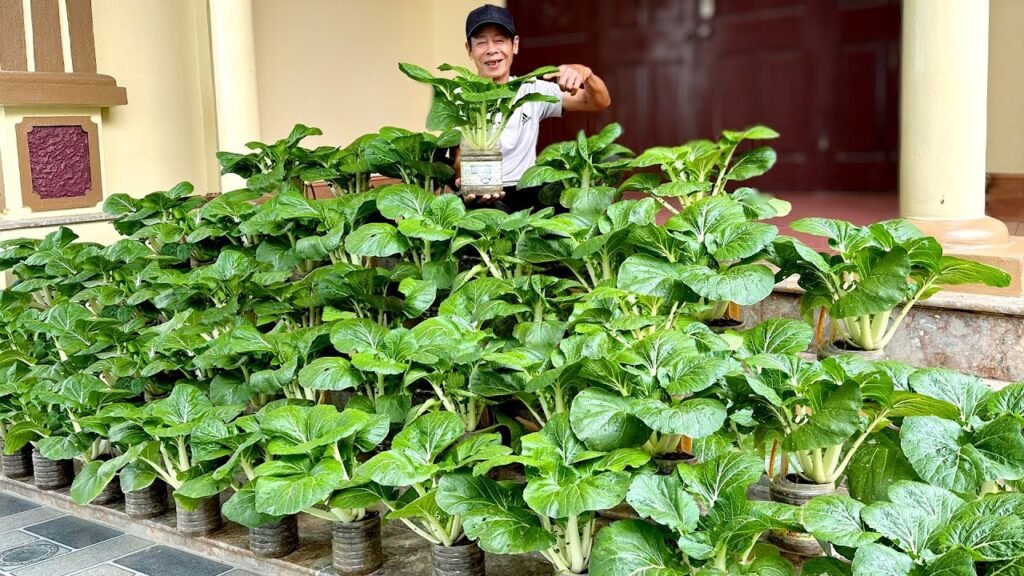
- Leafy Greens: Spinach, lettuce, kale, and Swiss chard grow quickly and require minimal space.
- Tomatoes: Compact varieties thrive in containers or small gardens.
- Peppers: Bell peppers and chili peppers are ideal for pots.
- Root Vegetables: Radishes, carrots, and beets grow well in deep containers or raised beds.
- Herbs: Basil, parsley, coriander, and mint are perfect for small indoor gardens.
Choosing fast-growing vegetables ensures a quicker return on your effort, keeping motivation high for beginners.
Step 2: Selecting a Growing Method
Depending on your available space, there are several effective ways to grow vegetables at home:
1. Container Gardening:
- Ideal for balconies, terraces, or indoor spaces.
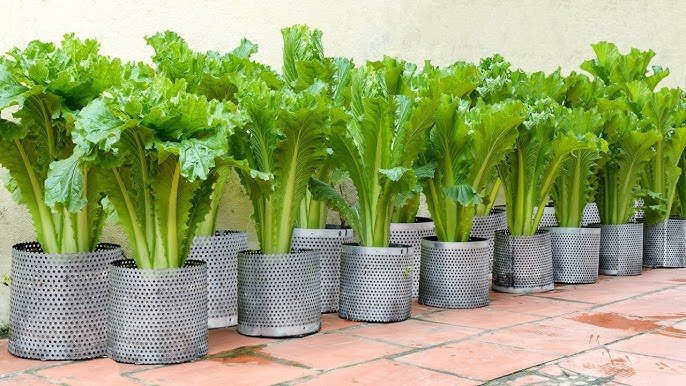
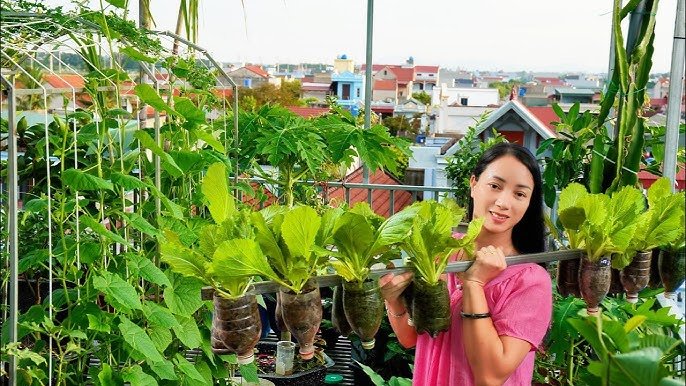
- Use pots, grow bags, or recycled containers with drainage holes.
- Suitable for tomatoes, peppers, leafy greens, and herbs.
2. Raised Beds or Small Plots:
- Perfect for backyard gardens.
- Raised beds provide better soil drainage and fertility.
- Suitable for root vegetables, leafy greens, and climbing plants like beans and peas.
3. Vertical Gardening:
- Uses walls, trellises, or hanging pots.
- Maximizes space in small homes or apartments.
- Ideal for climbing vegetables, herbs, and small fruiting plants.
4. Hydroponics or Bottle Gardening:
- Soil-less method using water, nutrients, and containers such as plastic bottles.
- Reduces the need for constant soil maintenance.
- Ideal for leafy greens, herbs, and fast-growing vegetables.
Choosing the right method depends on your space, time, and the type of vegetables you want to grow.
Step 3: Preparing Containers and Soil
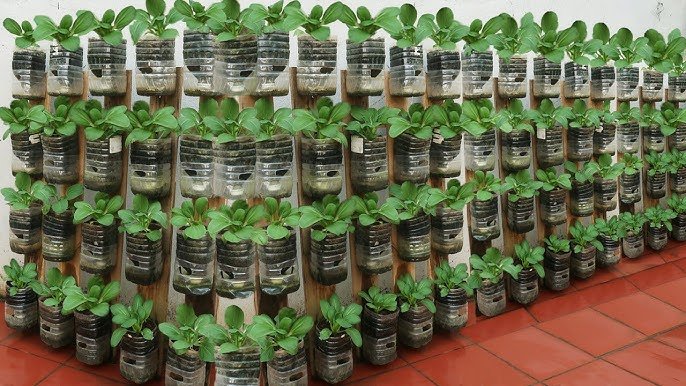
For container gardening or vertical setups, soil preparation is key:
- Use nutrient-rich potting soil mixed with compost or organic matter.
- Ensure good drainage by adding small stones, sand, or perlite to the soil mix.
- Fill containers leaving 2–3 inches from the top for watering.
- Optional: Add slow-release organic fertilizer for consistent nutrition.
For raised beds or outdoor plots:
- Loosen the soil and mix in compost, manure, or organic fertilizers.
- Ensure soil is slightly acidic to neutral (pH 6.0–7.0) for most vegetables.
- Mulch with straw or leaves to retain moisture and suppress weeds.
Pro Tip: Healthy soil is the foundation of a productive vegetable garden.
Step 4: Planting Your Vegetables
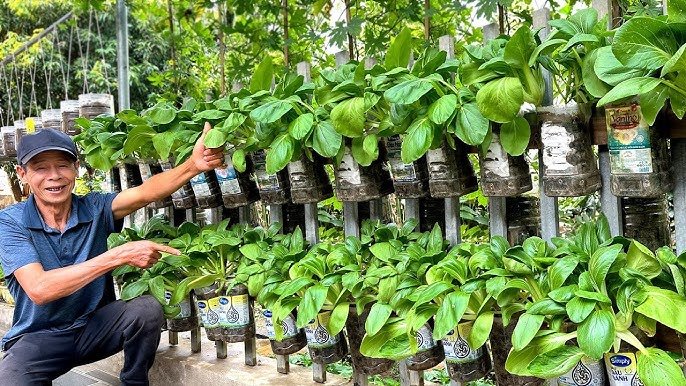
Depending on the vegetable, you can start from seeds or seedlings:
- Seeds: Fast-growing vegetables like lettuce, radish, and spinach can be sown directly into containers or beds.
- Seedlings: For tomatoes, peppers, and cabbage, transplant young seedlings into prepared soil or containers.
Planting Tips:
- Space seeds or seedlings properly to allow airflow and growth.
- Plant according to the recommended depth indicated on seed packets.
- Water gently after planting to settle the soil.
Starting with a mix of fast-growing seeds and sturdy seedlings ensures continuous harvesting.
Step 5: Watering and Fertilizing
Watering and fertilizing are essential for healthy vegetable growth:
- Watering: Keep soil consistently moist, especially for container gardens where soil dries faster. Avoid overwatering, which can lead to root rot.
- Fertilizing: Use compost, organic fertilizer, or liquid feed every 2–3 weeks for best results.
- Mulching: Retains soil moisture, reduces temperature fluctuations, and suppresses weeds.
Pro Tip: Early morning watering is ideal, reducing evaporation and fungal growth.
Step 6: Supporting Plants
Some vegetables require support to grow properly:
- Tomatoes and Peppers: Use stakes or cages to support the plant as it grows.
- Climbing Vegetables: Beans, peas, and cucumbers need trellises or vertical supports.
- Heavy Fruits: Squash and eggplants benefit from strong supports to prevent stem damage.
Proper support ensures healthy growth and higher yields while minimizing damage from wind or overbearing fruits.
Step 7: Pest and Disease Management
Even home gardens can face pests and diseases. Organic methods are best:
- Inspect plants regularly for signs of pests like aphids, caterpillars, or mites.
- Use neem oil, insecticidal soap, or garlic spray as natural remedies.
- Remove affected leaves or fruits promptly.
- Encourage beneficial insects like ladybugs and lacewings for natural pest control.
Pro Tip: Crop rotation and companion planting can prevent soil-borne diseases and improve plant health.
Step 8: Harvesting Your Vegetables
Harvesting at the right time ensures maximum flavor and nutrients:
- Leafy greens: Pick outer leaves continuously to encourage new growth.
- Root vegetables: Harvest when roots reach maturity; smaller roots can be eaten earlier.
- Fruit vegetables: Tomatoes, peppers, cucumbers, and squash should be harvested when fully colored and firm.
- Herbs: Cut regularly to encourage bushy growth and prevent flowering.
Frequent harvesting keeps plants productive and ensures you have a continuous supply of fresh vegetables.
Step 9: Storing and Using Your Homegrown Vegetables
Proper storage maximizes freshness and shelf life:
- Leafy greens: Store in airtight containers or bags in the refrigerator.
- Root vegetables: Keep in a cool, dry place.
- Fruit vegetables: Refrigerate or use immediately for peak flavor.
- Herbs: Freeze, dry, or store in water jars for longer preservation.
Homegrown vegetables allow you to cook fresh meals without worrying about chemical residues or freshness.
Step 10: Tips for a Successful Home Vegetable Garden
- Start Small: Begin with easy-to-grow vegetables and expand gradually.
- Plan for Continuous Harvest: Mix fast-growing and slow-growing vegetables for year-round supply.
- Reuse and Recycle: Use plastic bottles, containers, or old buckets for cost-effective planting.
- Rotate Crops: Prevent soil depletion and reduce disease risk by changing planting areas annually.
- Monitor Conditions: Keep track of sunlight, temperature, and moisture for optimal growth.
- Enjoy the Process: Gardening is as rewarding as harvesting; take time to learn and observe.
Following these simple tips helps beginners cultivate a productive and sustainable vegetable garden at home.
Conclusion
You don’t have to rely on supermarkets to enjoy fresh, nutritious vegetables anymore. With a little planning, creativity, and care, you can grow your own vegetables at home, whether in containers, raised beds, or vertical gardens. This approach saves money, ensures chemical-free produce, promotes sustainability, and provides the immense satisfaction of growing your own food.
By selecting the right vegetables, preparing soil or containers, maintaining proper watering and fertilizing routines, supporting plants, managing pests, and harvesting strategically, you can establish a thriving home vegetable garden. Whether you live in a small apartment, a suburban home, or a rural property, there’s a solution to grow vegetables that fits your space and lifestyle.
Stop buying vegetables and start growing them at home today—your taste buds, health, and wallet will thank you!