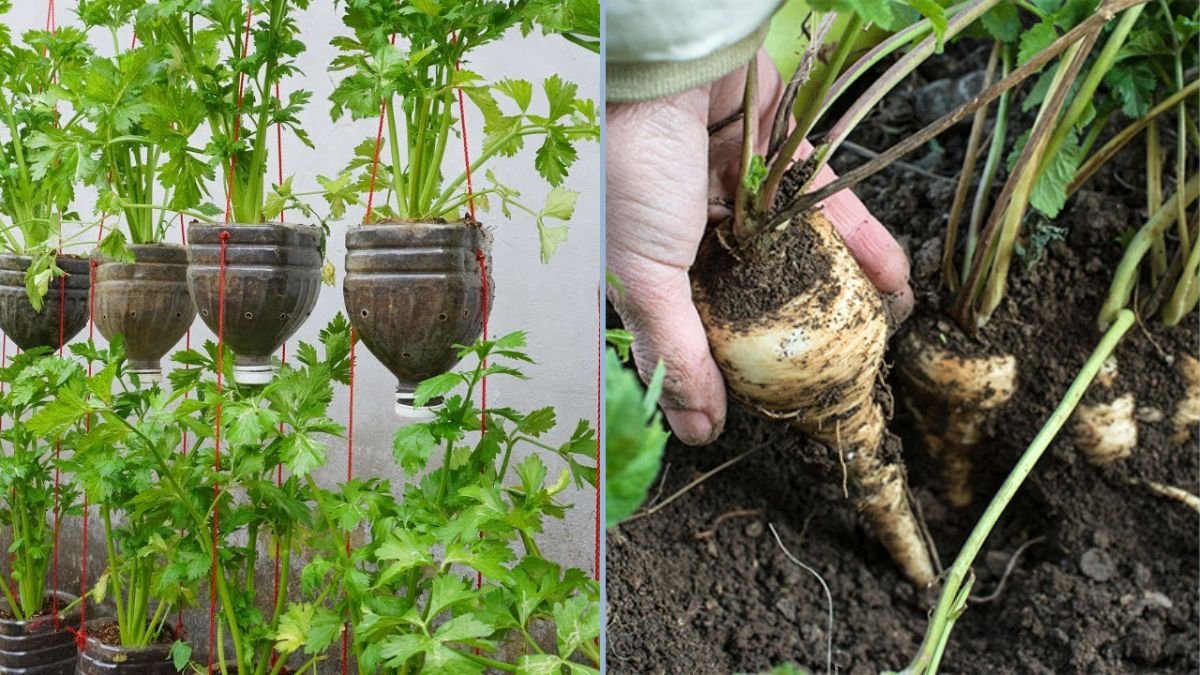
Parsnips are a classic, versatile root vegetable that adds a sweet, earthy flavor to soups, stews, roasts, and even purees. Rich in fiber, vitamins C and K, folate, and potassium, parsnips are not only delicious but also highly nutritious. Unlike some other root vegetables, parsnips are best sown directly in the garden, as transplanting seedlings can disturb their delicate taproots.
In Vivi’s Kitchen Garden 10, the focus is on direct sowing of parsnips—a simple, effective method that can yield long, healthy roots. Whether you’re an experienced gardener or a beginner, this guide will walk you through every step of planting, caring for, and harvesting parsnips directly in your garden or containers.
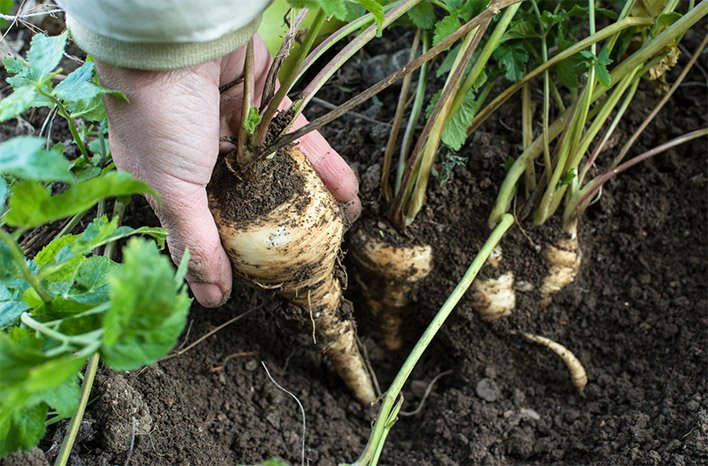
Why Sow Parsnips Directly?
- Preserves Taproots: Parsnip roots are long and delicate, making transplanting tricky and prone to deformity. Direct sowing allows them to develop undisturbed.
- Improved Flavor and Texture: Parsnips grown in loose, well-drained soil have a sweeter, smoother taste.
- Simple and Low-Cost: Direct sowing requires minimal equipment—just seeds, soil, and some patience.
- Space Efficiency: Sow seeds in rows or containers without needing multiple seed trays or pots.
- Seasonal Flexibility: Parsnips are cold-hardy and can be sown for a harvest extending into late winter.
Materials You’ll Need
- Parsnip seeds
- Garden soil or containers with deep, loose soil
- Compost or well-rotted manure
- Ruler or planting stick (for marking rows)
- Watering can or gentle hose spray
- Mulch (optional for moisture retention)
Step-by-Step Guide to Sowing Parsnips Directly
Step 1: Preparing the Soil
- Parsnips prefer deep, loose, well-draining soil free from stones or debris, as obstacles can deform the roots.
- Work the soil to a depth of at least 12 inches to accommodate long taproots.
- Incorporate compost or well-rotted manure to improve fertility and structure. Avoid fresh manure, as it can cause forked roots.
Step 2: Marking Rows and Sowing Seeds
- Use a ruler or stick to mark shallow furrows, about ½ inch deep and 12–18 inches apart.
- Sow parsnip seeds thinly along the furrow—aim for one seed every 2–3 inches.
- Cover lightly with soil and press gently to ensure good soil-to-seed contact.
Step 3: Watering and Germination
- Water the sown rows gently but thoroughly, keeping the soil consistently moist until germination.
- Parsnip seeds are slow to germinate, often taking 2–4 weeks, so patience is key.
- For even germination, consider covering the rows with horticultural fleece to retain moisture and warmth.
Step 4: Thinning Seedlings
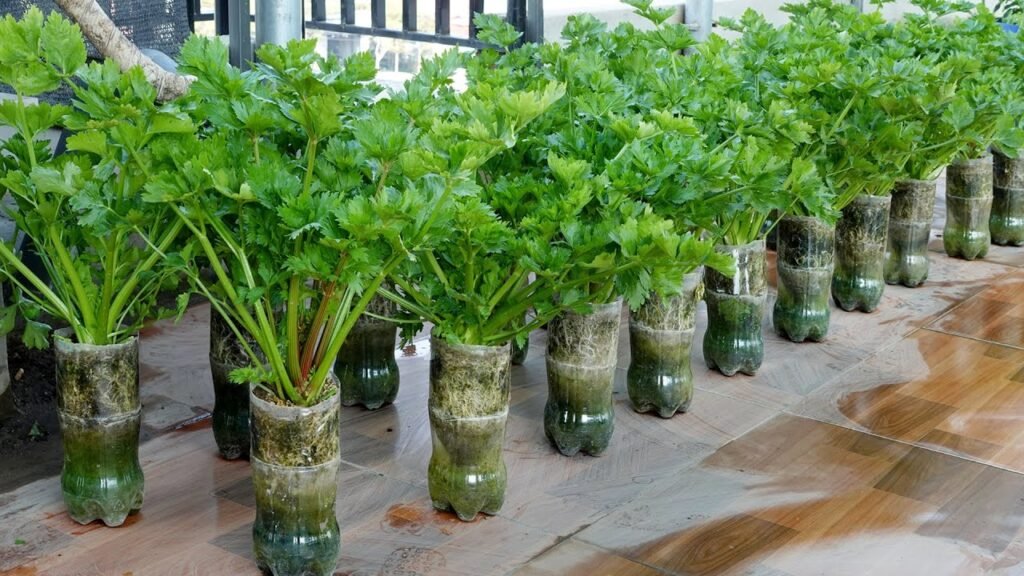
- Once seedlings have grown 2–3 inches tall, thin them to one plant every 3–4 inches.
- Gently snip weaker seedlings at soil level to avoid disturbing the roots of stronger plants.
- Proper spacing ensures long, healthy roots and prevents overcrowding.
Step 5: Ongoing Care
- Watering: Keep soil consistently moist, especially during dry periods. Parsnips are sensitive to drought, which can result in tough, woody roots.
- Weeding: Parsnip seedlings grow slowly at first, so keep the area free from weeds to reduce competition for nutrients and water.
- Mulching: Apply a light mulch to help retain soil moisture and regulate temperature.
- Fertilizing: Use a balanced liquid fertilizer or a low-nitrogen feed if the soil is poor. Too much nitrogen encourages leafy growth rather than root development.
Tips for Maximizing Parsnip Yield
- Deep, Loose Soil: Ensure soil is free from stones to allow straight, unbranched roots.
- Consistent Moisture: Avoid letting soil dry out, especially during germination and early growth.
- Succession Planting: Sow seeds every few weeks for a staggered harvest.
- Avoid Disturbing Roots: Minimize hoeing or digging near developing roots.
- Patience Pays Off: Parsnips are slow-growing and often sweeter after exposure to light frost.
Harvesting Parsnips
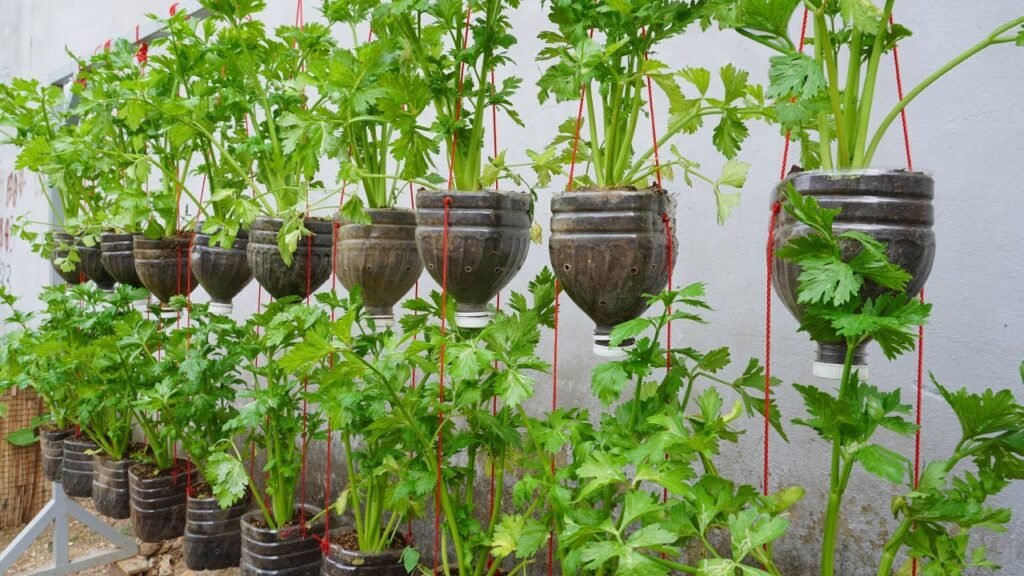
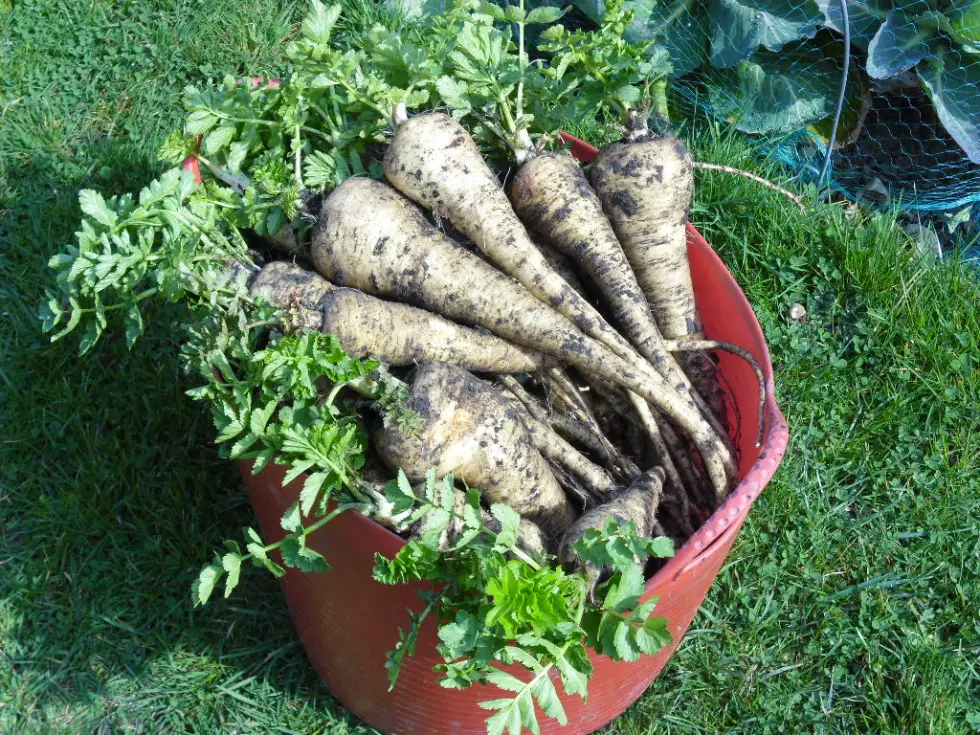
- Parsnips are typically ready to harvest 16–24 weeks after sowing, depending on variety and growing conditions.
- They can be left in the soil over winter, as frost enhances their sweetness.
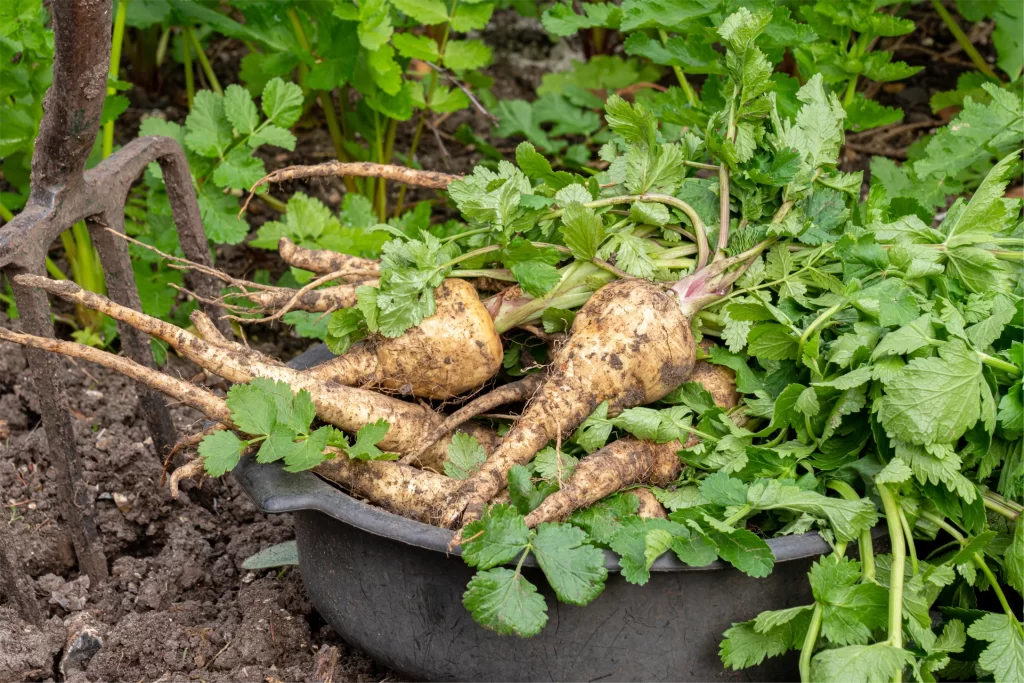
- Carefully loosen the soil around the base before pulling them up to avoid breaking the roots.
- Harvest continuously, selecting mature roots while leaving smaller ones to grow further.
Common Challenges and Solutions
- Forked or Deformed Roots: Caused by compacted soil or stones. Use deep, loose soil free from debris.
- Slow Germination: Parsnip seeds can be slow to sprout. Maintain consistent moisture and consider pre-soaking seeds for 24 hours.
- Pests: Carrot fly larvae may attack parsnips. Use fine mesh or fleece as a protective barrier.
- Weeds: Compete for nutrients and space. Regular hand-weeding is recommended.
- Diseases: Parsnips can be susceptible to blight or root rot. Ensure proper spacing, drainage, and crop rotation.
Benefits of Growing Parsnips in Your Kitchen Garden
- Fresh and Nutritious: Homegrown parsnips have superior flavor and higher nutrient content compared to store-bought options.
- Cost-Effective: Growing from seed is cheap and allows for large quantities.
- Sustainable Gardening: Growing your own reduces reliance on commercial farming and transport.
- Educational: Great for teaching children about growing food and understanding plant life cycles.
- Flavor Improvement: Parsnips left in the ground during frost develop a sweeter, richer taste.
Tips for Year-Round Parsnip Gardening
- Winter Cropping: Parsnips tolerate frost and can be harvested through winter.
- Container Gardening: Deep containers can be used for direct sowing if garden soil is unsuitable.
- Crop Rotation: Avoid planting parsnips in the same location year after year to reduce disease risk.
- Seed Saving: Collect seeds from healthy plants for the next season.
Conclusion
Sowing parsnips directly is a simple yet highly effective method for producing long, healthy roots in your kitchen garden. Vivi’s Kitchen Garden 10 demonstrates that with patience, proper soil preparation, and consistent care, even beginners can enjoy a bountiful parsnip harvest.
By following these steps—from preparing soil and sowing seeds to thinning seedlings and harvesting—you can cultivate nutritious, flavorful parsnips that enhance your meals and garden experience. Direct sowing preserves the taproot, ensures optimal growth, and delivers the sweet, earthy taste that parsnip lovers cherish.
Start sowing your parsnips today and experience the satisfaction of growing this versatile, winter-hardy vegetable straight from your kitchen garden!