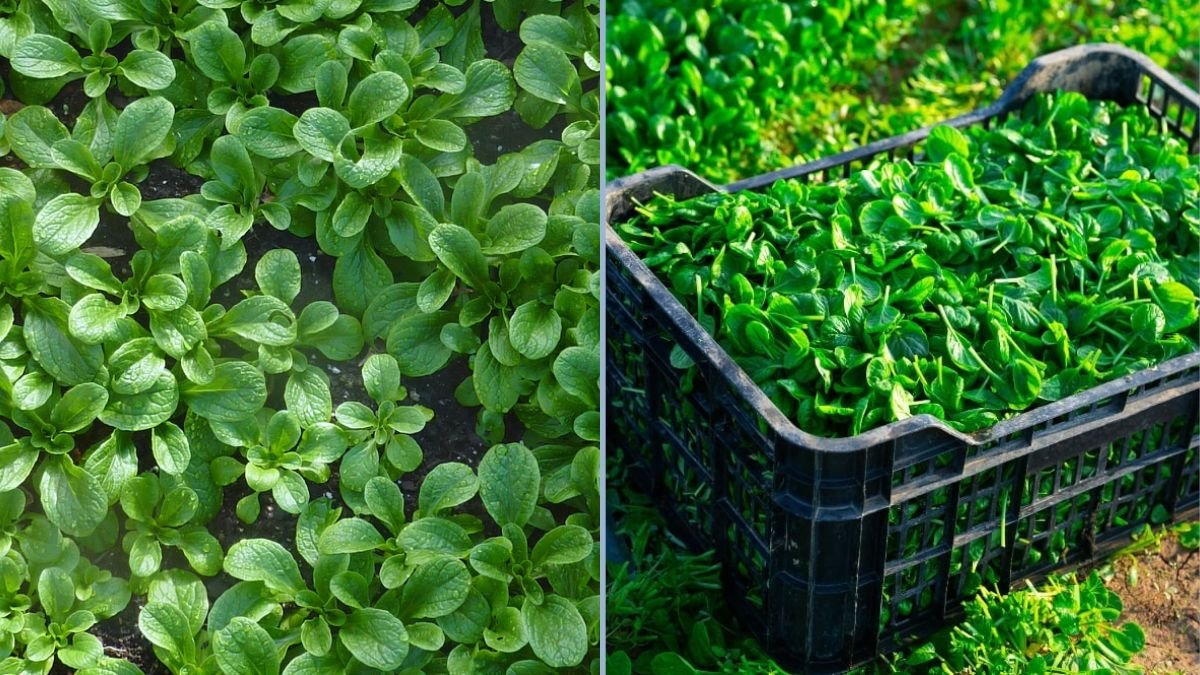
Lamb’s lettuce, also known as corn salad or mâche, is one of the most underrated leafy greens in home gardens and local markets. With its delicate, nutty flavor and tender texture, it is perfect for fresh salads, sandwiches, or even as a nutritious garnish. If you’ve ever wondered how to properly harvest lamb’s lettuce to enjoy it at its peak, this guide is for you. In this post, we’ll explore everything you need to know about harvesting, handling, and storing this versatile green.
What is Lamb’s Lettuce?
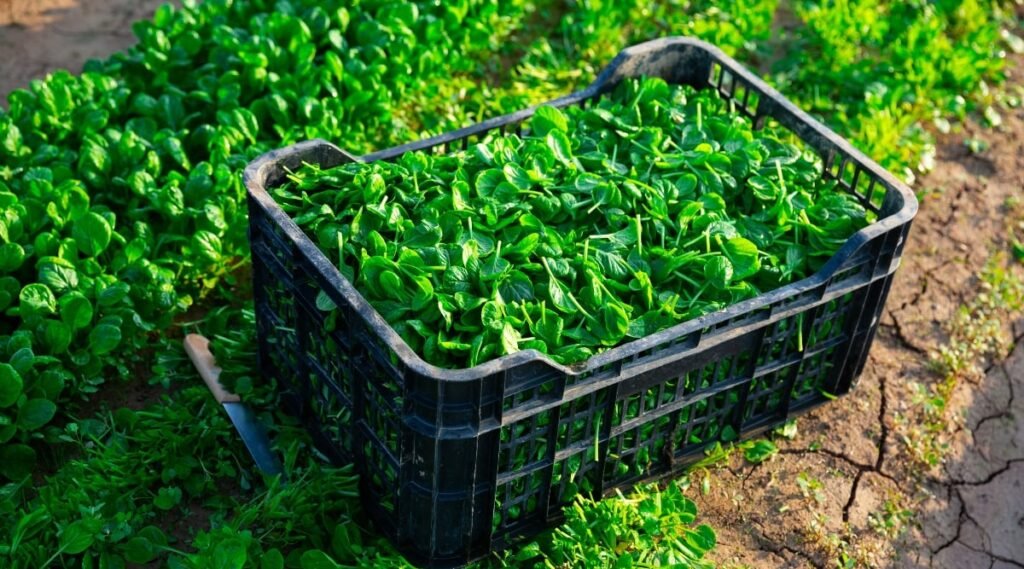
Lamb’s lettuce (Valerianella locusta), often referred to as corn salad or mâche, is a small, leafy green that grows in rosettes. It is native to Europe and thrives in cool weather, making it an ideal crop for spring and autumn gardens. Unlike traditional lettuce, lamb’s lettuce is tender, with spoon-shaped leaves that have a slightly nutty, mild flavor. Its compact size allows for easy planting in small garden plots, raised beds, or even containers.
One of the key benefits of lamb’s lettuce is its high nutritional content. It is packed with vitamin C, vitamin A, folate, and iron, making it an excellent addition to any diet. It’s also low in calories, making it ideal for those looking to boost their nutrition without adding extra calories.
When to Harvest Lamb’s Lettuce
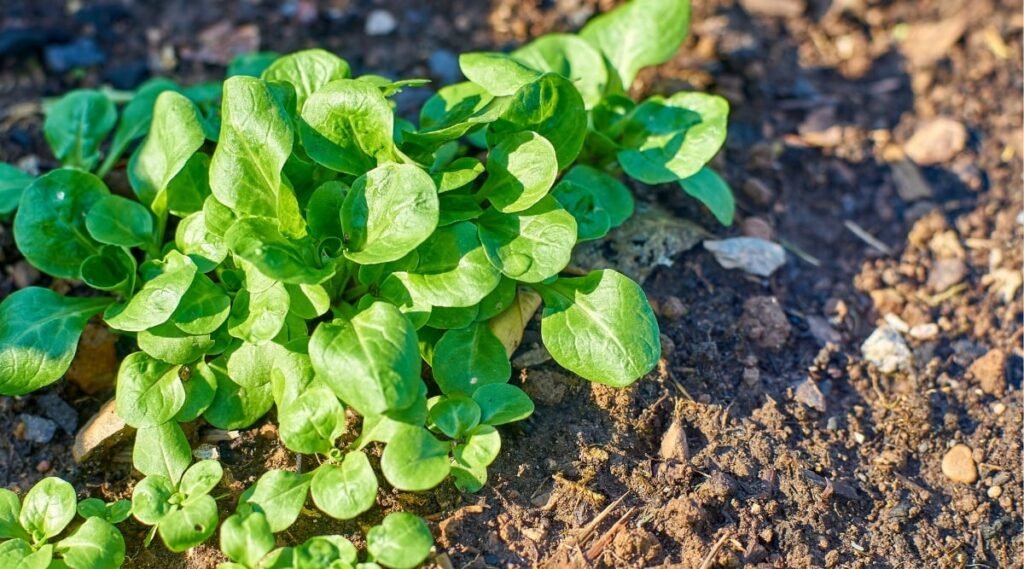
Timing is everything when it comes to harvesting lamb’s lettuce. Unlike some leafy greens that can become bitter if left too long, lamb’s lettuce has a delicate flavor that is best enjoyed when the leaves are young and tender.
The ideal time to harvest is when the leaves form a compact rosette, usually when they are around 2–4 inches long. At this stage, the leaves are tender, flavorful, and full of nutrients. Most gardeners find that lamb’s lettuce is ready to harvest approximately 8–10 weeks after sowing, though this can vary depending on growing conditions and variety.
It’s important to avoid harvesting too early, as the leaves may be too small to be worthwhile. Conversely, waiting too long can result in a tougher texture and a slightly bitter taste, especially if the plant begins to bolt (flower).
How to Harvest Lamb’s Lettuce
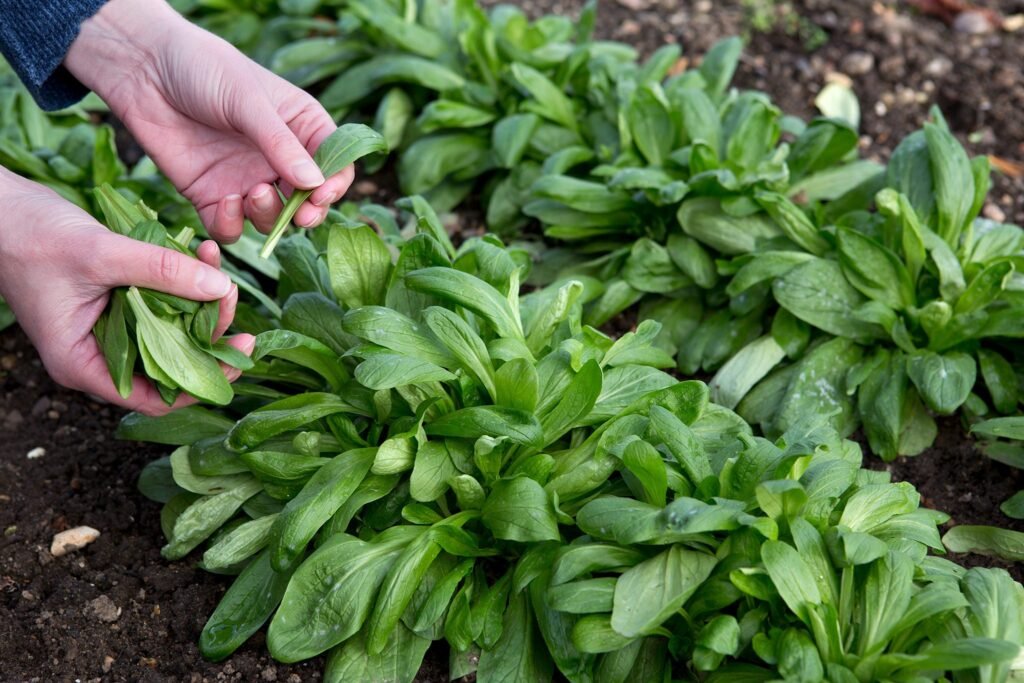
There are two main methods for harvesting lamb’s lettuce: cutting the whole rosette or harvesting leaves individually. Each method has its advantages, depending on how you plan to use the greens.
1. Cutting the Whole Rosette
Cutting the entire rosette is a quick and efficient method, especially if you plan to use the greens immediately or prepare a large batch for salads. To do this:
- Use a sharp knife or garden scissors.
- Cut the rosette at the base, just above the soil line.
- Gently shake off any excess soil.
- Wash the leaves thoroughly in cool water to remove dirt or small insects.
This method provides a clean harvest and encourages a tidy appearance in your garden. However, cutting the whole rosette may prevent the plant from producing additional leaves later in the season.
2. Harvesting Individual Leaves
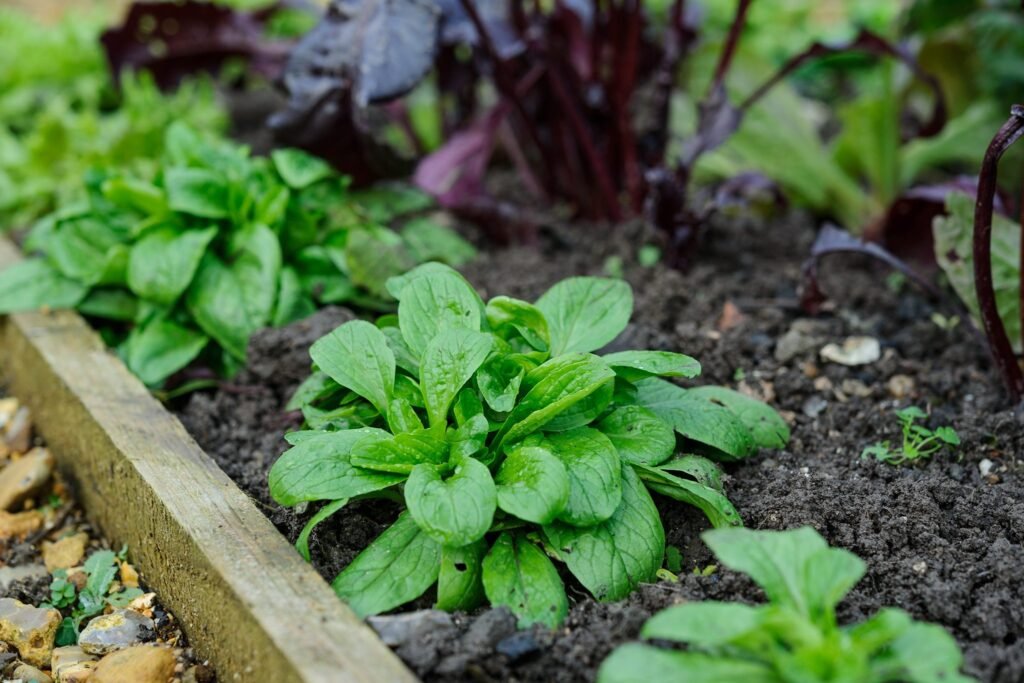
For a continuous supply of fresh greens, you can harvest individual leaves from each rosette. This method, known as “cut-and-come-again,” allows the plant to continue growing and producing new leaves over several weeks. Here’s how:
- Gently pinch or snip outer leaves from the base, leaving the inner rosette intact.
- Avoid pulling or damaging the central growing point, as this is where new leaves will emerge.
- Wash harvested leaves thoroughly before use.
By harvesting in this way, you can enjoy a steady supply of tender, nutritious greens throughout the season. This is particularly useful for home gardeners who want fresh salad leaves over several months.
Tips for Harvesting Lamb’s Lettuce
To get the most out of your lamb’s lettuce, consider these helpful tips:
- Harvest in the morning: Leaves tend to be crispest in the early morning when temperatures are cooler and moisture levels are higher.
- Handle gently: Lamb’s lettuce is delicate, so handle the leaves carefully to avoid bruising.
- Use sharp tools: Whether you’re cutting the rosette or snipping leaves, a sharp knife or scissors ensures a clean cut and reduces damage to the plant.
- Check for pests: Regularly inspect your leaves for small insects like aphids or slugs, which can damage tender greens.
Storing Lamb’s Lettuce
Once harvested, lamb’s lettuce is best enjoyed fresh, but proper storage can extend its shelf life for a few days.
- Refrigerate promptly: Place leaves in a plastic bag or container with a damp paper towel to maintain moisture.
- Avoid washing until ready to use: Excess moisture can promote wilting or spoilage. Wash leaves just before serving.
- Keep cool: Store in the vegetable crisper section of your fridge to maintain freshness.
When stored correctly, lamb’s lettuce can stay fresh for up to 3–5 days. For longer-term preservation, consider adding it to smoothies or lightly sautéing it before freezing, though the texture may change slightly.
Common Issues When Growing Lamb’s Lettuce
Although lamb’s lettuce is relatively easy to grow, gardeners may encounter a few challenges:
- Bolting: Warm temperatures or long days can cause the plant to flower prematurely, resulting in bitter leaves. Harvest promptly to avoid this.
- Pests: Slugs and aphids can be problematic. Use organic pest control methods or barriers to protect your crop.
- Poor germination: Ensure seeds are sown in cool, moist soil, as high temperatures can hinder germination.
Addressing these issues early ensures a healthy, productive crop that provides tender leaves for the entire growing season.
Culinary Uses for Lamb’s Lettuce
Lamb’s lettuce is incredibly versatile in the kitchen. Its tender texture and mild flavor make it perfect for a variety of dishes:
- Fresh salads: Combine with other greens, nuts, and a light vinaigrette for a refreshing salad.
- Sandwiches and wraps: Use as a delicate green layer in sandwiches or wraps.
- Smoothies: Add a handful to green smoothies for extra nutrients without overpowering flavor.
- Garnish: Sprinkle on soups or roasted dishes for a fresh, decorative touch.
Because of its subtle taste, lamb’s lettuce pairs well with strong flavors like citrus, nuts, goat cheese, or roasted vegetables, making it a staple for creative home cooking.
Final Thoughts
Harvesting lamb’s lettuce is a simple yet rewarding process. Whether you’re a seasoned gardener or just starting, understanding when and how to pick these delicate leaves ensures maximum flavor, nutrition, and enjoyment. By harvesting at the right time, handling the leaves gently, and storing them properly, you can make the most of this underrated green.
Lamb’s lettuce isn’t just another salad green—it’s a nutrient-packed, versatile ingredient that elevates everyday meals. By following these tips, you’ll enjoy fresh, tender leaves throughout the growing season, making every salad, sandwich, or smoothie more flavorful and nutritious.