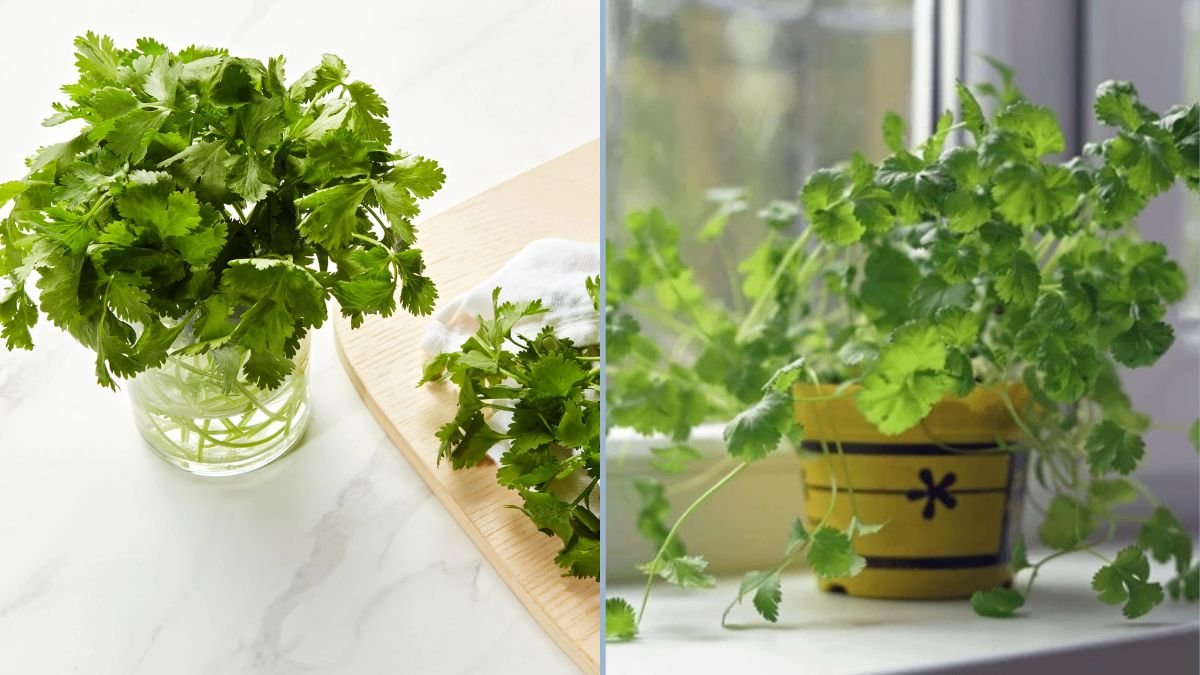
Growing fresh herbs at home has never been easier or more rewarding. Parsley, coriander, and cilantro are among the most popular culinary herbs, adding flavor, aroma, and nutrition to countless dishes. The great news is that you don’t need a backyard garden to enjoy fresh herbs year-round—container gardening allows you to grow these versatile plants on windowsills, balconies, or even kitchen counters. In this guide, we’ll explore how to successfully grow parsley, coriander, and cilantro in containers, providing step-by-step instructions, care tips, and tricks for maximum yield.
Why Grow Parsley, Coriander, and Cilantro at Home?
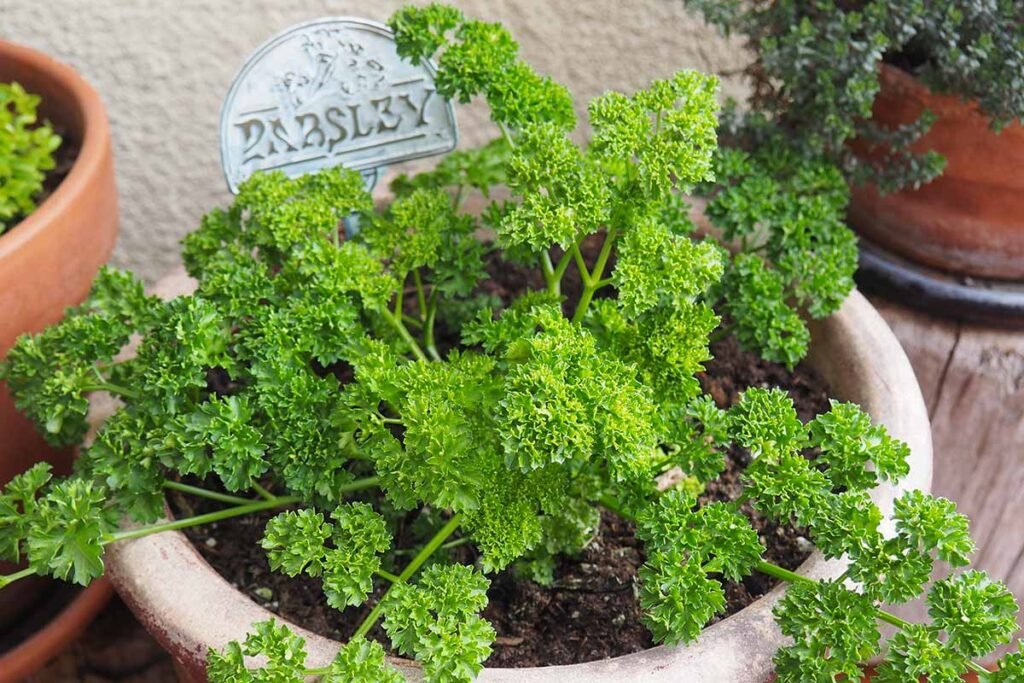
Growing your own herbs has numerous benefits:
- Freshness: Homegrown herbs have superior flavor and aroma compared to store-bought varieties.
- Cost-Effective: Growing your herbs saves money, especially if you use them regularly.
- Sustainability: Reduce plastic packaging waste by growing your herbs in reusable containers.
- Accessibility: Herbs are available on-demand for cooking, smoothies, and garnishes.
- Health Benefits: Parsley and cilantro are rich in vitamins, antioxidants, and minerals.
Parsley, coriander, and cilantro are closely related but have different growth habits and culinary uses. While coriander and cilantro refer to the same plant, cilantro typically describes the fresh leaves, and coriander is the seed used as a spice. Parsley, on the other hand, is mild and versatile, often used fresh or dried.
Materials You’ll Need
To grow these herbs successfully in containers, gather the following materials:
- Fresh parsley, coriander, or cilantro seeds (or seedlings)
- Containers: pots, recycled bottles, or small planters
- High-quality potting soil or compost
- Watering can or spray bottle
- Small stones or gravel for drainage (optional)
- Fertilizer (organic preferred)
Using containers for gardening allows flexibility—you can move plants to follow the sun or adjust conditions depending on seasonal changes.
Step 1: Choose the Right Container
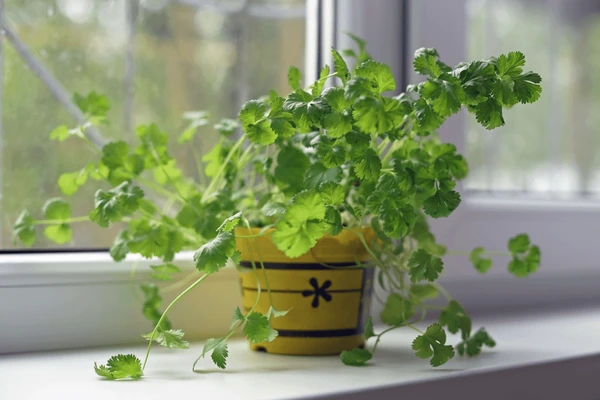
Container selection is critical for healthy growth. Here’s what to keep in mind:
- Size: Parsley and cilantro have moderate root systems. Use containers at least 6–8 inches deep and 8–12 inches in diameter.
- Drainage: Ensure containers have drainage holes to prevent waterlogging and root rot.
- Material: Plastic, ceramic, or terracotta containers all work. Terracotta provides good aeration, while plastic retains moisture longer.
You can also get creative by repurposing containers like jars, small buckets, or recycled bottles. Adding a layer of pebbles at the bottom enhances drainage and prevents roots from sitting in water.
Step 2: Select Seeds or Seedlings
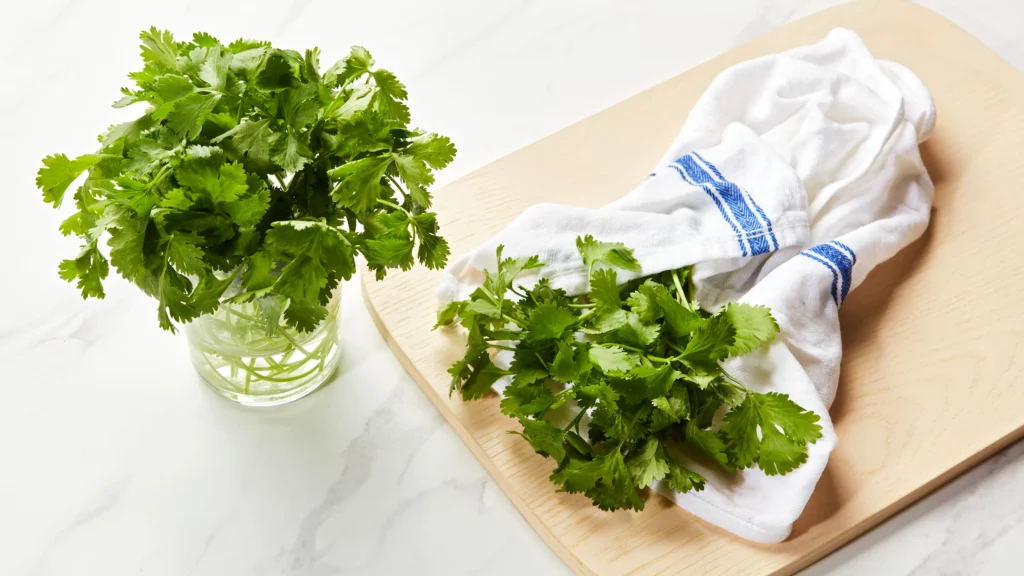
You can start your herbs from seeds or young plants purchased from a nursery.
Seeds:
- Parsley seeds take longer to germinate, usually 2–3 weeks. Soaking seeds overnight in warm water can speed up germination.
- Cilantro/coriander seeds usually germinate within 7–10 days.
Seedlings:
- Starting with seedlings is faster but may cost slightly more. Ensure they are healthy, with no yellowing leaves or weak stems.
Choose fresh, organic seeds for better germination rates and stronger plants.
Step 3: Prepare the Soil
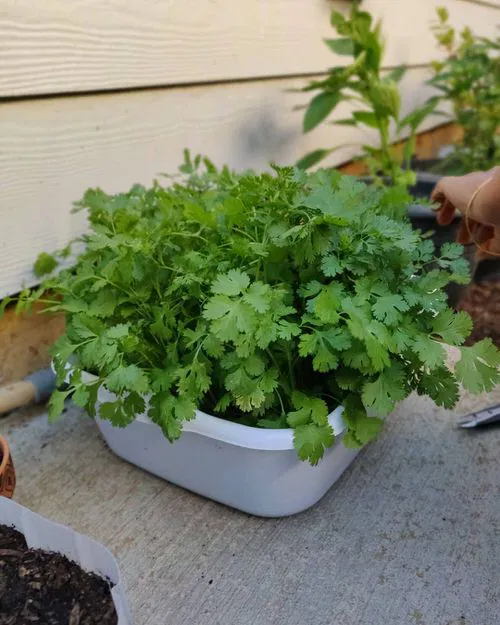
The right soil is essential for container-grown herbs:
- Use a light, well-draining potting mix. You can mix compost, peat moss, and perlite in equal parts.
- Herbs thrive in slightly acidic to neutral soil (pH 6–7).
- Fill your containers with soil, leaving 1–2 inches from the top to allow room for watering.
Adding organic compost provides nutrients and improves soil structure, giving herbs a healthy start.
Step 4: Planting Your Herbs
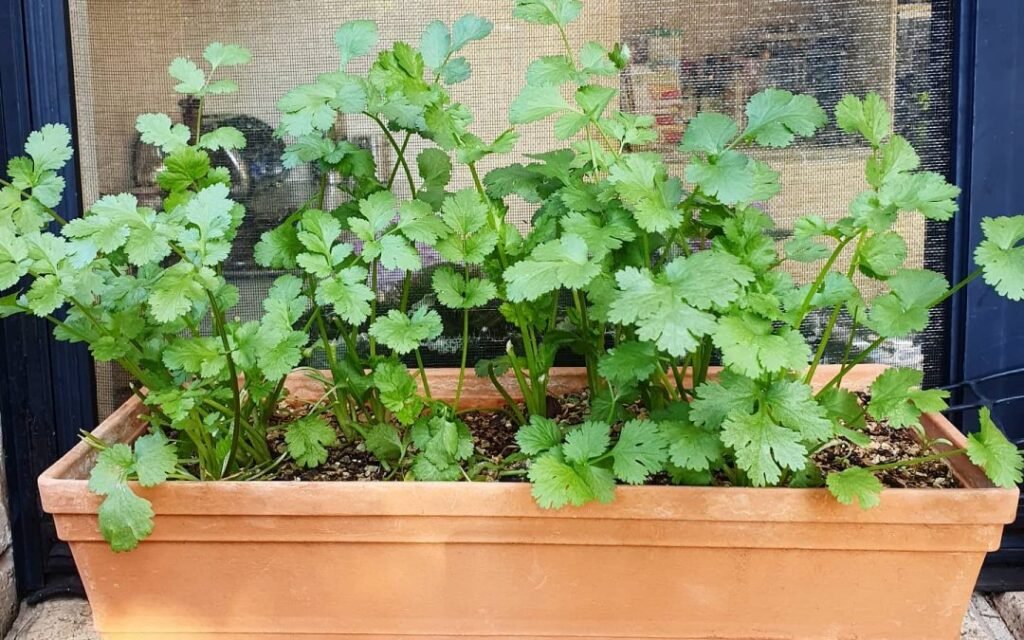
Parsley:
- Sow seeds ¼ inch deep.
- If planting seedlings, gently remove from nursery trays and plant at the same depth as they were in the tray.
- Space plants 6–8 inches apart.
Coriander/Cilantro:
- Sow seeds ¼–½ inch deep.
- If planting seedlings, follow the same spacing.
- Keep in mind cilantro has a shorter growing season and prefers cooler temperatures.
Water gently after planting to settle the soil around the roots. Avoid washing away seeds or compacting the soil.
Step 5: Watering and Sunlight
Proper watering is crucial for container-grown herbs:
- Keep the soil consistently moist but not soggy. Overwatering can lead to root rot.
- Use a spray bottle to lightly mist leaves if the air is dry.
- Container herbs usually require 4–6 hours of sunlight daily.
- If indoors, place containers near a south-facing window or use grow lights.
Parsley tolerates partial shade, making it ideal for indoor containers. Cilantro prefers full sun but can handle partial shade in warmer climates.
Step 6: Fertilizing Your Herbs
Container herbs rely on soil nutrients, so occasional fertilization is beneficial:
- Use organic liquid fertilizer every 3–4 weeks.
- Avoid over-fertilizing; excess nitrogen can cause lush leaves but weaker flavor.
- Incorporate compost or worm castings into the soil for slow-release nutrients.
Balanced nutrition ensures robust leaves, stronger stems, and prolonged harvest periods.
Step 7: Maintenance and Care
Container-grown herbs require ongoing care:
- Pruning: Regularly trim leaves to encourage bushy growth. Avoid cutting more than one-third of the plant at a time.
- Pests: Watch for aphids or fungal issues. Natural remedies like neem oil or soap water spray are effective.
- Rotation: Rotate containers occasionally for even sunlight exposure.
Cilantro has a tendency to bolt (flower) in hot weather. Pinch off flower buds to extend leaf production. Parsley, being biennial, will last longer in containers.
Step 8: Harvesting Your Herbs
Knowing when and how to harvest ensures continuous growth:
- Parsley: Harvest outer leaves as needed. Cut at the base of the stem to encourage new growth.
- Cilantro/Coriander: Harvest leaves before the plant bolts. Seeds can be harvested once flowers develop if you want coriander seeds.
Regular harvesting encourages the plant to produce more leaves, giving you a steady supply for months.
Benefits of Container Herb Gardening
- Space Efficiency: Perfect for apartments, balconies, or kitchens.
- Fresh Herbs Anytime: Always have fresh parsley, cilantro, or coriander for cooking.
- Eco-Friendly: Reduces reliance on store-bought herbs packaged in plastic.
- Stress-Relief: Gardening, even in containers, has therapeutic benefits.
- Educational: Great for teaching children about plant growth and sustainability.
Container gardening proves that you don’t need a traditional garden to enjoy the benefits of homegrown herbs.
Troubleshooting Common Issues
- Yellowing leaves: Often caused by overwatering, nutrient deficiency, or insufficient sunlight.
- Leggy plants: Not enough sunlight; rotate containers or add grow lights.
- Poor germination: Use fresh seeds, pre-soak, and ensure soil stays moist.
Addressing these issues early ensures healthy, productive plants and reduces the risk of pests or diseases.
Conclusion
Growing parsley, coriander, and cilantro in containers is a practical, rewarding way to enjoy fresh herbs year-round. With minimal space, a few seeds or seedlings, and basic container gardening techniques, you can create a lush, productive herb garden on your windowsill or balcony.
The process teaches patience, care, and sustainability while providing delicious, aromatic herbs for your cooking. By following these steps—choosing the right container, preparing soil, planting carefully, providing sunlight and water, and practicing regular maintenance—you’ll enjoy a continuous supply of fresh herbs and transform your kitchen into a thriving green space.
Start today, and in just a few weeks, you’ll be snipping fresh parsley, coriander, and cilantro straight from your containers—bringing unmatched flavor and nutrition to your meals. Container gardening isn’t just a hobby; it’s a lifestyle that combines health, sustainability, and the joy of growing your own food.