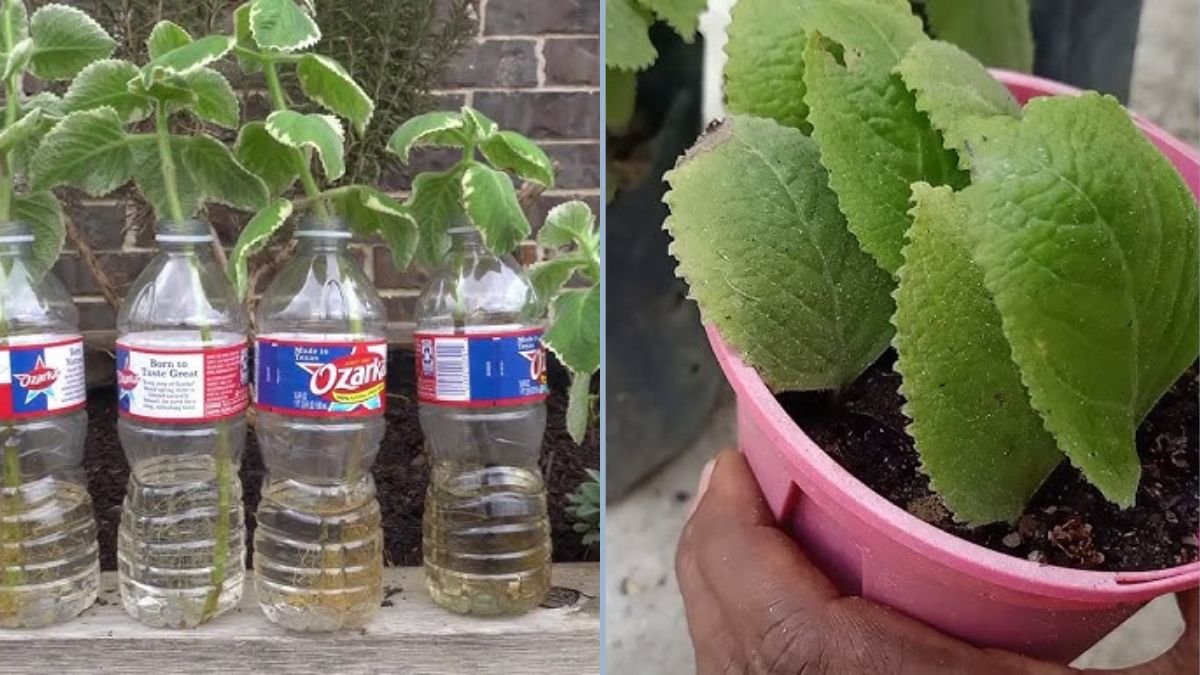
Cuban oregano, also known as Plectranthus amboinicus, is a hardy, aromatic herb with thick, succulent leaves that are widely used in cooking and traditional remedies. Known for its strong flavor and medicinal properties, Cuban oregano is an excellent addition to any kitchen garden. The best part? You can propagate it easily from stem cuttings and grow it sustainably using recycled plastic bottles. This method is not only eco-friendly but also perfect for small spaces like balconies, windowsills, or indoor gardens. In this guide, we’ll explore step-by-step instructions for propagating Cuban oregano, planting it in recycled bottles, and caring for it to ensure healthy, thriving plants.
Why Grow Cuban Oregano at Home?
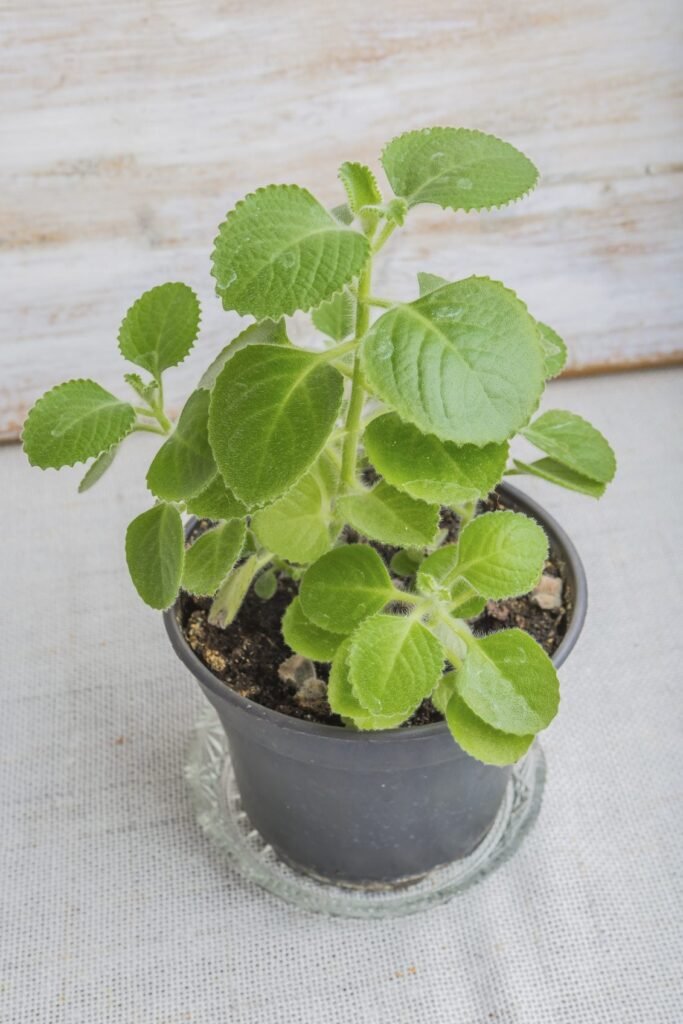
There are several reasons why Cuban oregano is a must-have herb:
- Freshness: Homegrown Cuban oregano offers a stronger aroma and flavor than store-bought leaves.
- Medicinal Benefits: It’s used in herbal remedies for coughs, colds, digestive issues, and skin conditions.
- Cost-Effective: Buying this herb regularly can be expensive; propagating it yourself saves money.
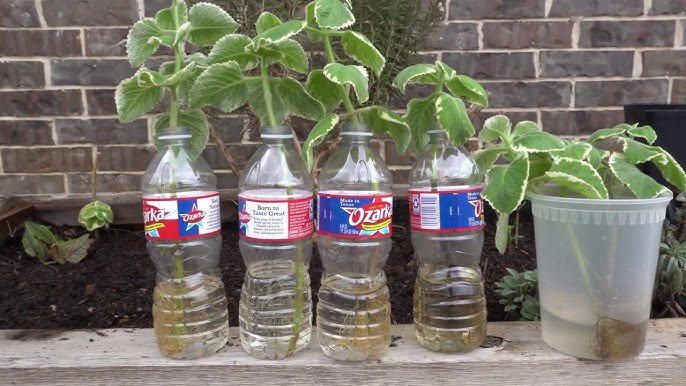
- Eco-Friendly: Using recycled plastic bottles reduces waste and promotes sustainable gardening.
- Low Maintenance: Cuban oregano is hardy and drought-tolerant, making it suitable for beginners.
This plant is perfect for gardeners of all skill levels, especially those with limited space who want a practical and fragrant herb garden.
Materials You’ll Need
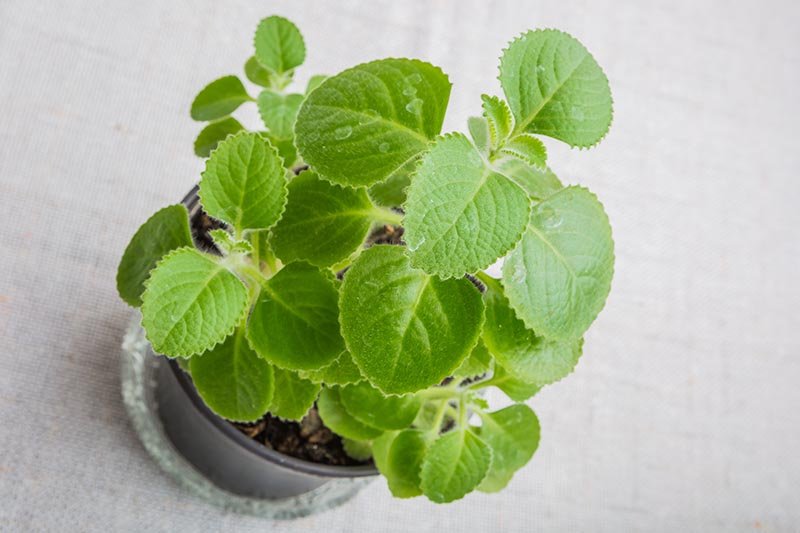
To propagate and grow Cuban oregano in recycled plastic bottles, gather the following materials:
- Recycled plastic bottles (1–2 liters work best)
- Healthy Cuban oregano stem cuttings
- Potting soil or well-draining compost
- Scissors or craft knife
- Watering can or spray bottle
- Small stones or gravel (optional for drainage)
- String or twine for hanging (optional)
Recycling plastic bottles not only reduces waste but also creates a functional and budget-friendly planter for your herb garden.
Step 1: Prepare the Plastic Bottle
Proper preparation is essential for Cuban oregano to thrive:
- Wash the bottle thoroughly to remove any dirt or residue.
- Cut the bottle horizontally or create a side opening for planting.
- Ensure proper drainage by making several small holes at the bottom.
- Optionally, add a layer of small stones or gravel at the bottom to improve drainage and prevent waterlogging.
Smoothing the edges of the bottle ensures safety while planting and prevents damage to the plant roots. A well-prepared container is the first step toward successful propagation.
Step 2: Select and Prepare Stem Cuttings
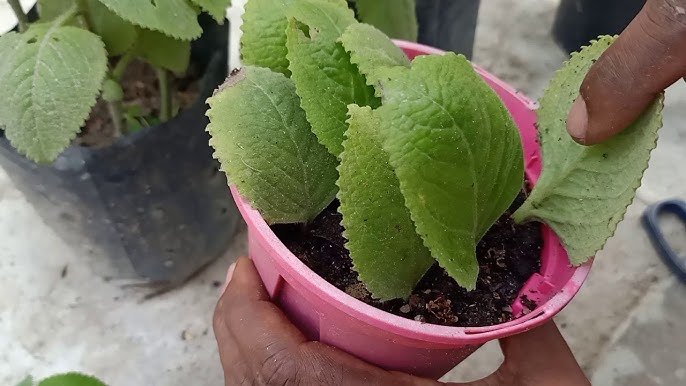
Cuban oregano propagates easily through stem cuttings, which is both fast and reliable:
- Choose healthy stems about 4–6 inches long with several leaf nodes.
- Remove the lower leaves, leaving 2–3 sets of leaves at the top.
- Optional: Dip the cut end in rooting hormone to encourage faster root growth.
- Place the cutting in a glass of water for 1–2 weeks until roots start developing.
Using strong, healthy cuttings increases your chances of successful propagation and ensures robust plants.
Step 3: Prepare the Soil
Cuban oregano prefers well-draining soil to prevent root rot:
- Use a mix of potting soil and sand or perlite to enhance drainage.
- Fill your prepared plastic bottle with soil, leaving 1–2 inches from the top for watering.
- Slightly compress the soil to provide stability but avoid compacting it completely.
Well-draining soil is crucial, as Cuban oregano is prone to root rot if left in soggy conditions. Adding sand or perlite ensures excess water drains quickly, keeping roots healthy.
Step 4: Plant the Stem Cuttings
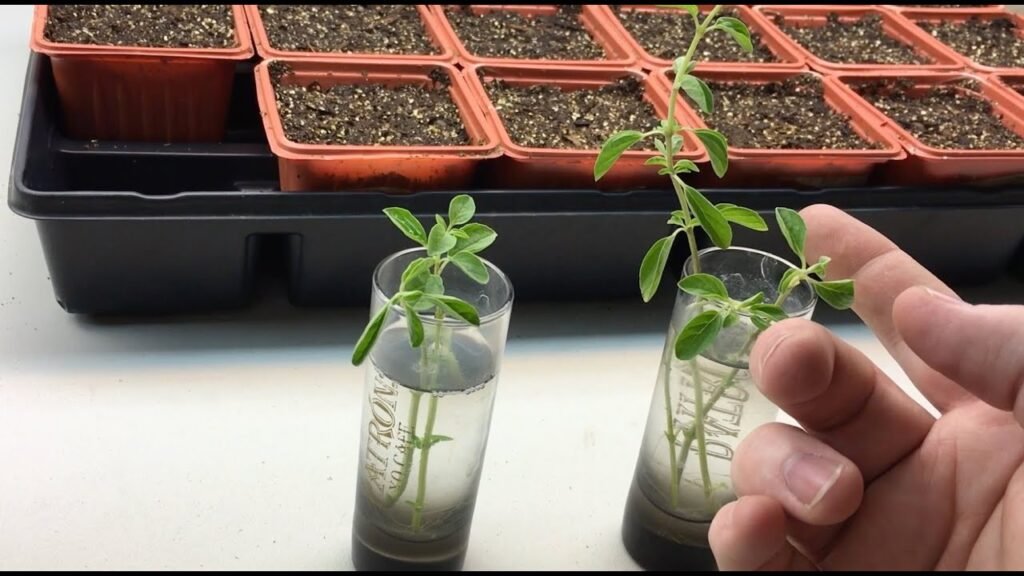
Once the cuttings have developed roots, they’re ready to be planted in the bottle:
- Dig a small hole in the soil large enough to accommodate the roots.
- Place the rooted cutting in the hole, ensuring the base is covered and the leaves remain above soil level.
- Firm the soil gently around the stem to provide stability.
- Water lightly to settle the soil.
Space multiple cuttings at least 6–8 inches apart if planting more than one in a bottle to allow for proper airflow and growth.
Step 5: Choose the Right Location
Cuban oregano thrives in bright, indirect sunlight:
- Place your bottle on a balcony, terrace, or windowsill that receives 4–6 hours of sunlight daily.
- If indoors, use grow lights or place near a sunny window to ensure adequate light.
- Avoid harsh afternoon sun in extremely hot climates, which may scorch the leaves.
Hanging bottles vertically is optional and helps save space while providing better air circulation for healthy plant growth.
Step 6: Watering and Care
Cuban oregano is drought-tolerant but requires occasional watering to thrive:
- Water moderately, allowing the top inch of soil to dry between watering sessions.
- Avoid overwatering, which can lead to root rot.
- Spray leaves occasionally to maintain humidity, especially in dry indoor conditions.
- Rotate the bottle periodically for even sunlight exposure.
Regular monitoring ensures your plant grows strong and remains healthy over time.
Step 7: Fertilizing Cuban Oregano
While Cuban oregano is not a heavy feeder, occasional fertilization supports healthy growth:
- Use organic liquid fertilizer or compost tea every 4–6 weeks.
- Avoid excessive nitrogen, as it may make the leaves soft and less flavorful.
- Incorporate slow-release organic fertilizer into the soil when planting for sustained nutrition.
Proper nutrition helps the plant produce lush, aromatic leaves for cooking and medicinal use.
Step 8: Pruning and Maintenance
Pruning encourages bushier growth and prolongs the plant’s productivity:
- Snip the tips of the stems regularly to encourage branching and denser foliage.
- Remove any yellowing or damaged leaves promptly.
- If the plant flowers, pinch off the flower buds to maintain leaf production and flavor.
- Keep an eye out for pests such as aphids and treat naturally using neem oil or mild soapy water.
Consistent maintenance ensures your Cuban oregano remains vigorous and productive throughout the year.
Step 9: Harvesting Cuban Oregano
Cuban oregano can be harvested once the plant is well-established:
- Snip leaves as needed, preferably in the morning when essential oils are at their peak.
- Harvest outer leaves first to encourage new growth from the center.
- Regular harvesting stimulates the plant to produce more leaves and prevents it from becoming leggy.
The leaves can be used fresh or dried for later use in cooking, teas, and herbal remedies.
Benefits of Growing Cuban Oregano in Recycled Plastic Bottles
- Eco-Friendly: Repurposes plastic bottles, reducing environmental waste.
- Space-Saving: Perfect for small apartments, balconies, or indoor gardens.
- Continuous Supply: Frequent harvesting provides fresh leaves year-round.
- Cost-Effective: Reduces the need to purchase fresh herbs repeatedly.
- Decorative: Adds greenery and fragrance to your living space.
Using recycled bottles combines sustainability with practicality, making your herb garden both functional and visually appealing.
Troubleshooting Common Problems
- Yellow Leaves: Often caused by overwatering, poor drainage, or insufficient sunlight.
- Slow Growth: Ensure adequate light and proper soil drainage.
- Leggy Stems: Occur due to low light; rotate the bottle or provide supplemental lighting.
- Pests: Aphids, mealybugs, or spider mites can attack leaves; treat with neem oil or mild soapy water.
- Flowering: Remove flowers promptly to maintain leaf production.
Addressing these issues promptly ensures a healthy, productive Cuban oregano plant.
Conclusion
Propagating and growing Cuban oregano in recycled plastic bottles is an easy, eco-friendly, and rewarding gardening project. This method allows you to enjoy fresh, aromatic leaves for cooking, herbal remedies, and decoration without needing a traditional garden. By preparing the bottle properly, planting rooted cuttings, providing sunlight, watering consistently, fertilizing occasionally, and maintaining the plant, you can cultivate a thriving Cuban oregano garden in small spaces.
Not only does this method provide fresh herbs, but it also promotes sustainable gardening by repurposing plastic bottles, reducing waste, and making your home greener. Whether you are a beginner gardener or an experienced enthusiast, Cuban oregano is an ideal herb to grow using recycled materials.
Start today, and in a few weeks, you’ll be harvesting fresh Cuban oregano leaves straight from your recycled plastic bottle garden—adding flavor, fragrance, and health benefits to your meals while contributing to a more sustainable lifestyle.