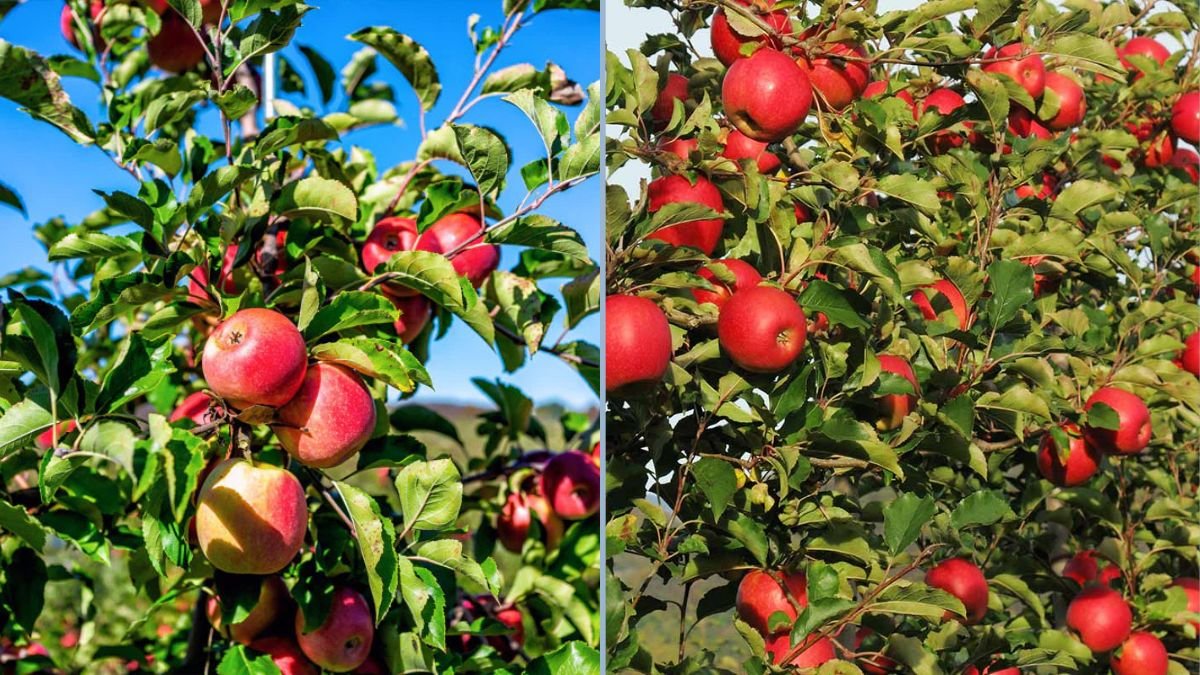
Creating a backyard orchard is a dream for many home gardeners, and planting a Pink Lady apple tree can bring that dream to life. Known for its crisp texture, sweet-tart flavor, and beautiful pink-red skin, the Pink Lady apple is perfect for fresh eating, baking, and even juicing. With the right care, a backyard Pink Lady tree can thrive and produce a bountiful harvest year after year.
In this comprehensive guide, we’ll explore everything you need to know about planting, caring for, and harvesting a Pink Lady apple tree in your backyard orchard, so you can enjoy delicious, homegrown apples right outside your door.
Why Choose a Pink Lady Apple Tree for Your Backyard Orchard?

Pink Lady apples, also known as Cripps Pink, are a favorite among gardeners for several reasons:
- Exceptional Flavor: Sweet-tart balance with firm, crisp flesh.
- Versatility: Ideal for fresh eating, pies, salads, and cider.
- Long Storage Life: Stores well in cool conditions, improving flavor over time.
- Aesthetic Appeal: Bright pink and red skin adds visual interest to your backyard.
- Reliable Production: Hardy trees yield consistently with proper care.
By planting a Pink Lady apple tree in your backyard orchard, you not only gain access to fresh, high-quality apples but also enhance your garden’s beauty and create a productive, educational, and enjoyable gardening experience.
Selecting the Right Pink Lady Apple Tree
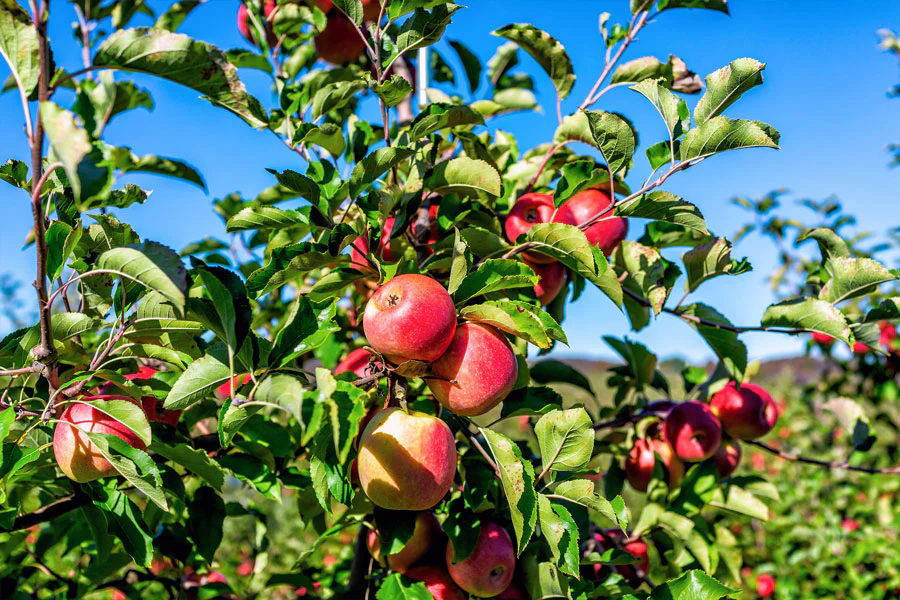
Choosing a healthy tree is the first step toward a successful backyard orchard.
1. Tree Type
- Bare-Root Trees: Sold during dormancy (late winter to early spring), affordable, and establish well when planted in spring.
- Container-Grown Trees: Available year-round, easier to plant, and reduce transplant shock.
2. Rootstock
The rootstock determines the tree’s size, growth rate, and adaptability:
- Dwarf Rootstock: 8–10 feet tall; perfect for small orchards or container planting.
- Semi-Dwarf Rootstock: 12–15 feet tall; suitable for medium-sized backyard orchards.
- Standard Rootstock: 18–25 feet tall; ideal for larger spaces and maximum fruit production.
3. Pollination
Pink Lady apple trees are not fully self-fertile, meaning they need a compatible apple variety nearby for cross-pollination. Good pollinators include Gala, Fuji, or Honeycrisp. Bees play a crucial role in transferring pollen to ensure fruit development.
Choosing the Ideal Planting Site
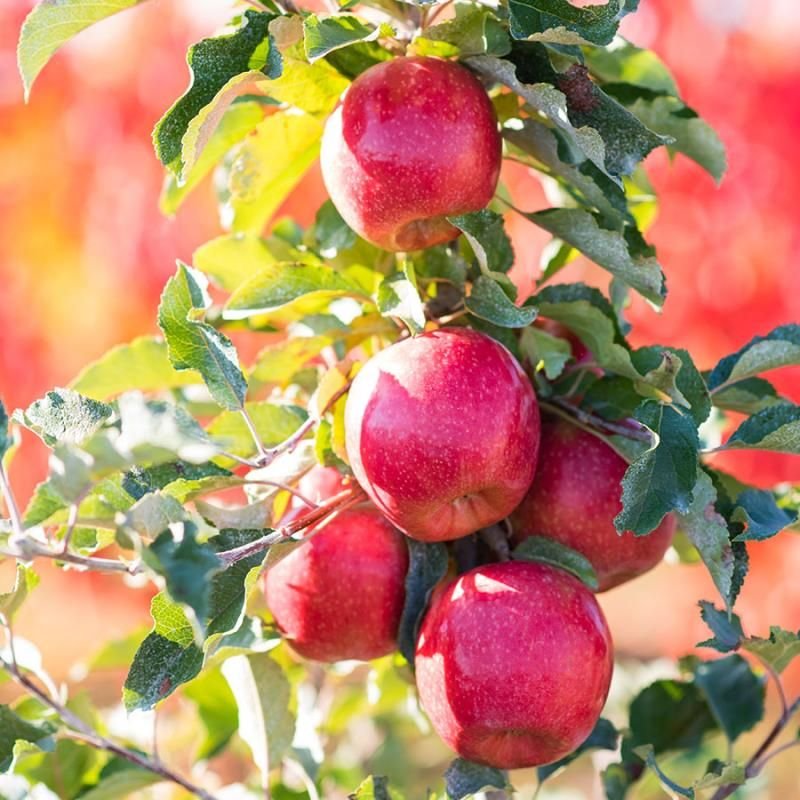
The right site ensures your Pink Lady apple tree thrives.
1. Sunlight
- Requires 6–8 hours of direct sunlight daily.
- Adequate sunlight promotes sweetness, color development, and overall tree health.
2. Soil
- Well-draining, loamy soil is ideal.
- Soil pH: 6.0–7.0.
- Enhance fertility by mixing in compost or well-rotted manure prior to planting.
3. Air Circulation
- Open areas reduce the risk of fungal diseases like apple scab and powdery mildew.
- Avoid low-lying areas prone to frost or standing water, which can harm roots and young growth.
4. Spacing
- Standard trees: 18–25 feet apart
- Semi-dwarf: 12–15 feet apart
- Dwarf: 8–10 feet apart
Proper spacing ensures sunlight reaches all branches, promotes airflow, and simplifies pruning and harvesting.
Planting Your Pink Lady Apple Tree
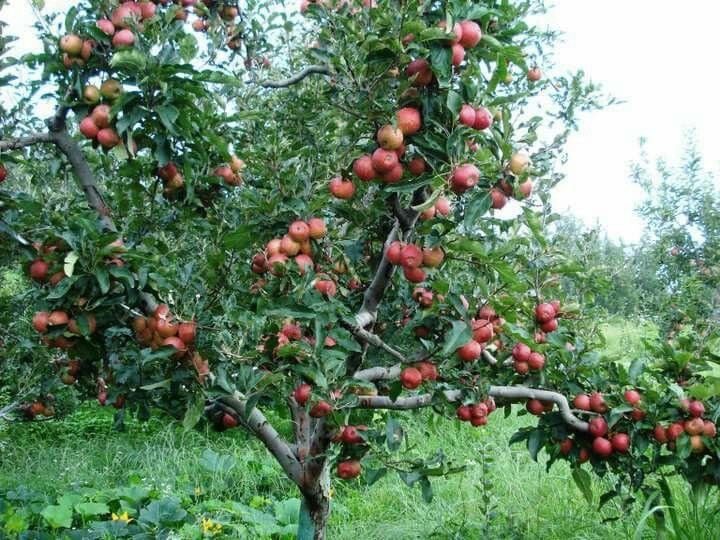
Proper planting is critical to establishing a strong, healthy tree.
Step 1: Prepare the Planting Hole
- Dig a hole twice the width of the root ball and slightly deeper than the roots.
- Loosen the soil at the bottom to encourage root expansion.
Step 2: Position the Tree
- Place the tree in the hole with the graft union a few inches above soil level.
- Spread roots evenly and backfill with a mixture of native soil and compost.
- Firm the soil gently to remove air pockets.
Step 3: Watering and Mulching
- Water thoroughly to settle the soil.
- Apply a 2–3 inch layer of mulch around the base to retain moisture and suppress weeds.
- Keep mulch a few inches away from the trunk to prevent rot and pest issues.
Step 4: Staking
- Young trees may need staking for stability, especially in windy areas.
- Remove stakes after one growing season when the trunk is strong.
Caring for Your Pink Lady Apple Tree
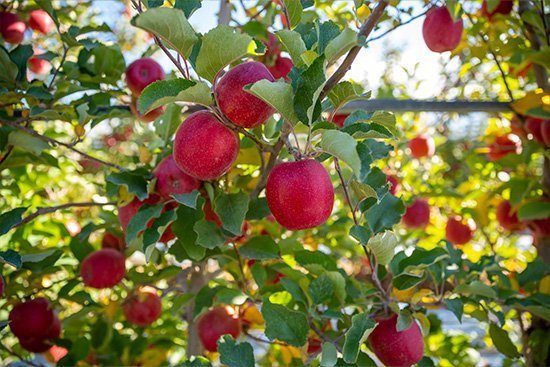
Caring for your tree ensures healthy growth and abundant fruit production.
1. Watering
- Young trees: Water 2–3 times per week to establish roots.
- Mature trees: Deep watering once a week, more often during hot, dry periods.
- Mulching helps maintain soil moisture and temperature.
2. Fertilizing
- First-year trees: Light fertilization to promote root development.
- Second year onward: Apply balanced fertilizer (10–10–10 NPK) in early spring.
- Avoid excess nitrogen, which encourages leaf growth over fruiting.
3. Pruning
Pruning maintains tree structure, encourages fruiting, and improves airflow.
Dormant Pruning
- Conduct in late winter before buds break.
- Remove dead, damaged, or crossing branches.
- Maintain a central leader or open-center structure.
Summer Pruning
- Optional light pruning removes vigorous shoots.
- Helps direct energy toward fruiting branches and enhances sunlight exposure.
Pollination and Flowering
- Pink Lady apple trees produce white to light pink blossoms in spring.
- Plant a compatible apple variety nearby for effective cross-pollination.
- Bees are essential for fruit development, so avoid pesticides during bloom.
Pest and Disease Management
Even a backyard orchard requires attention to pests and diseases.
Common Pests
- Aphids
- Codling moth
- Spider mites
Common Diseases
- Apple scab
- Powdery mildew
- Fire blight
Preventive Measures:
- Prune for proper airflow and sunlight penetration.
- Remove fallen leaves and fruit to reduce fungal buildup.
- Apply organic sprays like neem oil or horticultural soap when needed.
Thinning Fruit for Better Quality
- Thin fruit clusters to 1–2 apples per cluster.
- Prevents branch stress and ensures larger, sweeter fruit.
- Sunlight can reach all fruit, resulting in uniform ripening.
Harvesting Pink Lady Apples
- Typically ready for harvest in late October to early November, depending on local climate.
- Signs of ripeness:
- Firm texture
- Pink-red coloration with a slight blush
- Sweet-tart aroma
- Easy detachment from the branch
- Harvest carefully using scissors or by gently twisting the fruit.
- Pink Lady apples are excellent for fresh eating, baking, and long-term storage, as flavor improves over time.
Container Growing in a Backyard Orchard
- Dwarf or semi-dwarf Pink Lady trees thrive in large containers, ideal for patios or small gardens.
- Use pots 18–24 inches in diameter with drainage holes.
- Fill with nutrient-rich soil mixed with compost and perlite.
- Water regularly, as containers dry out faster than in-ground trees.
- Prune to maintain size and encourage flowering and fruiting.
Container planting allows even small spaces to enjoy productive apple trees.
Additional Tips for a Thriving Backyard Orchard
- Monitor Growth: Check for pests, diseases, and nutrient deficiencies regularly.
- Mulch Annually: Helps retain moisture and regulate soil temperature.
- Support Young Trees: Stake for stability.
- Patience is Key: Apple trees may take 2–4 years to produce fruit.
- Enjoy the Process: Gardening is about nurturing growth and observing progress. A backyard orchard provides beauty, fresh fruit, and satisfaction.
Conclusion
Planting a Pink Lady apple tree in your backyard orchard is a rewarding and practical choice. With proper site selection, planting techniques, and consistent care—including watering, fertilization, pruning, and pest management—you can grow a healthy, productive tree that produces delicious, crisp apples year after year.
Even a small backyard can host a thriving Pink Lady apple tree. With patience, dedication, and attention, your orchard will provide sweet, fresh apples, perfect for eating, baking, or preserving, while adding beauty and life to your garden.
A backyard orchard is more than just fruit—it’s a source of pride, learning, and enjoyment for you and your family. By planting a Pink Lady apple tree, you’re investing in years of delicious harvests and gardening satisfaction.