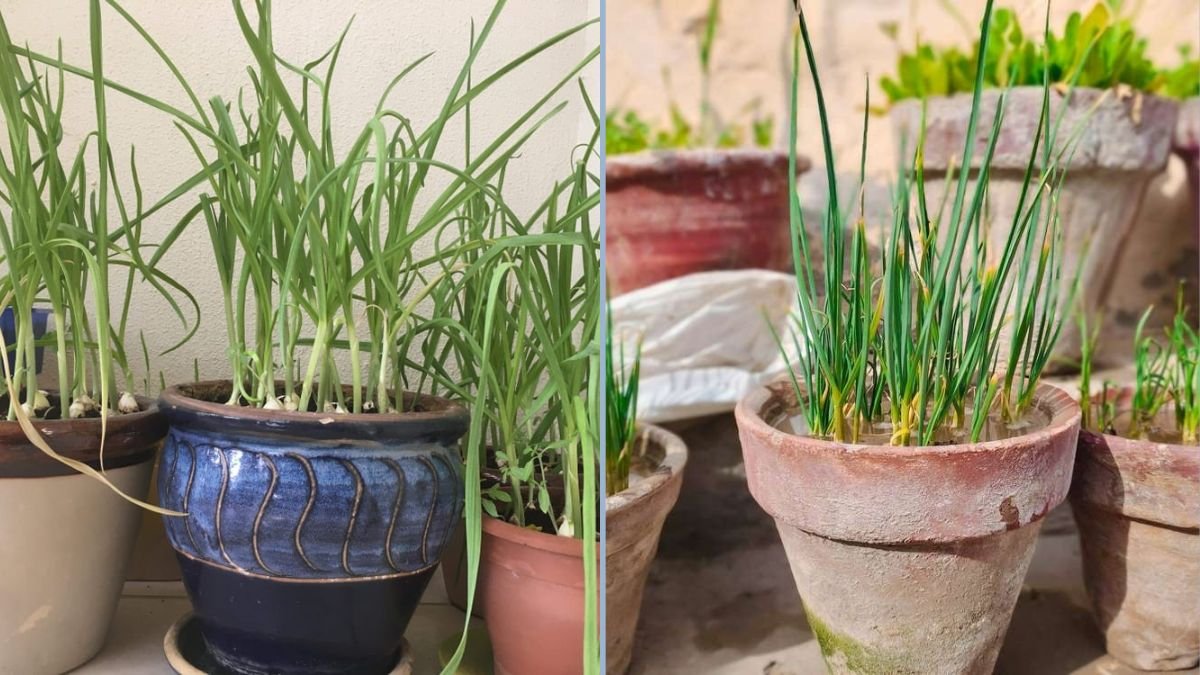
Garlic is a kitchen staple that enhances flavor, aroma, and nutrition in countless dishes. But beyond its culinary value, garlic is one of the easiest vegetables to grow at home, making it perfect for beginners and seasoned gardeners alike. Growing garlic in your own kitchen garden ensures you have fresh, flavorful cloves on hand, free from chemicals and full of nutrients. In this guide, we’ll explore the best time to grow garlic, the steps to start your kitchen garden, and tips for a thriving, bountiful harvest.
Why Grow Garlic at Home?
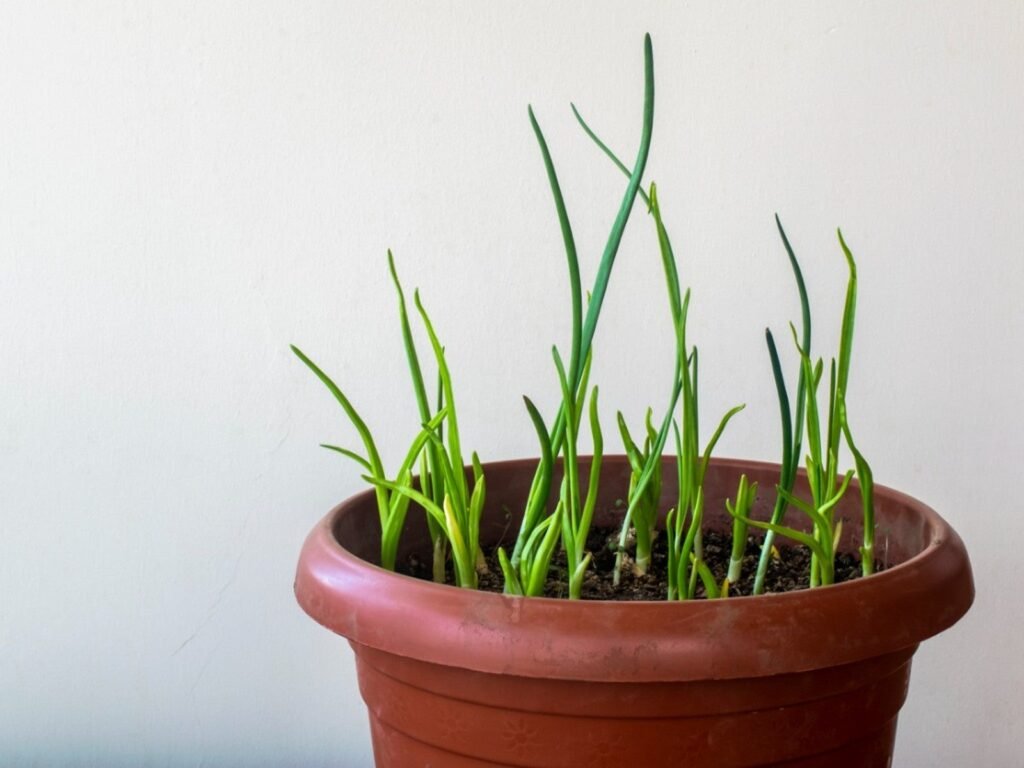
Growing garlic at home offers numerous advantages:
- Freshness and Flavor: Homegrown garlic is more aromatic and flavorful than store-bought varieties.
- Nutritional Benefits: Garlic is rich in antioxidants, vitamins, and minerals, which support heart health, immunity, and overall wellness.
- Cost-Effective: A few cloves can yield dozens of garlic bulbs, saving money over time.
- Gardening Satisfaction: Watching garlic grow from small cloves to full bulbs is incredibly rewarding.
- Pesticide-Free: Growing garlic in your own garden allows you to control how it is cultivated, avoiding harmful chemicals.
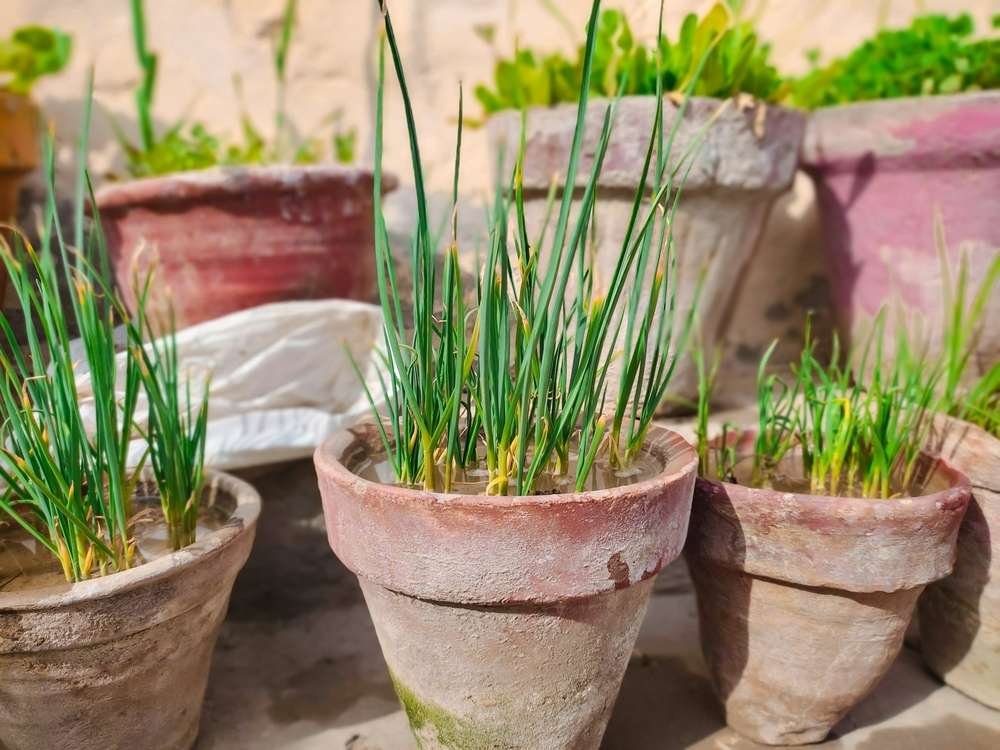
Understanding Garlic Types
Before planting, it’s important to know the type of garlic you want to grow:
- Hardneck Garlic:
- Produces a flowering stalk called a scape.
- Best suited for colder climates.
- Flavors tend to be robust and complex.
- Softneck Garlic:
- Does not produce a scape, so more suitable for warmer climates.
- Stores longer than hardneck varieties.
- Common in grocery stores as braided garlic.
Selecting the right type of garlic based on your climate ensures better growth and higher yields.
Best Time to Plant Garlic
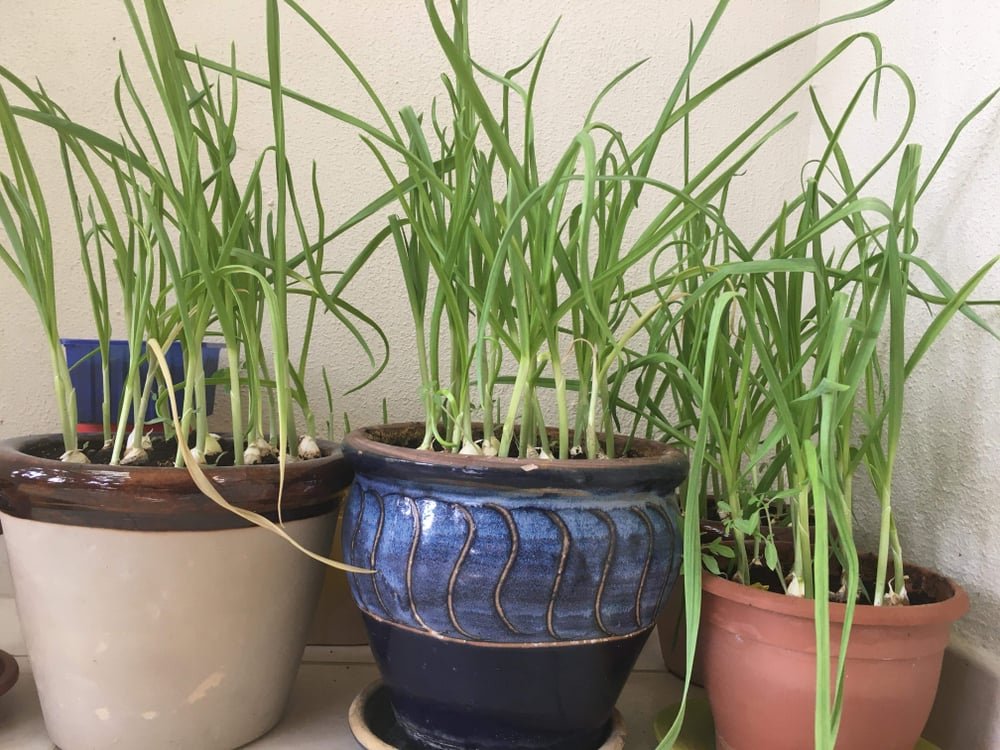
The planting time is critical for a successful garlic harvest:
- Fall Planting: Planting garlic 4–6 weeks before the first frost allows roots to develop before winter. This is ideal for most climates and typically results in larger bulbs.
- Spring Planting: In regions with mild winters, garlic can also be planted in early spring. However, bulbs may be smaller compared to fall planting.
Garlic prefers cool weather for root development and warmer soil during bulb formation, which is why timing planting correctly is crucial.
Choosing Garlic Cloves for Planting
Not all garlic cloves are suitable for planting. Follow these tips:
- Use Healthy Bulbs: Choose firm, plump cloves from disease-free garlic bulbs. Avoid shriveled or soft cloves.
- Separate Cloves Carefully: Break apart bulbs just before planting, keeping the papery skin intact.
- Select the Largest Cloves: Planting the biggest cloves yields the largest bulbs.
Starting with high-quality cloves sets the stage for a strong and productive garlic crop.
Preparing Your Kitchen Garden
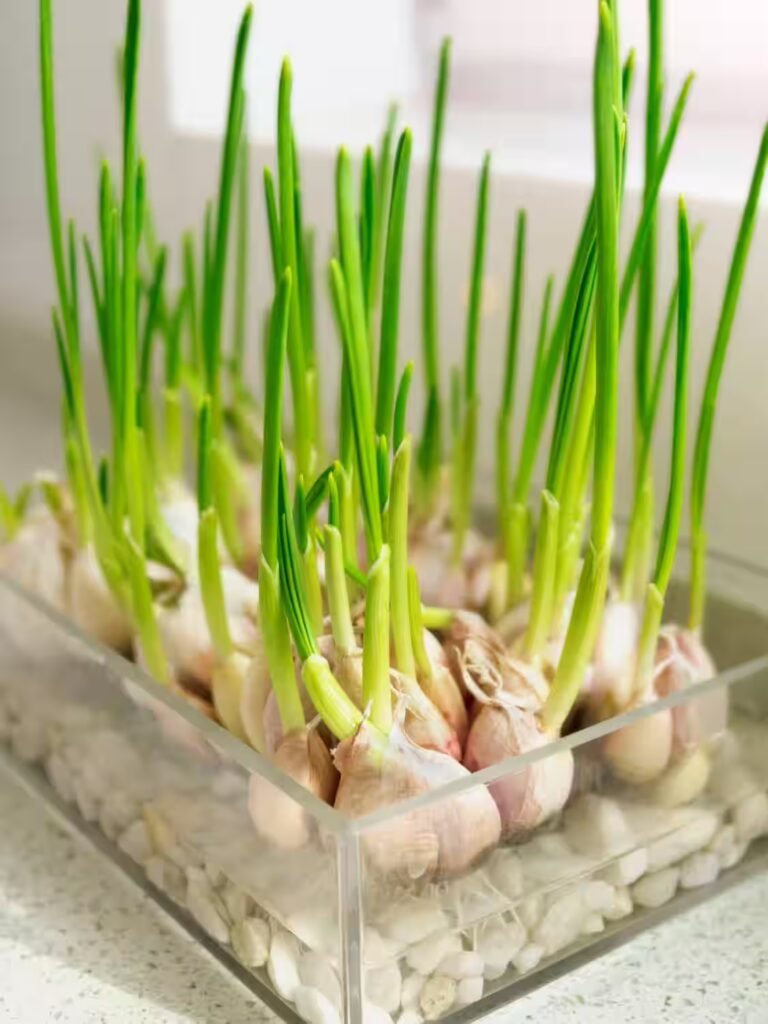
Garlic grows best in nutrient-rich, well-draining soil with full sunlight. Preparing your garden properly will give your garlic the best chance to thrive:
1. Choose a Sunny Spot
- Garlic needs at least 6–8 hours of sunlight per day.
- Adequate sunlight ensures strong foliage, which supports bulb development.
2. Prepare the Soil
- Loosen the Soil: Garlic prefers loose, friable soil to allow bulbs to expand.
- Add Organic Matter: Mix in compost or well-rotted manure to enrich the soil.
- Check Soil pH: Garlic thrives in slightly acidic to neutral soil (pH 6.0–7.0).
Raised beds, garden rows, or even large containers can work well, depending on the space available.
3. Space Your Planting
- Space garlic cloves 4–6 inches apart with rows 12–18 inches apart.
- Proper spacing ensures adequate airflow, reducing disease risk and allowing bulbs to grow larger.
Planting Garlic Step by Step
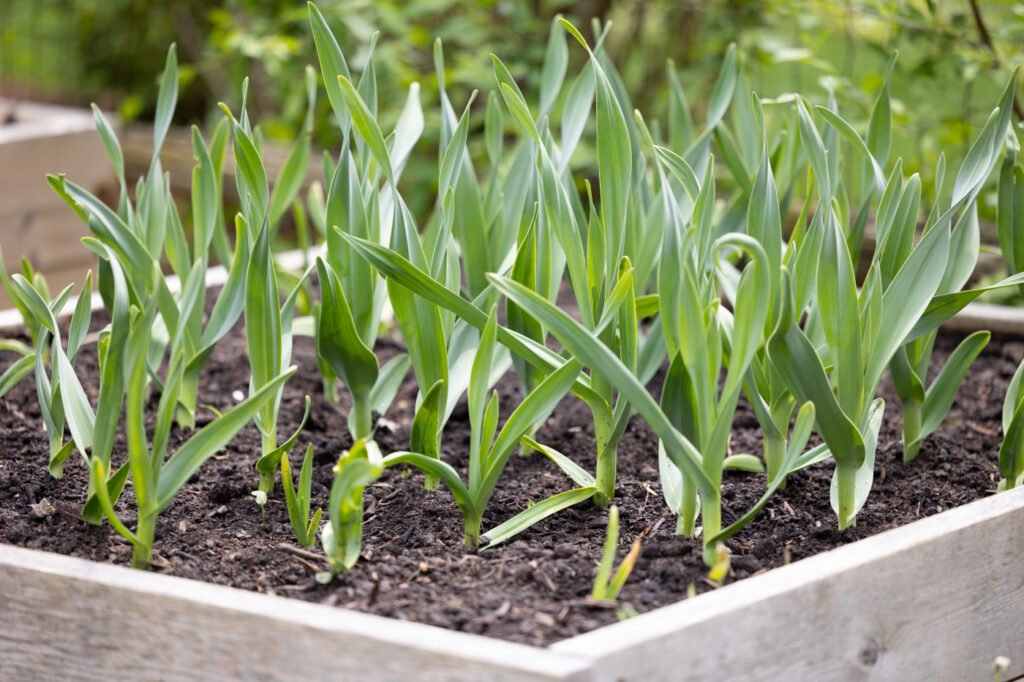
- Choose Your Cloves: Use the largest cloves from healthy bulbs.
- Plant the Clove: Place each clove point-side up, about 2 inches deep into the soil.
- Cover and Water: Cover with soil and water gently to settle the soil around the clove.
- Mulch: Apply a 2–3 inch layer of straw, leaves, or grass clippings to retain moisture, suppress weeds, and protect cloves from extreme temperatures.
With consistent care, cloves will develop roots and shoots, eventually growing into mature garlic bulbs.
Caring for Your Garlic
Proper care throughout the growing season ensures big, healthy bulbs:
1. Watering
- Garlic prefers consistent moisture, especially during early growth and bulb formation.
- Avoid overwatering to prevent rot.
- Water deeply once or twice a week rather than frequent shallow watering.
2. Fertilization
- Early growth benefits from nitrogen-rich fertilizer to develop strong leaves.
- Switch to phosphorus and potassium as bulbs mature to encourage bulb growth.
- Organic options like compost tea, bone meal, or seaweed extract work well.
3. Weed Control
- Mulching reduces weeds and helps maintain soil moisture.
- Hand-pull any weeds that appear to prevent competition for nutrients.
4. Pest and Disease Management
- Common Pests: Onion thrips and nematodes can affect garlic. Introduce beneficial insects or use organic sprays as needed.
- Diseases: White rot and downy mildew can occur in poorly drained soil. Crop rotation, proper spacing, and raised beds reduce the risk.
When and How to Harvest Garlic
Knowing when to harvest is critical for storing garlic and maximizing flavor:
- Timing: Garlic is typically ready when 2/3 of the foliage has turned yellow and begun to die back.
- Technique: Loosen soil gently with a garden fork and lift bulbs carefully. Avoid bruising the cloves.
- Curing: Hang bulbs in a warm, dry, and ventilated area for 2–4 weeks to toughen skins for long-term storage.
Properly harvested and cured garlic can last for several months, providing fresh ingredients for months to come.
Starting a Kitchen Garden Alongside Garlic
Garlic is an excellent starting point for a home kitchen garden. Pair it with other easy-to-grow vegetables and herbs:
- Companion Plants: Tomatoes, peppers, lettuce, and carrots grow well alongside garlic.
- Herbs: Basil, parsley, and cilantro thrive with garlic and add diversity to your garden.
- Succession Planting: Plan your kitchen garden so you have a continuous harvest throughout the growing season.
A well-planned kitchen garden not only provides fresh ingredients but also reduces grocery costs and encourages healthy eating habits.
Culinary Uses for Homegrown Garlic
Homegrown garlic is flavorful, aromatic, and versatile in vegetarian and vegan cooking:
- Raw: Add to salads, dressings, or dips for a pungent kick.
- Roasted: Roasted garlic becomes sweet and creamy, perfect for spreading on bread or mixing into mashed potatoes.
- Sautéed: Adds depth to stir-fries, soups, and sauces.
- Pickled: Quick-pickled garlic cloves are a tangy addition to sandwiches or salads.
- Infused Oils: Use fresh garlic to make flavorful, homemade cooking oils.
Growing garlic at home ensures you always have fresh, aromatic cloves for your favorite dishes.
Tips for Maximizing Your Garlic Harvest
- Plant Early: Fall planting ensures strong root development and bigger bulbs.
- Select Healthy Cloves: Bigger cloves produce bigger bulbs.
- Mulch Generously: Protects plants from frost and conserves soil moisture.
- Fertilize Appropriately: Support leaf growth early, then switch to bulb-focused nutrition.
- Monitor Regularly: Check for pests, diseases, and soil moisture to prevent problems early.
By combining proper timing, planting, and consistent care, you can grow garlic that rivals store-bought varieties in both size and flavor.
Conclusion
Garlic is not only an essential ingredient in kitchens worldwide but also one of the easiest and most rewarding vegetables to grow at home. By planting at the right time, preparing soil properly, choosing healthy cloves, and following attentive care practices, you can enjoy a bountiful harvest of flavorful, aromatic bulbs.
Starting a kitchen garden with garlic is an excellent gateway into home gardening. It pairs well with other vegetables and herbs, supports healthy eating habits, and provides a continuous supply of fresh ingredients for your meals. From planting to harvesting and culinary use, homegrown garlic transforms your cooking and connects you with the food you eat.
With patience, planning, and consistent care, you can cultivate a thriving garlic patch that produces big, delicious bulbs season after season. Begin your kitchen garden today and experience the satisfaction of growing your own garlic from clove to full, flavorful bulb.