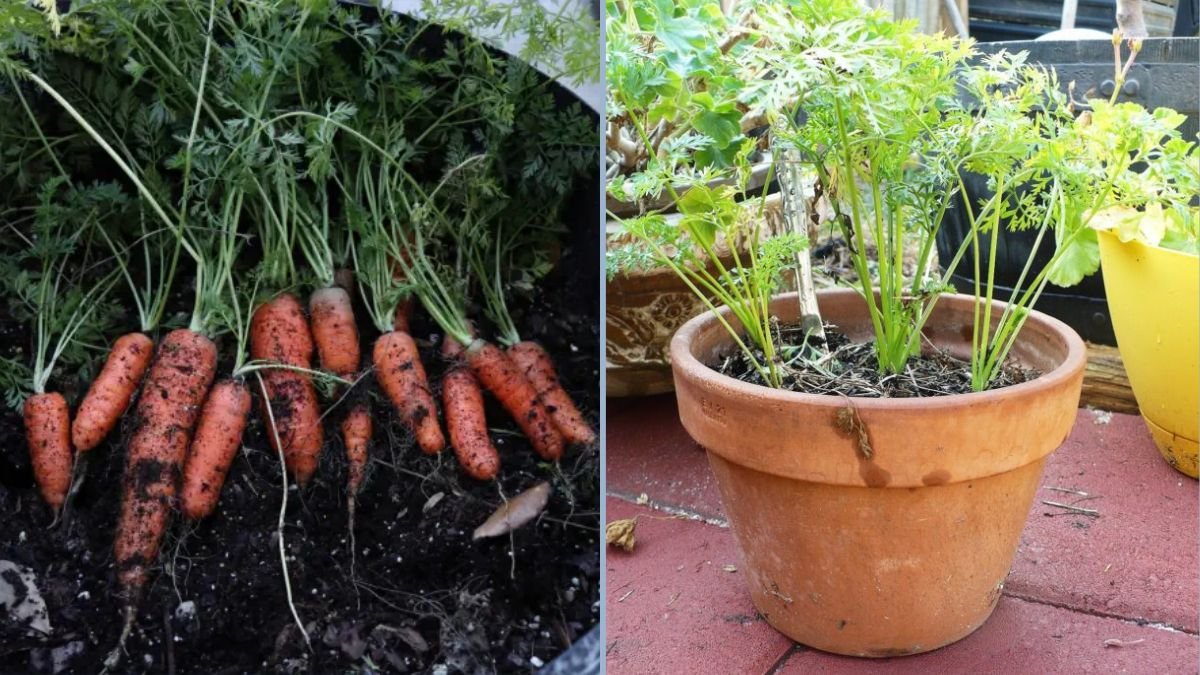
Growing your own carrots at home is not only satisfying but also a delicious way to enjoy fresh, nutritious vegetables straight from your garden. Whether you have a backyard garden, a balcony planter, or even a windowsill, growing carrots is easier than many people think. Carrots are versatile, nutrient-rich, and add vibrant color to any meal. This guide will take you through every step of the carrot-growing process—from selecting seeds to harvesting sweet, crunchy carrots.
Why Grow Carrots at Home?
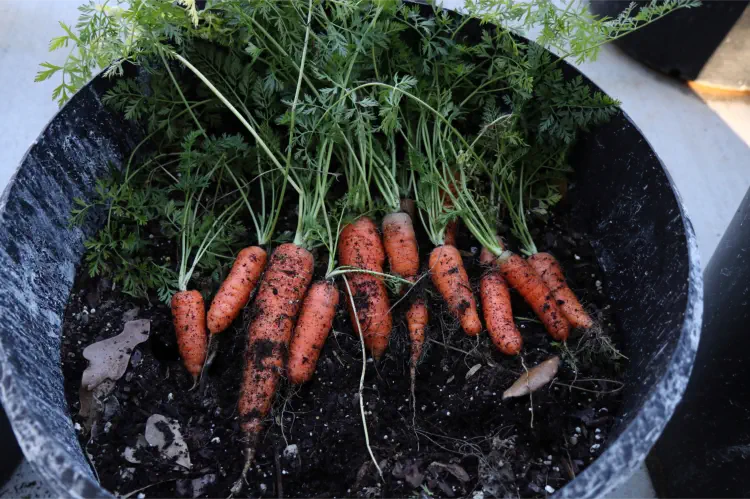
Homegrown carrots offer several advantages over store-bought ones:
- Freshness and Flavor: Carrots lose flavor and nutrients quickly after harvest. Homegrown carrots retain their natural sweetness and crisp texture.
- Nutritional Benefits: Rich in beta-carotene, vitamin A, fiber, and antioxidants, carrots support eye health, immunity, and digestion.
- Chemical-Free: By growing your own carrots, you control what goes into the soil, avoiding harmful pesticides and chemicals.
- Gardening Enjoyment: Planting, nurturing, and harvesting carrots is a rewarding experience that connects you to nature and improves mental wellbeing.
Choosing the Right Carrot Variety
Before planting, consider which carrot variety suits your space, climate, and culinary needs:
- Imperator: Long, slender carrots, ideal for eating raw or in salads.
- Danvers: Medium-length carrots with a robust flavor, suitable for roasting.
- Nantes: Sweet, cylindrical carrots that are tender and perfect for juicing.
- Chantenay: Short, thick carrots that grow well in shallow or compact soil.
Selecting the right variety helps ensure successful growth and a bountiful harvest.
When to Plant Carrots
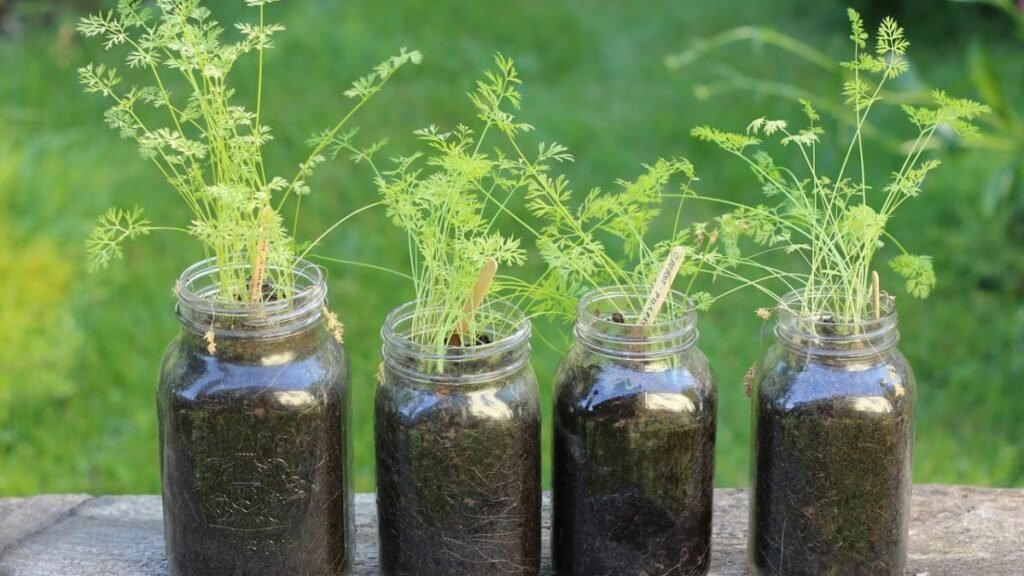
Carrots are cool-season vegetables that prefer slightly cooler soil temperatures. Here’s what you need to know:
- Spring Planting: Sow seeds 2–3 weeks before the last expected frost.
- Fall Planting: Sow 8–10 weeks before the first expected frost to enjoy a late-season harvest.
- Soil Temperature: Ideal soil temperature is 55–75°F (13–24°C).
Carrots can tolerate light frost, but extremely hot or cold temperatures may stunt growth.
Preparing the Soil
Healthy soil is crucial for growing sweet, straight carrots:
- Choose Loose, Well-Draining Soil: Avoid compacted or clay-heavy soil. Carrots need room to grow without obstruction.
- Remove Rocks and Debris: Stones or hard clumps can cause forked or misshapen roots.
- Add Organic Matter: Mix compost or aged manure to enrich the soil with nutrients.
- Maintain Slightly Acidic to Neutral pH: Aim for a soil pH of 6.0–6.8 for optimal growth.
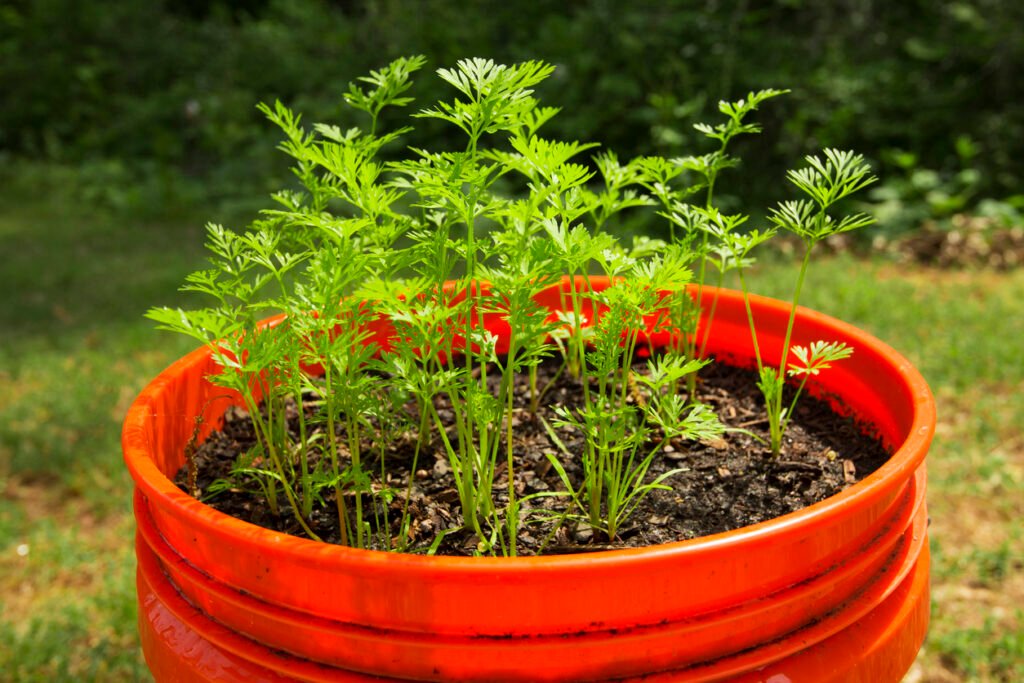
Raised beds or deep containers are excellent for home carrot gardening because they allow roots to grow straight and long.
Planting Carrot Seeds
Carrot seeds are tiny, which requires careful planting:
- Sow Thinly: Scatter seeds thinly along shallow furrows ¼–½ inch deep.
- Spacing: Space seeds 1–2 inches apart to allow enough room for roots to develop.
- Cover Lightly: Sprinkle a thin layer of soil over seeds. Carrots need light to germinate, so don’t bury seeds too deep.
- Water Gently: Keep soil consistently moist but not waterlogged until seeds germinate.
Carrot seeds usually germinate in 10–21 days, depending on soil temperature. Using a seed starter tray or row cover can speed up germination and protect young sprouts.
Caring for Your Carrots
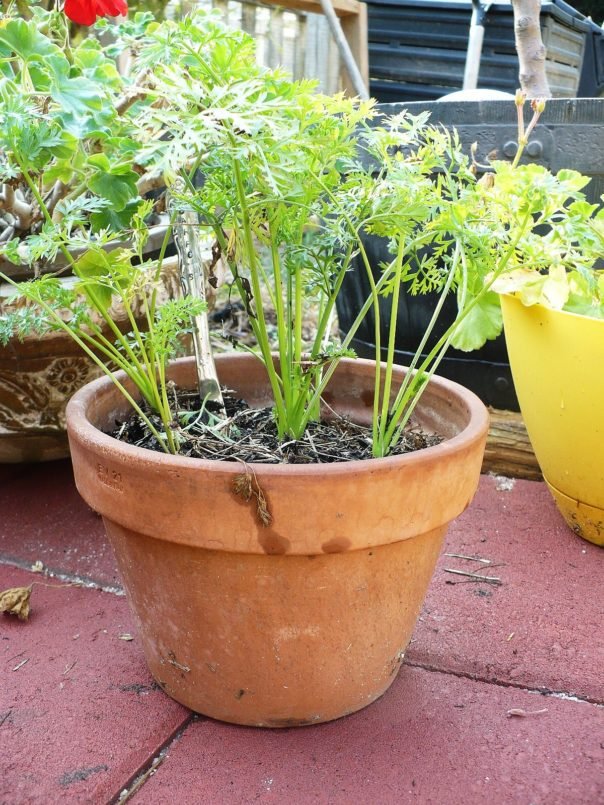
Once seedlings emerge, proper care ensures healthy growth:
1. Thinning
- When seedlings are 2–3 inches tall, thin them to 2–3 inches apart to prevent overcrowding.
- Thinned seedlings can be used as microgreens in salads.
2. Watering
- Carrots need consistent moisture to grow straight and tender.
- Water deeply once or twice a week rather than frequent shallow watering.
- Avoid overwatering to prevent rot and disease.
3. Mulching
- Apply a thin layer of straw or shredded leaves to retain soil moisture and suppress weeds.
- Mulch also helps maintain stable soil temperatures.
4. Fertilizing
- Carrots don’t need heavy feeding.
- A light application of balanced, organic fertilizer can promote strong root growth.
- Avoid high-nitrogen fertilizers, which encourage leafy growth instead of root development.
Preventing Pests and Diseases
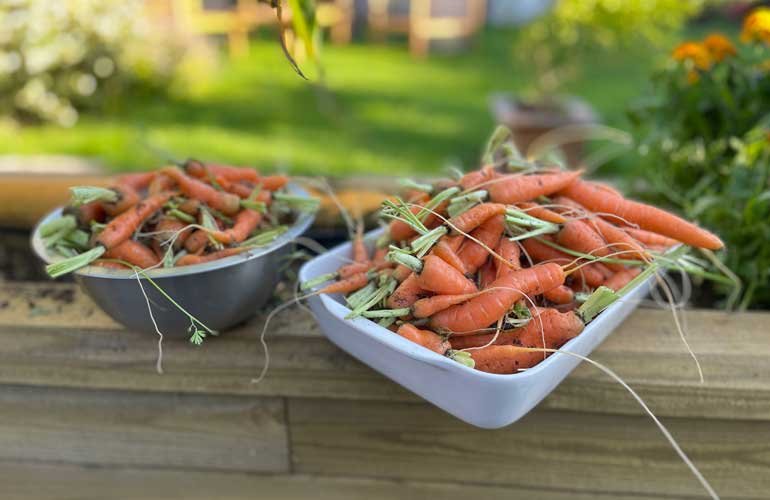
Carrots are generally hardy but can fall victim to common garden pests:
- Carrot Rust Fly: Cover rows with fine mesh to prevent egg-laying.
- Aphids: Wash off with water or introduce beneficial insects like ladybugs.
- Root Rot and Fungal Diseases: Ensure proper drainage and avoid overwatering.
Crop rotation and companion planting with onions, leeks, or herbs like rosemary and sage can reduce pest issues naturally.
Harvesting Carrots
Harvesting at the right time ensures maximum flavor and tenderness:
- Check Size: Most varieties are ready in 60–80 days after sowing.
- Color and Diameter: Look for vibrant color and desired thickness.
- Pull Gently: Loosen soil around roots with a garden fork and pull carefully to avoid breaking.
- Enjoy Fresh: Carrots taste best when freshly harvested but can be stored in the fridge for several weeks.
For continuous harvest, sow seeds every 2–3 weeks throughout the growing season.
Storing and Preserving Carrots
Proper storage prolongs freshness:
- Refrigeration: Trim greens, store carrots in a perforated plastic bag or wrapped in a damp towel.
- Root Cellar: Carrots can be stored in cool, humid conditions in sand or sawdust.
- Freezing: Blanch and freeze carrots to preserve them for several months.
Culinary Uses for Homegrown Carrots
Homegrown carrots can be enjoyed in countless ways:
- Raw: Snack on fresh, crunchy carrots or add to salads.
- Roasted: Drizzle with olive oil, salt, and herbs for a sweet, caramelized treat.
- Soups and Stews: Enhance flavor and nutrition in vegetarian or vegan dishes.
- Juices and Smoothies: Combine with fruits and greens for a nutrient-packed drink.
- Pickled Carrots: Quick-pickle with vinegar, herbs, and spices for a tangy snack.
Growing your own carrots allows you to experiment with flavors, textures, and preparations.
Tips for Success
- Choose the Right Variety: Match carrots to your soil depth and climate.
- Practice Patience: Carrots take time to mature; avoid rushing the harvest.
- Rotate Crops: Prevent soil depletion and disease by rotating carrot planting with legumes or leafy greens.
- Protect from Extreme Weather: Use row covers or shade cloths as needed.
- Keep Learning: Observe how your carrots respond to soil, water, and weather to improve future harvests.
Conclusion
Growing carrots at home is a rewarding and educational experience that brings fresh, flavorful, and nutritious produce straight to your kitchen. From selecting the right variety and preparing soil to planting, thinning, and harvesting, every step of the carrot-growing process teaches patience, attention to detail, and an appreciation for nature’s rhythms.
Whether you have a backyard garden, a small balcony planter, or even a sunny windowsill, homegrown carrots provide endless possibilities—from raw snacks and salads to roasted dishes and creative pickles. By following these simple steps, you can enjoy the full journey from seed to harvest and experience the unmatched taste and satisfaction of carrots you’ve nurtured yourself.
Start your carrot garden today and discover how growing your own vegetables can transform your meals, your health, and your connection to the food you eat. There’s nothing quite like pulling a sweet, crunchy carrot from the soil that you’ve grown with your own hands.