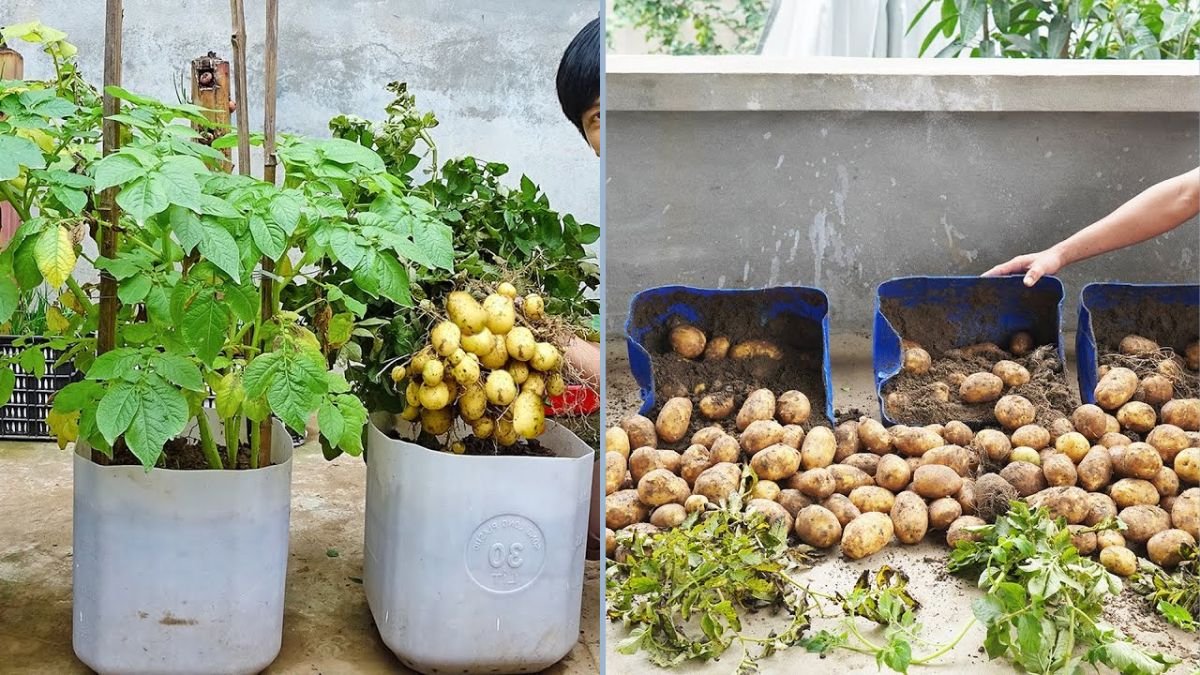
Potatoes are one of the world’s most versatile and beloved vegetables. From creamy mashed potatoes to crispy roasted wedges, they are a staple in countless cuisines. Growing your own potatoes at home, whether in a garden, raised bed, or even large containers, is incredibly rewarding. Not only do homegrown potatoes taste fresher and more flavorful than store-bought ones, but you also gain control over how they’re grown—pesticide-free, organic, and full of nutrients.
In this potato growing masterclass, we’ll walk you through proven tips to maximize your harvest, from choosing the right variety to soil preparation, planting, care, and harvesting.
Why Grow Potatoes at Home?
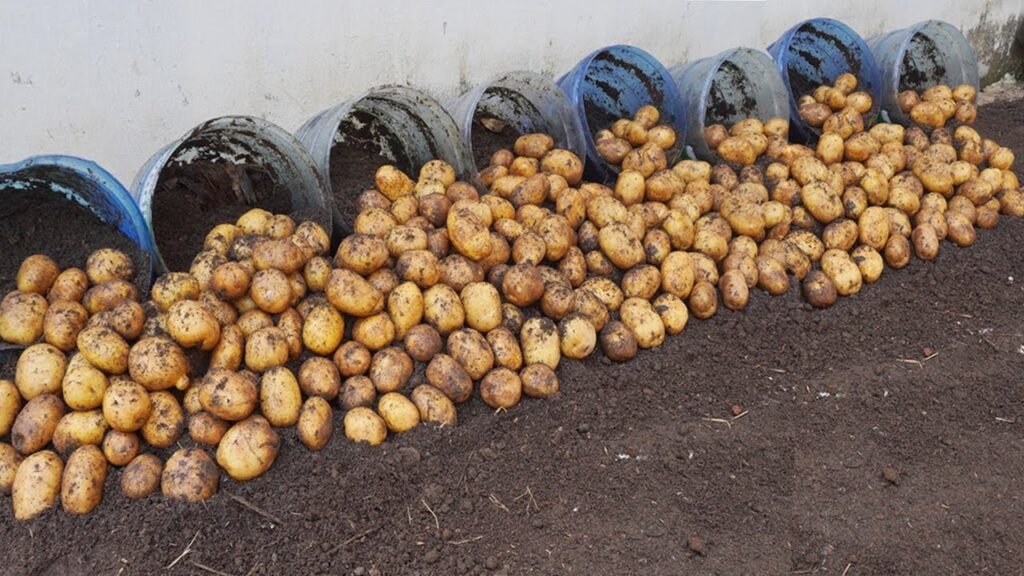
Growing potatoes offers several advantages beyond convenience:
- Freshness and Flavor: Nothing beats the taste of freshly harvested potatoes.
- Nutritional Benefits: Potatoes are rich in vitamin C, potassium, fiber, and antioxidants.
- Cost-Effective: A small number of seed potatoes can yield a large harvest, saving money.
- Gardening Satisfaction: Watching potatoes grow underground and harvesting them is a rewarding experience for beginner and seasoned gardeners alike.
- Versatility: Potatoes can be used in countless plant-based recipes, from soups and stews to salads and sides.
Choosing the Right Potato Variety
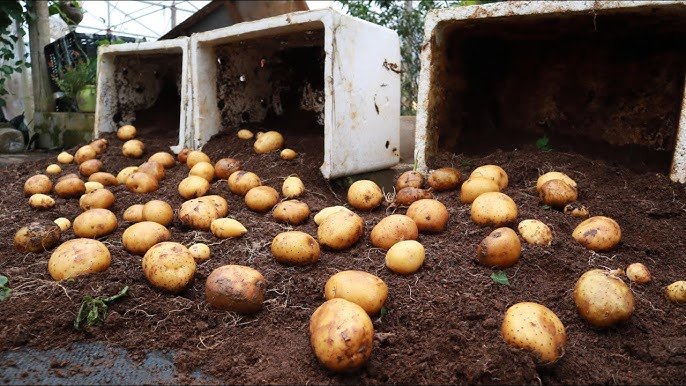
Selecting the right variety is key to a successful harvest. Potatoes come in three main types:
- Early Varieties: Small, tender, and quick to harvest (e.g., ‘Red Norland’ or ‘Yukon Gold’). Perfect for spring planting.
- Maincrop Varieties: Larger potatoes that store well for months (e.g., ‘Russet Burbank’ or ‘Kennebec’). Ideal for roasting, mashing, or long-term storage.
- Specialty Varieties: Colored or fingerling potatoes for unique flavors and textures.
Choose varieties that suit your climate, soil, and intended culinary use. Planting a mix can provide both early and late harvests.
Preparing for Planting
A successful potato harvest begins with proper preparation:
1. Select Healthy Seed Potatoes
- Choose certified seed potatoes or organically grown potatoes free from disease.
- Avoid supermarket potatoes, as they may be treated with chemicals to prevent sprouting.
2. Chitting: Encourage Sprouting
- Place seed potatoes in a cool, bright spot to sprout small shoots before planting.
- Chitting strengthens growth and can lead to earlier and more abundant harvests.
3. Prepare the Soil
- Potatoes thrive in loose, well-drained soil with a slightly acidic pH of 5.5–6.5.
- Remove rocks and debris to allow roots to grow straight and large.
- Enrich soil with compost or well-rotted manure for added nutrients.
4. Choose the Right Planting Location
- Potatoes need full sun, at least 6–8 hours a day.
- Raised beds or containers work well if garden space is limited.
Planting Potatoes
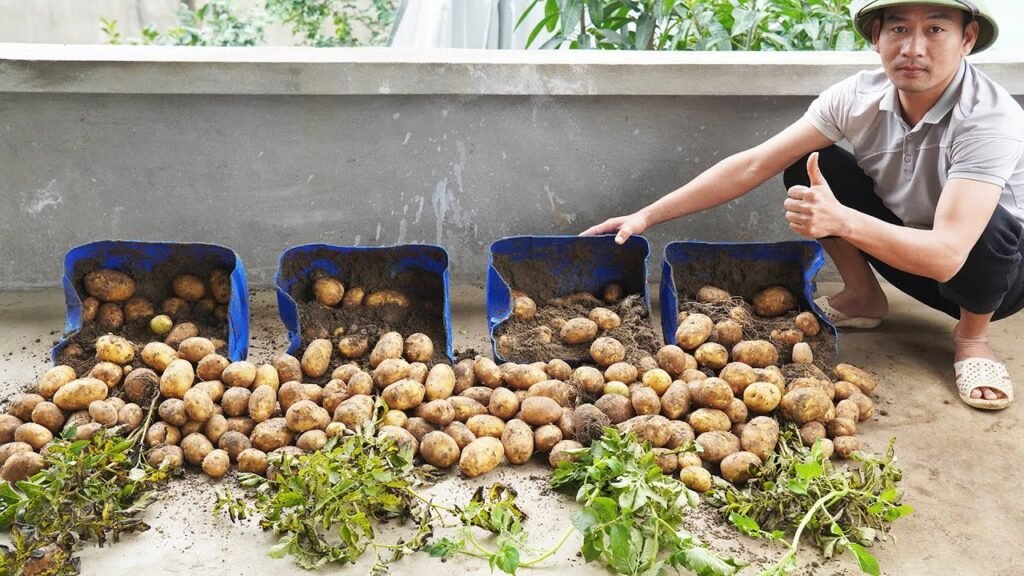
Planting correctly is crucial for maximizing yields:
- Cut Seed Potatoes:
- If large, cut seed potatoes into pieces with at least one eye per piece.
- Let the cut pieces dry for 24–48 hours to prevent rot.
- Planting Depth:
- Dig trenches 4–6 inches deep and space pieces 12 inches apart.
- Cover with soil and water gently.
- Row Spacing:
- Space rows 2–3 feet apart for air circulation and easier hilling.
Caring for Your Potatoes
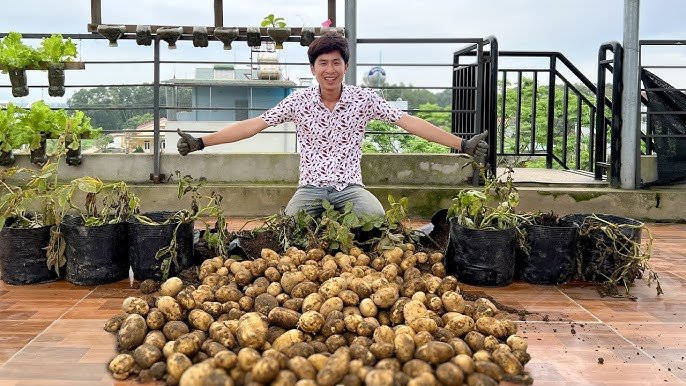
Potatoes require consistent care throughout the growing season:
1. Hilling
- As shoots grow, mound soil around the base of the plant to protect tubers from sunlight (which turns them green and bitter).
- Hilling also encourages more tuber production and prevents rot.
2. Watering
- Keep soil evenly moist but avoid waterlogging, which can cause rot.
- Deep watering once or twice a week is better than frequent shallow watering.
3. Mulching
- Mulch with straw or leaves to retain soil moisture, suppress weeds, and regulate temperature.
4. Fertilizing
- Use a balanced organic fertilizer or compost tea every few weeks to provide nutrients for healthy tuber growth.
- Avoid high-nitrogen fertilizers, which encourage leafy growth at the expense of potatoes.
Pests and Diseases
Potatoes are generally hardy but can be affected by pests and diseases:
- Colorado Potato Beetle: Handpick or use neem oil for prevention.
- Aphids: Spray with water or introduce beneficial insects like ladybugs.
- Blight: Prevent with proper spacing, crop rotation, and avoiding overhead watering.
- Wireworms or Root Maggots: Rotate crops and avoid planting in the same spot consecutively.
Practicing crop rotation and companion planting (e.g., with beans or cabbage) reduces pest pressure naturally.
Harvesting Potatoes
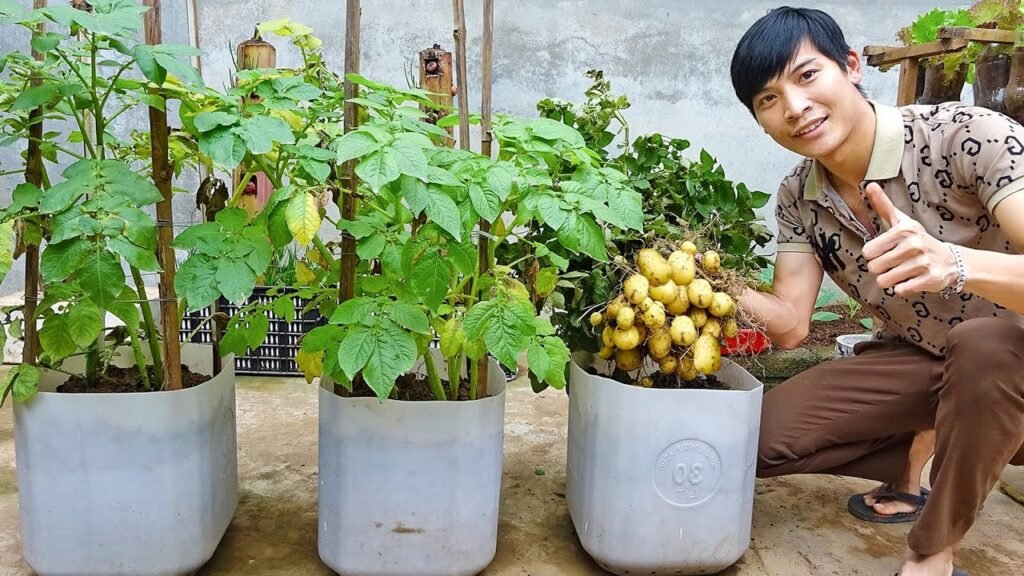
Timing your harvest is key to getting the best flavor and storage potential:
- Early Varieties: Harvest when plants flower for tender “new” potatoes.
- Maincrop Varieties: Wait until foliage yellows and dies back for mature, storable potatoes.
- Harvest Technique:
- Gently loosen soil with a garden fork.
- Lift tubers carefully to avoid bruising.
After harvesting, let potatoes dry in a cool, shaded place for a few hours to toughen the skin for storage.
Storing Potatoes
Proper storage extends shelf life and preserves flavor:
- Store in a cool, dark, well-ventilated space (ideally 45–50°F / 7–10°C).
- Avoid direct sunlight to prevent greening.
- Do not wash before storage; dirt helps protect the skin.
- Check periodically and remove any damaged or rotting potatoes to prevent spoilage.
Culinary Uses for Homegrown Potatoes
Homegrown potatoes are incredibly versatile and enhance a wide range of plant-based dishes:
- Mashed Potatoes: Creamy, buttery, and comforting.
- Roasted Potatoes: Crispy on the outside, soft on the inside.
- Baked Potatoes: Simple, filling, and perfect for loaded toppings.
- Soups and Stews: Add heartiness and nutrition to vegetable-based soups.
- Salads: Boiled or roasted potatoes work well in fresh, herb-filled salads.
- Fries or Wedges: Healthy homemade alternatives to fast-food fries.
Tips for a Bigger, Better Harvest
- Use Healthy Seed Potatoes: Avoid disease and choose vigorous varieties.
- Chit Seed Potatoes: Sprouting before planting encourages faster, stronger growth.
- Proper Spacing and Hilling: Prevents overcrowding and increases tuber size.
- Consistent Moisture: Deep watering supports tuber development.
- Mulching: Reduces weeds, retains water, and protects tubers.
- Crop Rotation: Prevents soil-borne diseases and improves soil health.
- Harvest at the Right Time: Mature potatoes store longer and taste better.
Conclusion
Growing potatoes at home is a deeply rewarding experience that combines patience, planning, and care. From selecting the right variety and preparing the soil to planting, hilling, watering, and harvesting, each step contributes to a bigger, better harvest. Homegrown potatoes are fresher, tastier, and more nutritious than store-bought ones, and they provide endless culinary possibilities—from comforting mashed potatoes to crispy roasted wedges.
Whether you have a garden bed, a raised planter, or a large container on your balcony, following these expert tips will help you achieve a successful potato harvest. With patience and attention to detail, you can enjoy the full journey from seed to harvest—and savor the unmatched satisfaction of eating potatoes you’ve grown yourself.
Start your potato-growing adventure today, and discover how cultivating your own vegetables can transform your meals, your health, and your connection to the food you eat. There’s something truly magical about lifting a soil-covered potato from the earth, knowing it grew entirely under your care.