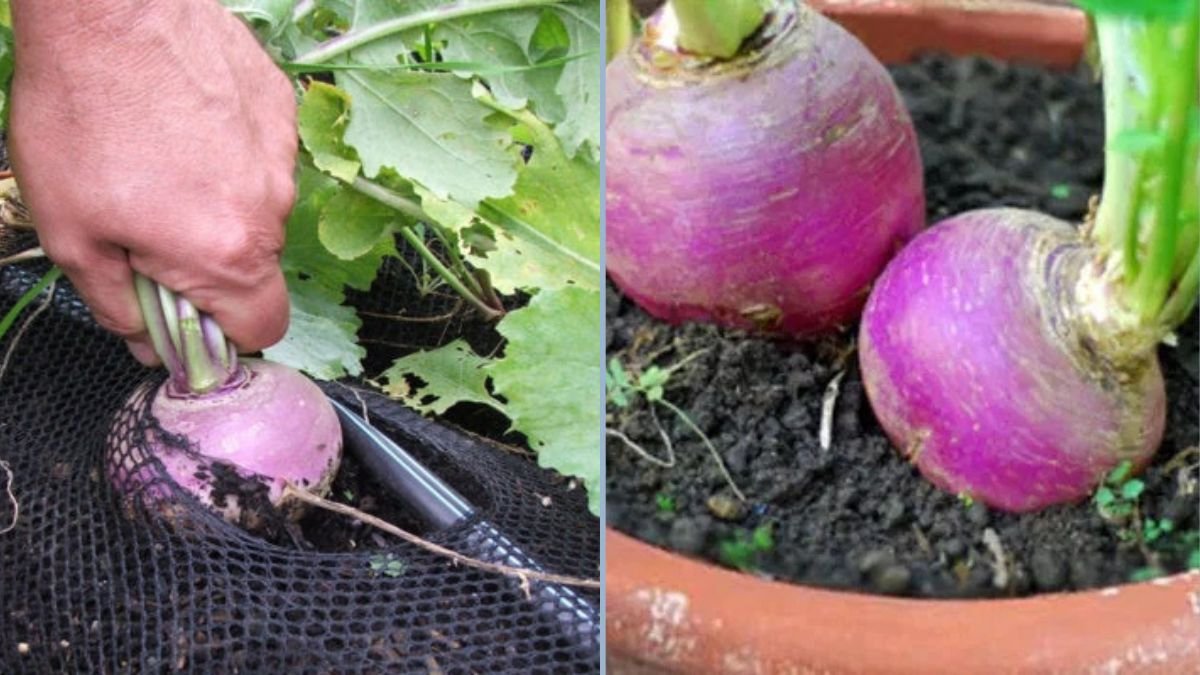
Growing your own vegetables at home can be both rewarding and fun, even if you have limited space. Turnips, a versatile and nutritious root vegetable, are perfect for container gardening or a small vegetable box. With the right setup, soil, and care, you can go from seed to harvest in just a few weeks, all from the comfort of your balcony, terrace, or backyard. This guide will walk you through everything you need to know about growing turnips in a vegetable box.
Why Grow Turnips in a Vegetable Box?
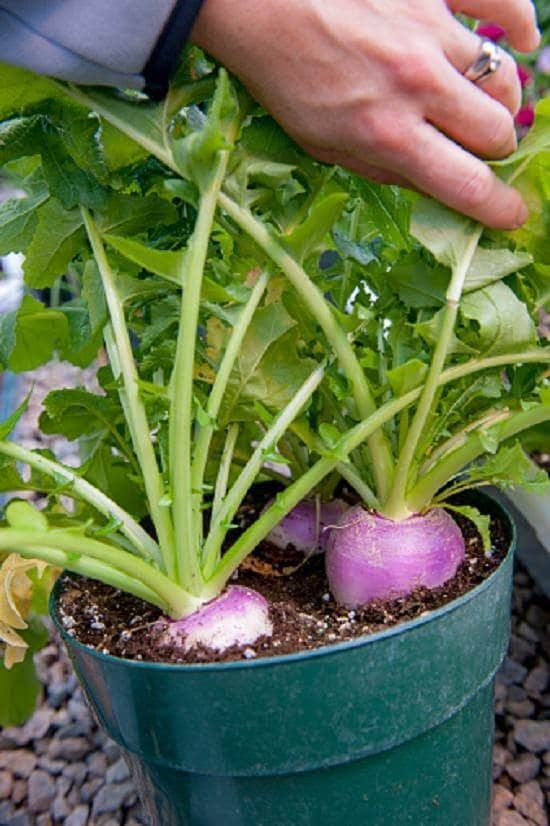
Turnips are ideal for container or box gardening for several reasons:
- Compact growth: Turnips have shallow roots and don’t require deep soil, making them perfect for a vegetable box.
- Fast-growing: They mature quickly, often within 6-8 weeks, providing a rapid return on your gardening efforts.
- Dual purpose: Both roots and greens are edible. The roots are versatile in cooking, while the leaves can be used in salads, soups, or stir-fries.
- Space-efficient: Vegetable boxes or raised beds are perfect for small gardens, terraces, or balconies.
- Beginner-friendly: Turnips are easy to grow, making them suitable for novice gardeners.
Growing turnips in a box allows you to control the soil quality, drainage, and spacing. It also reduces weed problems and keeps the plants at a manageable height for harvesting.
Materials You’ll Need
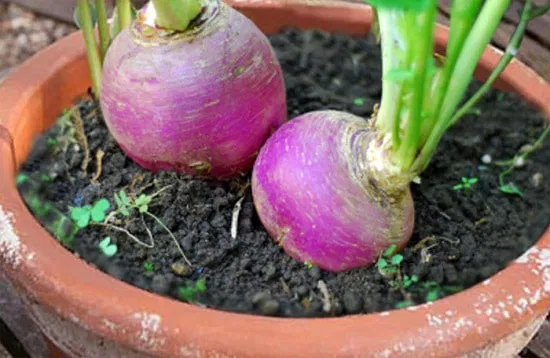
To start growing turnips in a vegetable box, gather the following materials:
- Vegetable box or container: At least 8-10 inches deep and 12-18 inches wide. Turnips don’t need deep soil, but the box should provide enough room for roots to expand.
- Quality soil: A well-draining, fertile mix of garden soil, compost, and sand. Loose soil ensures healthy root development.
- Turnip seeds: Choose varieties suitable for your climate. Some popular varieties include Purple Top White Globe, Tokyo Cross, and Hakurei (Japanese salad turnip).
- Watering can or hose: For consistent, gentle watering.
- Fertilizer or compost: For nourishing the soil and promoting root growth.
Optional: Mulch to retain moisture and protect the roots, especially during warmer months.
Step-by-Step Guide to Growing Turnips
1. Prepare Your Vegetable Box
Clean the box thoroughly to remove dust or residue. Ensure that it has proper drainage holes at the bottom to prevent waterlogging, which can lead to root rot.
Add a layer of coarse sand or small gravel at the bottom if needed for extra drainage. Then fill the box with your prepared soil mix, leaving 1-2 inches of space at the top for watering.
2. Sowing the Seeds
Turnip seeds are tiny and easy to sow. Follow these steps:
- Scatter the seeds evenly across the surface of the soil.
- Cover lightly with about ½ inch of soil.
- Gently press the soil to ensure the seeds make contact but do not compact it too much.
- Water lightly to moisten the soil without washing away the seeds.
Turnip seeds usually germinate in 5-10 days, depending on temperature and moisture. Keep the soil consistently moist during this period.
3. Thinning Seedlings
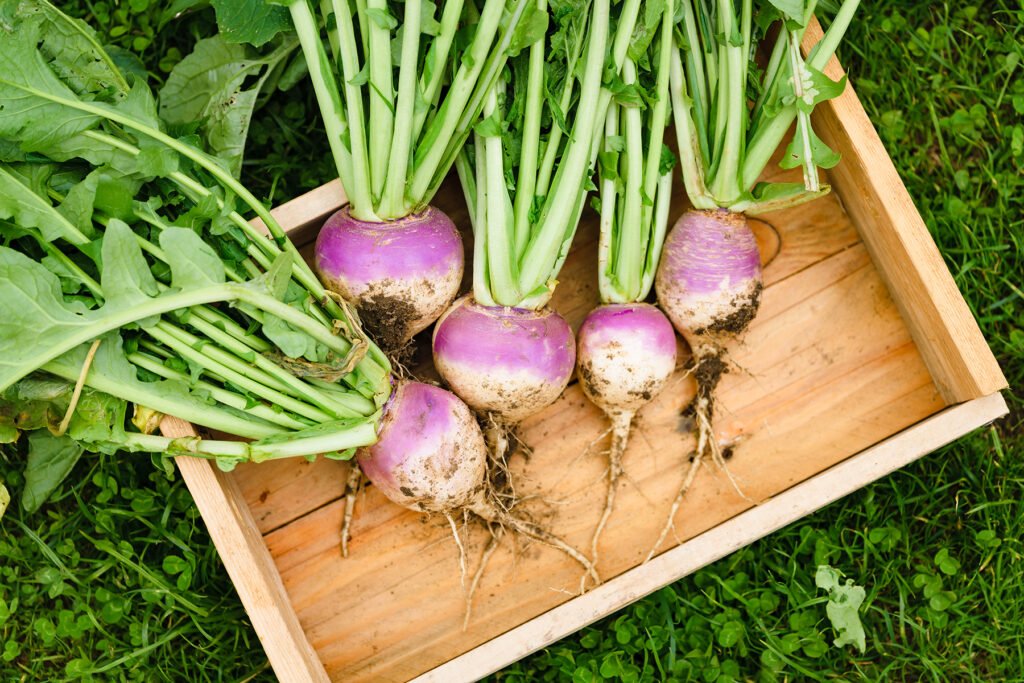
Once seedlings are about 2 inches tall, thin them to ensure proper spacing. Ideally, leave 3-4 inches between each plant. Thinning gives each root enough room to grow and prevents overcrowding, which can lead to small or misshapen turnips.
The thinned seedlings can be transplanted into another box or used as young greens for salads.
4. Sunlight and Location
Turnips thrive in full sun but can tolerate partial shade. Place your vegetable box where it receives at least 4-6 hours of sunlight daily. Morning sun with afternoon shade works well in hot climates, as it prevents the soil from drying too quickly and protects young roots from heat stress.
5. Watering and Moisture Management
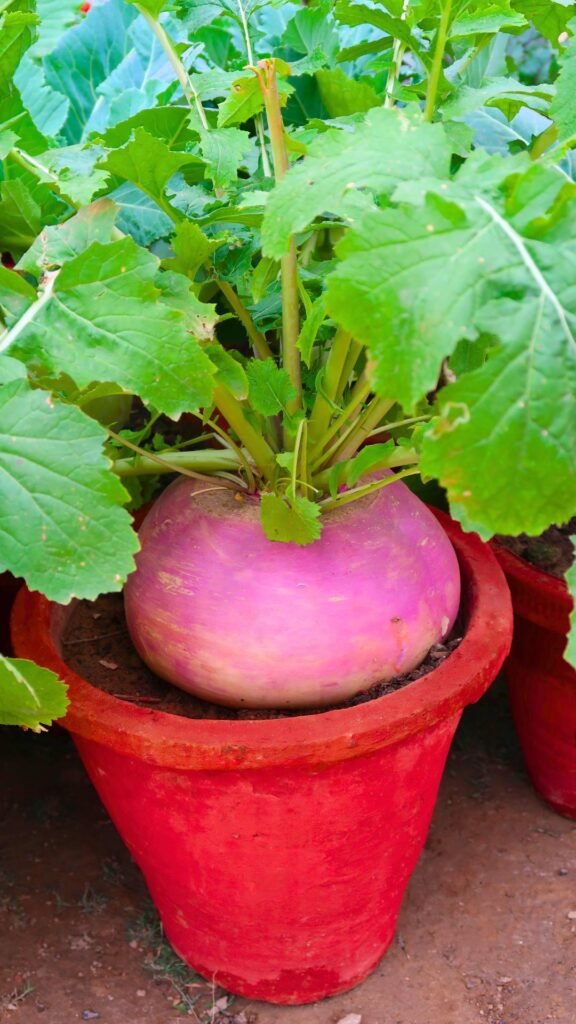
Consistent watering is key to growing healthy turnips. The soil should be kept evenly moist but not waterlogged. Dry soil can cause the roots to become woody or split, while excess water can lead to root rot.
A good tip is to water in the early morning or late afternoon to minimize evaporation. Use a watering can with a gentle rose head or a fine spray to avoid disturbing the soil and seedlings.
Caring for Turnips in a Vegetable Box
Fertilization
Turnips don’t need heavy fertilization. A light application of compost or balanced organic fertilizer once or twice during the growing period is sufficient. Avoid high-nitrogen fertilizers, which can encourage leaf growth at the expense of root development.
Mulching
Applying a thin layer of mulch around the plants helps retain moisture, reduces soil temperature, and prevents weeds. Straw, dried leaves, or coconut husk work well as mulch for vegetable boxes.
Pest and Disease Management
Turnips are relatively hardy but can be affected by:
- Aphids: Spray gently with water or neem oil.
- Flea beetles: Floating row covers can protect seedlings.
- Root rot: Ensure good drainage and avoid overwatering.
Regular inspection of leaves and roots will help catch problems early.
When and How to Harvest
Turnips are fast-growing, and the harvest time depends on the variety:
- Baby turnips: Can be harvested in 4-5 weeks when roots are small and tender.
- Mature turnips: Typically ready in 6-8 weeks.
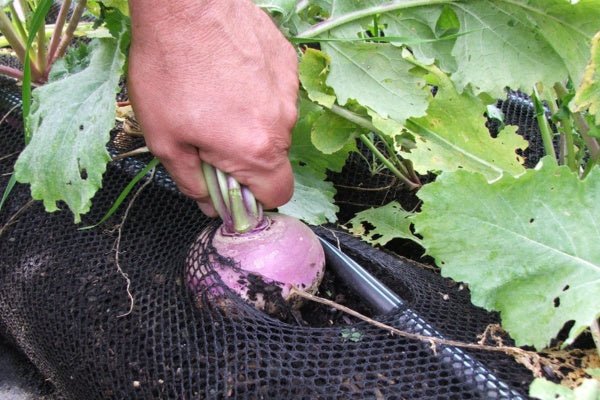
Check for signs of maturity: the root should feel firm and be about 2-3 inches in diameter for most varieties. Pull gently from the soil, or loosen the soil around the root before harvesting.
Leaves can be harvested at any time. Young leaves are tender and ideal for salads, while older leaves can be cooked like spinach or mustard greens.
Common Problems and Solutions
- Small or misshapen roots: Usually caused by overcrowding or compacted soil. Thin seedlings properly and use loose, well-draining soil.
- Leafy growth with tiny roots: High nitrogen levels in the soil may promote foliage at the expense of roots. Use balanced compost or fertilizer.
- Cracked or split roots: Caused by irregular watering or sudden growth spurts. Maintain consistent moisture levels.
- Pests: Aphids, flea beetles, and root maggots can affect turnips. Regular inspection, neem oil, or row covers help prevent damage.
- Bolting (flowering early): Can occur in hot weather. Plant during cooler months or provide partial shade.
Tips for Success
- Succession planting: Sow a new batch every 2-3 weeks for a continuous harvest.
- Container rotation: If using multiple boxes, rotate crops to maintain soil fertility and reduce pest buildup.
- Companion planting: Turnips grow well alongside peas, beans, and herbs like rosemary and thyme.
- Harvest promptly: Leaving mature turnips in the soil too long can make them woody and less flavorful.
Why Vegetable Boxes Are Perfect for Turnips
Vegetable boxes offer several advantages:
- Controlled environment: Soil, drainage, and spacing can be managed easily.
- Space-saving: Ideal for balconies, rooftops, or small backyards.
- Clean and organized: Easier to manage than in-ground beds, reducing weeds and soil compaction.
- Portability: Boxes can be moved to adjust sunlight exposure or protect plants during extreme weather.
Seasonal and Climate Considerations
Turnips prefer cooler temperatures and grow best in spring or fall. In warmer climates, avoid the peak summer months or provide some shade. In tropical regions, turnips can be grown in the cooler monsoon and post-monsoon months. Ensure consistent watering, as container soil tends to dry faster under the sun.
Final Thoughts
Growing turnips in a vegetable box is a rewarding project for both beginner and experienced gardeners. From seed to harvest, the process is simple, fast, and produces delicious results. You can enjoy fresh roots and nutritious greens while making the most of small spaces.
With the right container, quality soil, consistent care, and proper spacing, you can turn a simple vegetable box into a thriving turnip garden. Whether you’re looking to grow baby turnips for salads or mature roots for cooking, container gardening offers the flexibility, control, and satisfaction of harvesting your own produce at home.
Turnips are not just a root vegetable; they’re a gateway to urban gardening, sustainability, and homegrown nutrition. Grab a vegetable box, some seeds, and start your journey from seed to harvest today!