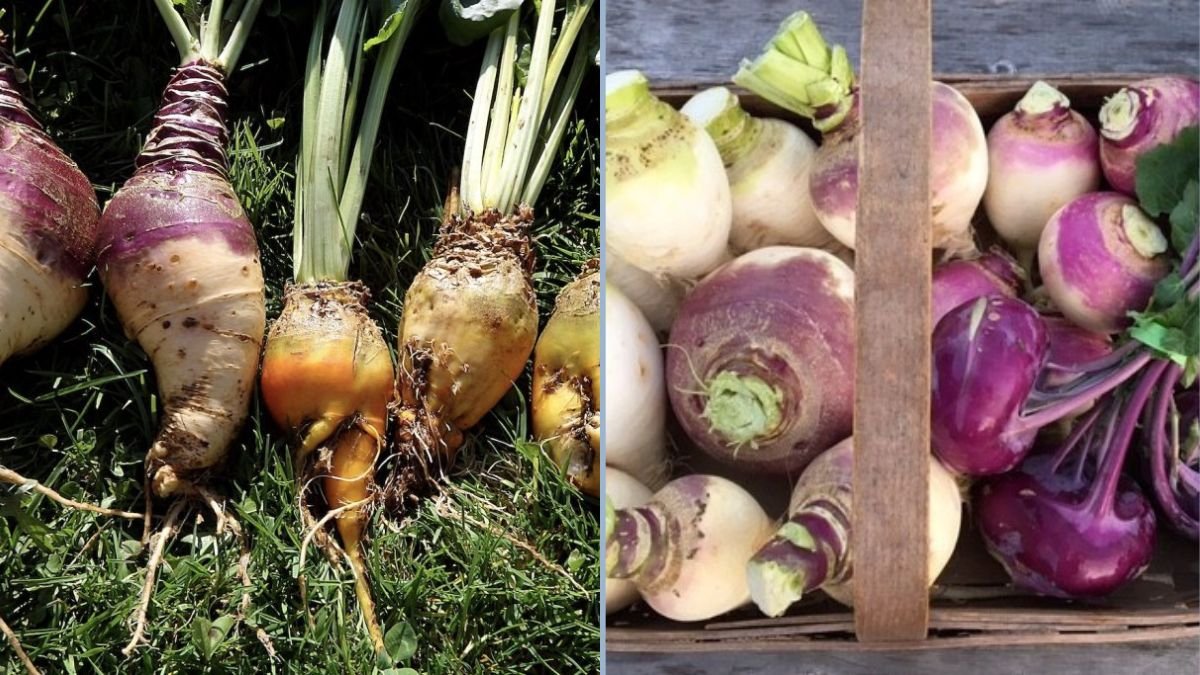
Rutabaga and swede (also called Swedish turnip) are hearty root vegetables with a sweet, earthy flavor that’s perfect for soups, roasts, and mashes. While these vegetables are traditionally grown in garden beds, you can successfully grow them in containers or grow bags, making them an excellent choice for urban gardeners, balcony growers, and anyone short on space.
In this guide, we’ll walk you through how to grow huge rutabaga and swede from seed to harvest, step by step. From selecting the right containers and soil to sowing, caring, and harvesting, this post covers everything you need to know.
Why Grow Rutabaga and Swede in Containers?
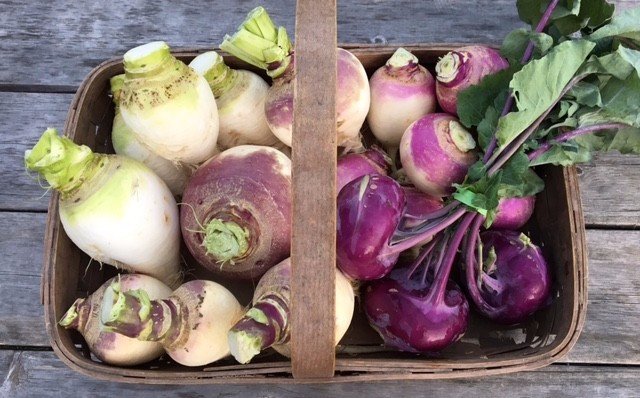
Rutabaga and swede are larger root vegetables, but with the right techniques, containers and grow bags can support their growth. Here’s why container growing works well:
- Space-efficient: Even large root crops can thrive in deep containers or grow bags, perfect for balconies, patios, and small gardens.
- Control over soil: Containers allow you to create loose, nutrient-rich soil, which is crucial for large root development.
- Protection from pests: Elevated containers reduce exposure to soil-borne pests and root diseases.
- Mobility: Grow bags can be moved to optimize sunlight, protect from wind, or manage temperature.
- Urban-friendly: You don’t need a traditional garden plot to grow substantial rutabaga or swede roots.
With containers or grow bags, you can produce large, healthy roots without the challenges of in-ground gardening.
Materials Needed
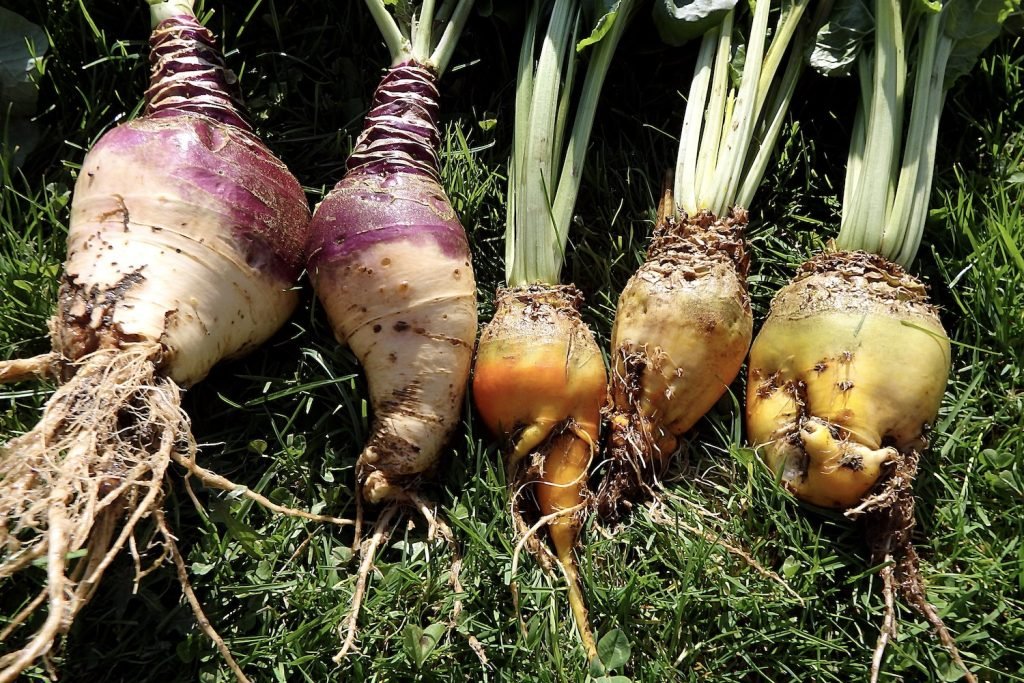
To get started, gather these essentials:
- Container or grow bag: At least 15-20 inches deep and 18-24 inches wide for one or two large roots. Rutabagas need ample space for development.
- Soil mix: Loose, fertile, well-draining soil. A good mix is garden soil, compost, and coarse sand or perlite.
- Rutabaga or swede seeds: Choose varieties suitable for your climate and container growth. ‘American Purple Top’, ‘Laurentian’, and ‘Iris’ are great options.
- Fertilizer or compost: To enrich the soil and support root development.
- Watering can or hose: For gentle, consistent watering.
- Mulch (optional): Straw, leaves, or coconut husk to retain moisture and protect roots.
Step 1: Prepare Containers or Grow Bags
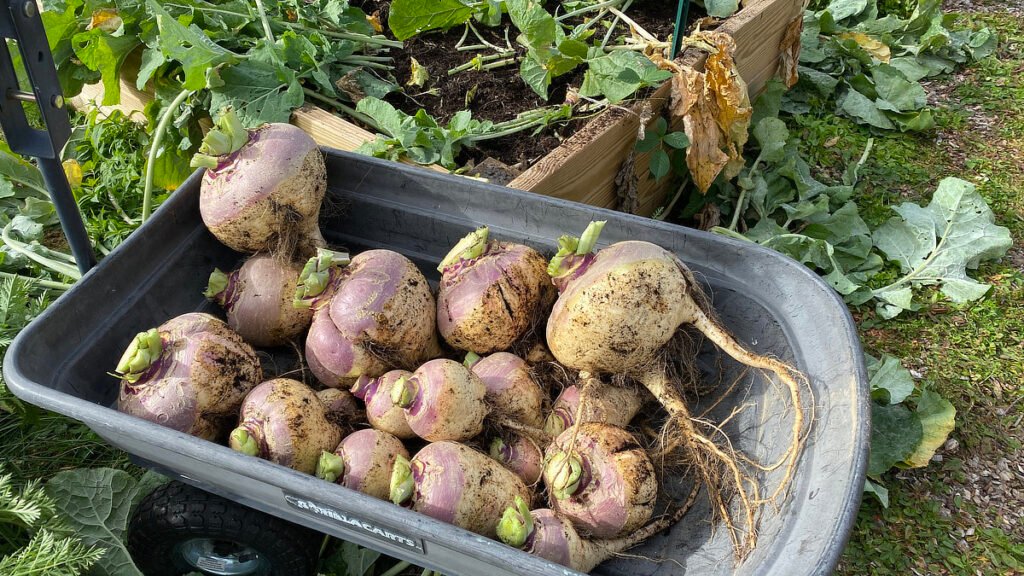
Choose containers or grow bags deep enough for the roots to expand. Rutabaga and swede are large taproot vegetables, so depth is critical. Ensure your container has adequate drainage holes to prevent waterlogging, which can cause root rot.
Fill the container with your prepared soil mix, leaving 2-3 inches from the top for watering. Optional: add a layer of gravel at the bottom for extra drainage.
Step 2: Sowing Seeds
Rutabaga and swede seeds are small and best sown directly into the container:
- Scatter 2-3 seeds per spot or row about ½ inch (1–1.5 cm) deep.
- Space each planting area about 8-12 inches apart to give roots room to grow.
- Cover lightly with soil and water gently to settle the seeds.
Seeds typically germinate in 7-10 days, depending on temperature and moisture.
Step 3: Thinning Seedlings
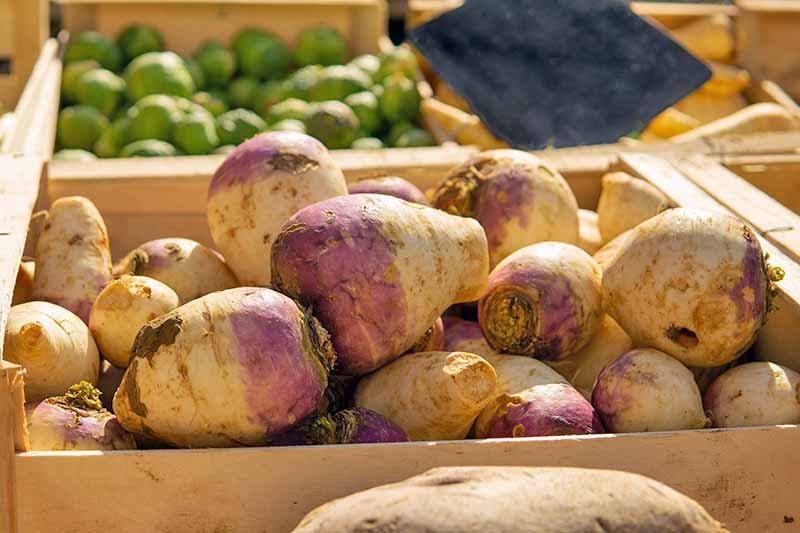
Once seedlings are about 2-3 inches tall, thin them so that each plant has enough space. For container-grown rutabaga and swede, maintain at least 8-10 inches between each plant. This allows roots to grow large without competition.
Thinned seedlings can be transplanted to another container or used in salads as young greens.
Step 4: Sunlight and Placement
Rutabaga and swede prefer full sun but can tolerate partial shade. Place your containers or grow bags where they receive 4-6 hours of sunlight daily.
In hot climates, morning sun with some afternoon shade is ideal. Excessive heat can cause roots to bolt or become woody, while too little sunlight slows growth.
Step 5: Watering and Moisture Management
Consistent moisture is critical for producing large, succulent roots. Water the container deeply once or twice a week, depending on weather, and check soil moisture regularly.
Avoid waterlogging, which can cause root rot, and prevent the soil from drying out completely, which may lead to split or tough roots.
Mulching around the base helps retain moisture, regulates temperature, and reduces weeds.
Step 6: Fertilization
Rutabaga and swede are heavy feeders, so provide sufficient nutrients:
- Mix compost or organic fertilizer into the soil at planting.
- Side-dress with a balanced organic fertilizer mid-season.
- Avoid high-nitrogen fertilizers that promote leafy growth over root development.
Regular feeding encourages the roots to grow large, dense, and flavorful.
Step 7: Caring for Rutabaga and Swede
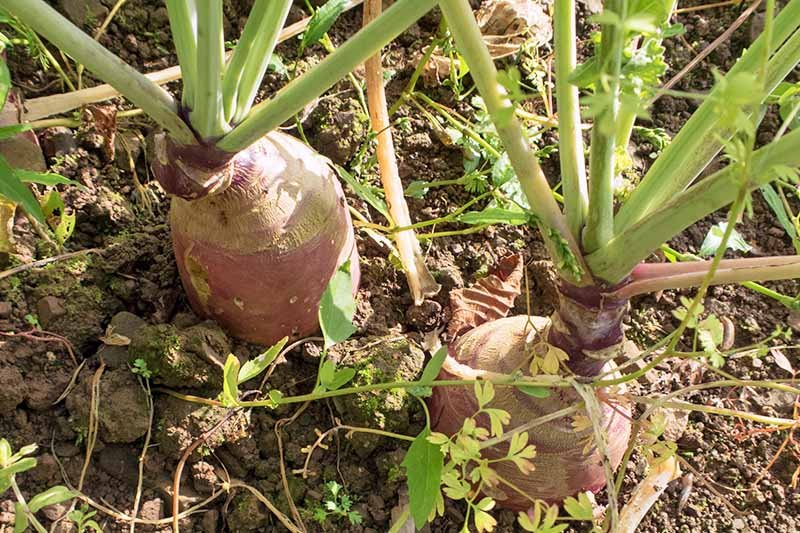
- Thinning and spacing: Keep roots spaced to prevent competition.
- Pest management: Check for aphids, caterpillars, and flea beetles. Use natural methods like neem oil or row covers.
- Temperature control: These vegetables prefer cool to moderate temperatures. In warm climates, provide shade or grow during cooler months.
- Air circulation: Ensure containers are not overcrowded to reduce disease risk.
Step 8: Monitoring Growth
Rutabaga and swede are slow-growing compared to other root vegetables. Expect 90-120 days to maturity for most varieties. During this period:
- Keep the soil evenly moist.
- Watch for leaves turning yellow — this may indicate nutrient deficiency or overwatering.
- Check the top of the root (shoulder) to monitor size. The shoulder should be firm and slightly protruding above soil.
Step 9: Harvesting
Harvest time varies depending on variety and desired size:
- Baby roots: Harvest at 2-3 inches in diameter for tender roots and sweeter flavor.
- Full-sized roots: Typically 4-6 inches in diameter, harvested after 3-4 months.
To harvest, gently loosen soil around the base and lift the root. Don’t leave mature roots too long, as they can become woody or develop a strong, bitter flavor.
Leaves are also edible and nutritious. Younger leaves are ideal for salads, while mature leaves can be cooked like spinach or kale.
Common Problems and Solutions
- Small or misshapen roots: Caused by overcrowding or compact soil. Thin seedlings and ensure loose, well-draining soil.
- Leafy growth with small roots: Often due to excess nitrogen. Use balanced fertilizers to promote root development.
- Root splitting: Can result from irregular watering. Keep soil consistently moist.
- Pests: Aphids, flea beetles, and root maggots can affect plants. Regular inspection and organic treatments help control pests.
- Bolting (flowering early): May occur in hot weather. Grow during cooler months or provide partial shade.
Tips for Growing Giant Rutabaga and Swede
- Choose the right variety: Select large-rooted varieties suited for containers.
- Use deep containers: At least 15-20 inches deep to accommodate large roots.
- Succession planting: Sow seeds every 3-4 weeks for continuous harvest.
- Proper thinning: Space plants adequately to allow roots to expand.
- Regular feeding: Heavy feeders benefit from compost and balanced fertilizers.
- Water management: Consistent, deep watering encourages sweet, large roots.
- Mulching: Helps maintain soil moisture and temperature, especially in containers.
Why Grow in Containers or Grow Bags
Containers and grow bags provide several advantages:
- Mobility: Move plants to optimize sunlight or avoid frost.
- Controlled soil: Prevent soil-borne diseases and manage nutrients.
- Space efficiency: Even large roots can grow in small spaces with proper container selection.
- Urban gardening friendly: Perfect for apartments, terraces, or patios.
With the right care, your rutabaga and swede will grow large, healthy, and flavorful, proving that even in limited space, container gardening can yield impressive results.
Seasonal Considerations
Rutabaga and swede grow best in cool climates. For regions with hot summers:
- Grow in early spring or autumn.
- Provide shade during peak heat.
- Use grow bags or containers that help insulate roots from extreme temperature fluctuations.
In temperate regions, these vegetables can tolerate light frost, which may even enhance their sweetness.
Final Thoughts
Growing giant rutabaga and swede in containers or grow bags is a rewarding and practical way to enjoy fresh, homegrown root vegetables. With the right container, soil, spacing, and care, even urban gardeners can achieve impressive results.
From seed to harvest, this process teaches patience, attention to detail, and the joy of nurturing plants from tiny seeds into hearty, flavorful roots. Whether for soups, stews, roasting, or mashing, your homegrown rutabaga and swede will add a touch of fresh, earthy flavor to any meal.
Container and grow bag gardening proves that even large root vegetables don’t need a big backyard — all you need is the right setup, consistent care, and a little patience to harvest huge, nutritious roots.
Start your container rutabaga and swede garden today, and in a few months, you’ll enjoy the satisfaction of digging up homegrown giants, right from your balcony or terrace.