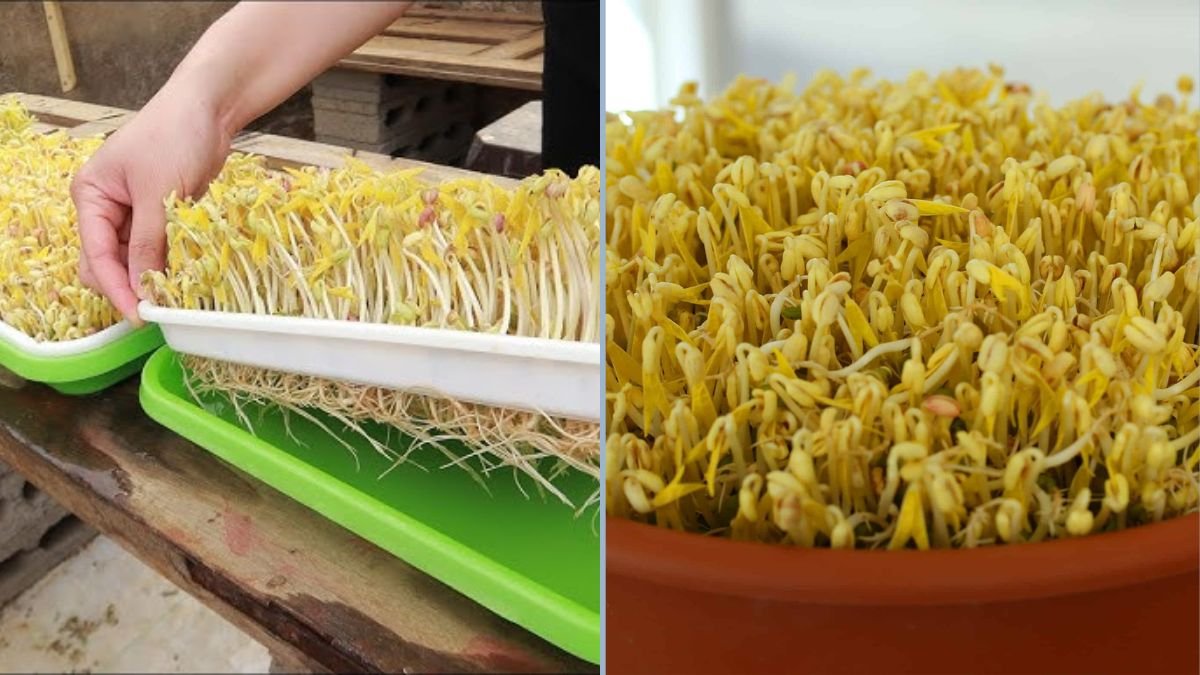
Fresh, crunchy, and full of nutrition — mung bean sprouts are a staple in many Asian kitchens and health-conscious households around the world. Whether you toss them in a stir-fry, sprinkle them over salads, or blend them into smoothies, these tiny sprouts pack a big punch of vitamins, minerals, and plant-based protein.
The best part? You can grow mung bean sprouts easily at home, without soil, fertilizer, or fancy equipment. All you need are some mung beans, water, and a bit of patience.
In this detailed guide, you’ll learn a fascinating method for growing mung bean sprouts at home — step-by-step — along with helpful tips, nutritional facts, and common mistakes to avoid.
What Are Mung Bean Sprouts?
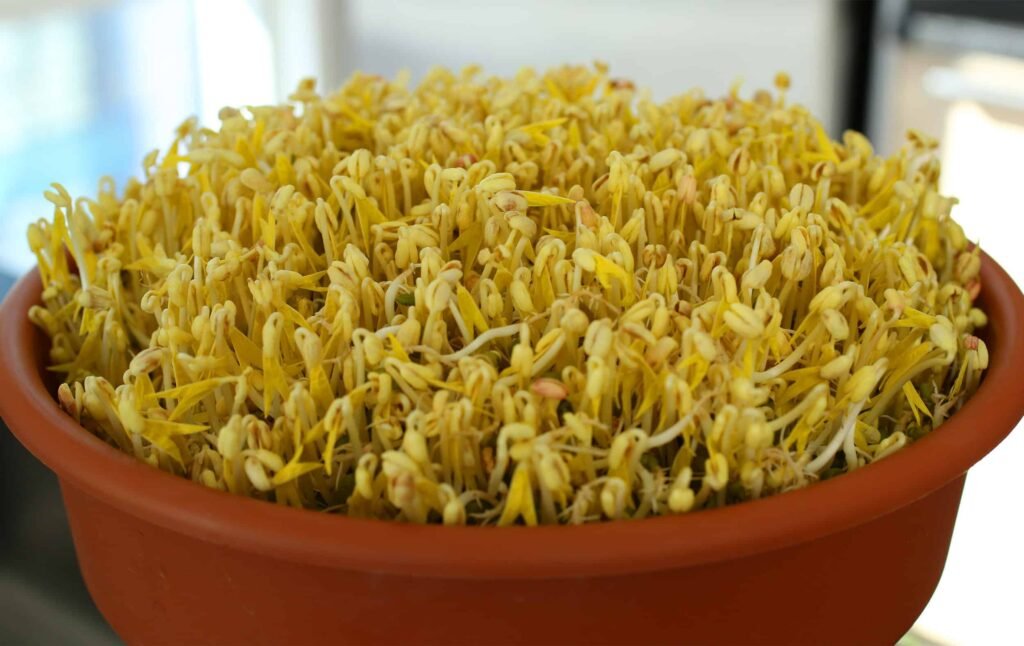
Mung bean sprouts are the tender, young shoots that emerge when mung beans (Vigna radiata) begin to germinate. These sprouts are commonly used in Asian cuisine, especially in Chinese, Korean, Indian, Thai, and Vietnamese dishes.
They have a crisp texture and a slightly sweet, nutty taste. Mung bean sprouts are a natural source of vitamins A, C, and K, minerals like iron and potassium, and dietary fiber. They’re also rich in plant-based protein, making them an excellent addition to vegetarian and vegan diets.
Why Grow Mung Bean Sprouts at Home?
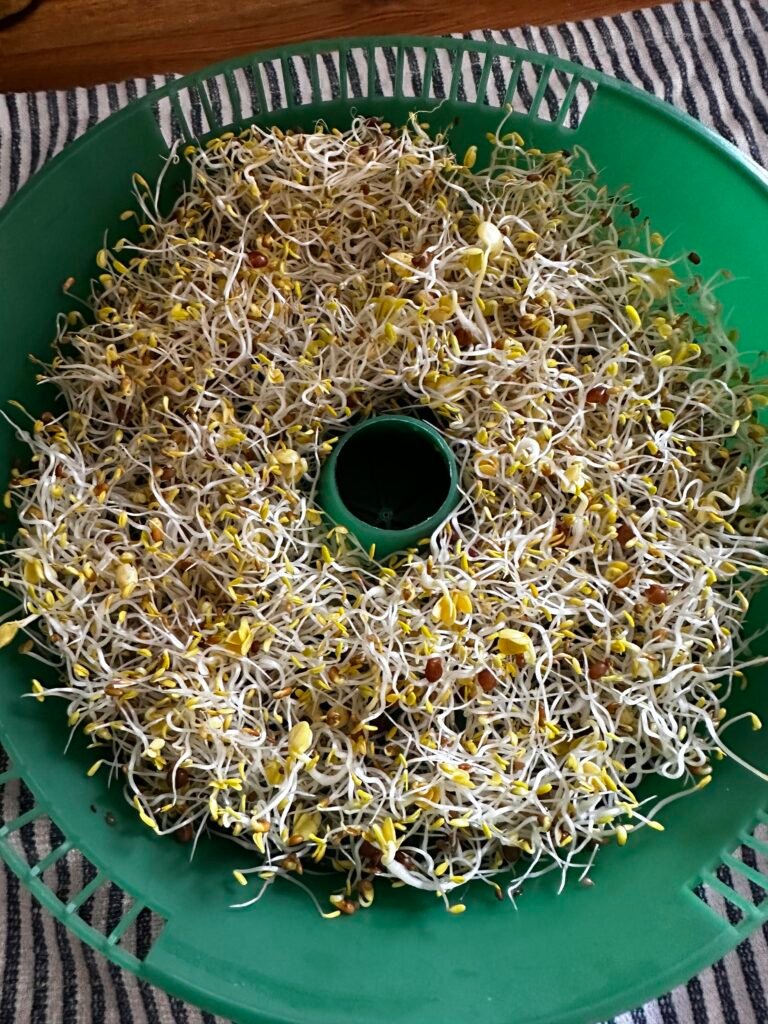
While store-bought sprouts are widely available, growing your own has several benefits:
1. Freshness
Homegrown sprouts are always fresher and more flavorful than store-bought ones, which may have been sitting on shelves for days.
2. Hygiene and Safety
Commercial sprouts are sometimes linked to bacterial contamination. Growing them at home ensures clean and safe production under your control.
3. Cost-Effective
A handful of mung beans can yield several cups of sprouts — it’s one of the cheapest and most sustainable superfoods you can grow at home.
4. No Soil, No Mess
Mung bean sprouts grow without soil, making them perfect for apartment dwellers or anyone short on gardening space.
5. Quick Results
You’ll start seeing sprouts in just 2–3 days, making this one of the fastest-growing foods you can cultivate indoors.
What You’ll Need
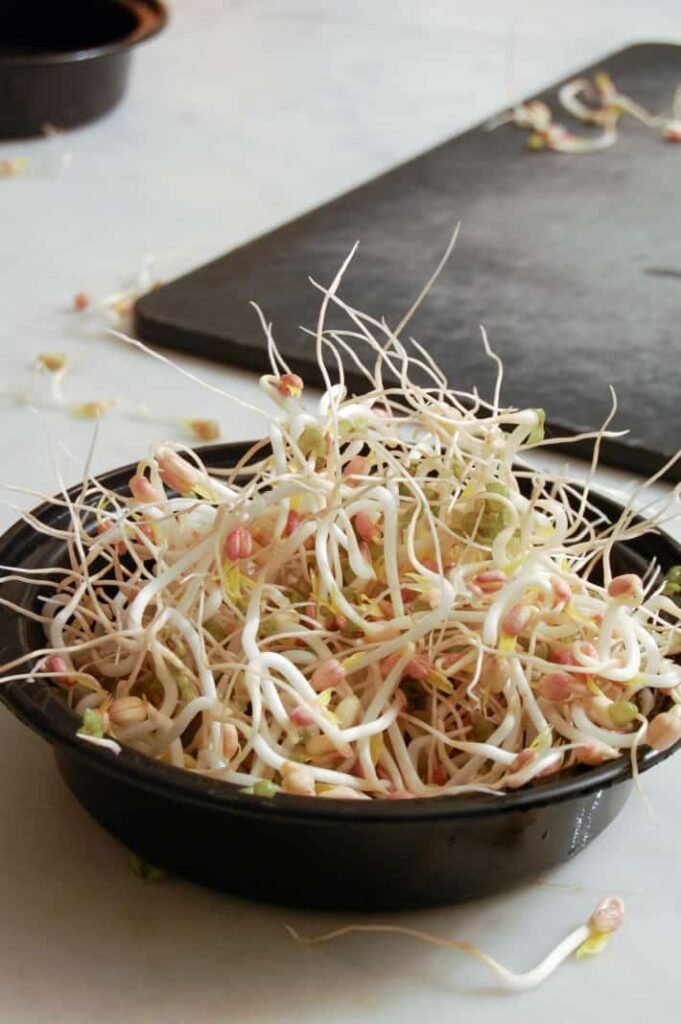
Before you start, gather these simple materials:
- Mung beans (whole, unpolished, organic if possible)
- A glass jar or bowl (preferably wide-mouthed)
- A piece of breathable cloth or mesh (like muslin or cheesecloth)
- A rubber band or string to secure the cloth
- Clean water (filtered or boiled and cooled)
- A dark, warm space for sprouting
Step-by-Step: Fascinating Method to Grow Mung Bean Sprouts at Home
Here’s the full process, from soaking to harvesting:
Step 1: Choose and Rinse Your Beans
Start with ¼ to ½ cup of mung beans — they expand significantly during soaking and sprouting.
Place them in a bowl and rinse thoroughly with clean water 2–3 times to remove dust or debris.
Inspect the beans and remove any broken or discolored ones for best results.
Step 2: Soak Overnight
Soak the rinsed beans in three times their volume of water (e.g., 1 cup beans → 3 cups water).
Leave them to soak overnight (8–12 hours) at room temperature. During this time, the beans absorb water, swell, and prepare for germination.
Tip: Don’t soak for more than 12 hours, as overly soaked beans may turn mushy or start fermenting.
Step 3: Drain and Rinse
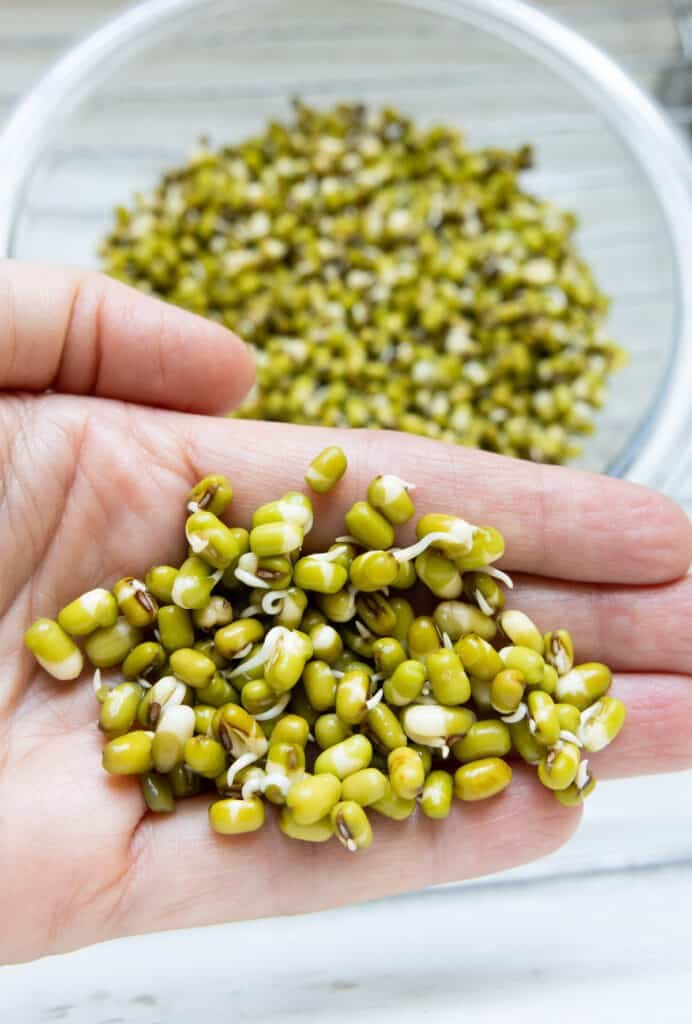
The next morning, drain the water completely.
Rinse the beans once more under clean running water and drain well again — moisture is important, but stagnant water can cause mold.
If you’re using a jar, cover the opening with a mesh or cloth secured by a rubber band for easy rinsing and drainage.
Step 4: Create a Dark, Moist Environment
Mung bean sprouts grow best in dark and humid conditions.
- Place your drained beans in a jar or bowl.
- Cover with a breathable cloth to keep insects and dust out.
- Store the container in a dark, warm place — such as inside a kitchen cabinet or a cupboard.
Avoid direct sunlight, as it can make the sprouts turn bitter and pale green instead of creamy white.
Step 5: Rinse and Drain Twice a Day
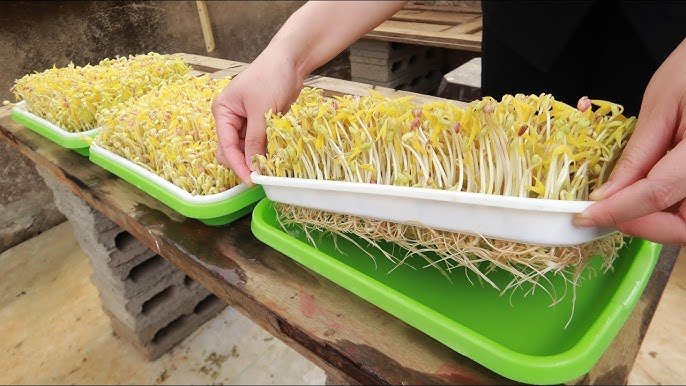
Every 12 hours (morning and evening), rinse the beans with cool, clean water and drain thoroughly.
This step is crucial — it keeps the beans moist and prevents bacterial growth.
Within 24–36 hours, you’ll start to see tiny white roots emerging. By day 2 or 3, the sprouts will grow longer and thicker.
Step 6: Harvesting Your Sprouts
Your mung bean sprouts are ready to harvest once they reach 1–2 inches in length — usually after 3–4 days.
For thicker, juicier sprouts, continue sprouting for one extra day, keeping them moist but not soaked.
To harvest:
- Give them a final rinse.
- Gently remove the green seed coats if desired (they float in water).
- Drain completely.
Your fresh, crunchy mung bean sprouts are now ready to eat!
Optional Step: Encourage Plumper Sprouts
If you prefer thick, crunchy sprouts like those sold in Asian markets, here’s a simple trick:
- Apply light pressure during sprouting.
Place a light plate or weight on top of the beans while they sprout.
This encourages the sprouts to push against resistance, growing fatter and juicier.
Storage and Shelf Life
Once harvested, store mung bean sprouts in the refrigerator in an airtight container lined with a paper towel.
They’ll stay fresh for up to 4–5 days. Avoid washing them again before storage; rinse only right before using to maintain crispness.
How to Use Mung Bean Sprouts
Mung bean sprouts are incredibly versatile. Here are a few delicious ideas:
1. Fresh Salads
Mix raw sprouts with cucumber, tomatoes, lemon juice, and salt for a refreshing, high-protein salad.
2. Stir-Fries
Quickly toss with garlic, soy sauce, and sesame oil for a crunchy, nutritious side dish.
3. Curries and Soups
Add sprouts at the end of cooking for extra texture and nutrients.
4. Sandwiches and Wraps
Use as a fresh topping for sandwiches, rolls, and spring rolls.
5. Smoothies
Blend a handful of raw sprouts into your green smoothies for a boost of plant-based protein.
Nutritional Benefits of Mung Bean Sprouts
Here’s why mung bean sprouts are considered a superfood:
| Nutrient | Benefit |
|---|---|
| Vitamin C | Boosts immunity and promotes skin health |
| Vitamin K | Supports bone strength |
| Iron | Prevents fatigue and anemia |
| Folate | Essential for cell repair and energy |
| Fiber | Improves digestion and gut health |
| Protein | Helps build muscle and maintain energy |
Sprouting also increases the bioavailability of nutrients, making mung bean sprouts more nutritious than dry beans.
Common Mistakes to Avoid
Even though growing mung bean sprouts is simple, beginners sometimes run into issues. Here’s how to avoid them:
- Using too many beans: Beans expand while sprouting — start small to prevent overcrowding.
- Skipping rinsing: Infrequent rinsing leads to bad odor and mold growth.
- Too much water: Sprouts should be damp, not waterlogged.
- Exposure to sunlight: Causes bitterness and green sprouts.
- Not draining properly: Excess moisture encourages bacterial growth.
Stay consistent with rinsing and draining, and you’ll have perfect sprouts every time!
Sustainability and Zero-Waste Gardening
Growing mung bean sprouts is an excellent example of sustainable living.
- It requires no soil, pesticides, or fertilizers.
- You can reuse jars or bowls you already have at home.
- Water used for rinsing can be repurposed to water houseplants.
This simple, zero-waste growing method allows you to produce nutritious food from your kitchen counter—no garden required!
Final Thoughts: Growing Health from a Handful of Beans
The process of sprouting mung beans is more than just gardening — it’s a lesson in patience, simplicity, and sustainability. Watching those tiny beans transform into crisp, nourishing sprouts in just a few days is nothing short of fascinating.
With this easy home method, you can enjoy fresh mung bean sprouts anytime — straight from your own kitchen. Whether you’re looking to eat healthier, save money, or explore urban gardening, mung bean sprouting is the perfect place to start.
So grab a handful of mung beans, a jar, and some water — and witness nature’s magic unfold right on your countertop!
Suggested SEO Keywords
grow mung bean sprouts at home, mung bean sprouting method, homemade bean sprouts, sprouting guide, mung bean recipes, how to grow sprouts indoors, urban gardening, healthy plant-based foods