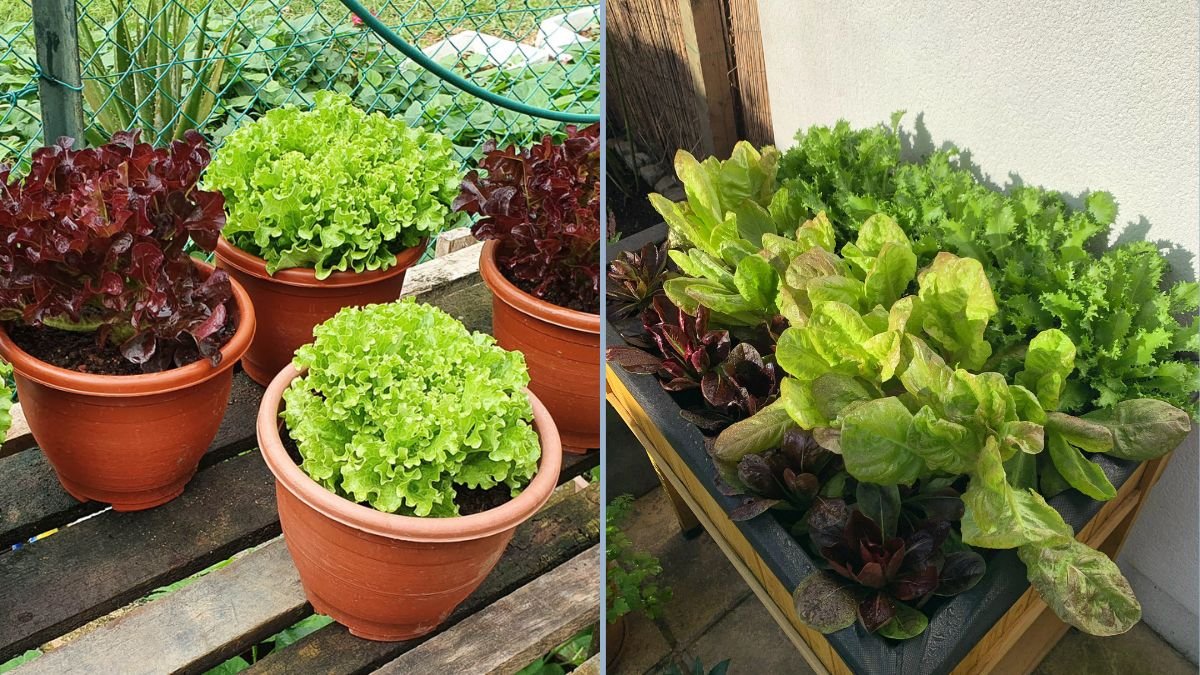
Romaine lettuce is a crisp, nutritious leafy green that’s a staple in salads, wraps, and sandwiches. Growing it at home gives you control over freshness, flavor, and quality, and it’s easier than you might think—especially when using containers. Container gardening allows you to grow romaine lettuce on balconies, patios, small yards, or even indoors with sufficient light. This guide walks you through growing romaine lettuce from seed to harvest in containers, step by step, so you can enjoy fresh, homegrown leaves all season long.
Why Grow Romaine Lettuce in Containers?
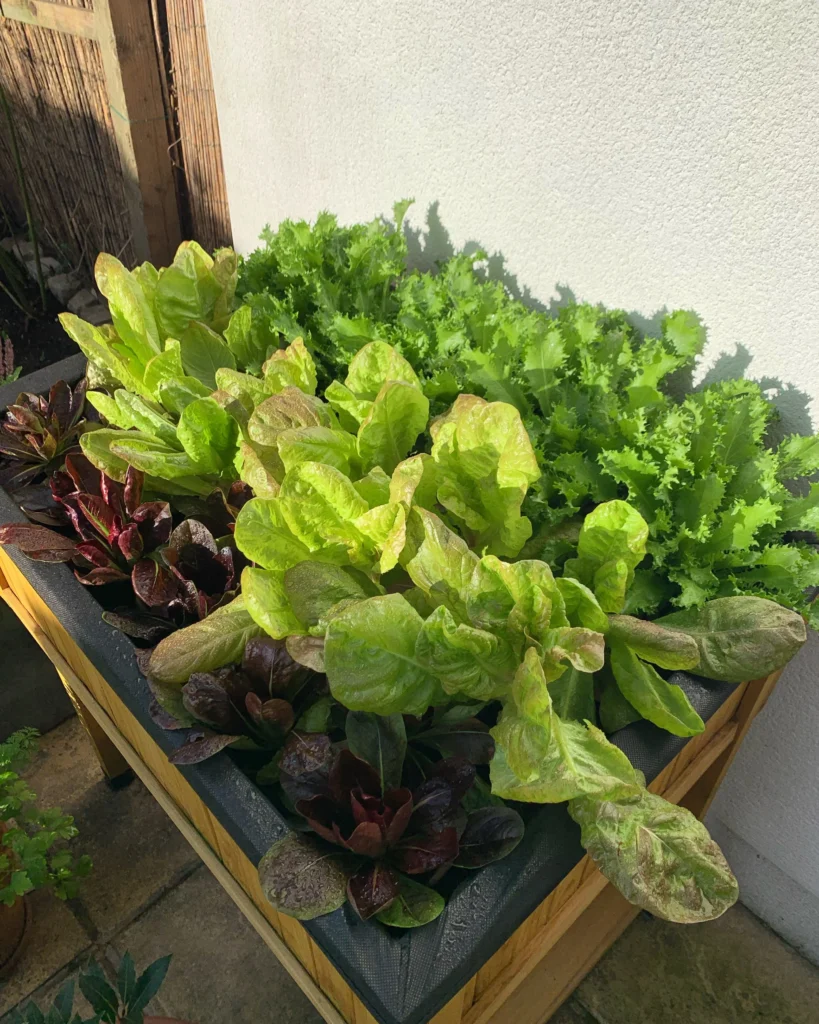
Container gardening is ideal for people with limited space or those looking to grow fresh produce without a traditional garden. Romaine lettuce thrives in containers because it has a relatively shallow root system and grows quickly.
Growing your own lettuce offers several benefits:
- Freshness: Pick leaves when you need them for maximum flavor and nutrition.
- Pesticide-Free: You control the growing environment and avoid harmful chemicals.
- Space Efficiency: Containers make it possible to grow leafy greens in small spaces.
- Continuous Harvest: With proper planning, you can harvest leaves repeatedly throughout the season.
1 | Choosing the Right Container
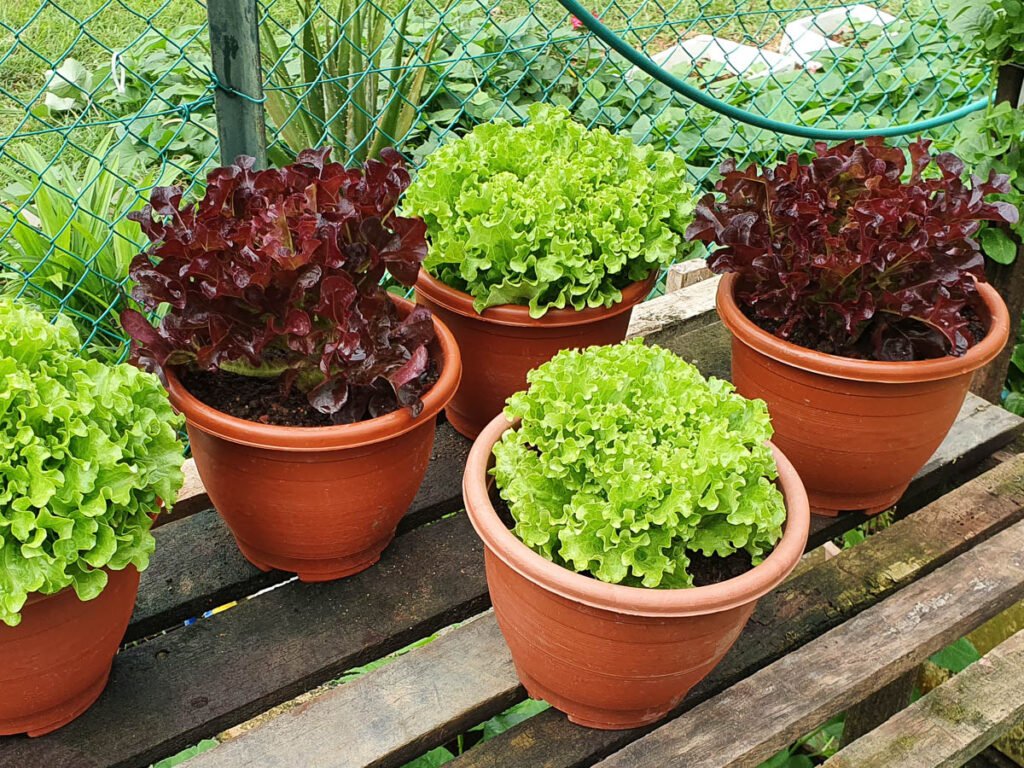
The container is critical for success. Romaine lettuce requires a container that is at least 6–8 inches deep to accommodate roots. Width can vary depending on the number of plants:
- Small containers (6–8 inches wide): Ideal for 1–2 plants.
- Medium containers (12–18 inches wide): Can fit 3–4 plants.
- Large containers or troughs: Perfect for growing a small salad patch.
Ensure the container has drainage holes to prevent waterlogging, which can lead to root rot. Materials like plastic, ceramic, or fabric grow bags work well, as long as they hold soil moisture without becoming waterlogged.
2 | Selecting the Right Soil
Romaine lettuce prefers loose, fertile, well-draining soil. A high-quality potting mix is ideal, as it provides the right balance of drainage, aeration, and nutrients. Avoid using garden soil alone, as it can compact in containers and limit root growth.
For best results, mix in:
- Compost: Provides nutrients and improves soil structure.
- Perlite or vermiculite: Enhances drainage.
- Organic fertilizer: Gives lettuce a nutrient boost for healthy growth.
Aim for a soil pH of 6.0–7.0, which is optimal for romaine lettuce.
3 | Sowing Romaine Lettuce Seeds
Indoor Sowing
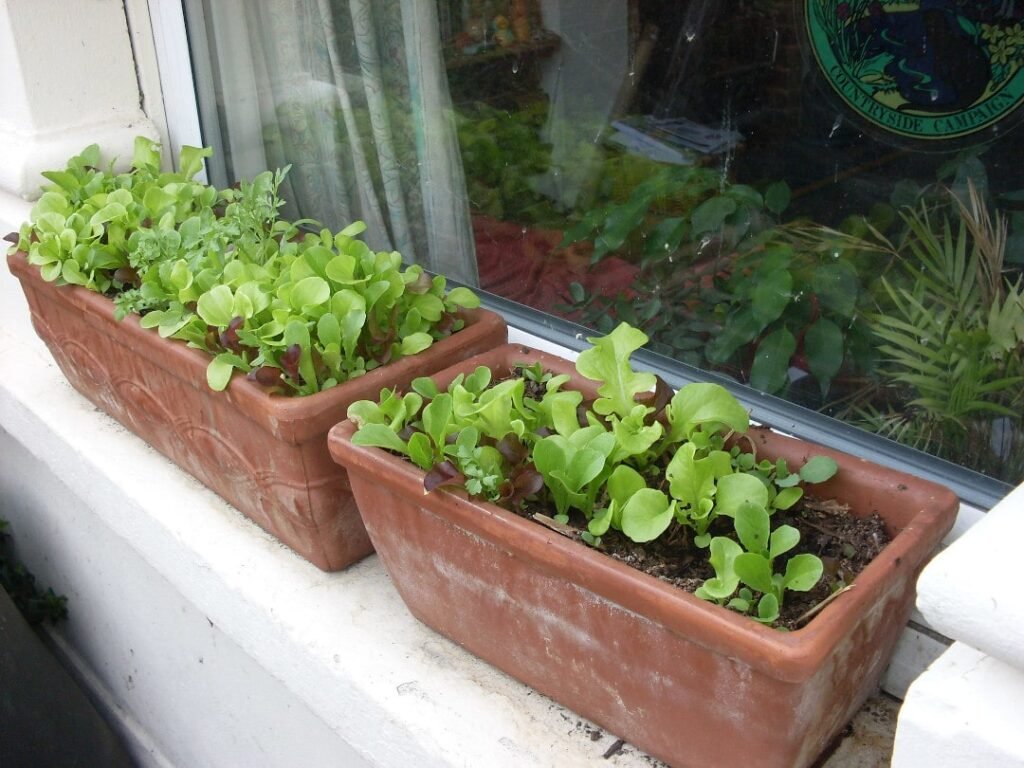
Starting seeds indoors allows you to get a jump on the growing season. Use seed trays or small pots filled with moist potting mix. Plant seeds about ½ cm deep and keep the soil consistently moist. Lettuce seeds germinate best at temperatures between 18–22°C. Most seeds sprout in 7–10 days.
Once seedlings develop 2–3 true leaves, they are ready to be transplanted into larger containers.
Direct Sowing in Containers
If you prefer to sow directly in containers, fill your container with prepared soil and create shallow rows about ½ cm deep. Sow seeds thinly, cover lightly with soil, and water gently. Once seedlings emerge, thin them to about 20–25 cm apart to allow room for full-sized romaine heads.
4 | Transplanting Seedlings
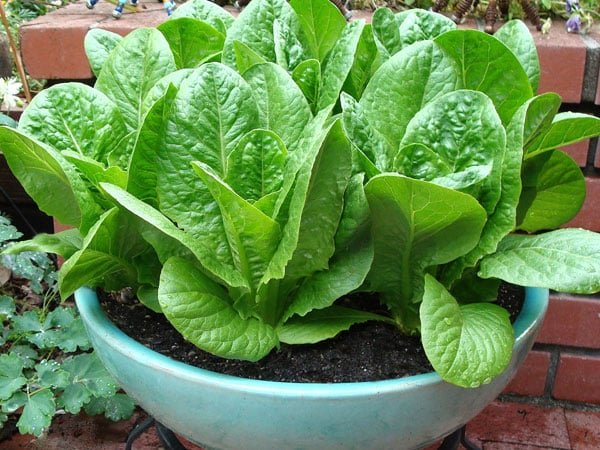
When seedlings are sturdy and have developed a few true leaves, they can be transplanted into their final containers. Make sure to:
- Space plants 20–25 cm apart for proper airflow.
- Handle seedlings gently to avoid damaging roots.
- Water thoroughly after transplanting to settle the soil.
If using multiple plants in a single container, consider staggered planting to ensure continuous harvests over several weeks.
5 | Sunlight and Location
Romaine lettuce thrives in full sun but tolerates partial shade. For container gardens:
- Place containers where they receive at least 4–6 hours of direct sunlight per day.
- In hot climates, provide afternoon shade to prevent lettuce from bolting (going to seed too quickly).
- For indoor container gardens, a south-facing window or supplemental grow lights work well to provide sufficient light.
6 | Watering Romaine Lettuce
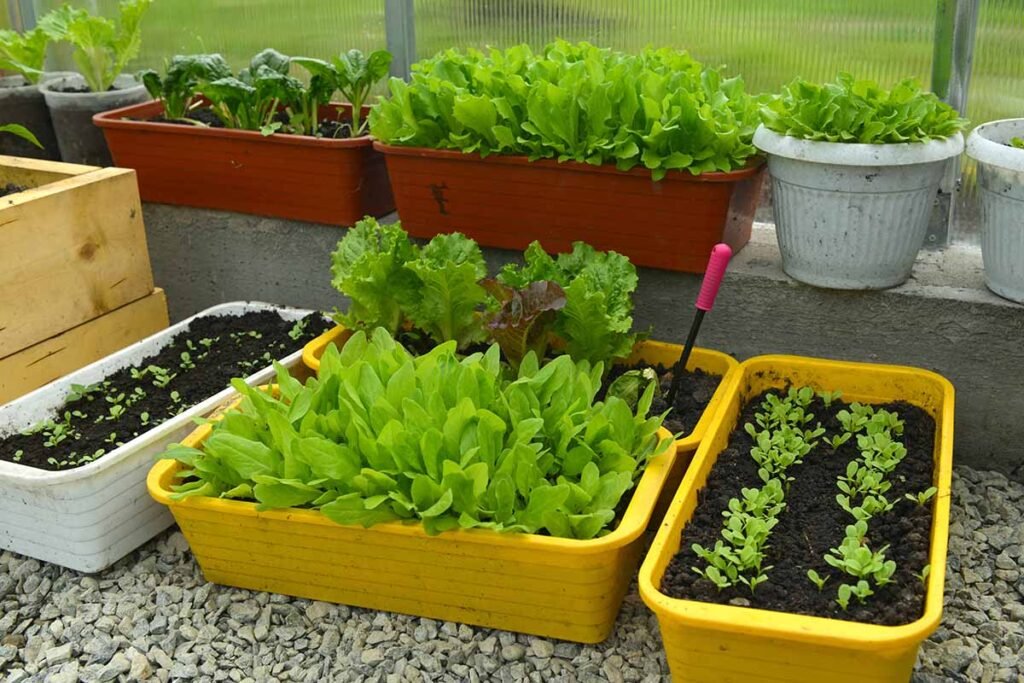
Consistent moisture is essential for crisp, tender leaves. Lettuce prefers evenly moist soil, but it should never be soggy. Tips for container watering:
- Water lightly daily during hot, dry weather.
- Check soil moisture regularly; containers dry faster than garden beds.
- Mulch the surface lightly with straw or compost to retain moisture and reduce temperature fluctuations.
Uneven watering can result in bitter leaves or slow growth, so maintaining consistency is key.
7 | Fertilizing Container Lettuce
Romaine lettuce grows quickly and uses nutrients rapidly. To support healthy growth:
- Apply a balanced, water-soluble fertilizer every 2–3 weeks.
- Alternatively, top-dress containers with compost or worm castings to provide steady nutrition.
- Avoid excessive nitrogen, which can cause overly soft leaves prone to disease.
Balanced feeding ensures full, crisp heads without compromising flavor.
8 | Pest and Disease Management
Even in container gardens, lettuce can face pests and diseases:
Common Pests
- Aphids: Small insects that suck sap, causing curled or distorted leaves. Spray with water or use insecticidal soap.
- Slugs and Snails: Feed on leaves, especially in damp conditions. Remove by hand or use traps.
- Leaf Miners: Larvae tunnel into leaves, damaging tissue. Remove affected leaves promptly.
Common Diseases
- Downy Mildew: White patches on the undersides of leaves. Improve airflow and avoid wetting foliage.
- Lettuce Mosaic Virus: Causes yellow mottling and stunted growth. Remove affected plants to prevent spread.
- Root Rot: Results from overwatering or poor drainage. Ensure containers have adequate drainage.
Regular monitoring, proper spacing, and clean gardening practices help minimize problems.
9 | Head Formation and Growth
Romaine lettuce forms long, upright heads with crisp leaves. During growth:
- Thin seedlings if overcrowded to prevent competition.
- Maintain even soil moisture and nutrient supply.
- Remove damaged or yellowing leaves to encourage healthy growth.
Depending on the variety, romaine lettuce matures in 60–75 days. Monitor head development and harvest at the optimal stage for crisp, tender leaves.
10 | Harvesting Romaine Lettuce
Timing
Romaine lettuce can be harvested as:
- Leaf harvest: Pick individual outer leaves for continuous use.
- Whole head harvest: Cut the entire plant at the base once the head is firm.
Harvesting outer leaves allows inner leaves to continue growing, giving multiple harvests from the same plant.
Technique
Use a sharp knife or scissors to cut leaves cleanly. Avoid tearing, which can damage the plant and attract pests or diseases. Wash leaves gently before use to remove soil and debris.
Storage Tips
Freshly harvested lettuce stores well in the refrigerator for up to a week. Wrap leaves in a damp paper towel and place them in a perforated plastic bag to maintain crispness. For best flavor and texture, consume leaves soon after harvesting.
11 | Maximizing Container Space
For small spaces or balconies:
- Succession planting: Sow seeds every 2–3 weeks for a continuous supply.
- Vertical containers: Stack planter boxes or use tiered shelves to maximize space.
- Companion planting: Grow herbs like basil or chives alongside lettuce to make efficient use of containers.
Even a small balcony or patio can yield a steady supply of fresh romaine lettuce with smart container management.
12 | Common Challenges and Solutions
- Bolting: Caused by high temperatures or stress. Provide partial shade in hot weather and consistent water.
- Bitter leaves: Often due to heat stress or uneven watering. Maintain stable soil moisture and harvest leaves at the right stage.
- Pest infestation: Use row covers or natural deterrents for aphids and slugs.
- Nutrient deficiencies: Regular feeding with compost or balanced fertilizer prevents stunted growth.
13 | Benefits of Growing Romaine Lettuce in Containers
Container-grown lettuce allows you to:
- Grow fresh, pesticide-free greens in small spaces.
- Harvest continuously for salads and cooking.
- Reduce grocery bills and reliance on store-bought lettuce.
- Engage in sustainable, urban-friendly gardening.
The convenience of container gardening makes it accessible to apartment dwellers, urban gardeners, and anyone with limited outdoor space.
14 | Final Thoughts
Growing romaine lettuce in containers is practical, rewarding, and perfect for small-space gardening. By following these steps:
- Choose suitable containers with drainage
- Use fertile, well-draining soil
- Sow seeds or transplant seedlings correctly
- Provide consistent sunlight, water, and nutrients
- Monitor for pests and diseases
- Harvest at the right time
…you can enjoy crisp, tender lettuce straight from your container garden. With patience and care, even a small balcony or patio can produce a steady supply of fresh, flavorful romaine lettuce all season long.