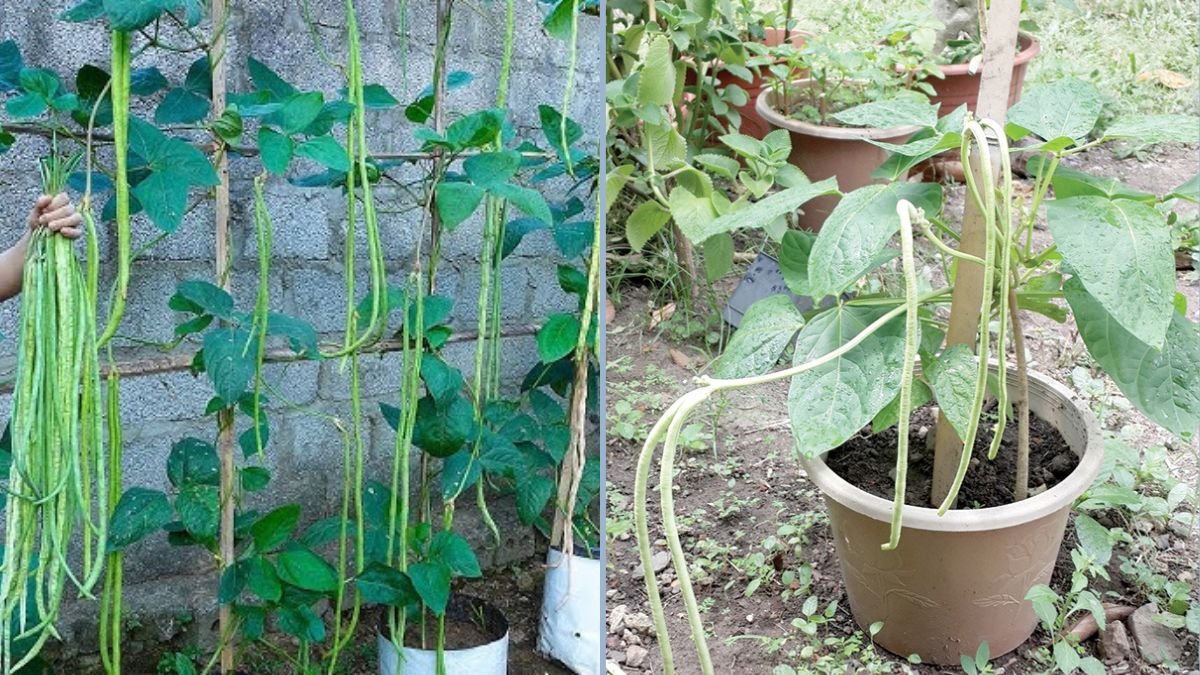
If you’ve ever dreamed of growing your own fresh, crunchy long beans—also known as bodi, yardlong beans, or asparagus beans—you’re in the right place. These slender, flavorful beans are a staple in Asian and Caribbean cooking and can grow up to a yard long (hence the name!). They thrive in warm climates, are easy to grow, and produce generous harvests throughout the summer.
In this post, we’ll walk you through everything you need to know about planting, caring for, and harvesting long beans—from choosing the right variety to enjoying your first crop.
What Are Long Beans (Bodi / Yardlong Beans)?
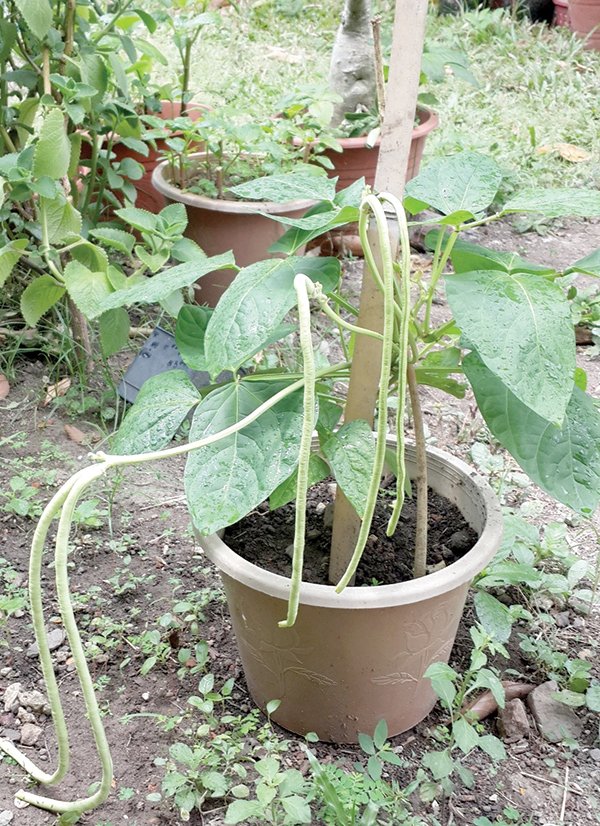
Long beans (Vigna unguiculata subsp. sesquipedalis) are close relatives of the black-eyed pea and native to Southeast Asia. Despite their name, they’re not true beans like the common green bean (Phaseolus vulgaris).
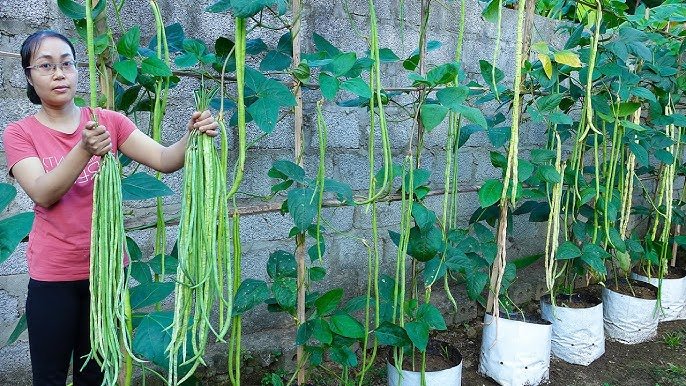
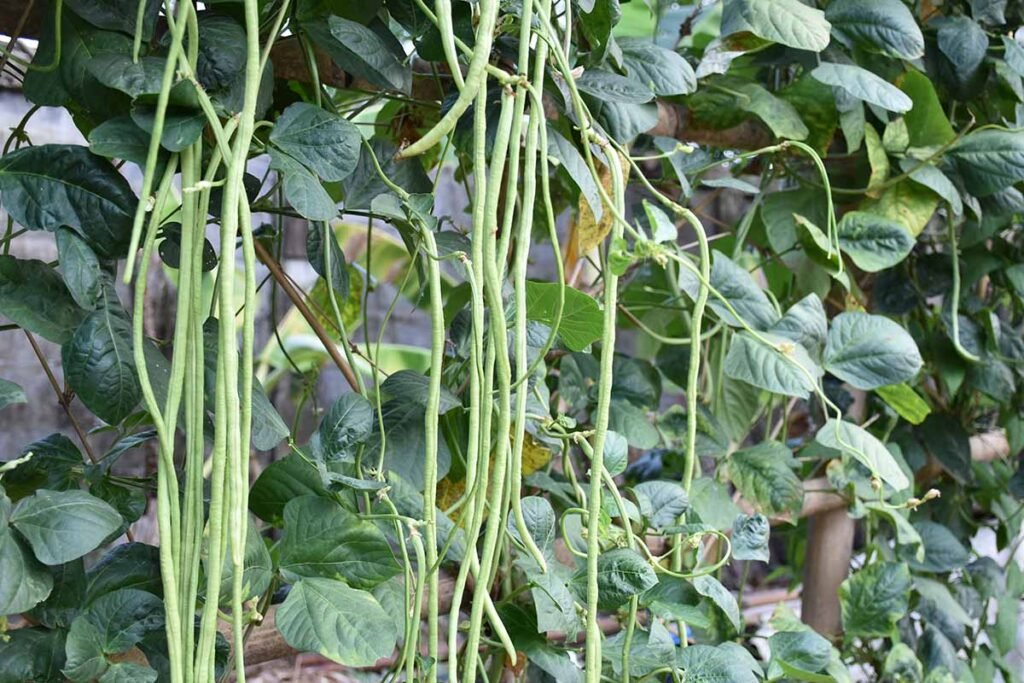
These tropical climbers produce long, thin pods that can reach 30–90 cm (12–36 inches) in length. The beans have a mild, slightly sweet flavor and tender texture, making them perfect for stir-fries, curries, and soups.
Common Names Around the World
- Bodi – Caribbean
- Yardlong Bean – United States and Europe
- Snake Bean / Asparagus Bean – Asia
- Chinese Long Bean – East Asia
No matter what you call them, they all refer to the same vigorous, high-yielding plant.
Ideal Growing Conditions for Long Beans
Long beans are warm-season crops that thrive in tropical and subtropical regions. They need plenty of sunshine, warmth, and moisture to flourish.
Temperature & Sunlight
- Optimal temperature: 25–35°C (77–95°F)
- Require at least 6–8 hours of direct sunlight daily
- Sensitive to cold—avoid planting until after the last frost
Soil Requirements
- Well-drained, loamy soil enriched with organic matter
- Ideal pH: 6.0–7.5
- Avoid waterlogged conditions as roots can rot easily
Preparing the Soil
Before planting, loosen the soil to about 12 inches deep and mix in compost or aged manure. This helps retain moisture and improves soil fertility.
Planting Long Beans Step-by-Step
You can grow long beans directly from seed, as they germinate quickly and don’t like being transplanted.
1. Selecting Seeds
Choose a high-quality seed variety suitable for your region. Common types include:
- Red Seeded Yardlong Bean – Produces purple pods
- Green Pod Asparagus Bean – Standard green variety with long, slender pods
2. Sowing the Seeds
- Plant seeds 1 inch deep and 3 inches apart.
- Space rows 3–4 feet apart to give vines room to climb.
- Water gently after sowing.
If you live in a cooler climate, start seeds indoors 3–4 weeks before the last frost, then transplant carefully once the soil warms up.
3. Trellis Setup
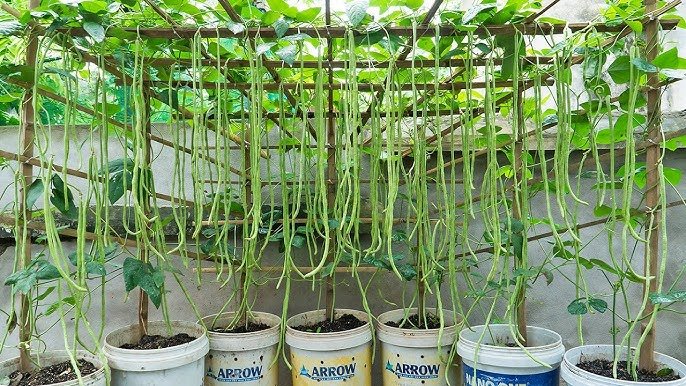
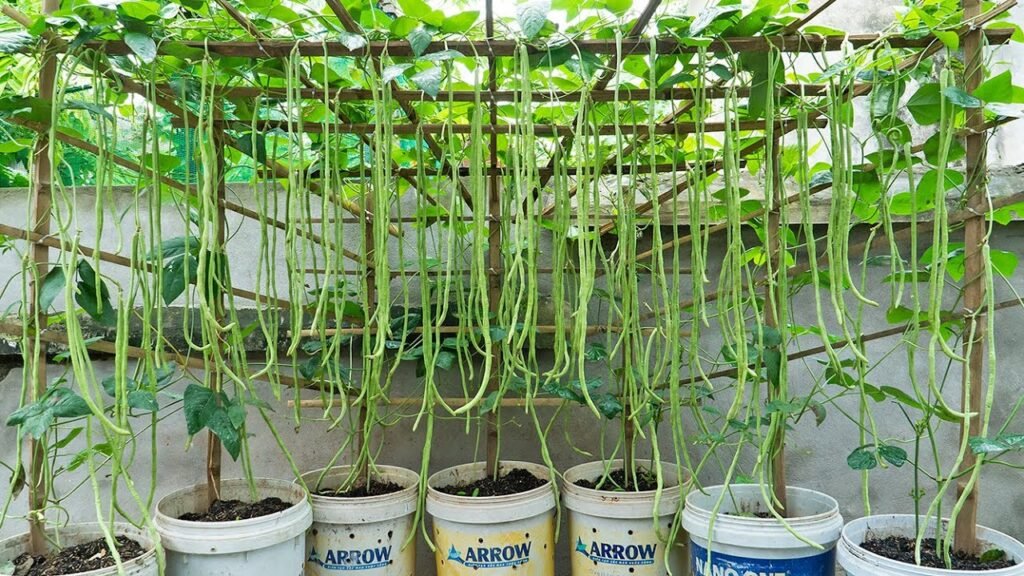
Long beans are vigorous climbers and need strong support.
Use:
- Bamboo poles
- Wire trellises
- Netting or garden fencing
Train the vines upward early on to keep the pods clean and straight.
Caring for Long Bean Plants
Once your seedlings have sprouted, proper care ensures strong growth and abundant harvests.
Watering
Keep the soil consistently moist but not soggy.
- Water deeply 2–3 times a week, especially during dry spells.
- Avoid overhead watering to prevent fungal diseases.
Fertilization
Long beans are nitrogen-fixing legumes, meaning they enrich the soil naturally. However, a light feeding helps boost production.
- Apply balanced organic fertilizer (10-10-10) when plants begin to flower.
- Avoid excessive nitrogen—it promotes leaf growth at the expense of pods.
Weeding and Mulching
- Keep the bed weed-free, especially when plants are young.
- Add a layer of mulch (straw, leaves, or compost) to conserve moisture and regulate soil temperature.
Pest and Disease Management
Common pests include:
- Aphids
- Bean beetles
- Spider mites
Control them with neem oil spray or a mild soap solution.
Diseases like powdery mildew or root rot can appear in humid or poorly drained conditions, so ensure good airflow and avoid overwatering.
Flowering and Pod Development
After about 45–60 days, long bean plants begin to bloom with delicate purple or white flowers. Within a few days, pods start forming.
Each vine can produce dozens of pods during the growing season. Regular harvesting encourages continuous flowering and new pod development.
Pro Tip:
If you leave pods too long on the vine, they become tough and fibrous. Frequent picking keeps them tender and boosts yield.
How and When to Harvest Long Beans
The most exciting part—harvesting your homegrown long beans!
When to Harvest
- Usually 60–75 days after sowing.
- Pick pods when they are 12–18 inches long and still smooth and firm.
- Avoid waiting until the seeds inside bulge; younger pods taste best.
How to Harvest
- Use scissors or pinch off pods gently to avoid damaging vines.
- Harvest every 2–3 days for continuous production.
A single healthy plant can yield dozens of pods throughout the season!
Post-Harvest Handling and Storage
Fresh long beans have a short shelf life, so handle them carefully.
Storage Tips
- Keep unwashed beans in a plastic bag in the refrigerator.
- They last up to 5–7 days when properly stored.
- For longer preservation, blanch and freeze them for up to six months.
Drying for Seeds
If you wish to save seeds:
- Let a few pods fully mature and dry on the vine.
- Shell and store seeds in an airtight jar for next season’s planting.
Culinary Uses: Cooking with Long Beans
Long beans are extremely versatile in the kitchen. Their slightly chewy texture and mild flavor make them suitable for a variety of dishes.
Popular Dishes
- Asian Stir-Fries: Toss with garlic, soy sauce, and chili for a quick side.
- Caribbean Bodi Curry: Combine with coconut milk, curry powder, and potatoes.
- Salads: Lightly steam and add to fresh garden salads.
- Soups and Stews: Use in place of green beans for a twist on traditional recipes.
Because they hold their shape well during cooking, long beans are ideal for high-heat dishes.
Saving Seeds for Next Season
If you plan to grow long beans again, saving seeds is easy and cost-effective.
Steps:
- Choose the healthiest, most productive plants.
- Allow pods to mature and dry completely on the vine.
- Shell the beans and dry them further indoors for a week.
- Store seeds in a cool, dry, airtight container.
Properly stored seeds remain viable for up to 3 years.
Common Problems and Solutions
| Problem | Possible Cause | Solution |
|---|---|---|
| Yellowing Leaves | Overwatering or nutrient deficiency | Reduce watering; apply compost tea |
| Poor Pod Development | Lack of sunlight or pollination | Ensure full sun; attract pollinators |
| Pods Twisting or Curling | Uneven watering or pest damage | Maintain steady moisture; inspect for insects |
| Stunted Growth | Cold temperatures | Wait until weather warms before planting |
Benefits of Growing Long Beans
Aside from being delicious, long beans offer several benefits:
- High in nutrients: Packed with vitamins A, C, and folate
- Soil-friendly: Improve soil fertility through nitrogen fixation
- Productive: Continuous harvest for weeks
- Low-maintenance: Minimal care once established
Growing long beans not only enriches your garden but also provides a sustainable source of healthy, fresh produce.
Final Thoughts
Planting and harvesting long beans (bodi / yardlong beans) is a rewarding experience for gardeners of all skill levels. With a bit of sunshine, support, and care, these fast-growing climbers can transform your backyard or balcony into a lush, green haven.
From the first sprout to the final harvest, long beans remind us of the joy of growing our own food—simple, sustainable, and satisfying. So grab some seeds, set up a trellis, and start your journey to abundant, homegrown bodi today!
SEO Keywords to Include:
long bean cultivation, bodi farming, how to plant yardlong beans, growing asparagus beans, harvesting long beans, long bean recipe, tropical vegetable gardening, organic bean growing tips