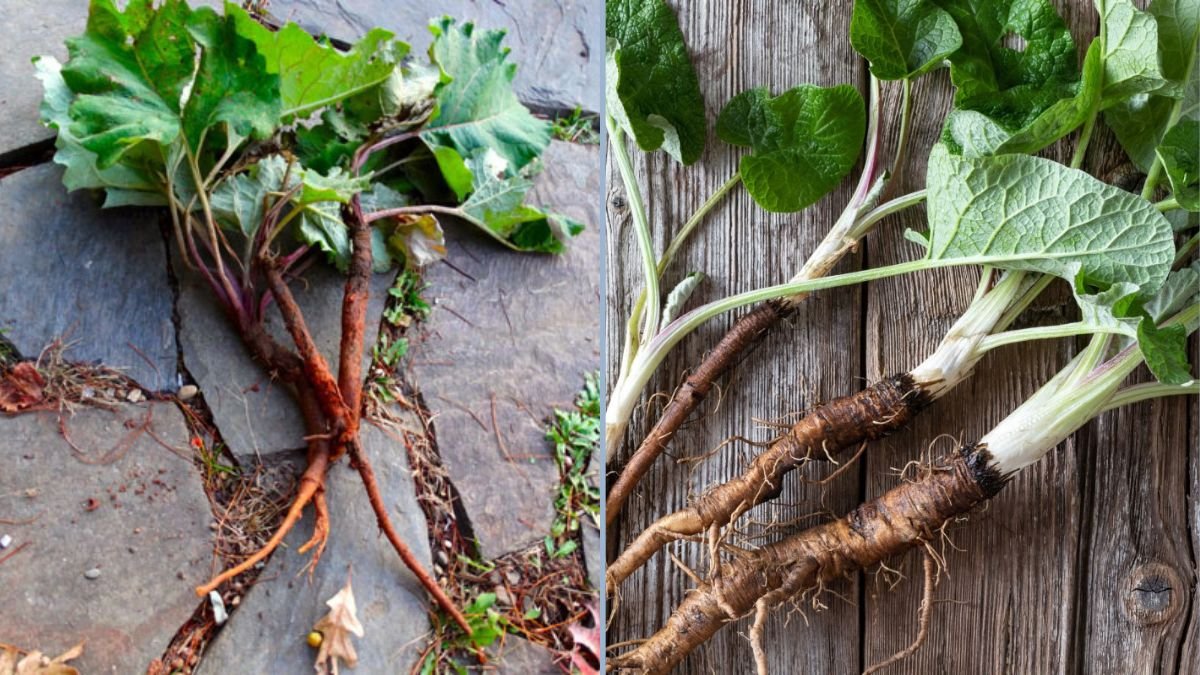
As spring transitions to early summer, many gardeners are busy reaping the rewards of their hard work — and one of the most underrated treasures to dig up during this time is burdock root. Known for its earthy flavor and impressive medicinal qualities, burdock (Arctium lappa) is a plant that’s as valuable in the kitchen as it is in the herbal medicine cabinet.
Harvesting burdock root in May — when the ground is soft and the roots are still tender — is a rewarding experience that connects you to centuries of traditional foraging and natural health practices. In this guide, we’ll explore how to harvest burdock roots, why they’re worth growing, and how to prepare and use them in your home.
What Is Burdock Root?
Burdock is a biennial plant, meaning it takes two years to complete its life cycle. In the first year, it focuses on developing a large, deep taproot, storing energy underground. In the second year, it sends up tall stalks topped with purple burr-like flowers — the same kind that inspired the invention of Velcro!
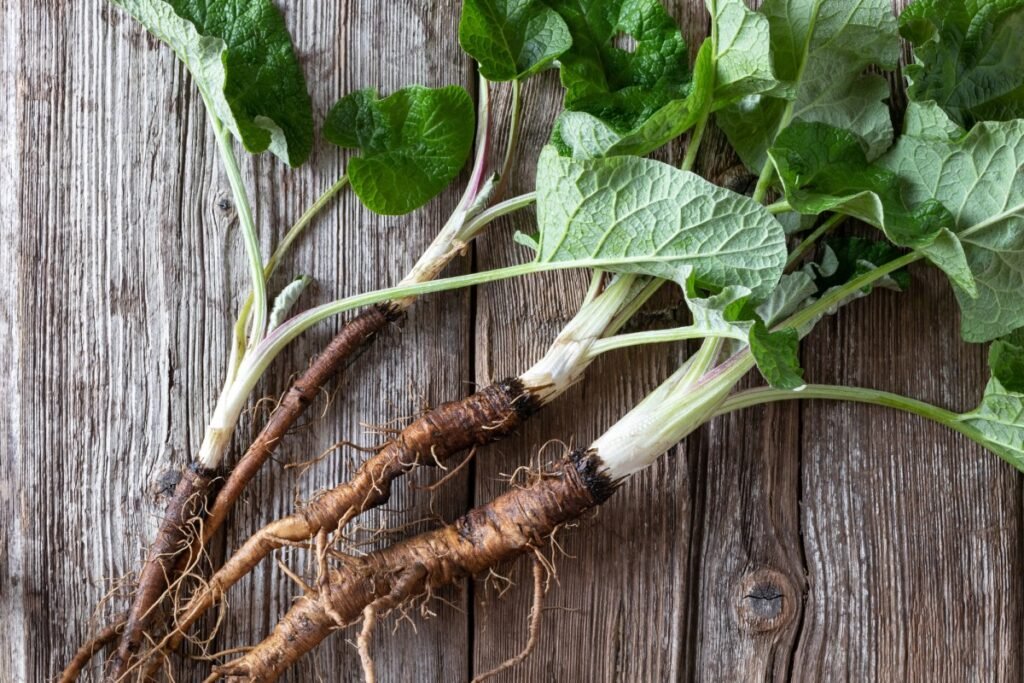
It’s this long, slender root that we prize for its culinary and medicinal uses. Burdock root has a crisp texture and a mildly sweet, earthy flavor reminiscent of parsnip, lotus root, and artichoke combined.
In traditional Asian cuisine, especially in Japan where it’s known as gobo, burdock root is a staple ingredient in soups, stir-fries, and pickles. In herbal medicine, it’s valued as a blood purifier, liver cleanser, and skin tonic.
Why Harvest Burdock in May?
Timing is everything when it comes to burdock.
Harvesting in May offers the perfect balance — the roots from last year’s fall sowing are mature enough to be large and flavorful but not yet tough or fibrous. By late summer, the plant shifts its energy upward to flower, making the roots woody and less palatable.
If you sowed burdock seeds the previous spring or fall, May is an ideal month to dig up the roots before they send up flower stalks.
The soil is also still moist and workable in spring, which makes harvesting those deep taproots far easier than in dry midsummer conditions.
How to Identify Burdock Plants
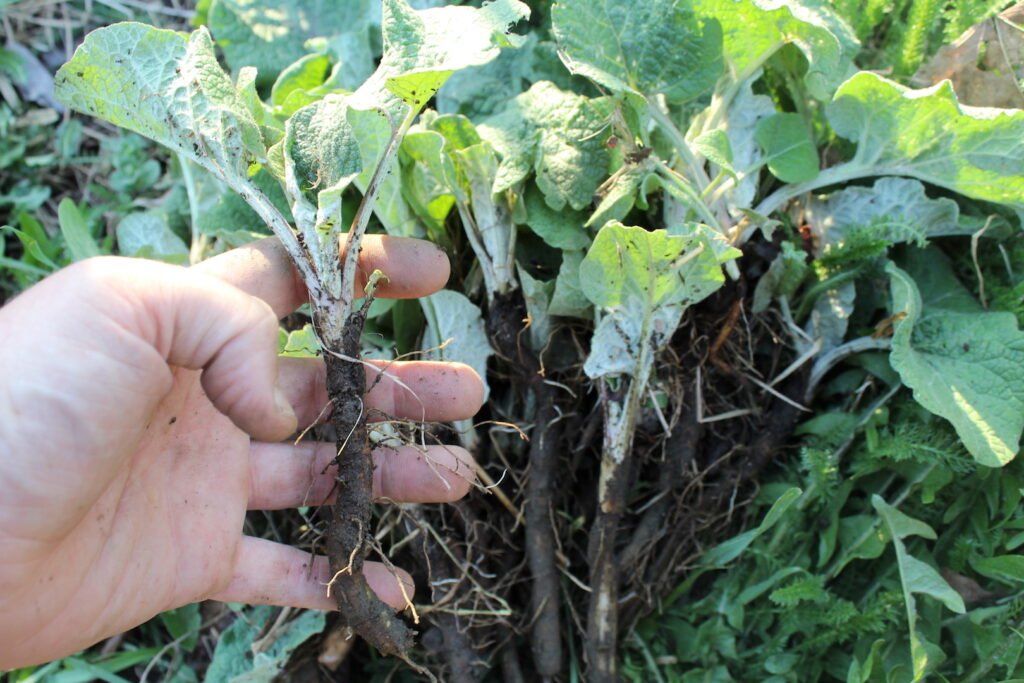
If you’re foraging wild burdock rather than harvesting from your garden, it’s important to correctly identify the plant.
Look for these key features:
- Leaves: Large, heart-shaped, with a slightly wavy edge. The undersides are pale and fuzzy.
- Stems: Thick, hollow, and can grow up to 5–6 feet tall in the second year.
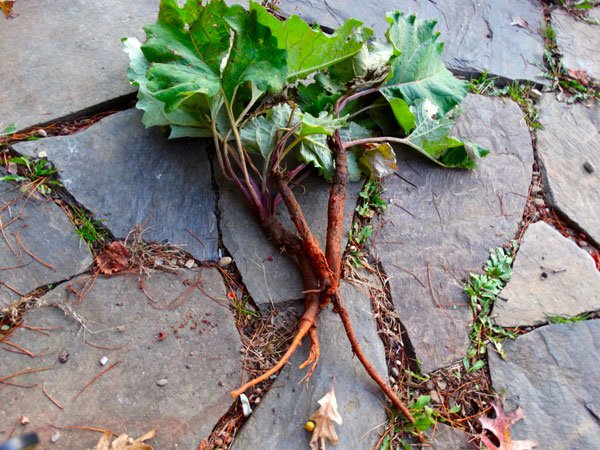
- Roots: Long, slender taproots that can reach over 60 cm (2 feet) deep, dark brown or gray on the outside with white, crisp flesh inside.
- Flowers: Purple-pink clusters surrounded by hooked burrs that cling to clothing or animal fur.
⚠️ Tip: Never harvest wild burdock near roadsides or industrial areas — the roots can absorb heavy metals and pollutants from the soil.
If possible, grow your own burdock in clean, deep garden soil to ensure safe and healthy roots.
How to Harvest Burdock Root
Harvesting burdock roots takes some care and patience, especially since they grow deep. But with the right technique, you can lift them without breaking or damaging the edible portion.
1. Choose the Right Plants
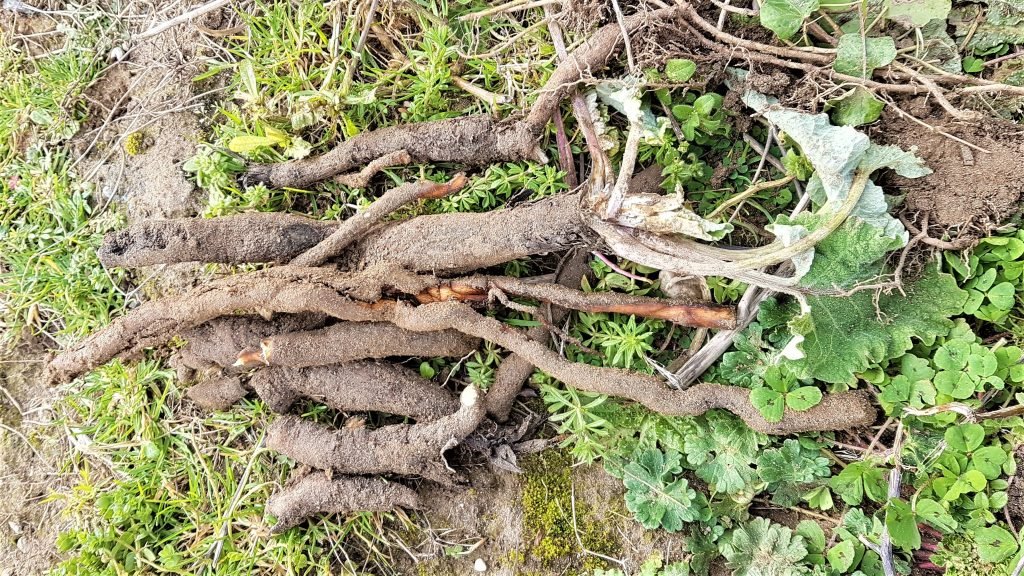
For the best flavor and texture, harvest first-year plants in their dormant stage before they flower. By May, these will be large enough to eat but still tender.
If your plants have already begun to bolt (produce tall flower stems), the roots will likely be too tough to enjoy fresh — though they can still be dried and used medicinally.
2. Loosen the Soil
Use a garden fork or deep spade to gently loosen the soil around the plant. Start digging several inches away from the base of the stem to avoid piercing the root.
Burdock roots can reach up to 3 feet deep, so work carefully, loosening the surrounding soil as you go.
3. Lift the Root Carefully
Once the soil is loosened, grasp the base of the plant and slowly pull upward, rocking it gently side to side.
If it resists, dig deeper along the root’s path until it slides out smoothly. Avoid breaking the root — damaged roots don’t store well and can lose flavor.
4. Shake Off Soil and Trim
Shake off excess soil and trim the leaves and stems, leaving just the root. Don’t wash it immediately if you’re storing it short-term — brushing off the dirt keeps it fresher longer.
Cleaning and Preparing Burdock Root
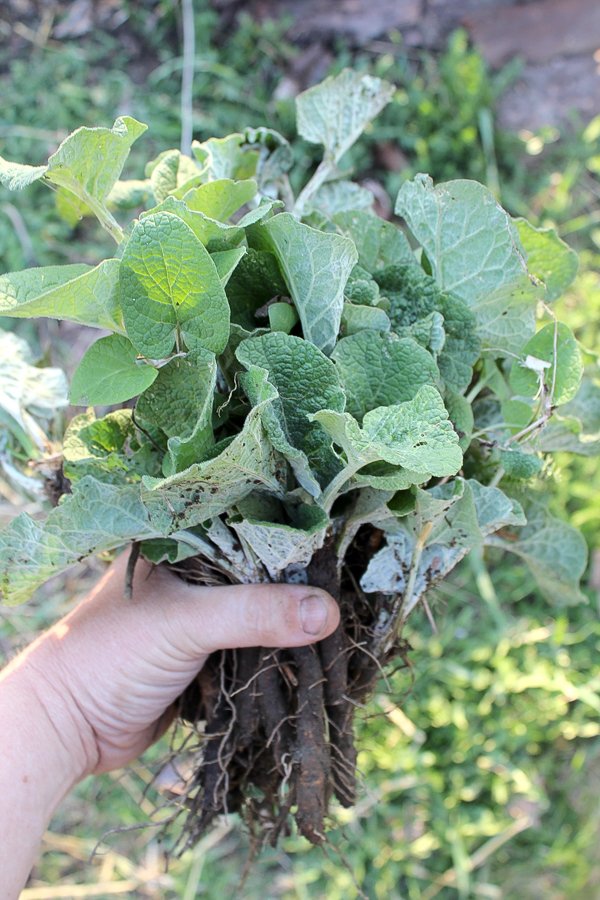
When you’re ready to use your harvest, rinse the roots under running water and scrub away the dirt with a vegetable brush.
You can peel the outer skin with a peeler, though many traditional recipes use it unpeeled for added flavor and nutrients.
Because burdock oxidizes (turns brown) quickly once peeled, it’s best to:
- Soak the peeled roots in water with a splash of lemon juice or vinegar to keep them white.
- Slice or julienne them right before cooking.
Culinary Uses for Burdock Root
Once harvested, burdock root can be used in many ways. It’s a staple in Japanese, Korean, and Chinese cuisines, where it’s valued for its earthy sweetness and satisfying crunch.
Here are a few popular ways to enjoy it:
1. Stir-Fried Burdock (Kinpira Gobo)
A classic Japanese dish where julienned burdock and carrots are sautéed with soy sauce, mirin, sesame oil, and a hint of sugar. It’s both savory and slightly sweet, often served as a side dish with rice.
2. Burdock Root Soup
Sliced burdock simmered in broth with tofu, miso, and vegetables creates a nourishing and grounding meal — perfect for cooler spring days.
3. Roasted or Fried
Cut into sticks, toss with olive oil and salt, and roast until golden. Alternatively, fry slices into crispy burdock chips for a healthy snack.
4. Pickled Burdock
Marinated in rice vinegar, soy, and sugar, pickled burdock adds tangy crunch to sushi rolls or salads.
5. Tea or Decoction
For medicinal use, dried burdock root can be simmered in water to make a detoxifying herbal tea known for supporting liver and kidney function.
Health Benefits of Burdock Root
Beyond its culinary versatility, burdock root has been treasured in herbal traditions for centuries. Modern research has confirmed many of its beneficial properties.
Here are some key health benefits:
- Detoxification:
Burdock supports liver function and helps eliminate toxins from the bloodstream. - Digestive Health:
It’s rich in inulin, a prebiotic fiber that nourishes gut-friendly bacteria and aids digestion. - Skin Health:
Traditionally used to treat acne, eczema, and psoriasis due to its cleansing and anti-inflammatory effects. - Anti-inflammatory and Antioxidant:
Burdock root contains quercetin and phenolic acids that protect cells from damage. - Blood Sugar Balance:
Inulin helps regulate blood sugar, making burdock beneficial for people managing insulin resistance or diabetes.
Whether eaten as food or brewed as tea, burdock root offers a gentle, natural way to support overall health.
Storing Burdock Root
Freshly dug burdock can last several weeks if stored properly:
- Refrigerator: Wrap unwashed roots in a damp paper towel and place in a perforated plastic bag. Store in the vegetable drawer.
- Root cellar: If you have one, bury the roots in moist sand to keep them crisp.
- Freezing: Slice, blanch for 2–3 minutes, and freeze for long-term storage.
- Drying: For tea or herbal use, slice thinly and air-dry or dehydrate until brittle. Store in airtight jars.
Tips for Next Season’s Crop
If you love the taste of burdock and want to grow your own, it’s easy to propagate from seed:
- Sow seeds in early spring or late summer in deep, loose soil.
- Space rows 45 cm (18 inches) apart and thin seedlings to 15 cm (6 inches).
- Keep soil moist and free of weeds.
- Harvest roots 4–6 months after sowing, before flowering.
Remember, burdock is a biennial — if you leave a few plants in the ground, they’ll flower the following year and produce seeds for future planting.
Final Thoughts
Harvesting burdock root in May is more than just a seasonal garden task — it’s an ancient ritual of reconnecting with the earth. Few plants reward patience like burdock does: a deep, nutrient-packed root that nourishes both body and soil.
From the satisfaction of digging up its long, earthy taproots to the comforting aroma of burdock simmering in soup, every step in this process reminds us of nature’s simple abundance.
So, grab your garden fork, loosen the soil, and dig deep — this spring, let your May harvest be a celebration of burdock root’s earthy goodness, culinary versatility, and timeless healing power.