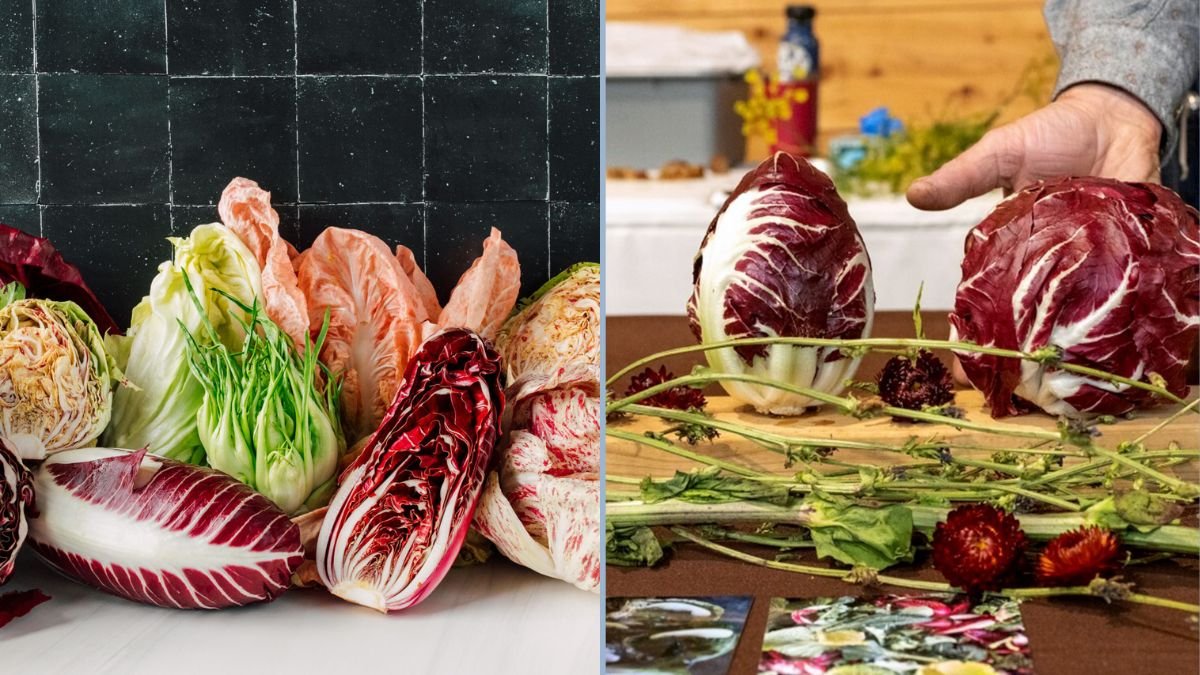
When it comes to growing vegetables that are both visually stunning and delicious, few can rival radicchio. With its deep burgundy-red leaves streaked with white veins, radicchio looks almost too pretty to eat — but once you’ve tasted its pleasantly bitter crunch in a salad or grilled dish, you’ll be hooked for life.
Often mistaken for red cabbage, radicchio (Cichorium intybus var. foliosum) is actually a type of chicory. It’s prized in Italian cuisine for its color, flavor, and versatility, and it’s surprisingly easy to grow in a home garden.
In this guide, we’ll walk you through everything you need to know about growing radicchio — from seed to harvest — so you can enjoy this “amazingly looking” vegetable straight from your own backyard.
What Is Radicchio?
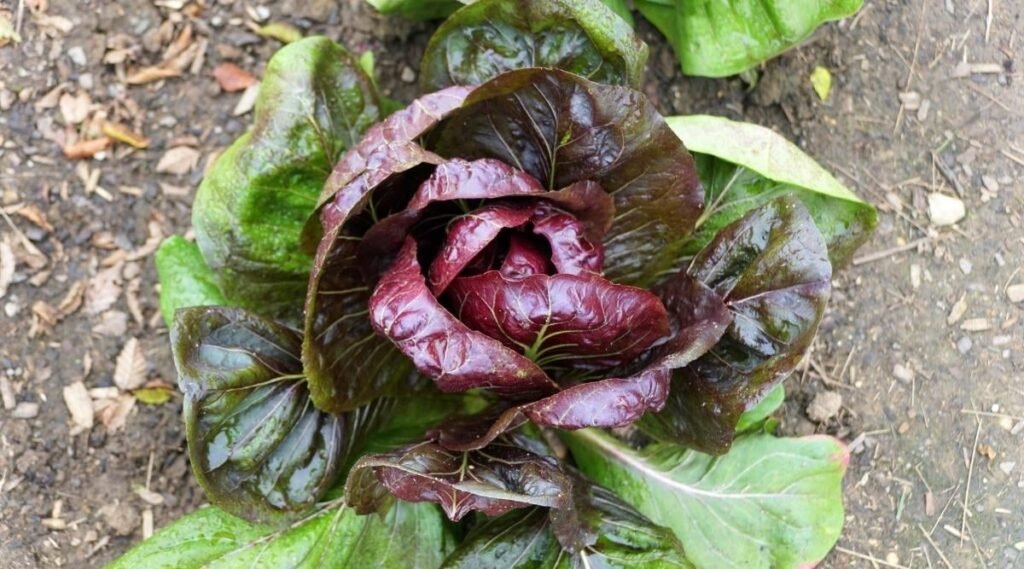
Radicchio is a cool-season leafy vegetable that belongs to the same family as endive and escarole. It originated in Italy and has been cultivated there since the 15th century, especially in regions like Treviso, Chioggia, and Verona, which have developed their own distinct radicchio varieties.
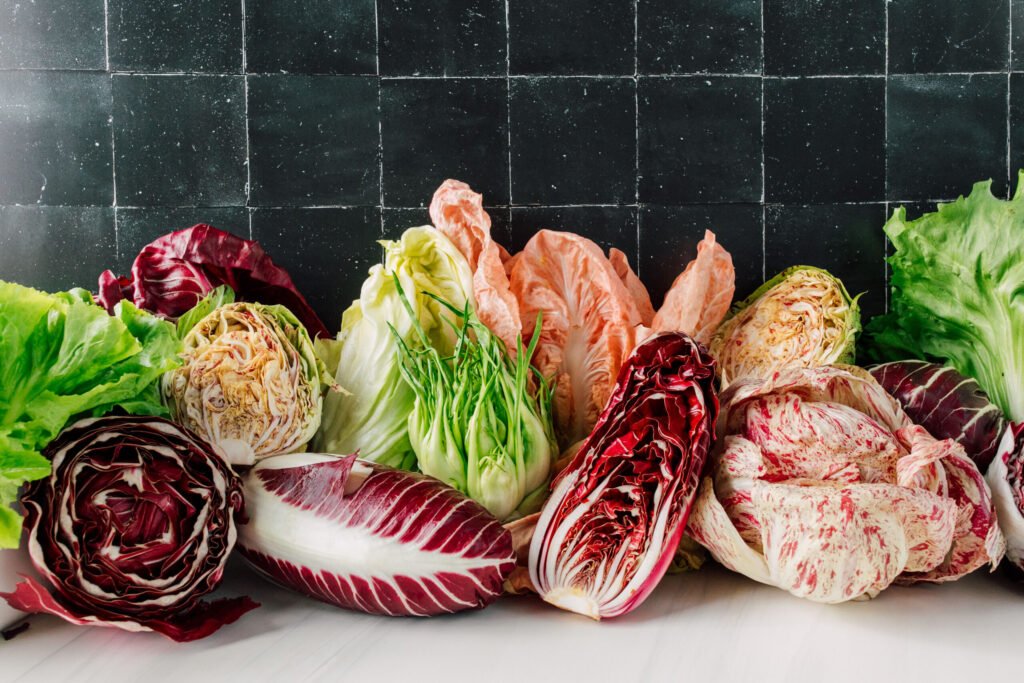
Each type has slightly different shapes, colors, and flavors:
- Chioggia: The most common variety, round-headed like a small red cabbage.
- Treviso: Long and tapered, with leaves that resemble romaine lettuce.
- Castelfranco: Pale green with red flecks, milder in flavor.
Radicchio’s trademark bitterness comes from intybins, natural compounds that stimulate digestion and add depth to its taste — much like coffee or dark chocolate.
Why Grow Radicchio?
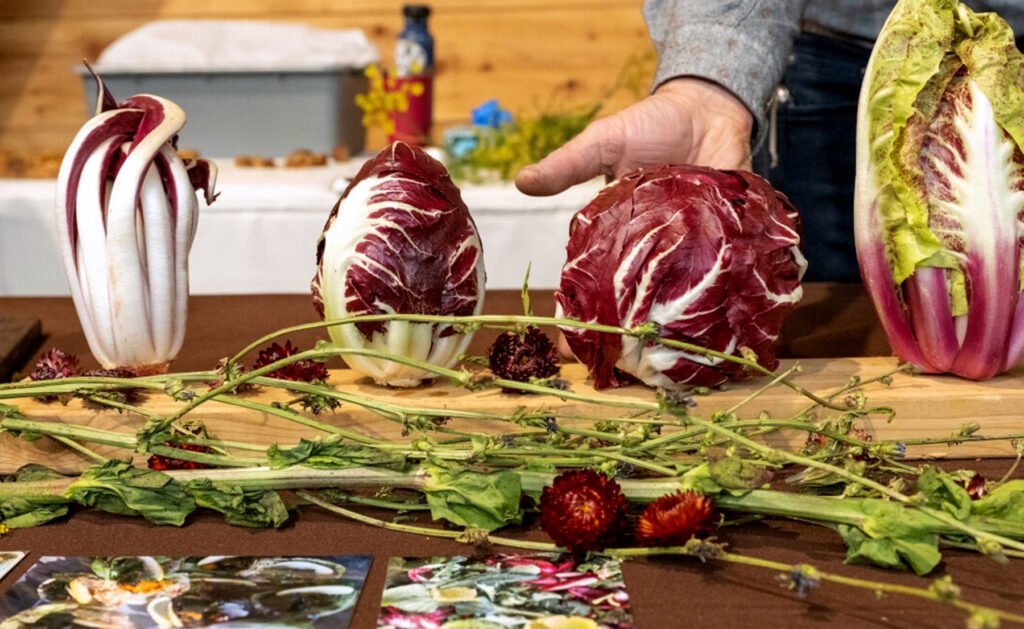
Radicchio isn’t just a feast for the eyes; it’s also nutrient-dense and easy to grow. Here’s why it deserves a spot in your garden:
- Nutrient-rich: High in antioxidants, vitamins K and C, and minerals like potassium and magnesium.
- Low maintenance: Thrives in cooler weather with minimal pest problems.
- Culinary versatility: Perfect raw in salads, or cooked on the grill, roasted, or braised.
- Long-lasting harvest: Grows well into fall and stores well after harvest.
- Beautiful addition: Its striking color makes it an ornamental edible that beautifies your garden beds.
Ideal Conditions for Growing Radicchio
Radicchio prefers cool, mild temperatures. It thrives best when grown as a spring or fall crop, but it’s especially productive in fall when cooler nights bring out its deep red color and complex flavor.
Temperature:
- Optimal range: 45°F to 75°F (7°C to 24°C)
- Frost-tolerant, but heat may cause the plant to bolt or turn overly bitter.
Sunlight:
- Prefers full sun to partial shade. In hot climates, provide afternoon shade to prevent bolting.
Soil:
- Well-draining, fertile soil with plenty of organic matter.
- Ideal pH: 6.0 to 7.5
Water:
- Keep the soil evenly moist, especially during germination and head formation.
- Mulch to retain moisture and regulate soil temperature.
Starting Radicchio from Seed
You can grow radicchio either by direct sowing outdoors or starting seeds indoors and transplanting later.
1. Starting Seeds Indoors
If you live in a region with unpredictable weather, start seeds indoors about 4–6 weeks before your last frost date.
- Fill seed trays with a light, well-draining seed-starting mix.
- Sow seeds ¼ inch deep and gently cover with soil.
- Keep soil moist and maintain a temperature around 65–70°F (18–21°C).
- Seeds typically germinate in 7–14 days.
Once seedlings develop their first true leaves, transplant them into larger pots until they’re ready for the garden.
2. Direct Sowing Outdoors
If your soil is workable and temperatures are mild, sow directly in the ground.
- Sow seeds ¼ inch deep, spaced 6 inches apart in rows 12–18 inches apart.
- Thin seedlings to about 8–10 inches apart once they’re a few inches tall.
- Keep soil consistently moist during germination.
Transplanting Radicchio
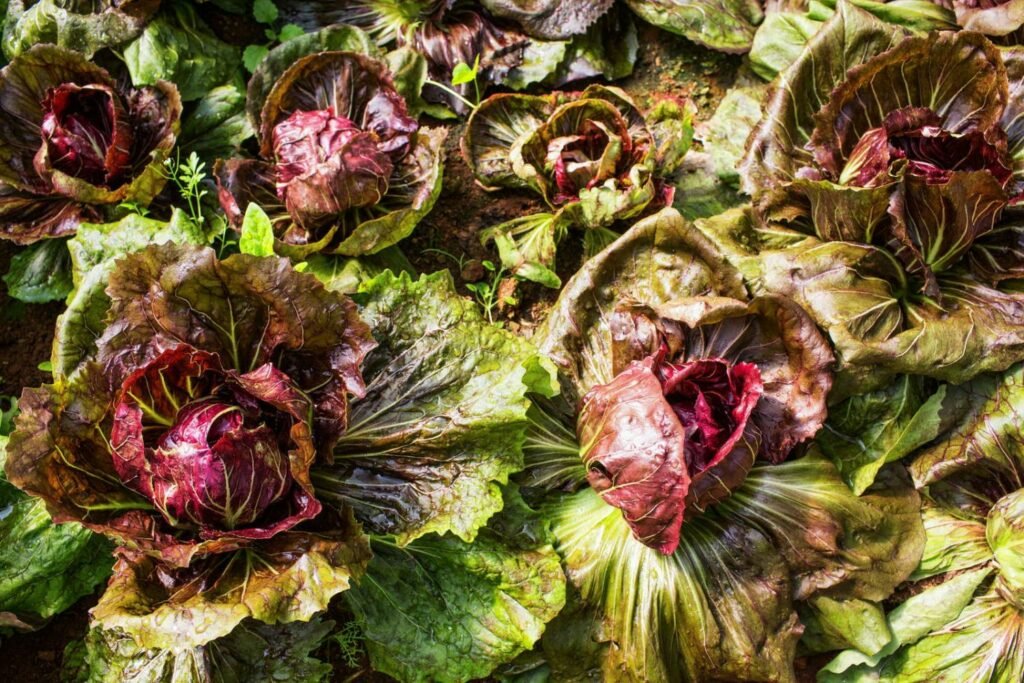
Transplant hardened-off seedlings into the garden once temperatures are consistently above 45°F (7°C).
Space plants about 10–12 inches apart to allow for head development. Water them well after transplanting to reduce transplant shock.
If growing for a fall harvest, start seeds in mid to late summer and transplant by early autumn. The cool weather helps the heads form tightly and develop their rich coloration.
Caring for Radicchio Plants
Radicchio doesn’t require much fuss once it’s established, but a little care goes a long way toward producing perfect, firm heads.
1. Watering
Radicchio roots are shallow, so consistent watering is key.
Aim for 1 inch of water per week — more during hot spells. Irregular watering can cause the heads to loosen or become bitter.
2. Mulching
Apply a 2–3 inch layer of organic mulch (straw, shredded leaves, or compost) around plants to:
- Retain moisture
- Keep roots cool
- Suppress weeds
3. Feeding
Feed radicchio with a balanced fertilizer (10-10-10) every 3–4 weeks, or use compost tea to provide slow-release nutrients. Too much nitrogen, however, can make the leaves excessively bitter and loose.
4. Thinning and Weeding
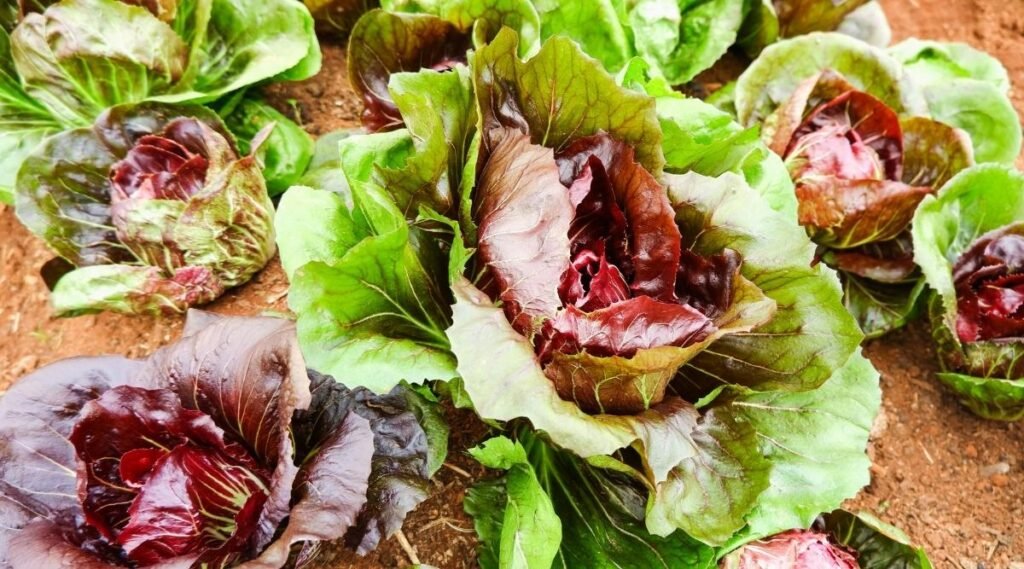
Thin overcrowded seedlings early to promote air circulation. Keep the area weed-free, as radicchio doesn’t compete well for nutrients and moisture.
Pests and Problems
Radicchio is relatively pest-resistant, but keep an eye out for:
- Aphids: Rinse off with water or use insecticidal soap.
- Slugs and snails: Scatter crushed eggshells or diatomaceous earth around plants.
- Root maggots: Use row covers or plant radicchio in well-drained soil to deter them.
To prevent disease, rotate crops each year and avoid planting radicchio where other chicory family plants were recently grown.
Encouraging Head Formation
As radicchio matures, it forms a dense, tight head — much like a small cabbage. To help this process:
- Keep soil moisture steady.
- Reduce nitrogen in late growth stages.
- If outer leaves grow large and loose, gently tie them around the developing head to encourage compact growth.
Radicchio heads usually mature in 70–90 days after transplanting.
When and How to Harvest Radicchio
You’ll know your radicchio is ready to harvest when:
- The heads are firm and full-sized, about the size of a softball.
- The outer leaves are dark red or purple, with crisp white ribs.
To harvest:
- Use a sharp knife to cut the head just above soil level.
- Remove any damaged outer leaves.
- If desired, leave the root in the ground — it may sprout smaller “baby heads” later.
If frost is coming, harvest before the ground freezes. Light frosts actually improve flavor, reducing bitterness and sweetening the leaves.
Storing and Using Radicchio
Freshly harvested radicchio stores well if handled properly:
- Wrap unwashed heads in a damp paper towel.
- Place in a perforated plastic bag in the refrigerator.
- Keeps fresh for up to 2 weeks.
Culinary Ideas
Radicchio’s bold bitterness pairs beautifully with rich or sweet flavors:
- Slice thinly for salads with citrus, nuts, and parmesan.
- Grill or roast to caramelize its edges and mellow its taste.
- Add to pasta dishes or risotto for color and crunch.
- Mix with olive oil, balsamic vinegar, and honey for a quick side dish.
Saving Seeds for Next Season
If you want to grow radicchio again next year, allow one or two plants to bolt and flower in their second season. Once the flower heads dry out, collect the seeds and store them in a cool, dry place for next year’s planting.
Common Growing Mistakes to Avoid
- Planting too early or late – Radicchio needs cool weather; hot temps make it bolt.
- Irregular watering – Causes bitterness and poor head formation.
- Too much nitrogen – Leads to loose, leafy plants instead of tight heads.
- Not thinning seedlings – Crowded plants don’t develop properly.
Follow these simple guidelines, and you’ll be rewarded with perfect, colorful heads every season.
Final Thoughts
Growing radicchio from seed to harvest is a rewarding journey — one that combines beauty, flavor, and a touch of European tradition. Whether you’re a new gardener or an experienced grower, this vegetable adds elegance to your garden beds and depth to your dinner plate.
From its jewel-toned leaves to its crisp, bittersweet flavor, radicchio proves that vegetables can be both art and nourishment. So this season, plant a few rows of this Italian gem, tend them with care, and prepare to enjoy a harvest that’s as beautiful as it is delicious.