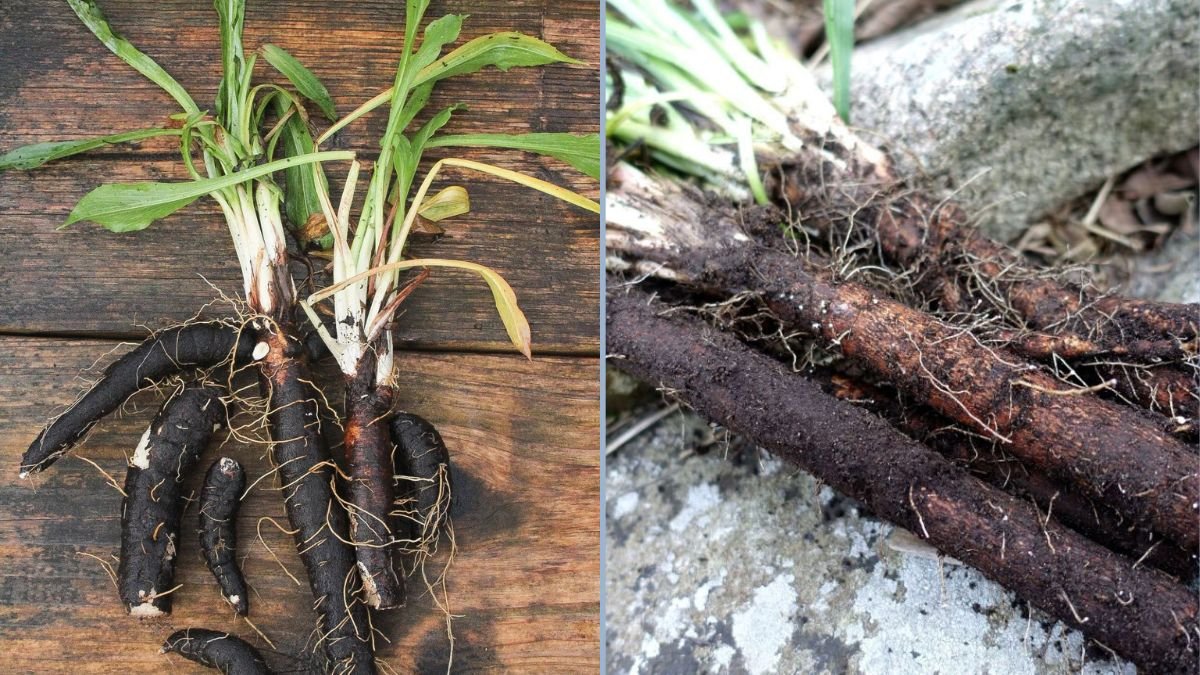
If you’re looking to add something a little different to your vegetable garden — something delicious, nutritious, and a bit mysterious — then Scorzonera, also known as Black Salsify, might be the hidden gem you’ve been missing.
Often called the “oyster plant” for its subtle, seafood-like flavor, Scorzonera is an ancient root vegetable that deserves a place in every gardener’s plot. While it’s not as well-known as carrots or parsnips, it’s just as rewarding — and surprisingly easy to grow from seed if you know the right techniques.
In this “sow along” guide, we’ll walk through everything you need to know about how to sow, grow, and harvest Scorzonera, from choosing seeds to enjoying your first harvest.
What Is Scorzonera (Black Salsify)?
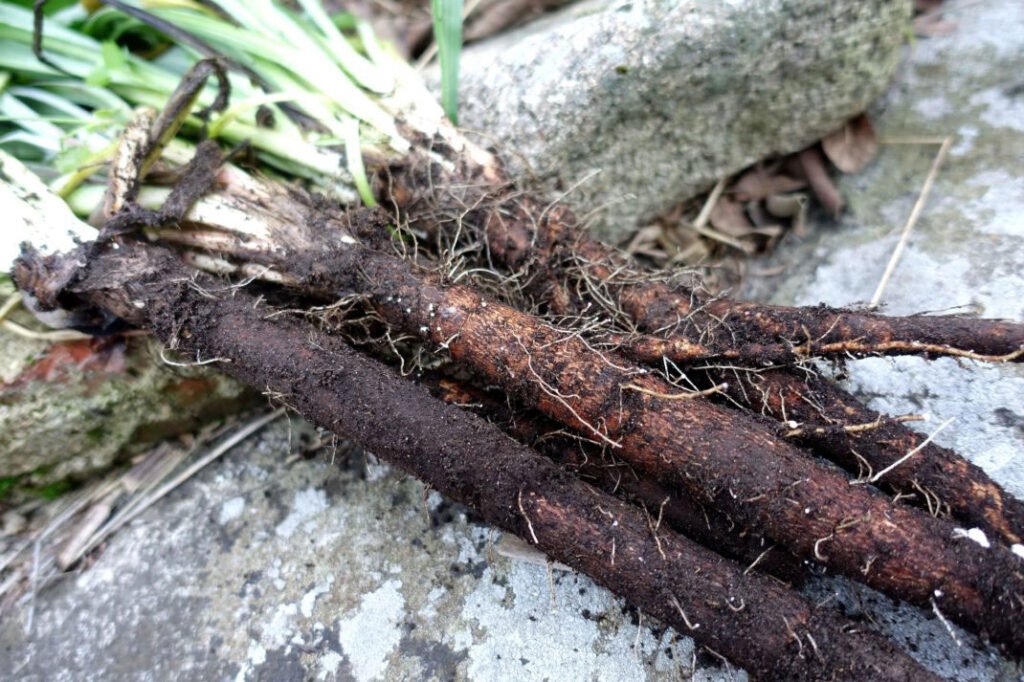
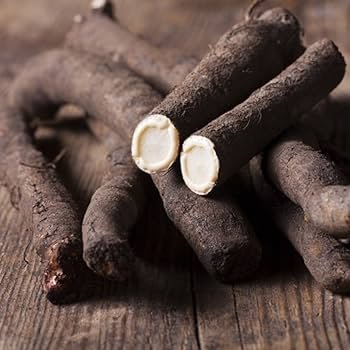
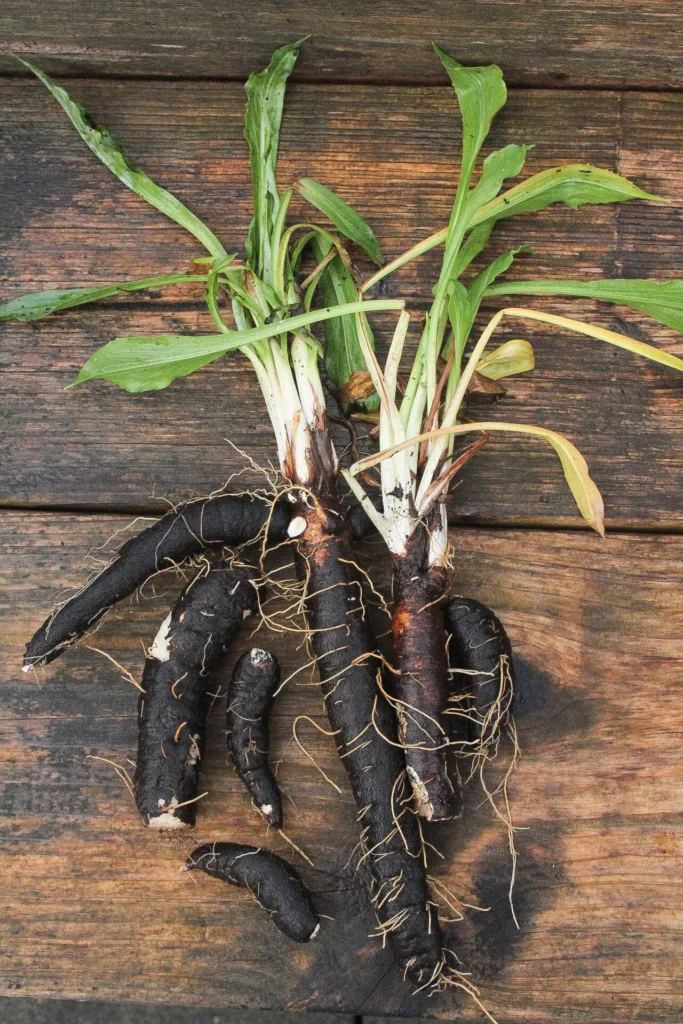
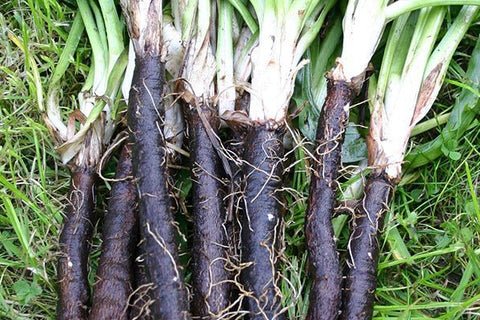
Scorzonera hispanica — commonly known as black salsify — is a hardy perennial root vegetable native to Southern Europe. It produces long, slender, black-skinned roots with creamy white flesh inside.
The roots have a mild, nutty flavor that’s often compared to artichokes or oysters. When cooked, they become tender and slightly sweet — perfect for soups, roasting, or simply sautéed with butter and herbs.
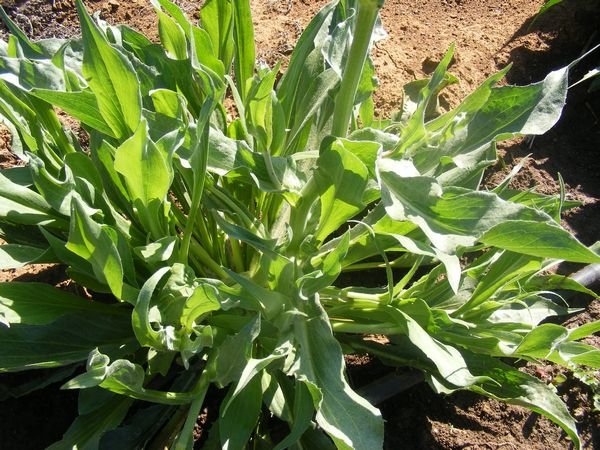
Beyond the roots, the leaves and flowers are edible too. The young leaves can be eaten raw in salads, and the bright yellow flowers attract pollinators while adding ornamental charm to your garden.
Why Grow Scorzonera?
You might wonder why grow such an unusual crop when carrots and parsnips are already garden staples. Here’s why Scorzonera is worth a try:
- Flavorful and unique: It offers a delicate, earthy taste unlike any other root vegetable.
- Nutrient-rich: High in fiber, iron, potassium, and inulin — a prebiotic that supports digestive health.
- Cold-hardy: Scorzonera can withstand frosty winters and can even be harvested through the cold months.
- Low maintenance: Once established, it needs little care and is resistant to most pests.
- Perennial potential: Though often grown as an annual, it can live multiple years and even flower in its second season.
If you enjoy growing lesser-known heirloom or gourmet crops, Scorzonera is a perfect candidate.
When and Where to Sow Scorzonera Seeds
Scorzonera is best grown from seed directly sown outdoors, as it doesn’t transplant well — disturbing the roots can cause them to fork or split.
Best Sowing Time
- Sow seeds in early spring once the soil has warmed up (around March to May in most temperate regions).
- You can also do a late summer sowing for overwintering crops in mild climates.
Because germination is slow — often taking 2 to 3 weeks — patience is key.
Ideal Growing Conditions
- Sunlight: Full sun is ideal, though partial shade is tolerated.
- Soil: Deep, loose, well-draining soil free of stones. Heavy clay or compacted soils will cause crooked roots.
- pH: Slightly acidic to neutral (6.0–7.0).
If your garden soil is stony or shallow, Scorzonera grows beautifully in deep raised beds or containers.
Preparing the Soil
Scorzonera needs depth — its long roots can reach 30–40 cm (12–16 inches). So, spend a bit of time preparing the bed properly before sowing.
- Loosen the soil deeply with a fork or tiller.
- Remove stones and debris that could block or deform roots.
- Incorporate organic matter, such as compost or well-rotted manure, but avoid fresh manure (it can cause root forking).
- Rake the surface smooth for even sowing.
You’re aiming for a fine, crumbly seedbed that drains well but retains moisture.
Sowing Scorzonera Seeds: Step by Step
- Mark the rows:
Space rows about 30 cm (12 inches) apart. - Sow the seeds:
Place seeds 1–1.5 cm (½ inch) deep and 10–15 cm (4–6 inches) apart. - Cover lightly with soil:
Gently firm the soil surface to ensure good seed-to-soil contact. - Water thoroughly:
Keep the soil evenly moist until germination occurs.
Since the seeds are slow to sprout, you can mix in a few fast-germinating “marker seeds” like radishes in the same row. They’ll help you track where your Scorzonera is growing while the slower seeds take their time.
Caring for Seedlings
Once your Scorzonera seedlings appear (usually after 14–21 days), it’s time for some light maintenance:
Thinning
When seedlings reach about 5 cm (2 inches) tall, thin them to 15 cm (6 inches) apart. This gives each plant enough room to develop thick, straight roots.
Watering
Scorzonera prefers consistent moisture but hates waterlogging. Water regularly during dry spells, especially as roots begin to form. Mulching between rows can help retain moisture and keep weeds down.
Weeding
Keep the bed weed-free, particularly during the early growth stage. Weeds compete for nutrients and light, and their roots can disturb developing Scorzonera roots if left unchecked.
Feeding
If your soil was enriched before sowing, additional feeding isn’t necessary. However, a mid-season dose of liquid seaweed or compost tea can boost growth.
Managing Pests and Diseases
The good news is that Scorzonera is a robust, pest-resistant crop. Still, a few potential problems may arise:
- Slugs and snails: These may nibble young seedlings. Use organic slug traps or barriers.
- Root rot: Caused by poor drainage. Always ensure well-drained soil.
- Aphids: Occasionally gather on leaves; wash them off with a gentle spray of water or neem oil.
Overall, it’s one of the easiest root vegetables to grow organically.
Companion Planting
Scorzonera grows well alongside crops like onions, leeks, and lettuce, which don’t compete heavily for nutrients. Avoid planting next to heavy feeders like potatoes or cabbages, which may stunt root development.
You can also use its tall, flowering stems in the second year as a pollinator attractor near beans, carrots, or herbs.
Growing Scorzonera in Containers
If your soil is shallow or rocky, you can successfully grow Scorzonera in deep containers.
- Use pots at least 40–45 cm (16–18 inches) deep.
- Fill with a mix of 50% garden soil, 30% compost, and 20% sand or perlite.
- Sow seeds just as you would in open ground.
- Keep soil consistently moist and provide full sun.
Container-grown Scorzonera tends to produce straighter roots and can be easily lifted at harvest.
Harvesting Scorzonera
Scorzonera roots take time to develop — typically 120 to 150 days from sowing. The roots are best harvested from late autumn through early spring.
Here’s how to do it:
- Wait until after the first frosts — cold weather sweetens the flavor.
- Loosen the soil around the roots gently with a fork.
- Lift carefully, as the roots are long and brittle. Try not to snap them.
If the ground is frozen or muddy, you can leave some roots in the soil and harvest as needed. Scorzonera keeps beautifully underground through winter.
Cooking and Enjoying Scorzonera
Once harvested, scrub the roots gently but do not peel before boiling, as the skin protects the white flesh from discoloration.
After boiling for about 15–20 minutes, the skin slips off easily. From there, you can roast, mash, or sauté them like parsnips.
Here are a few delicious ways to enjoy your crop:
- Roasted: With olive oil, salt, and rosemary.
- Mashed: Combine with butter and nutmeg for a creamy side dish.
- In soups: Adds a silky, nutty depth to winter soups.
- Sautéed: Simply pan-fry with garlic and herbs.
The mild flavor makes it versatile in both savory and gourmet recipes.
Saving Seeds
If you leave a few plants unharvested, they’ll flower the following year. The yellow dandelion-like flowers mature into fluffy seed heads. Collect the seeds once dry and store them in a cool, dry place.
However, note that Scorzonera seeds lose viability quickly — it’s best to sow fresh seeds every year for reliable germination.
Tips for Success
- Always sow directly outdoors — avoid transplanting.
- Thin seedlings early to prevent crowding.
- Keep soil moist but not soggy.
- Be patient — it’s a slow grower but well worth the wait.
- Harvest carefully to avoid snapping long roots.
Final Thoughts
Growing Scorzonera (Black Salsify) is a journey of discovery. While it may not be the most common vegetable in modern gardens, its distinctive flavor, versatility, and resilience make it a true hidden treasure.
From the first sowing of tiny seeds in spring to lifting those inky-black roots in the chill of autumn, you’ll find this crop deeply satisfying to grow. Plus, it’s a conversation starter — few gardeners can say they’ve mastered this forgotten European delicacy.
So, grab your seeds, prepare a deep bed, and sow along. With a little patience and care, you’ll soon be enjoying one of the most underrated — yet rewarding — root vegetables nature has to offer.