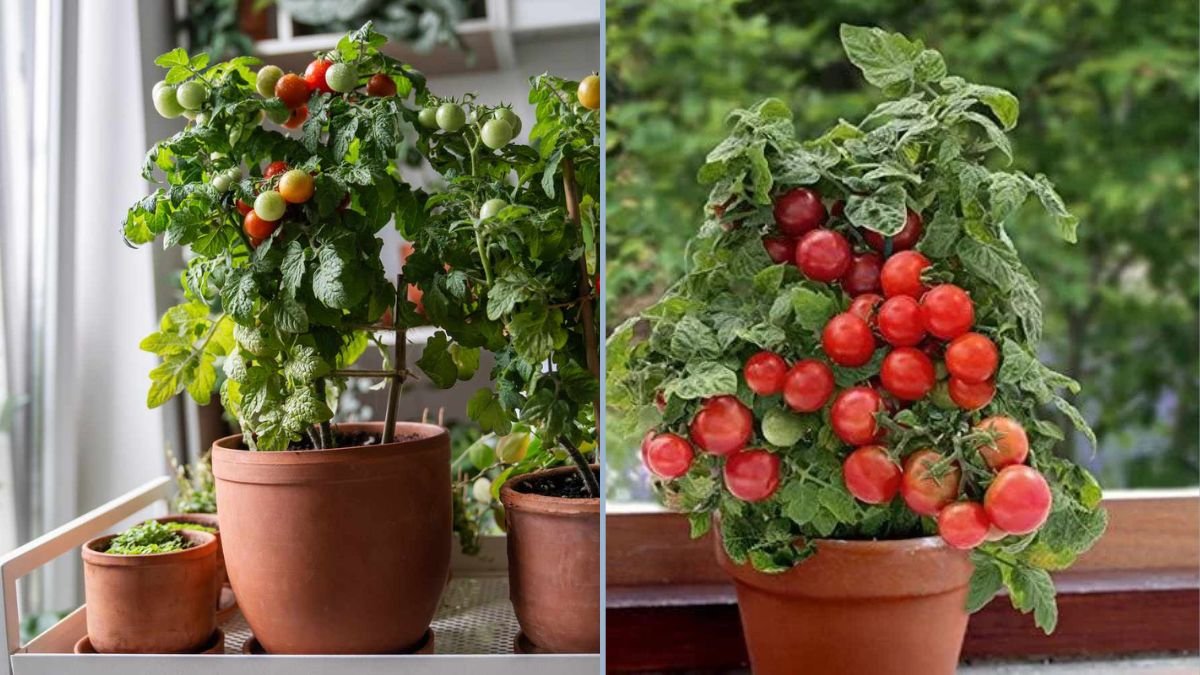
Cherry tomatoes are the jewels of the garden — small, sweet, and bursting with flavor. Even if you don’t have a backyard, you can still grow these delightful little fruits right on your balcony, patio, or even a sunny window using containers.
Inspired by the video “Grow Cherry Tomatoes in a Container,” this complete guide walks you through everything you need to know — from choosing the right pot and soil to watering, fertilizing, and harvesting an endless supply of delicious cherry tomatoes at home.
Why Cherry Tomatoes Are Perfect for Containers
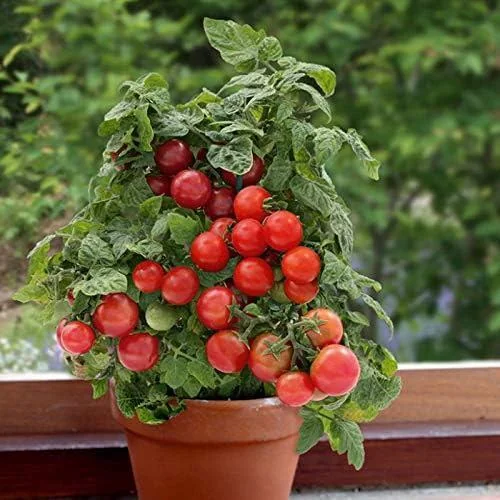
Cherry tomatoes are naturally suited to container growing because of their compact size, high productivity, and forgiving nature. They thrive in limited space, and with proper care, a single plant can yield hundreds of bite-sized fruits throughout the season.
Unlike large tomato varieties that demand heavy support and deep roots, cherry tomatoes grow happily in medium-sized pots. They mature faster, bear fruit earlier, and provide a constant harvest over several months — perfect for container gardeners or anyone short on space.
1. Choosing the Right Container
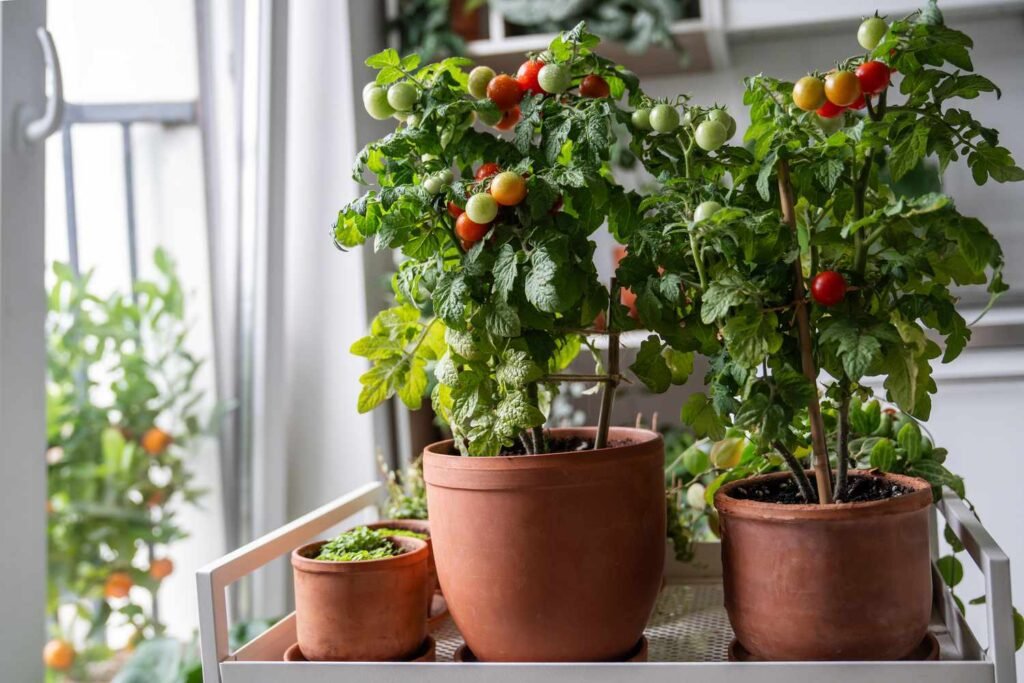
The first step in successful container gardening is selecting the right pot. Cherry tomatoes need enough room for roots to grow deep and strong.
- Size: Use a pot at least 12 inches deep and 14–18 inches wide for one plant. Bigger is better, as it holds more soil and moisture.
- Material: Plastic, ceramic, or fabric pots all work well. Just make sure there are drainage holes at the bottom to prevent waterlogging.
- Location: Place containers where they’ll receive at least 6–8 hours of direct sunlight daily. A bright balcony, patio, or rooftop is ideal.
If you plan to grow multiple plants, give each one its own pot — cherry tomatoes can get competitive for nutrients and space.
2. Selecting the Best Cherry Tomato Variety
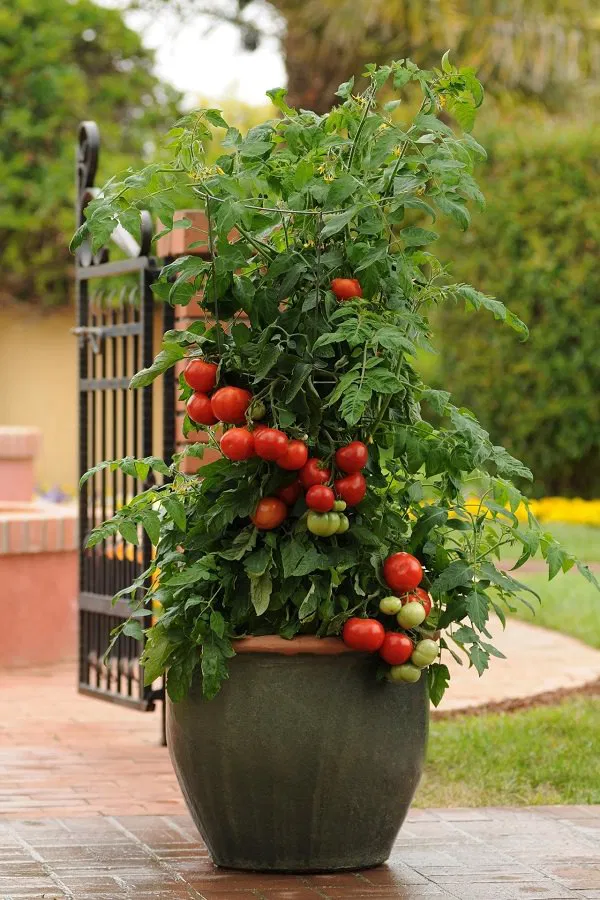
Not all cherry tomatoes are created equal, especially for container growing. Look for compact, determinate, or dwarf varieties that won’t overtake your space. Some of the best container-friendly types include:
- Tiny Tim – a dwarf plant that grows about 12 inches tall, perfect for small pots.
- Tumbling Tom – produces trailing vines ideal for hanging baskets.
- Balcony Cherry – compact and prolific, bred for patio growing.
- Sweet 100 or Sun Gold – indeterminate (vining) varieties that thrive in larger containers.
If you have a bit more space and can provide a trellis, indeterminate types can produce even more fruit over time.
3. Use the Right Soil Mix
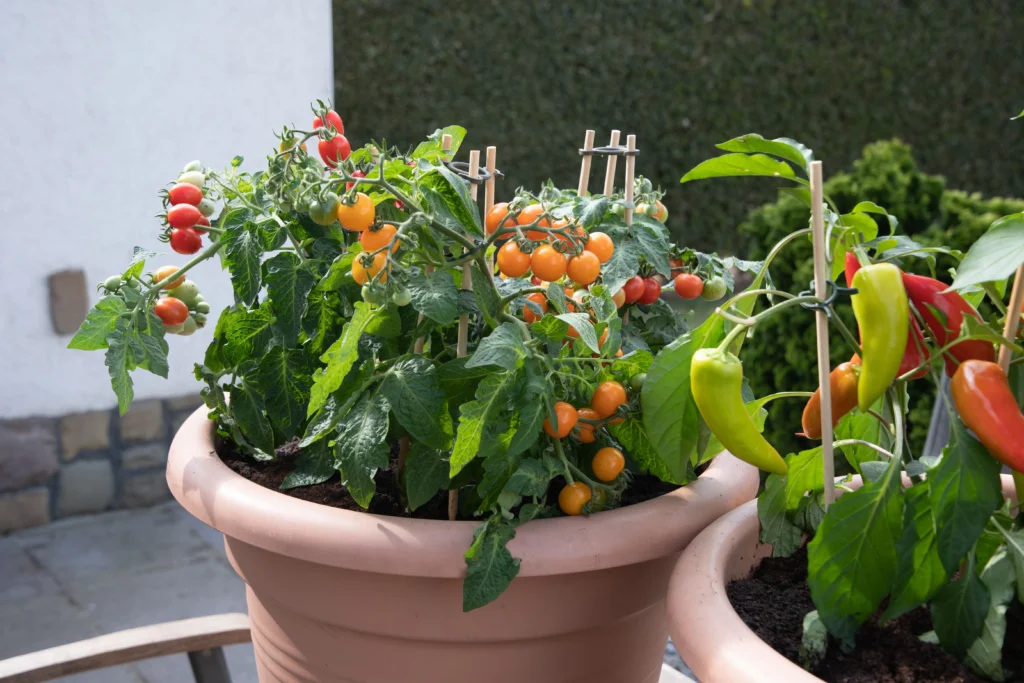
Tomatoes are heavy feeders and need rich, well-draining soil. Garden soil alone is too dense for containers — it can compact and suffocate roots.
Instead, use a premium potting mix specifically designed for vegetables. For the perfect homemade blend, mix:
- 2 parts potting mix or compost
- 1 part perlite or coarse sand for drainage
- 1 part coco coir or peat moss for moisture retention
Add a handful of organic fertilizer or slow-release tomato food to give your plant a strong start. Cherry tomatoes thrive in slightly acidic soil with a pH of around 6.0–6.8.
4. Starting from Seeds or Seedlings
You can start from seeds indoors or buy young transplants from a nursery.
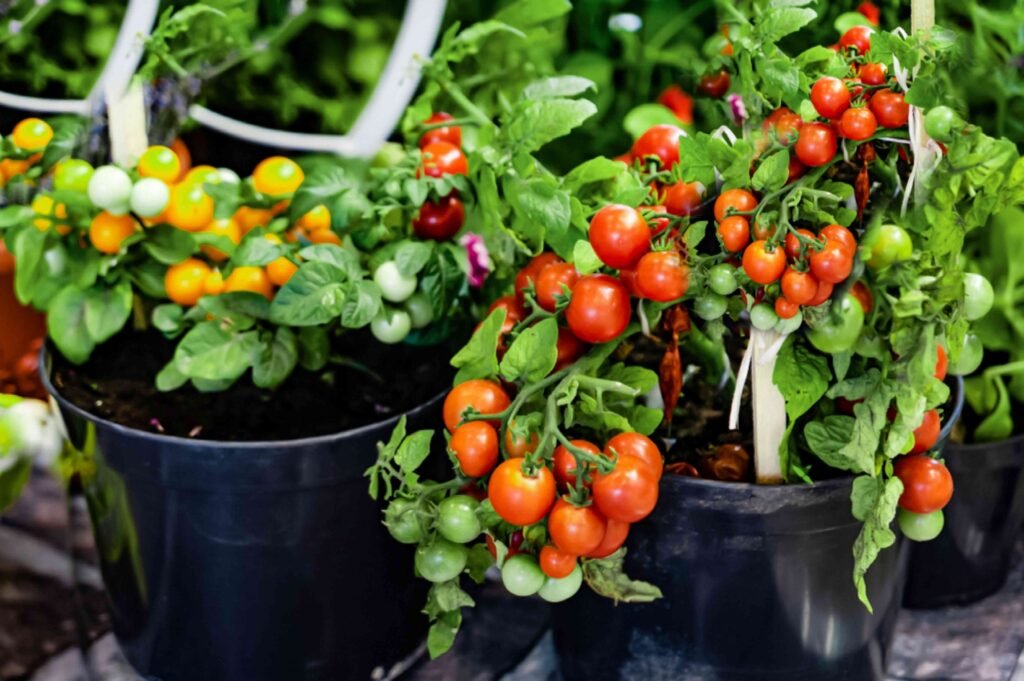
- If using seeds: Start them indoors about 6–8 weeks before the last frost date. Plant seeds ¼ inch deep in seed trays, keep them warm (around 25°C/77°F), and moist until germination.
- If using seedlings: Choose healthy, stocky plants about 6–8 inches tall.
When transplanting to the final container, bury the stem deeper than it was in the nursery pot. Tomato stems form roots along buried sections, creating a stronger, more resilient root system.
5. Watering: Consistency Is Key
Cherry tomatoes in containers rely entirely on you for hydration, so consistent watering is critical.
- Water when the top inch of soil feels dry.
- Give a deep soak until water drains out the bottom.
- Avoid letting the soil completely dry out — inconsistent watering causes blossom-end rot or cracked fruits.
During hot summer days, you may need to water daily. On cooler or cloudy days, water every 2–3 days. Mulching the top of the container with straw, coco coir, or shredded leaves helps retain moisture and keeps roots cool.
6. Feeding for Maximum Growth and Flavor
Tomatoes are hungry plants. Once your cherry tomato starts flowering, switch from a balanced fertilizer to one higher in phosphorus and potassium (the middle and last numbers on the fertilizer label). These nutrients encourage more blossoms and sweeter fruit.
Feed your plant every 2–3 weeks using a liquid fertilizer or organic compost tea.
Pro tip: Epsom salt (magnesium sulfate) can be added once a month — about 1 tablespoon per gallon of water — to boost leaf color and prevent magnesium deficiency.
7. Providing Support
Even compact varieties benefit from some support to keep stems upright and fruits off the ground.
- For small, determinate types: use short bamboo stakes or small cages.
- For indeterminate vines: install a tall trellis, tomato cage, or even string supports from above.
Supporting your plant keeps airflow healthy and prevents disease. It also makes harvesting easier and keeps fruit cleaner.
8. Pruning and Maintenance
Regular pruning helps your cherry tomato plant stay productive and tidy.
- Remove suckers — the small shoots growing between the main stem and leaf branches. This directs energy into fruit production instead of excess foliage.
- Pinch yellowing or diseased leaves from the bottom to improve air circulation.
- Rotate the container occasionally to ensure all sides get sunlight evenly.
Avoid pruning too aggressively; leave enough leaves to shade fruits from scorching sunlight.
9. Managing Pests and Diseases
Even container-grown tomatoes can attract unwanted visitors. Keep an eye out for:
- Aphids or whiteflies — spray with neem oil or insecticidal soap.
- Spider mites — rinse leaves with water and increase humidity.
- Fungal diseases — avoid overhead watering and provide good airflow.
Prevent problems before they start by maintaining clean pots, removing fallen leaves, and spacing plants properly.
10. Pollination and Fruit Set
Cherry tomatoes are self-pollinating, meaning they don’t need another plant nearby. However, you can help pollination indoors or in still weather by gently shaking the stems or tapping the flowers.
Consistent warmth (above 18°C/65°F) and sunlight ensure good fruit set. Flowers that fail to pollinate often drop off — this is normal during extreme heat or cold but should improve as conditions stabilize.
11. Harvesting Sweet Success
Cherry tomatoes typically ripen about 60–70 days after transplanting. Harvest when the fruits are fully colored — red, yellow, or orange, depending on variety — and slightly soft to the touch.
Pick regularly to encourage continuous production. Leaving overripe fruit on the vine can slow new flower formation.
Eat them fresh off the vine, toss them in salads, roast them for sauces, or dry them for winter — nothing beats homegrown sweetness.
12. Extending the Season
One of the perks of container gardening is mobility. As temperatures drop, simply move your pots indoors or into a greenhouse to extend the season.
Place them near a sunny window or under grow lights, and you can continue harvesting fresh cherry tomatoes well into fall — or even year-round if you provide enough warmth and light.
13. Troubleshooting Common Problems
Yellow leaves? Could mean overwatering or lack of nitrogen. Adjust watering and feed with a balanced fertilizer.
Cracked fruits? Usually caused by inconsistent watering. Keep moisture levels steady.
Blossom-end rot? Indicates calcium deficiency — use a calcium-rich tomato feed.
No flowers or fruit? Too much nitrogen or not enough sunlight can be the culprit.
Observe your plants regularly, and small adjustments will keep them thriving.
14. Final Thoughts: From Container to Kitchen
Growing cherry tomatoes in containers is a joy that combines simplicity with huge rewards. In just a few months, you can go from a small pot of soil to a vibrant, fruit-laden plant that adds color and flavor to every meal.
Here’s a quick recap of the essentials:
- Choose a large, well-drained container.
- Use nutrient-rich potting mix and steady watering.
- Provide 6–8 hours of sunlight.
- Feed regularly and prune lightly.
- Support the plant as it grows.
With consistent care, your cherry tomato plant will flourish and keep producing all season long.
So whether you’re a city dweller with a balcony or a home gardener looking to maximize space, growing cherry tomatoes in containers is one of the easiest and most rewarding gardening adventures you can try.