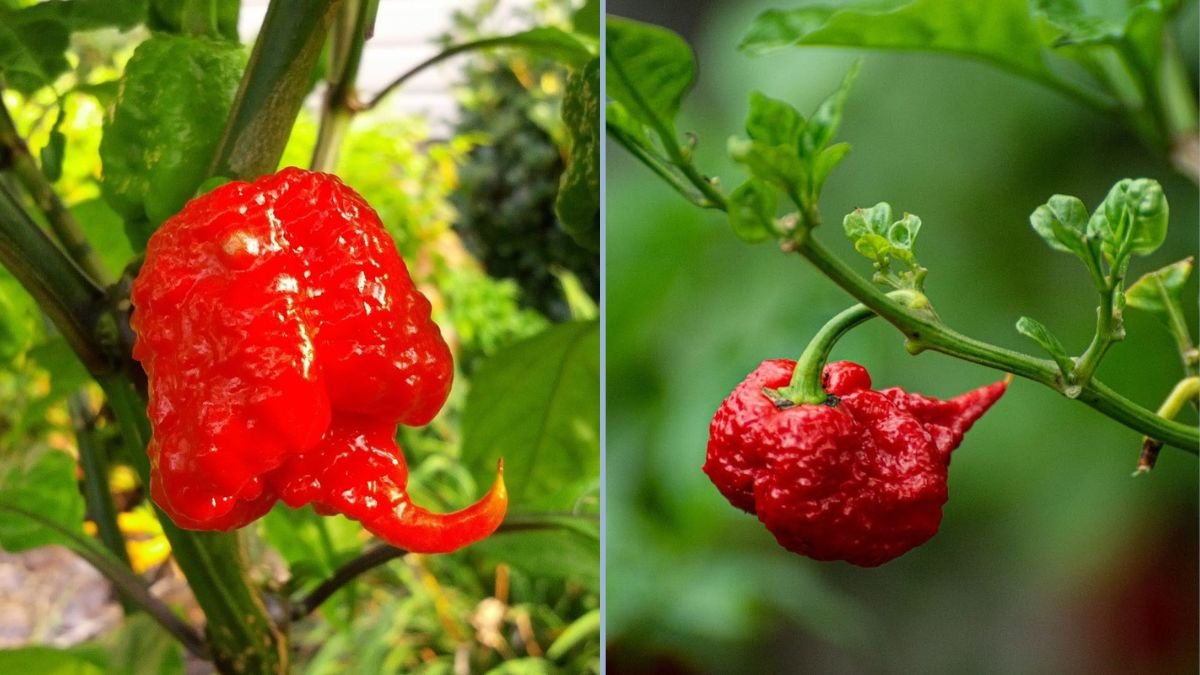
Growing the infamous Carolina Reaper isn’t for the faint of heart — but if you’re willing to embrace the blaze, you’ll be rewarded with one of the world’s hottest and most impressive chili plants. Inspired by the video “17 Deadly Secrets for Growing Carolina Reapers,” here’s a full-length blog post revealing the essential steps, hidden tricks, and brutal truths behind coaxing your Reaper to flourish.
1. Choose Big-Enough Containers or Garden Space
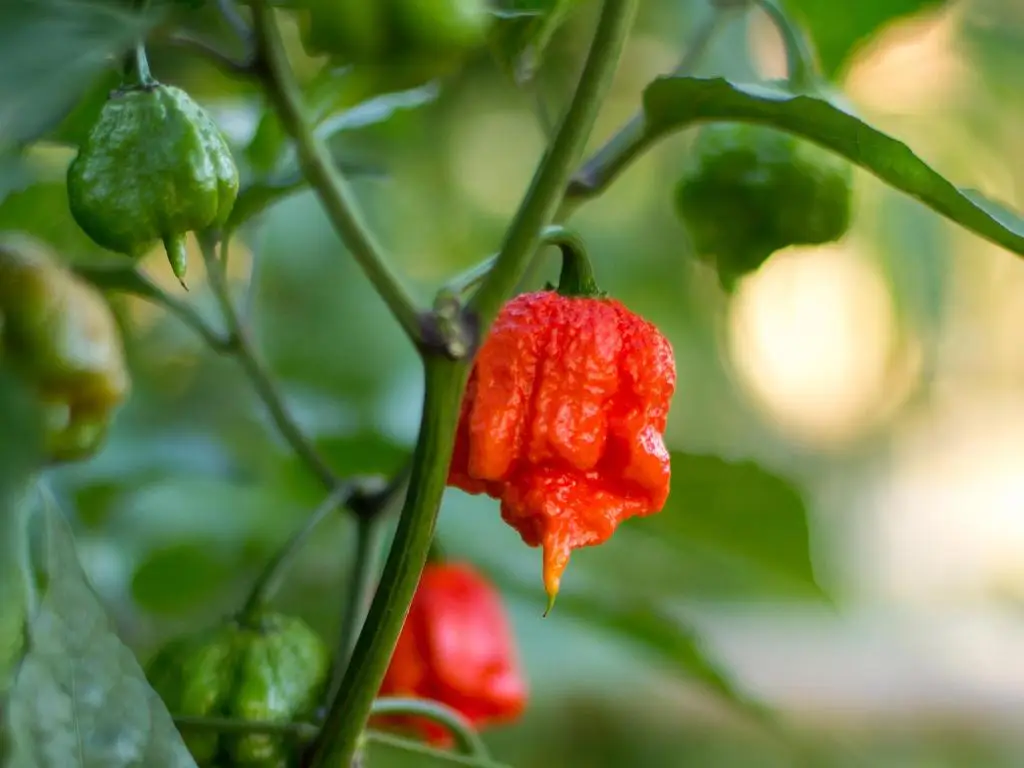
The Carolina Reaper thrives when given room to stretch. Reapers do very well in containers at least 5 gallons — but the bigger the pot, the bigger the plant will grow.
If you use a pot, aim for 5–10 gallon size (about 20–40 litres) so the root system has space to develop. If planting in the ground, make sure the soil is loose and deep.
2. Use Nutrient-Rich, Well-Draining Soil
Hot peppers like Reapers demand fertile soil — but they also hate being water-logged. Use a high-quality potting mix with added perlite or vermiculite for drainage. Mix in organic compost or well-rotted manure before planting.
This sets the stage for vigorous growth and higher yield.
3. Start Seeds Early and Provide Warmth
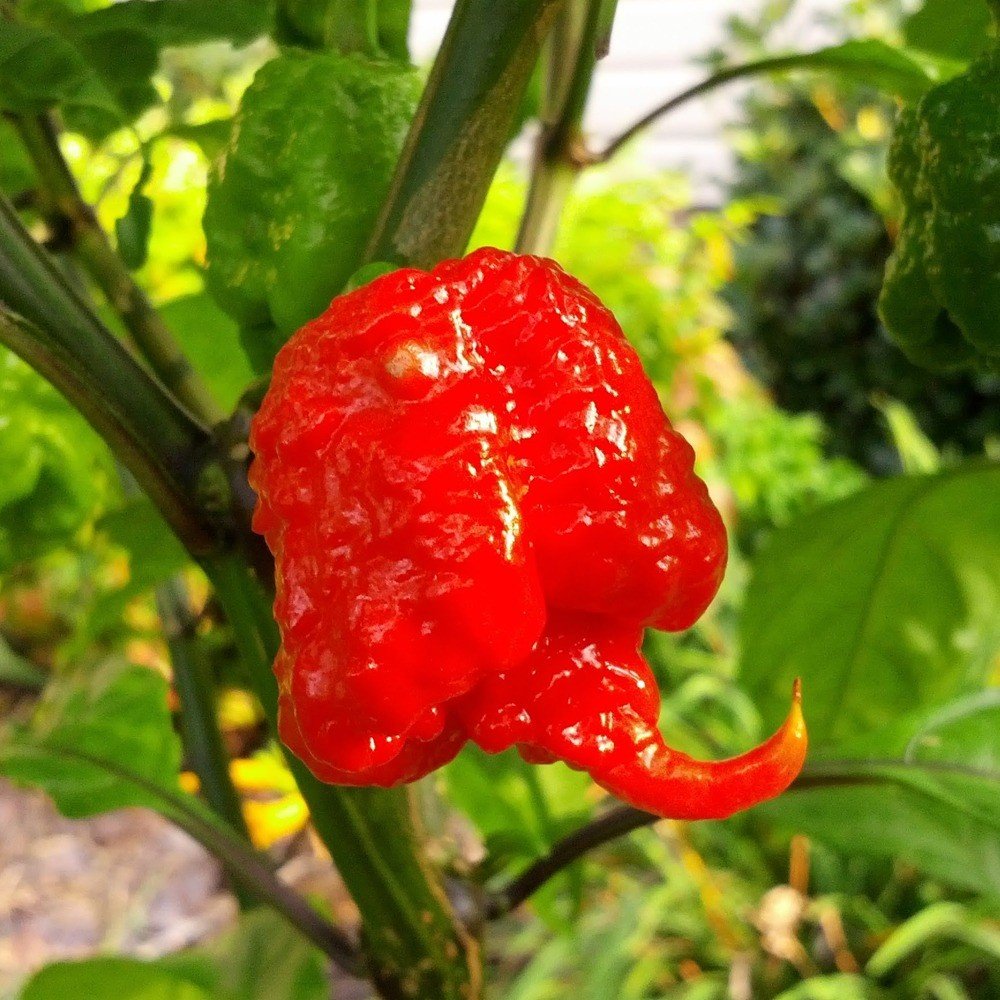
Since Reapers are slow-growing and heat-loving, starting seeds indoors under warm conditions gives them a head start. A temperature of around 27–30 °C (80–86 °F) during germination is ideal.
You’ll reduce the risk of leggy seedlings and give your plants the best chance at maturity.
4. Transplant Only When Strong and After the Risk of Cold
Don’t rush your Reapers outdoors. They are sensitive to cold, and transplanting too early sets them back. Make sure the seedlings are sturdy, have several true leaves, and the outdoor or greenhouse temperatures are consistently warm (night temps above ~15 °C).
Planting too early is one of the “deadly secrets” that can kill growth silently.
5. Ensure Plenty of Sunlight
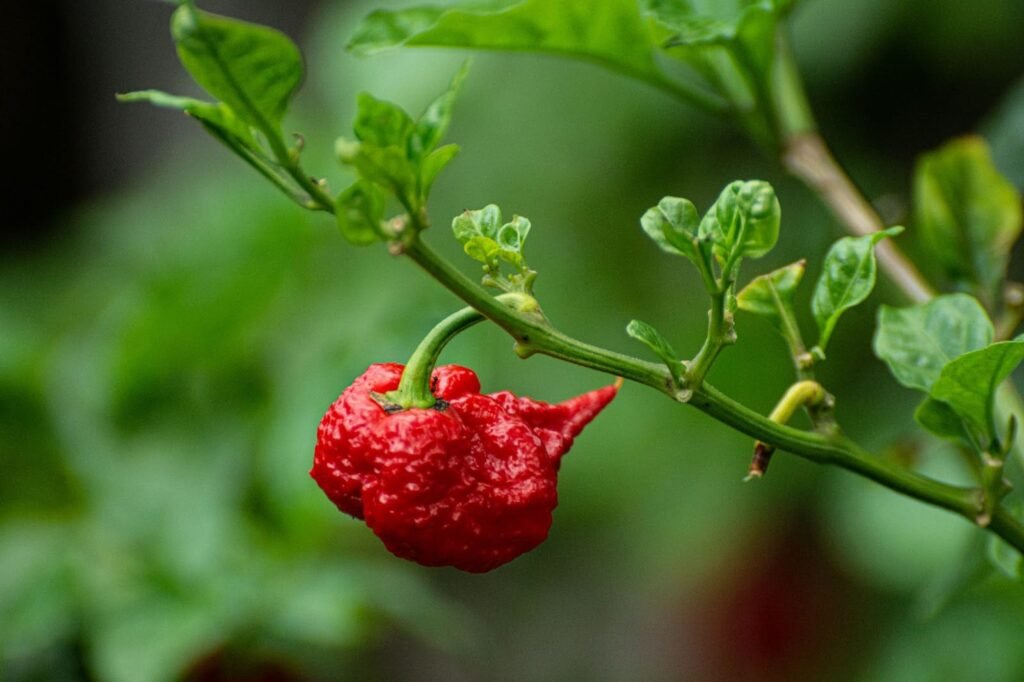
Reapers love sunlight. A minimum of 6 hours direct sun is necessary; 8+ hours is optimal. In containers, you can move them to follow the sun for maximum exposure.
Adequate light equals strong photosynthesis, which means more energy for big peppers.
6. Water Wisely: Keep the Balance
These plants like moisture — but not soggy feet. Follow this watering routine:
- Water deeply when the top 2 cm of soil is dry.
- Avoid shallow, frequent watering which leads to weak roots.
- Don’t let the soil dry out completely for long periods — it stresses the plant and reduces yield.
Monitor the soil, especially when in containers, as they dry faster.
7. Fertilize for Flowering and Fruit Set
Once your plants start flowering, switch to a fertilizer higher in potassium and phosphorus (for fruiting) rather than high nitrogen (which favors foliage over fruit).
Applying a balanced feed every 2–3 weeks during growth and then a bloom/fruit feed once fruit set begins will make a big difference.
8. Prune and Train the Plants
Pruning is one of those “secret” steps many skip. For Reapers:
- Remove early small flowers so the plant puts energy into root and vegetative growth first.
- Remove suckers (small shoots between main stems) to channel more energy into fruit-bearing branches.
- Consider staking or using a cage if the plant becomes heavy with fruit.
This encourages stronger stems and better overall yield.
9. Manage Temperature and Humidity
Reapers like warmth and moderate humidity. Ideal growing environment: daytime around 25–30 °C, night around 18–20 °C, humidity around 50–70%.
If humidity is too high (over 80%), you’ll risk fungal issues. Too low and the plant may stress. A fan or gentle ventilation helps improve air circulation.
10. Pollination Boost — If Indoors
If you’re growing indoors or in a greenhouse, natural wind may be limited. To ensure good fruit set:
- Gently shake flowers or branches to mimic wind.
- Use a soft brush to transfer pollen between flowers.
This step is often overlooked, yet vital for maximizing the “monster harvest” effect.
11. Protect from Pests and Diseases Early
Be vigilant. Some of the “deadly secrets” revolve around disease and pest issues (aphids, whiteflies, fungal wilts). Keep these in mind:
- Inspect plants weekly — look under leaves.
- Use neem oil or insecticidal soap proactively.
- Make sure soil is not water-logged and there’s good air flow around the plants.
Early intervention wins.
12. Encourage Fruit Development with Consistent Stress
Here’s a counter-intuitive trick: once the plant is established, slight root stress can encourage more fruiting. This means:
- Let the soil dry a little more between waterings (but not to the point of wilting).
- Don’t over-fertilize with nitrogen, which keeps it in leafy mode.
- When fruit set begins, let the plant focus on fruit instead of excessive foliage.
These “stress” techniques are part of those “deadly secrets” that separate average growers from great ones.
13. Be Patient: Reapers Take Time
One of the biggest mistakes is expecting rapid results. The Carolina Reaper is not a fast-fruiting pepper like some mild varieties. It takes time to bulk up, flower abundantly, set fruit, then ripen it.
If you rush things, you end up with lots of leaves and few real peppers. Give it patience and good care — it pays off.
14. Harvest at Peak for Best Heat and Flavor
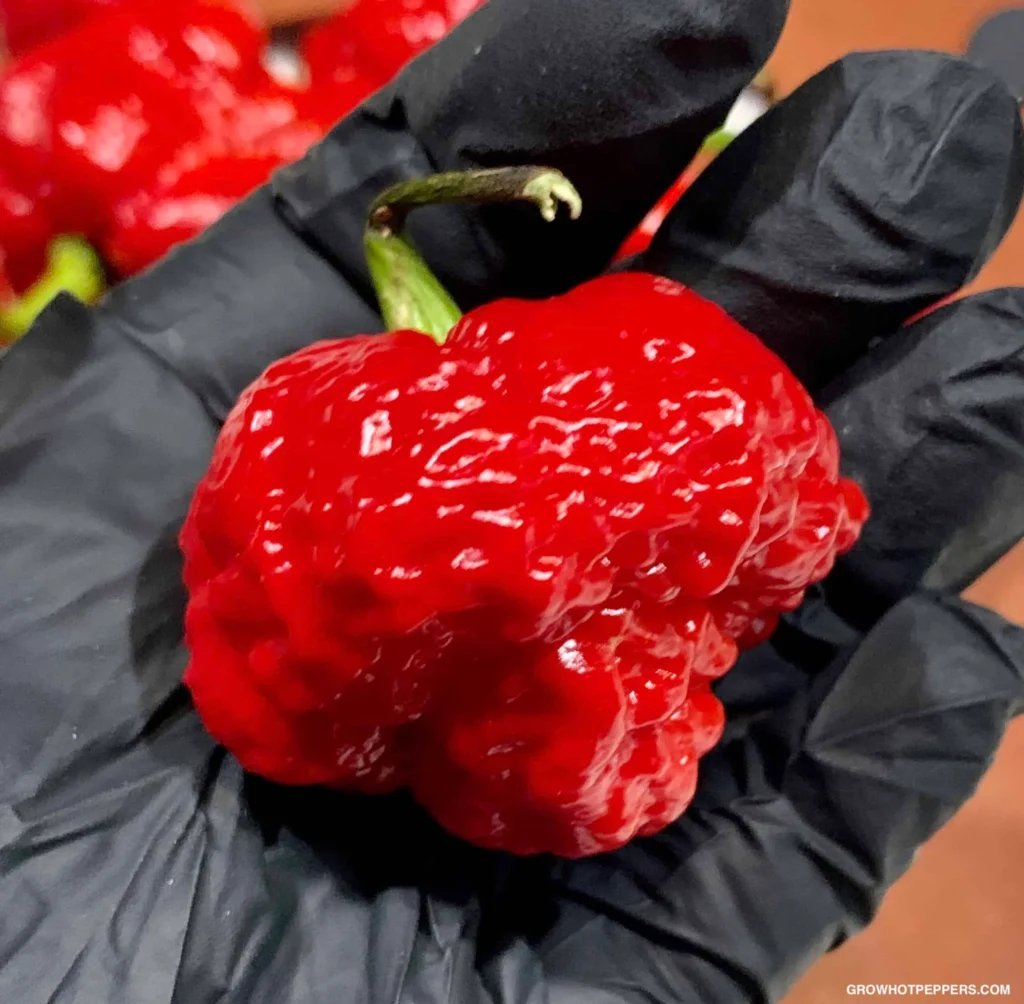
Harvest the pods when they have fully matured color (often bright red, depending on the cultivar) and are firm. At that point, they deliver maximum heat and flavor.
If you pick too early, you’ll sacrifice flavor intensity and yield. Salvage fruits that split or are overripe before they rot.
15. Save Seeds from Top Plants
If you’re growing and want to build your own lines, save seeds from your healthiest plants — the ones with biggest yield, best flavor, and strongest structure. Dry them fully and store in a cool, dark place.
This opens up future generations and improvements — another secret for serious growers.
16. Use Container Mobility to Your Advantage
If you’re growing in containers, you have mobility. You can move the plant to capture full sun, protect from cold nights, and adjust to changing weather — a big advantage.
Many backyard growers miss this, but container growing offers flexibility and control.
17. Celebrate the Scorch — But Respect the Heat
Finally, growing Carolina Reapers is fun and rewarding — but remember you’re dealing with extremely high heat. This isn’t just about growing for looks; these peppers pack serious punch.
Always wear gloves when handling them, avoid touching your face, and warn anyone who might sample them. A single Reaper can be over 2 million Scoville units — more than enough to make a grown man sweat bullets.
Wrap-Up: From Seed to Fiery Success
By following these 17 “deadly secrets,” you’re giving yourself a phenomenal shot at not just growing Carolina Reapers, but growing them well. Let’s recap what you’ve learned:
- Start with roomy containers or rich garden beds and move into full sun.
- Use warm, well-draining soil, start seeds early, and transplant only when conditions are safe.
- Provide ample light, water smartly, and feed for fruiting rather than just foliage.
- Prune and train the plant so it channels energy into pods, not just leaves.
- Manage environment (temperature, humidity, pests) and help pollination if needed.
- Introduce gentle stress, be patient, harvest at prime maturity, and consider seed-saving if you’ll grow again.
- And always respect the heat of these fiery little monsters.
With consistency, care, and a little ambition, you can turn a small seed into a vibrant, heavily-laden Carolina Reaper plant that will be the envy of your chili-growing circle. Whether you’re doing this for home cooking, preserving, or simply the thrill of growing the world’s hottest pepper plant — this guide has laid out the path.
Put in the work, follow the secrets, and you’ll soon be harvesting pods that are bold, blazing, and full of flavor. Happy growing — and may your plants scorch in the best possible way! 🌶️🔥