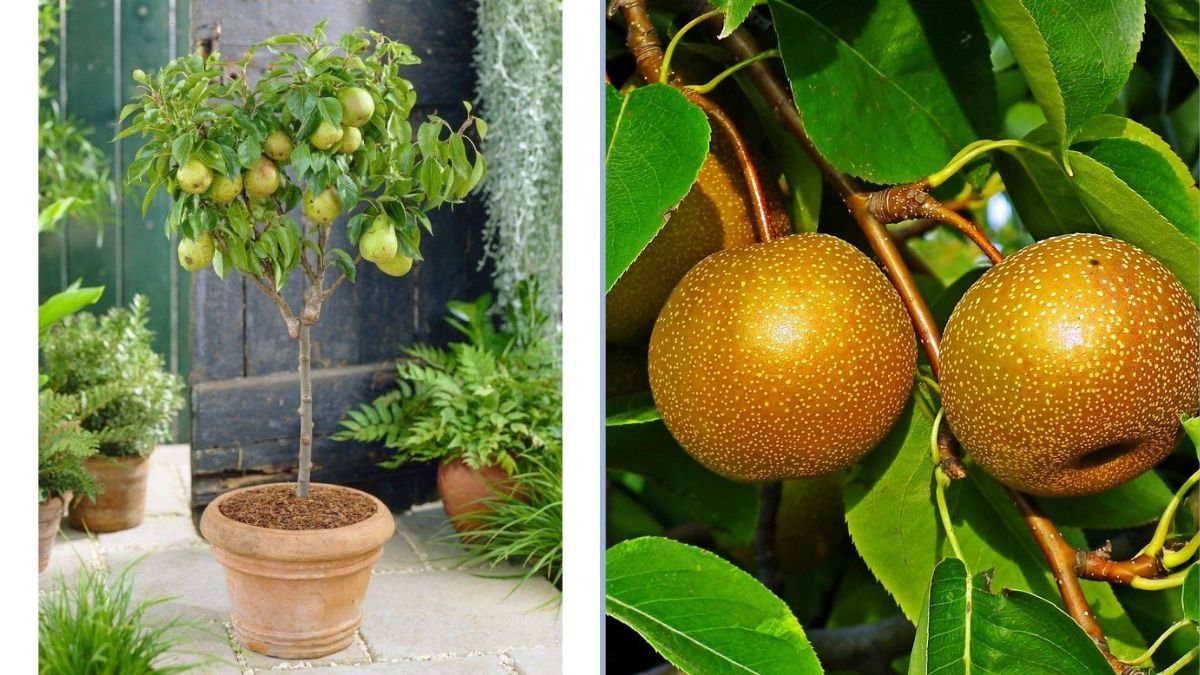
If you’ve ever bitten into a perfectly crisp, juicy Asian pear, you know it’s unlike any other fruit. Imagine the crunch of an apple combined with the fragrance and sweetness of a pear — refreshing, juicy, and utterly addictive. Known as “nashi” in Japan and “bae” in Korea, Asian pears (Pyrus pyrifolia) have been cultivated across East Asia for centuries.
Although they’re gaining popularity in Western orchards and markets, they’re still considered a rare and exotic treat in many parts of the world. For home gardeners, growing Asian pears offers something truly special: a unique fruit that’s both beautiful and delicious, thriving on trees that are surprisingly hardy and easy to care for.
In this post, we’ll explore why Asian pears are the ultimate rare fruit to grow, what makes them so unique, and how you can successfully plant, care for, and harvest these remarkable trees in your own backyard.
1. What Makes Asian Pears So Special?
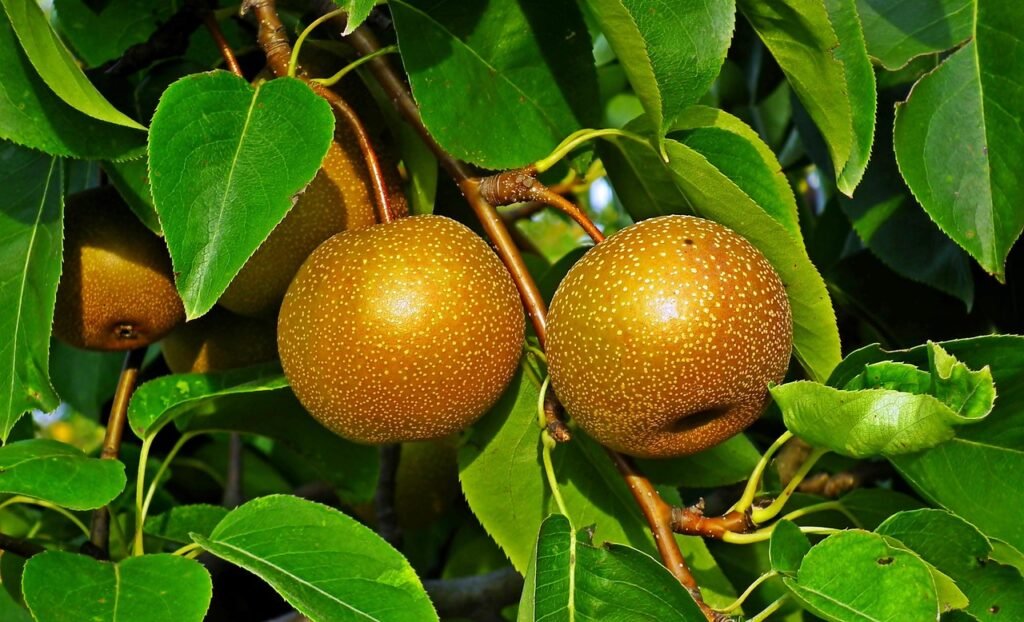
Asian pears differ from the European pears most people are familiar with in several key ways. Instead of being soft and buttery when ripe, Asian pears are firm, crisp, and incredibly juicy, more like apples in texture.
Their flavor is a perfect balance — delicately sweet with floral undertones and a refreshing crunch. When you bite into one, juice often drips down your chin, yet the fruit remains firm enough to slice easily.
Appearance and Varieties
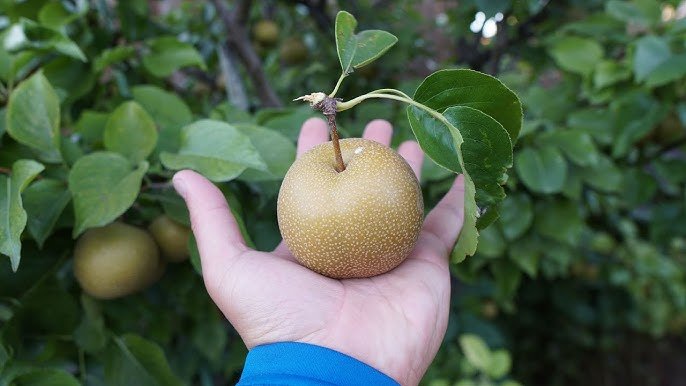
Asian pears are typically round — resembling golden apples — with smooth, sometimes russeted skin that ranges in color from pale yellow to bronze. Inside, the flesh is white, crisp, and bursting with juice.
There are hundreds of varieties, but some of the most popular include:
- ‘Hosui’ – Sweet and aromatic with bronze skin; one of the most flavorful varieties.
- ‘Shinseiki’ – Smooth-skinned, pale yellow, and delightfully crisp; known for its refreshing taste.
- ‘Kosui’ – Golden-brown fruit with a rich, honeyed flavor.
- ‘Nijisseiki’ (20th Century) – The classic yellow-skinned variety that set the standard for Asian pears worldwide.
Each variety offers its own blend of sweetness, aroma, and juiciness — but all share that signature satisfying crunch.
2. A Brief History of Asian Pears
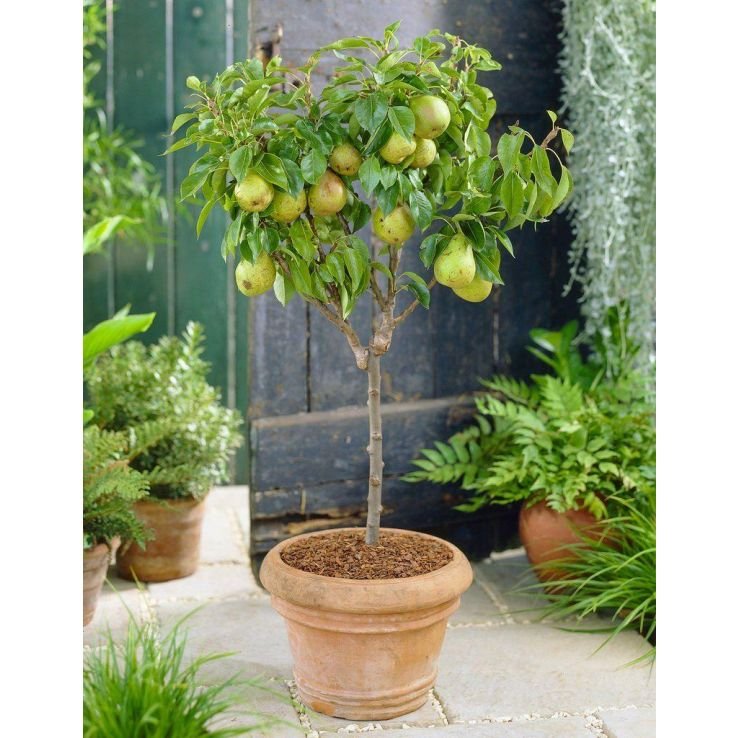
Asian pears have been cultivated in China and Japan for over 3,000 years. They were considered a luxury fruit, often reserved for nobility and special occasions. In ancient China, pear trees symbolized purity and longevity, while in Japan, they were prized for both their fruit and ornamental value.
By the late 19th century, Asian pears began making their way to the West, first introduced to California and Oregon by Asian immigrants. Today, they’re grown in select regions of the United States, Australia, and Europe — but they still remain relatively rare compared to apples or European pears.
Their scarcity, combined with their exceptional taste and long shelf life, has helped them earn a reputation as a “rare fruit you must try.”
3. Why You Should Grow Asian Pears
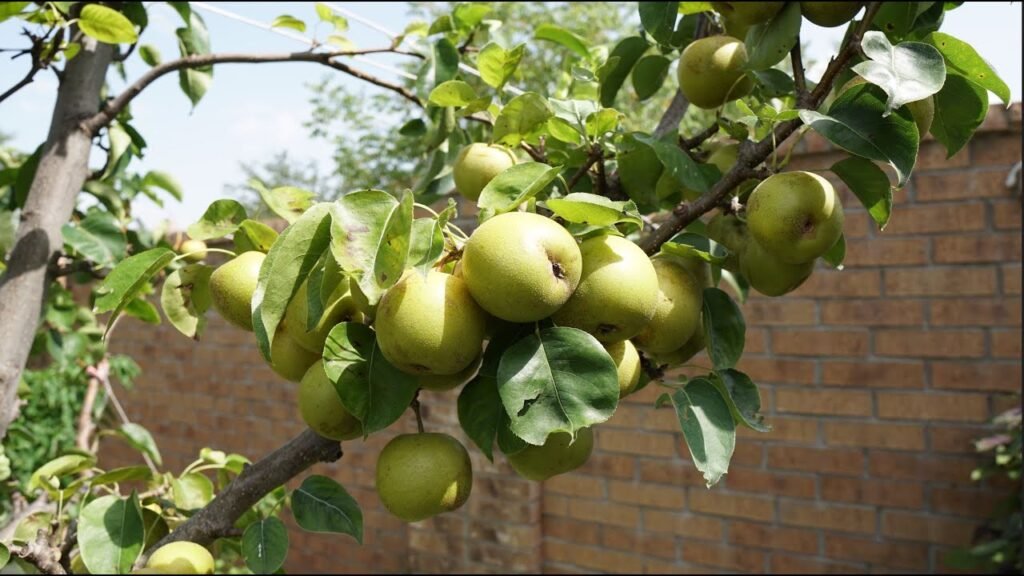
If you enjoy unique fruits and want to add something distinctive to your garden, Asian pears check every box.
1. Easy to Grow
Asian pear trees are hardy, adaptable, and require less maintenance than many other fruit trees. They’re resistant to many pests and diseases, and they produce abundantly with minimal effort once established.
2. Early Bearing
Unlike some fruit trees that take years to mature, Asian pears can start producing fruit as early as 2–3 years after planting.
3. Long Shelf Life
One of the best features of Asian pears is their remarkable storage ability. The fruit can stay fresh in the refrigerator for two to three months — some varieties even longer — without losing its crisp texture or flavor.
4. Stunning Ornamentals
Asian pear trees are beautiful additions to any landscape. In spring, they produce clouds of white blossoms that fill the air with a light, sweet fragrance. In fall, their leaves turn shades of gold and crimson, providing seasonal beauty even after the harvest.
4. How to Plant Asian Pear Trees
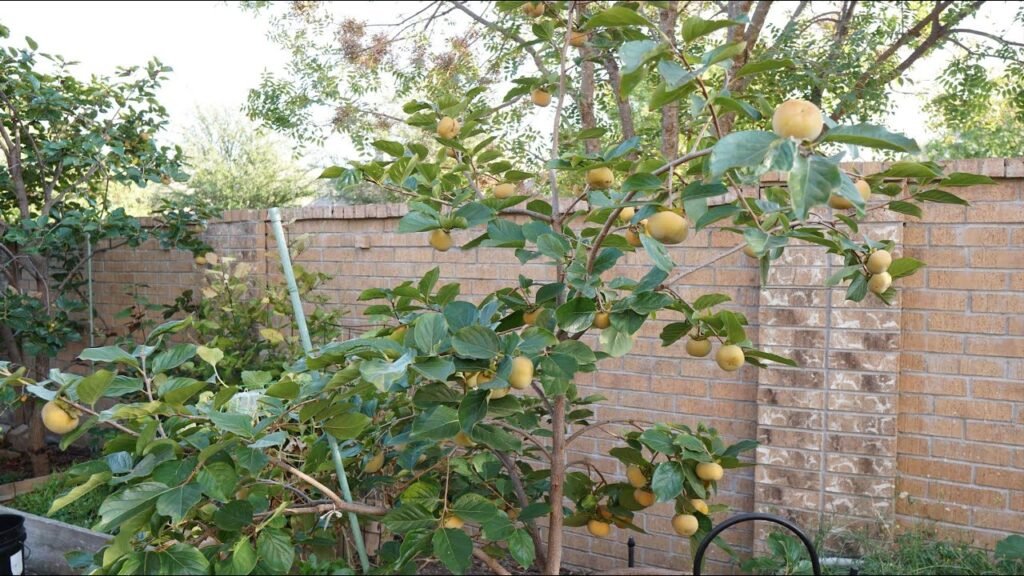
Growing Asian pears successfully starts with proper planting. While they’re relatively easy to cultivate, a few key steps will help ensure a strong, healthy tree and a fruitful harvest.
Choosing a Planting Site
Asian pears thrive in full sun, requiring at least 6–8 hours of sunlight per day for best fruit production.
They prefer well-drained, loamy soil rich in organic matter, with a slightly acidic to neutral pH (6.0–7.0). Avoid areas prone to standing water, as pear roots dislike soggy soil.
Pollination
Most Asian pear varieties are not self-pollinating, so you’ll need to plant at least two compatible varieties for cross-pollination. Plant them within 30–50 feet of each other to ensure good pollen transfer by bees.
Planting Steps
- Dig the hole: Twice as wide and just as deep as the tree’s root ball.
- Amend the soil: Mix compost or aged manure into the backfill soil for extra nutrients.
- Position the tree: Place the tree so the graft union (the bulge above the roots) sits a few inches above ground level.
- Backfill and water: Fill the hole, firm the soil, and water deeply.
- Mulch: Add a 2–3 inch layer of mulch around the base to conserve moisture and suppress weeds.
Plant in early spring before buds break, or in late autumn after leaf drop but before the ground freezes.
5. Caring for Your Asian Pear Tree
Once planted, Asian pear trees require relatively little care — but consistency is key to encouraging strong growth and abundant fruit.
Watering
Keep the soil evenly moist, especially during the first few years and while fruit is forming. Deep watering once a week is ideal; avoid overwatering or letting the soil completely dry out.
Fertilizing
Feed in early spring with a balanced organic fertilizer or compost. Avoid heavy nitrogen, which promotes leafy growth instead of fruiting.
Pruning
Pruning is essential to maintain shape and improve airflow.
- When: Late winter or early spring, before new growth begins.
- How: Remove crossing or crowded branches, and thin the interior to let sunlight reach the center.
Asian pears naturally grow in an open, rounded shape, making pruning easier than many other fruit trees.
Thinning Fruit
Asian pears often set more fruit than the tree can support. Thin the clusters when fruits are about the size of marbles, leaving one fruit per cluster and about 6 inches between each pear. This ensures larger, sweeter fruit and prevents limb damage.
6. Common Pests and Problems
While Asian pears are fairly resilient, a few potential issues can arise.
- Fire Blight: This bacterial disease causes wilting and blackened branches. Prune affected wood and disinfect tools between cuts.
- Pear Psylla: Tiny insects that suck sap from leaves; use horticultural oil in early spring to manage infestations.
- Birds and Squirrels: Protect ripening fruit with netting if wildlife becomes a problem.
Healthy trees grown in the right conditions are far less likely to suffer serious pest or disease problems.
7. Harvesting and Storing Asian Pears
Asian pears differ from European pears in that they ripen on the tree, not after harvest. They should be picked when fully mature but still firm.
Signs of Ripeness
- Skin color deepens to its mature tone (gold, yellow, or bronze).
- The fruit feels slightly firm but gives a little when pressed.
- A gentle twist separates it easily from the branch.
Handle with care to avoid bruising — the skin may look tough, but it’s surprisingly delicate.
Storage
Asian pears keep remarkably well:
- Refrigerated: Up to 3 months.
- Cool cellar: Up to 4 weeks.
- Room temperature: Around 7–10 days.
Their natural firmness and high moisture content make them ideal for long storage and shipping, one reason they’re so prized in markets worldwide.
8. Enjoying the Fruits of Your Labor
Asian pears are as versatile in the kitchen as they are delicious fresh.
Ways to Enjoy Them
- Fresh and Chilled: Slice and eat raw for a refreshing snack.
- Salads: Add thin slices to green or fruit salads for crunch and sweetness.
- Desserts: Bake into tarts, crisps, or cakes for a light, aromatic treat.
- Salsas and Sauces: Combine with ginger, soy, or chili for an Asian-inspired relish.
- Preserves: Their high sugar and water content make them perfect for canning or drying.
In Asian cuisines, they’re also used to tenderize meats — especially beef — due to their natural enzymes.
9. Final Thoughts: A Rare Fruit Worth Growing
Asian pears are more than just another fruit tree. They’re a blend of elegance, resilience, and flavor — easy to grow yet producing fruit that feels exotic and luxurious. Their crisp texture, aromatic sweetness, and stunning spring blossoms make them as rewarding to look at as they are to eat.
For gardeners seeking something different, Asian pears offer the perfect mix of practicality and beauty. They symbolize patience, abundance, and the joy of cultivating something truly special.
So, if you’ve never tasted one fresh from the tree, now’s the time to change that. Plant an Asian pear this season, and you’ll soon discover why it’s truly the ultimate rare fruit you must try growing.