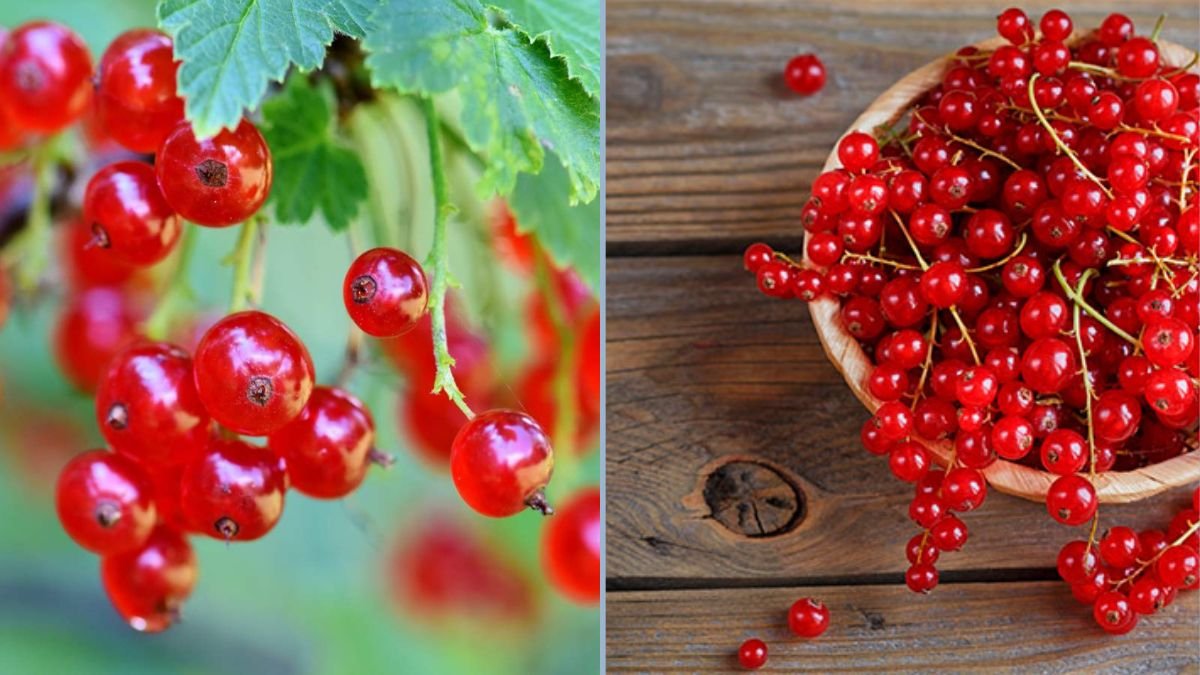
Few fruits combine beauty, flavor, and simplicity quite like the red currant. These jewel-like berries, glistening in clusters of ruby-red pearls, are as striking in the garden as they are delightful on the plate. Whether you enjoy them fresh from the bush, turned into sparkling jellies, or baked into a rustic tart, red currants offer a perfect blend of tartness and sweetness that brightens any dish.
But their appeal doesn’t stop at taste. Red currants (Ribes rubrum) are also one of the easiest soft fruits to grow and care for. They thrive in temperate climates, require minimal maintenance, and reward even beginner gardeners with generous crops year after year.
In this post, we’ll dive into everything that makes red currants both delicious and easy to care for—from their history and health benefits to growing tips, harvesting secrets, and creative ways to enjoy them.
1. What Are Red Currants?
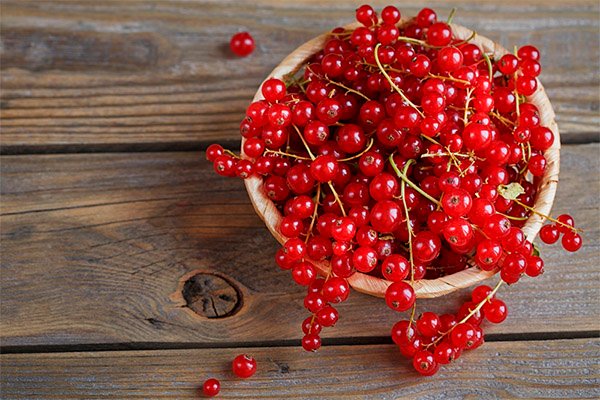
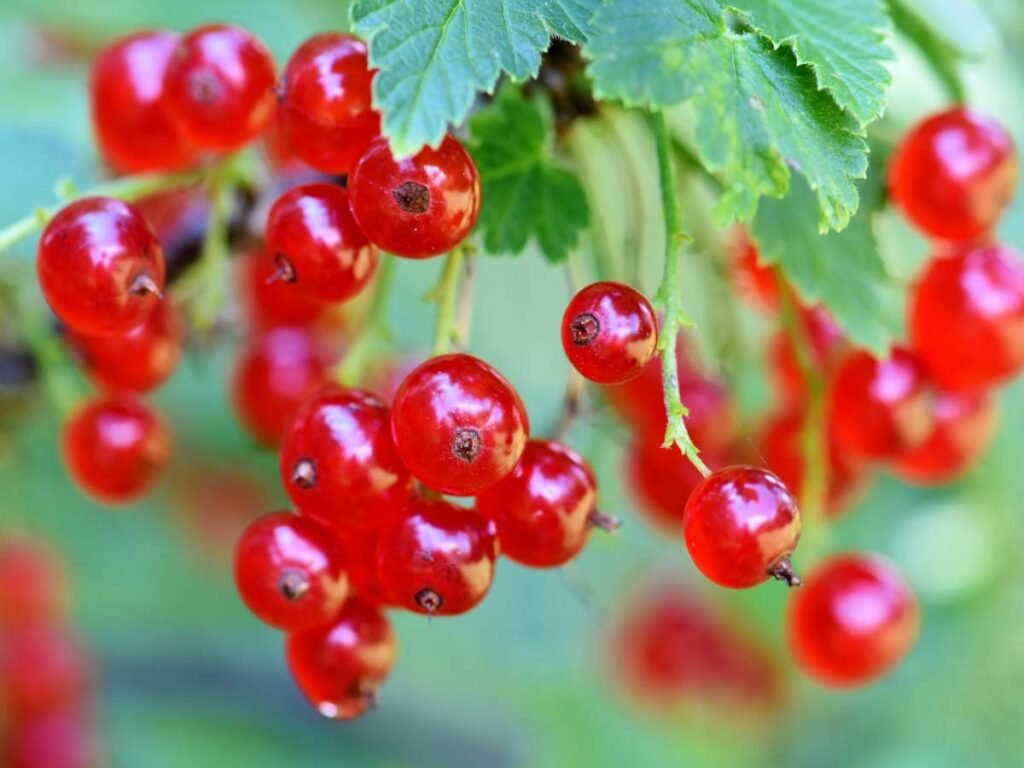
Red currants are small, translucent berries that grow in pendulous clusters on deciduous shrubs belonging to the Ribes genus. These shrubs are close relatives of blackcurrants and gooseberries, sharing similar growing habits and structure.
Each red currant berry is about the size of a small pea and packed with tangy juice. The flavor profile is distinct—sharper than a grape but sweeter than a cranberry, with a refreshing tartness that makes them a beloved ingredient in both sweet and savory recipes.
The shrubs themselves are compact and tidy, typically growing to about 1.5 meters (5 feet) tall. In spring, they produce small, greenish flowers that give way to bright red fruit by early to mid-summer. When the berries ripen, the bushes transform into living ornaments—perfect for adding color and charm to gardens or patios.
2. A Brief History and Cultural Significance
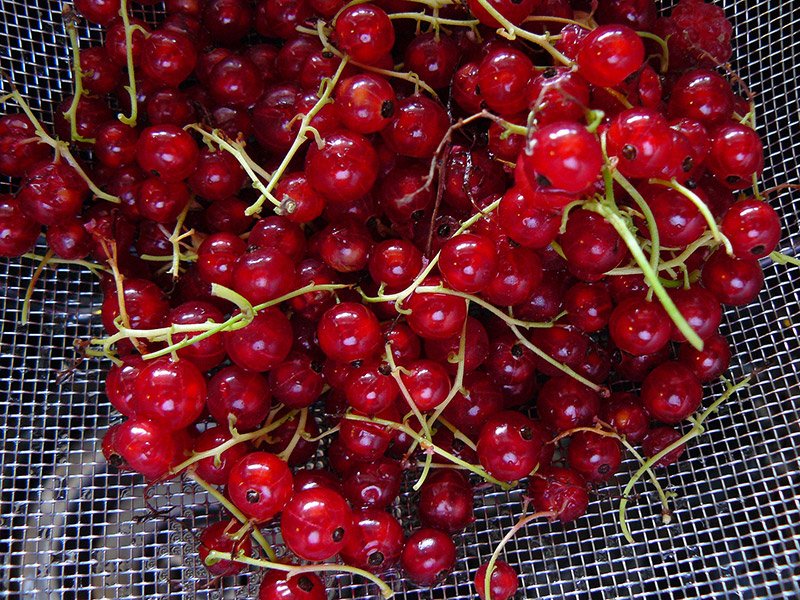
Red currants have been cultivated for centuries across Europe and parts of Asia. Historical records show they were grown in monastery gardens as early as the Middle Ages, valued not only for their flavor but also for their medicinal and ornamental properties.
In Northern and Central Europe, red currants became a staple fruit, commonly used in preserves, sauces, and desserts. They were especially cherished in regions like Germany, Scandinavia, and France, where their tartness pairs beautifully with rich meats and creamy sweets.
In Britain, red currant jelly became a traditional accompaniment to roast lamb and game, while in France, gelée de groseilles remains a classic spread on breakfast bread and pastries.
Today, red currants are grown in gardens and small farms across Europe, North America, and parts of Asia, continuing their long-standing reputation as a reliable, productive, and decorative fruit bush.
3. Nutritional and Health Benefits
Don’t be fooled by their small size—red currants pack a powerful nutritional punch. Like most berries, they are rich in essential vitamins, antioxidants, and fiber, making them a smart addition to a balanced diet.
High in Vitamin C
Red currants are an excellent source of vitamin C, which supports immune health, collagen formation, and helps protect the body from oxidative stress. A single handful of berries can provide more than half of your daily vitamin C requirement.
Loaded with Antioxidants
The bright red color of the fruit comes from natural plant pigments called anthocyanins and flavonoids, both known for their antioxidant properties. These compounds help neutralize free radicals and may support cardiovascular and cellular health.
Fiber and Digestive Health
Each tiny berry contains dietary fiber, promoting healthy digestion and contributing to satiety. Including red currants in your diet can help support gut health and regulate blood sugar levels.
Low in Calories, High in Flavor
For those watching their caloric intake, red currants are an ideal snack—sweet, tart, and satisfying without adding many calories. They’re perfect in yogurt, smoothies, or even eaten plain with a drizzle of honey.
4. Why Red Currants Are So Easy to Grow
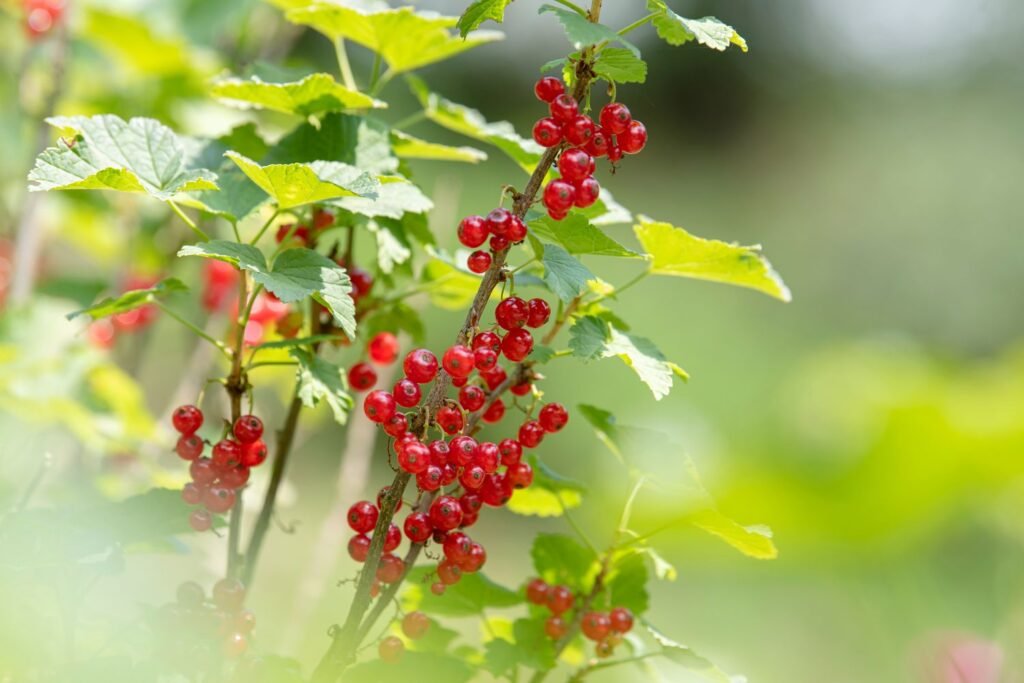
Red currant bushes are among the most forgiving fruiting plants for home gardeners. They adapt well to different conditions, don’t require specialized care, and once established, can produce fruit for up to 15 years or more.
Ideal Growing Conditions
- Climate: Red currants thrive in temperate climates with cool winters and mild summers. They are hardy and can tolerate frost and colder temperatures.
- Soil: They prefer well-drained, fertile soil rich in organic matter. Slightly acidic to neutral soil (pH 6.0–7.0) is ideal.
- Sunlight: While they love sunlight, they can also tolerate partial shade, making them versatile for gardens with mixed light conditions.
Planting Tips
Plant bare-root red currant bushes in late autumn or early spring while the soil is moist but not frozen. Space them about 1.2 to 1.5 meters apart to allow good airflow. Mulch around the base to conserve moisture and suppress weeds.
Watering and Feeding
Red currants like consistently moist soil, especially when fruit is forming. Water deeply during dry periods but avoid waterlogging. Feeding them once in spring with a balanced organic fertilizer will keep them productive.
Pruning and Maintenance
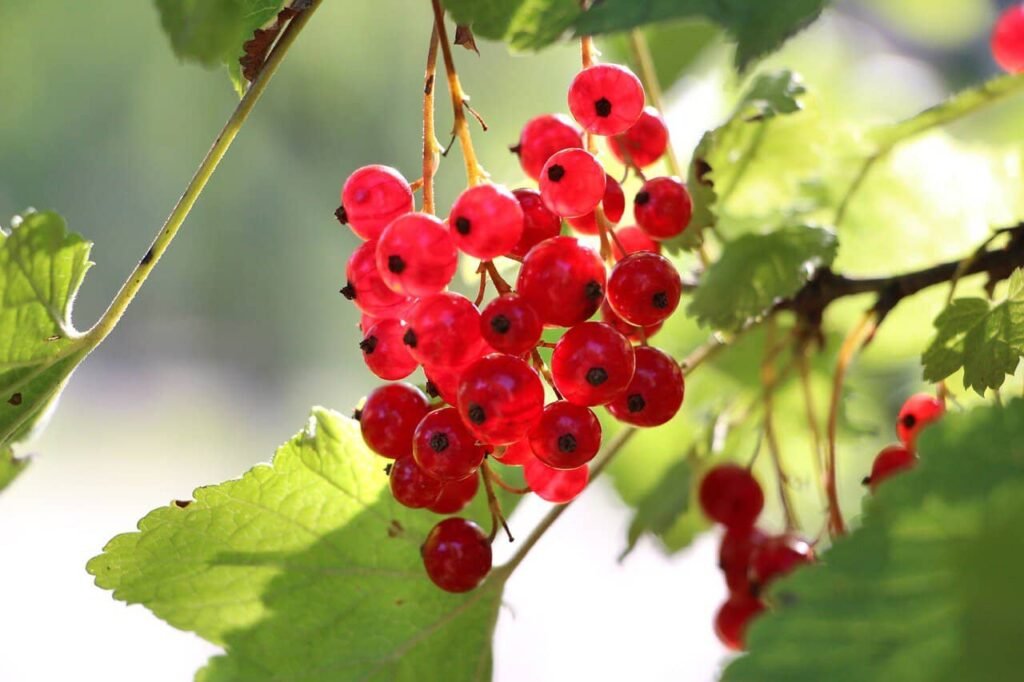
Perhaps the best part of growing red currants is that they require minimal pruning.
- In winter, remove old, weak, or crossing branches to encourage new growth.
- Aim to keep a balance of old and young wood, as the best fruit develops on two- or three-year-old branches.
Pest and Disease Resistance
Red currants are relatively resistant to pests and diseases compared to other soft fruits. Occasional aphids or birds might show interest, but netting and natural remedies usually keep problems in check.
With such simple care requirements, it’s no wonder these shrubs are considered beginner-friendly and rewarding for gardeners of all levels.
5. Harvesting and Storing Red Currants
The sight of bright red clusters hanging from the branches in mid-summer is one of the joys of gardening. Red currants typically ripen from late June to early August, depending on your region.
To harvest, gently snip entire clusters from the bush rather than picking individual berries—this helps prevent bruising and keeps them fresher longer.
Storage Tips
- Refrigeration: Freshly picked red currants can last up to two weeks in the fridge if kept dry in a breathable container.
- Freezing: For long-term storage, spread the berries in a single layer on a baking sheet, freeze them, and then transfer to bags. They’ll retain their flavor and nutrients for months.
- Preserving: Because of their natural tartness and high pectin content, red currants make excellent jams, jellies, and sauces with minimal added sugar.
6. Delicious Ways to Enjoy Red Currants
Red currants shine in the kitchen. Their vibrant color and bright flavor make them incredibly versatile for both sweet and savory dishes.
Sweet Uses
- Jams and Jellies: Their high pectin content makes them perfect for setting preserves naturally.
- Baked Goods: Use them in muffins, tarts, cheesecakes, or upside-down cakes for a pop of color and tang.
- Dessert Garnish: Sprinkle them fresh on top of pavlovas, custards, or ice cream for a gourmet finish.
- Smoothies and Yogurt: Add a handful to smoothies or swirl them into yogurt for a refreshing twist.
Savory Uses
- Meat Sauces: Red currant jelly pairs beautifully with lamb, venison, or poultry. It adds a delicate sweetness that balances savory dishes.
- Salads: Toss a few fresh currants into green salads or grain bowls for a burst of tart flavor.
- Cheese Pairings: They complement creamy cheeses like brie, goat cheese, and camembert.
Beverages
You can even turn red currants into refreshing summer drinks—try infusing them into sparkling water, lemonade, or crafting homemade syrups for cocktails.
7. Why You Should Grow Red Currants
If you’ve been hesitant to grow fruit because of space, climate, or maintenance concerns, red currants are the perfect starting point. They’re compact, attractive, and incredibly rewarding.
Beyond practicality, there’s something deeply satisfying about harvesting clusters of glowing red fruit from your own garden. They provide a touch of old-world charm, a nutritional boost, and a taste that captures summer’s brightness in every bite.
Conclusion
Red currants are proof that the simplest things can be both beautiful and beneficial. Their gleaming berries offer a perfect balance of tartness and sweetness, their shrubs are hardy and low-maintenance, and their nutritional value rivals that of any so-called superfood.
So whether you’re a gardener looking for an easy, fruitful plant or a food lover seeking new flavors, the red currant deserves a spot in your garden and your kitchen.
Bright, bold, and brimming with flavor, these little berries remind us that nature’s best treasures often come in small, ruby-red packages.