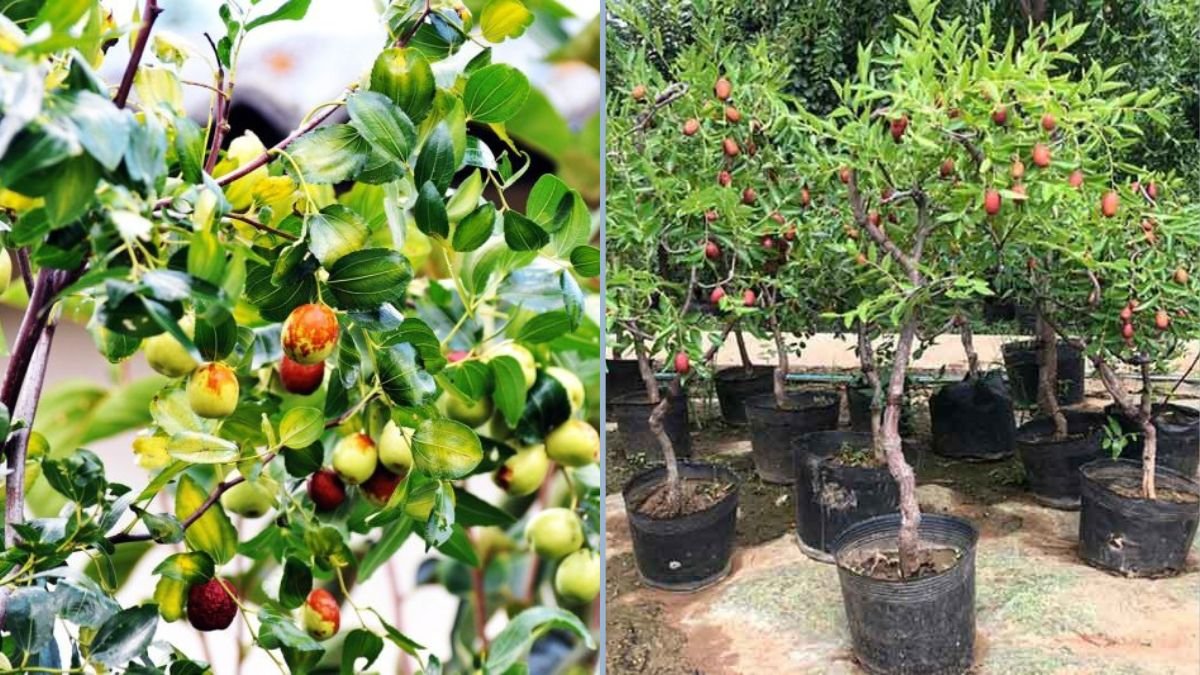
The jujube tree — often called the Chinese date — is one of nature’s most underrated fruit trees. With its shiny green leaves, sweet-tart fruit, and impressive resilience, the jujube (Ziziphus jujuba) has been cultivated for over 4,000 years across Asia and the Middle East.
This small but mighty tree produces fruit that can be eaten fresh, dried, or candied, offering a flavor that’s a cross between an apple and a date. Even better? It’s incredibly easy to grow at home.
If you’ve ever wanted to grow a fruit tree that’s hardy, drought-tolerant, and fast-growing, the jujube is a perfect choice. And the best part — you can grow it from seeds, right in your own backyard or even on a sunny balcony.
In this guide, you’ll learn exactly how to grow a jujube tree from seeds, step by step — using simple, home-friendly methods that guarantee quick germination and strong growth.
1. What Is a Jujube Tree?
The jujube tree belongs to the buckthorn family (Rhamnaceae) and is native to China. Over thousands of years, it spread across Asia, the Middle East, and eventually to Europe and the Americas.
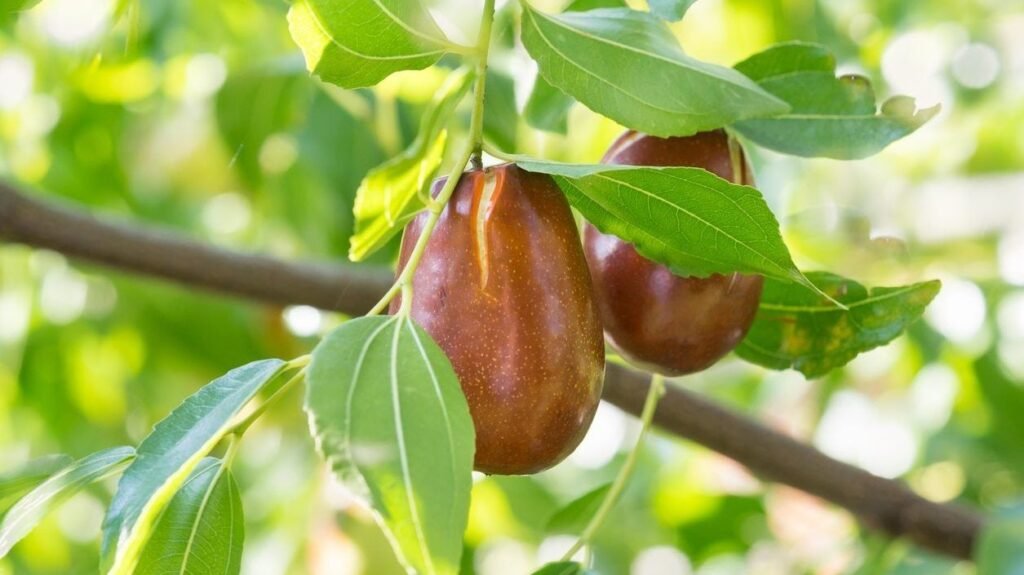
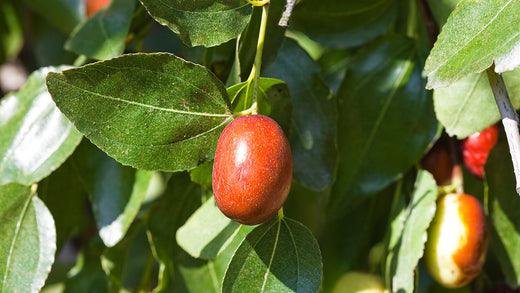
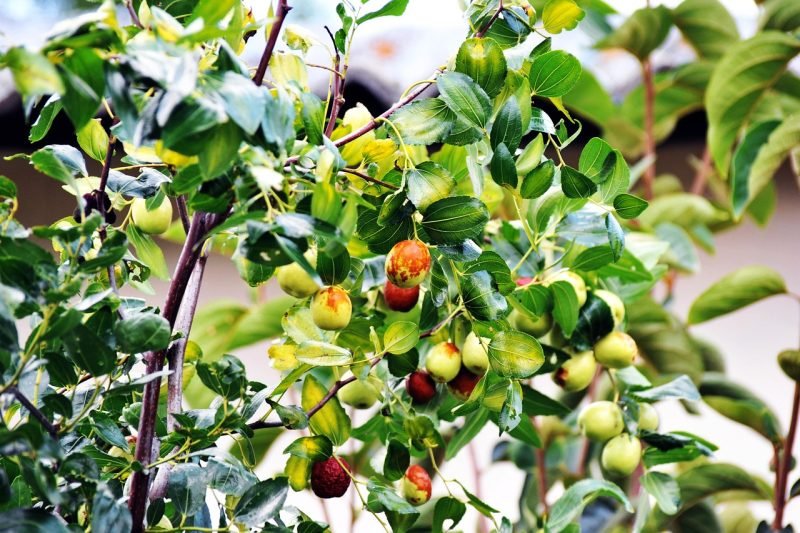
Jujube trees are prized for their resilience, beauty, and fruit quality. The tree typically grows between 15 to 30 feet tall, depending on the variety, and develops small, shiny green leaves that turn yellow in autumn. In spring, it produces clusters of tiny, fragrant flowers that later mature into oval fruits resembling dates.
The fruit starts out crisp and green, with a sweet, apple-like flavor. As it ripens and dries, it becomes wrinkled, chewy, and intensely sweet — earning it the nickname “Chinese date.”
Not only is the jujube delicious, but it’s also highly nutritious. It’s rich in vitamin C, antioxidants, and minerals, and is used in traditional Chinese medicine to improve sleep, digestion, and immunity.
2. Why Grow Jujube from Seeds?
While many gardeners grow jujubes from nursery saplings or grafted trees, starting from seed can be an incredibly rewarding experience. Here’s why:
- It’s inexpensive: You can grow multiple trees for the cost of a few fruits.
- It’s fun and educational: Watching seeds germinate and develop into a thriving tree is deeply satisfying.
- It’s adaptable: Jujube trees grown from seed adapt naturally to your local soil and climate.
- It’s surprisingly fast: With the right technique, jujube seeds germinate quickly and grow into hardy saplings within weeks.
The only catch is that jujube seeds can be slow to sprout if not properly prepared — but don’t worry. With a few easy steps, you can achieve nearly 100% germination success.
3. Collecting and Preparing Jujube Seeds
The first step to growing your own jujube tree is obtaining fresh, viable seeds. You can collect them from fully ripened fruits purchased at an Asian market or harvested from an existing tree.
Step 1: Choose Ripe Fruit
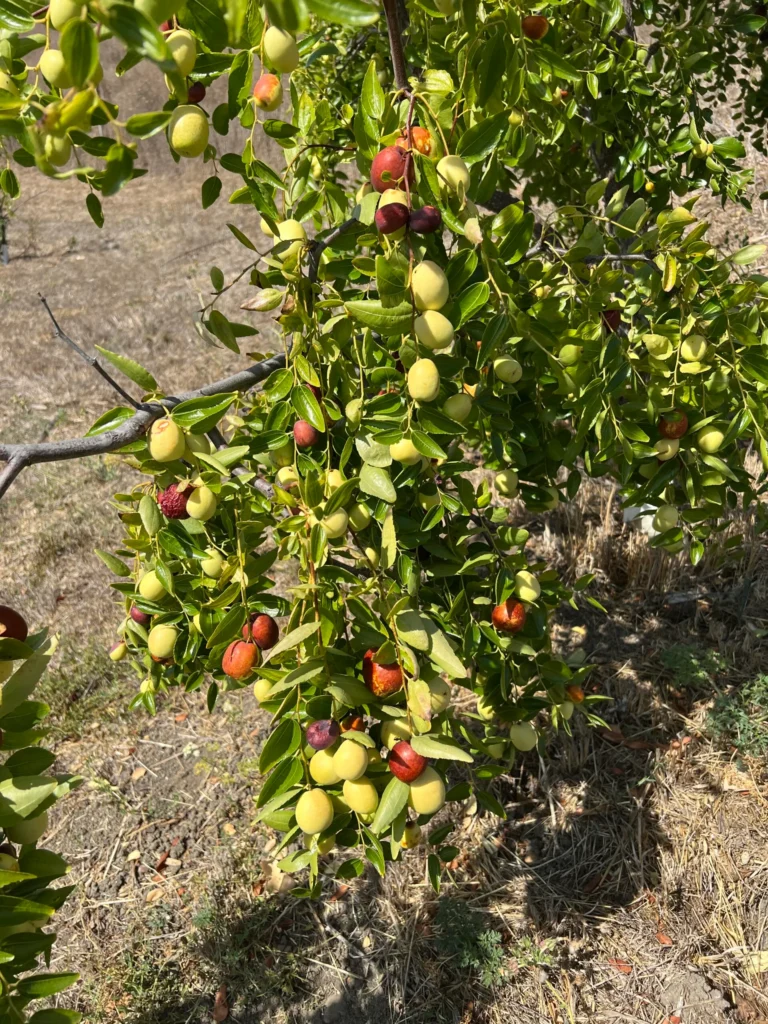
Pick fully mature jujubes — ideally brown, slightly wrinkled fruits. These contain seeds that are fully developed and ready to grow.
Step 2: Remove and Clean the Seeds
Cut open the fruit carefully and extract the hard pit (the seed pod). Wash it thoroughly to remove all remaining pulp. Let it dry for a day.
Step 3: Crack the Outer Shell
Jujube seeds are encased in a tough shell that can delay germination. To speed things up:
- Use a small hammer or nutcracker to gently crack the outer shell without damaging the kernel inside.
- Alternatively, you can lightly sand the shell with sandpaper or a file to thin it.
This step allows moisture to reach the inner seed and triggers faster sprouting.
Step 4: Soak the Seeds
Place the cleaned and cracked seeds in warm water for 24 hours. Soaking softens the shell and helps activate germination enzymes.
4. Germinating Jujube Seeds at Home
After preparing your seeds, you’re ready to start the germination process. The good news? It’s simple and doesn’t require any special equipment.
Option 1: Paper Towel Method
- Moisten a paper towel with warm water (not soaking wet).
- Place the soaked jujube seeds on the towel and fold it over them.
- Seal the towel in a plastic zip bag to retain humidity.
- Keep the bag in a warm, dark place — around 25–30°C (77–86°F).
Check every few days to ensure the towel stays moist. Germination typically occurs within 2–4 weeks.
Option 2: Direct Potting Method
- Fill small pots with a well-draining seed mix (equal parts sand, compost, and loam).
- Plant the seeds about 1 inch deep.
- Water lightly to keep the soil moist but not soggy.
- Cover the pots with clear plastic wrap to maintain humidity and warmth.
Place the pots in a warm spot with indirect sunlight. Sprouts will appear in 3–5 weeks, depending on temperature and seed freshness.
5. Transplanting Seedlings
Once your jujube seedlings have grown to about 4–6 inches tall and developed several leaves, they’re ready for transplanting.
Step 1: Choose the Right Spot
Select a sunny location — jujube trees thrive in full sunlight. They tolerate heat, drought, and poor soils but produce best in well-drained, loamy soil.
Step 2: Prepare the Soil
Loosen the soil to a depth of 12–18 inches. Mix in compost or organic matter to improve fertility and drainage.
Step 3: Transplant Carefully
- Dig a hole large enough for the seedling’s root system.
- Gently remove the seedling from its pot, keeping the root ball intact.
- Place it in the hole at the same depth it grew in the pot.
- Backfill with soil, press gently, and water thoroughly.
Mulch around the base to retain moisture and prevent weeds, but avoid piling mulch against the stem.
6. Caring for Your Jujube Tree
Jujube trees are famously low-maintenance, but a few simple care steps ensure healthy growth and a bountiful harvest.
Watering
During the first year, water regularly to help roots establish. Once mature, jujube trees are highly drought-tolerant and need watering only during prolonged dry spells.
Sunlight
Jujubes love sunlight. At least 6–8 hours of full sun daily ensures strong growth and sweet fruit.
Feeding
In early spring, apply a balanced organic fertilizer or compost. Jujubes don’t need much feeding; overfertilizing can lead to excessive leafy growth instead of fruiting.
Pruning
Prune lightly each winter to shape the tree and remove dead or crowded branches. Jujubes naturally form an open, graceful canopy that needs minimal training.
Pests and Diseases
One of the jujube’s biggest advantages is its natural resistance to most pests and diseases. Occasionally, aphids or scale insects may appear, but these can be managed with organic sprays or neem oil.
7. Flowering and Fruiting
Jujube trees start producing flowers within 2–3 years from seed, though full fruiting may take a bit longer. The tiny, fragrant flowers attract bees and other pollinators, ensuring good fruit set.
The fruits mature from late summer to early autumn, depending on climate and variety. They can be eaten at various stages:
- Green: Crisp and apple-like.
- Yellow-brown: Sweet and mildly tart.
- Wrinkled brown: Fully ripe, soft, and date-like.
Once harvested, the fruit can be eaten fresh, dried, or even used in teas, syrups, and baked goods.
8. Tips for Fast Growth and High Success Rate
If you want your jujube seeds to grow quickly and healthily, keep these expert tips in mind:
- Warmth is key: Germination speeds up dramatically in warm conditions.
- Don’t overwater: Jujube roots dislike standing water. Let the soil dry slightly between waterings.
- Use fresh seeds: Older or dried-out seeds have lower viability.
- Sunshine matters: The more sunlight your young tree gets, the faster it will grow.
- Patience pays off: Even if some seeds take longer to sprout, don’t give up — jujubes are resilient and will often surprise you.
9. The Reward of Growing Your Own Jujube Tree
Growing a jujube tree from seed is not just easy — it’s deeply rewarding. Within a few seasons, you can enjoy the sight of delicate flowers turning into shiny fruits that carry centuries of tradition and nourishment.
You’ll have:
- A beautiful ornamental tree with glossy leaves and graceful form.
- A source of healthy, sweet fruit high in antioxidants and vitamins.
- A low-maintenance plant that thrives in heat, poor soil, and drought.
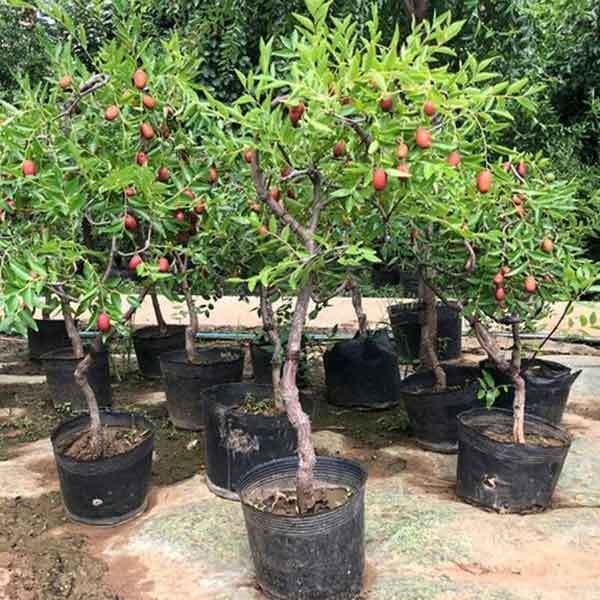
Whether you grow it in your garden, on your patio, or even in a large container, the jujube tree offers the perfect mix of practicality and pleasure.
Conclusion
The jujube truly is a fruit for everyone — ancient yet modern, exotic yet easy to grow. Its remarkable adaptability, minimal care requirements, and fast-growing nature make it ideal for gardeners of all experience levels.
By following these simple, home-friendly steps — soaking, cracking, germinating, and transplanting — you can achieve nearly 100% seed success and enjoy the satisfaction of raising your own jujube tree from scratch.
In just a few years, you’ll be harvesting sweet, golden-brown fruits that embody resilience, beauty, and health — a testament to the magic of nature and your own patience as a grower.
So go ahead — plant those seeds today. The world of jujubes is waiting for you!