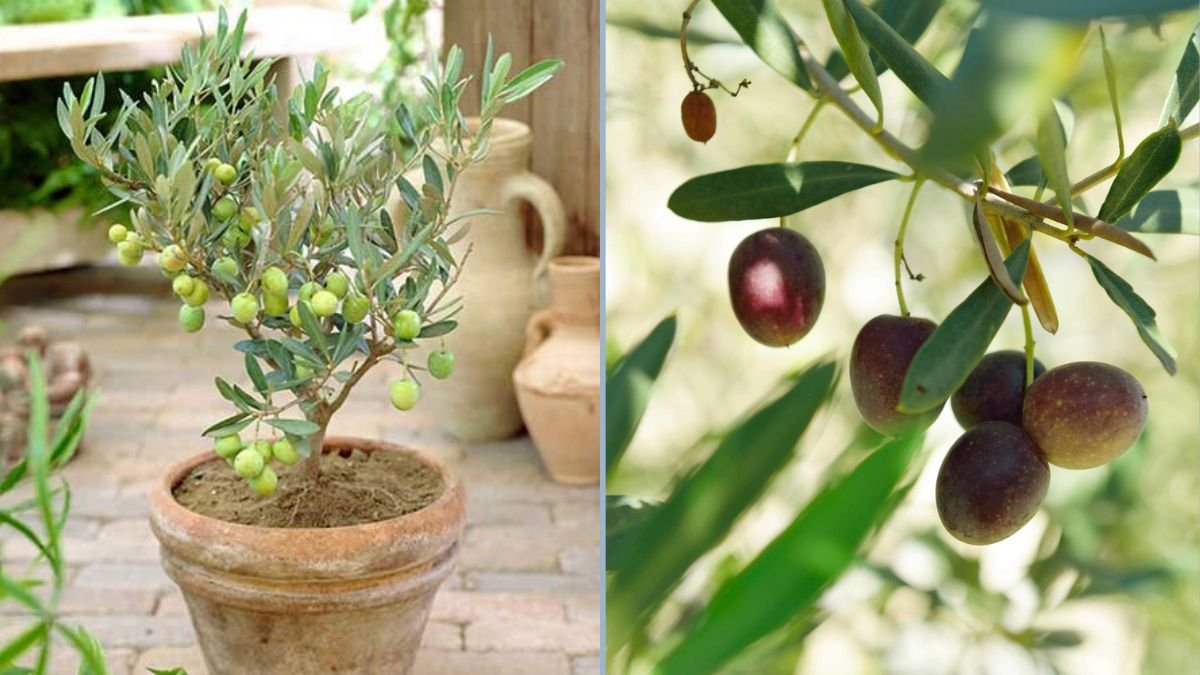
The olive tree — known as “Zaitoon” in Arabic and Urdu — is one of the most ancient and sacred plants in human history. Revered for its silvery-green leaves, fragrant blossoms, and nutritious fruit, the olive has been cultivated for over 6,000 years across the Mediterranean, Middle East, and parts of Asia.
Today, growing an olive plant at home is not only possible but also incredibly rewarding. Whether you’re cultivating it for its beautiful ornamental value, for producing your own olives, or simply for its symbolic meaning of peace and longevity, the process is easier than you might think.
In this guide, we’ll explore how to grow an olive plant successfully, including the best soil conditions, fertilizer tips, watering schedule, and a complete pruning guide to help your olive thrive year after year.
1. Understanding the Olive Plant (Zaitoon)
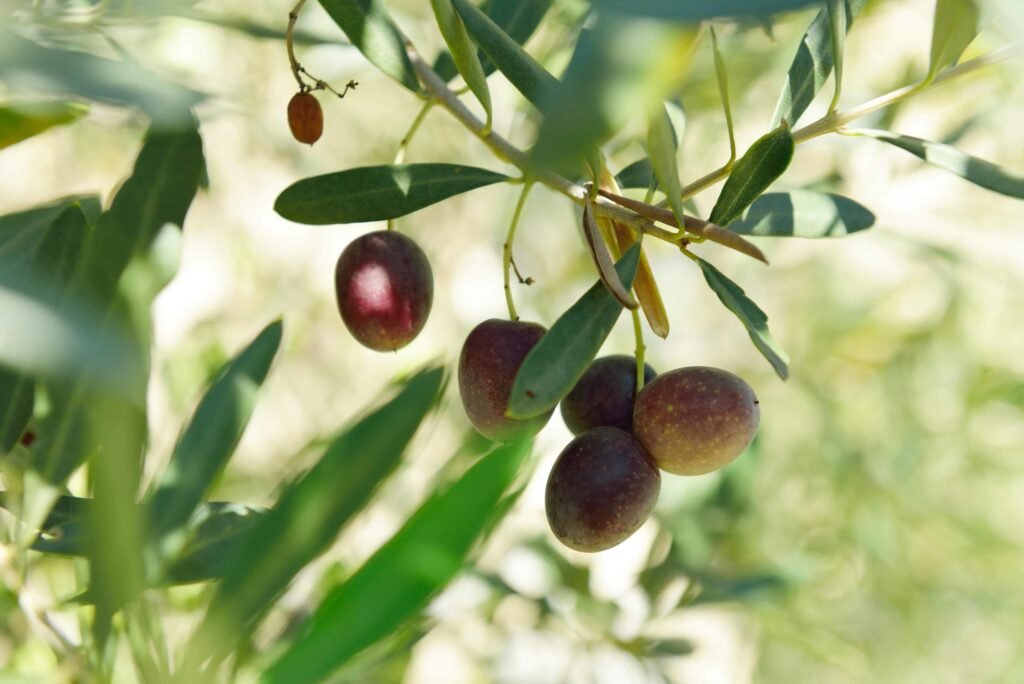
The olive plant (Olea europaea) is an evergreen tree native to the Mediterranean region. It’s known for its resilience, longevity, and drought tolerance. In ideal conditions, olive trees can live for centuries — some ancient trees in Greece and Palestine are over 2,000 years old.
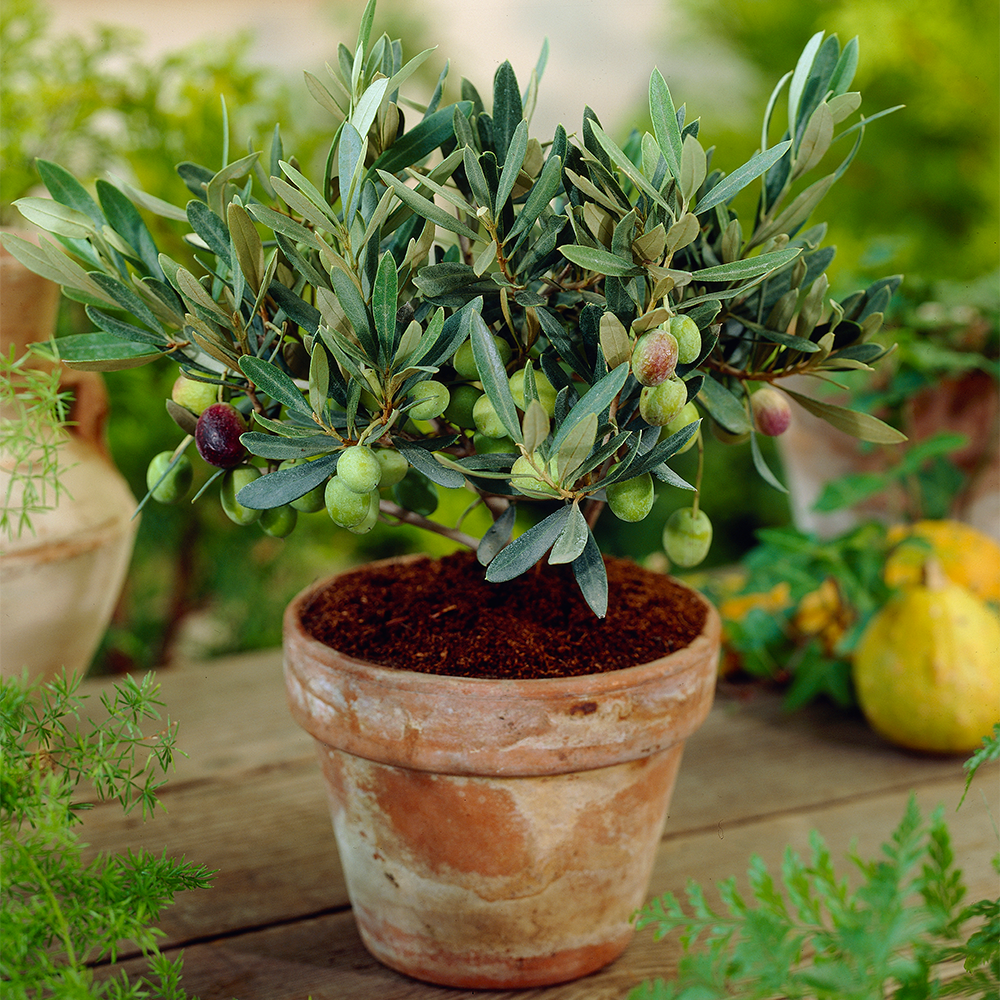
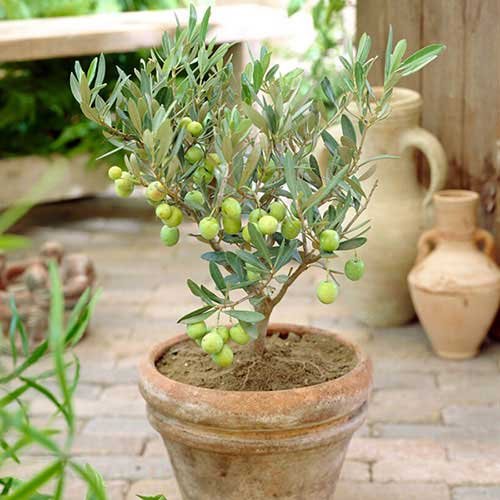
Olive plants are slow-growing but reward gardeners with attractive silver-green foliage, fragrant white flowers, and small fruits that ripen from green to black. The tree can be grown both outdoors (in warm climates) and indoors (in pots), making it perfect for home gardeners everywhere.
2. Choosing the Right Olive Variety
There are hundreds of olive varieties worldwide, but for home growing, it’s important to select the right type for your space and climate.
Common Olive Types for Home Gardens
- Arbequina – Compact, fast-bearing, and excellent for containers; produces small, flavorful fruits.
- Koroneiki – Known for high oil content and dense foliage.
- Manzanilla – A popular table olive, with a beautiful rounded canopy.
- Frantoio – Great for oil and ornamental purposes.
If you live in cooler regions, go for a dwarf variety or keep your olive tree in a container so it can be moved indoors during winter.
3. How to Grow an Olive Plant from Cutting or Sapling
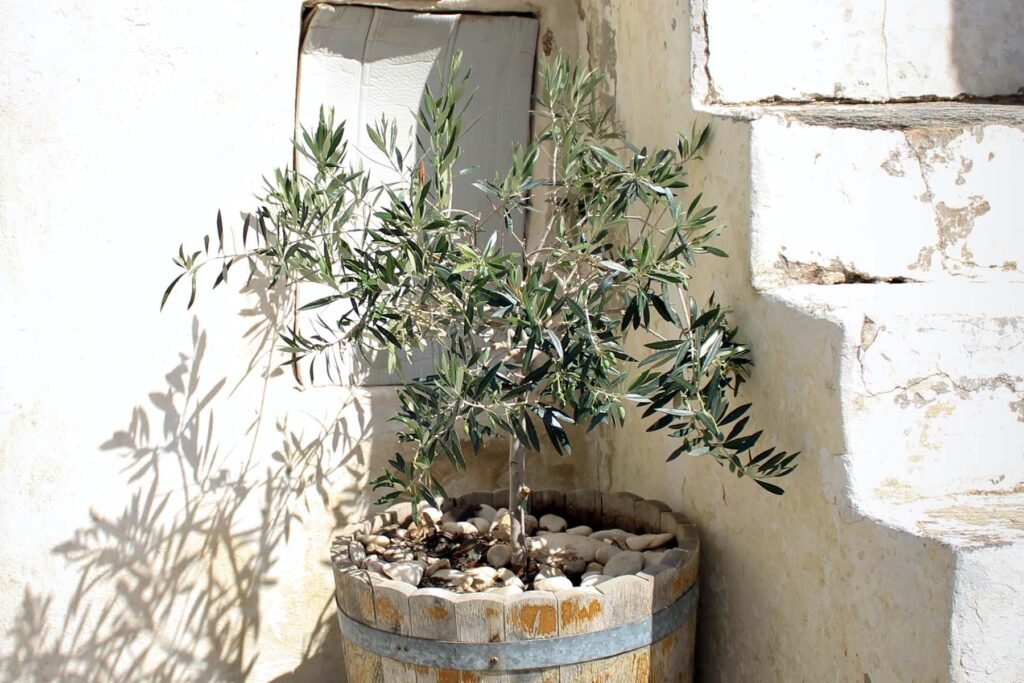
While olives can be grown from seed, it’s much faster and more reliable to start with a young sapling or cutting.
Step 1: Choose a Healthy Plant
Buy a young olive tree (1–2 years old) or a rooted cutting from a reputable nursery. Look for a strong main stem and healthy leaves.
Step 2: Select the Right Pot or Ground Location
- For pots: Choose a large container (at least 14–18 inches wide) with drainage holes.
- For garden planting: Select a sunny, well-drained spot with at least 6–8 hours of direct sunlight daily.
Step 3: Prepare the Soil
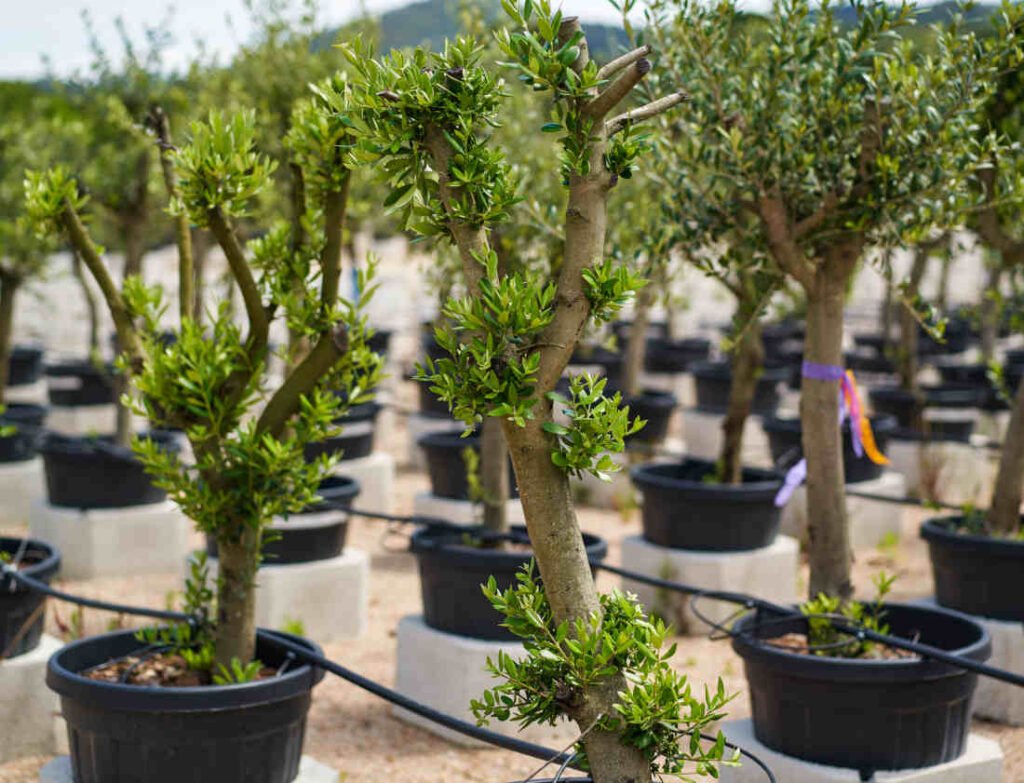
Olives prefer slightly alkaline, sandy-loam soil with good drainage. You can make an ideal mix by combining:
- 1 part garden soil
- 1 part sand or perlite
- 1 part compost
Avoid heavy clay soils — poor drainage can cause root rot.
Step 4: Planting
- Dig a hole twice as wide as the root ball.
- Place the plant so the top of the root ball is level with the soil surface.
- Backfill and press gently.
- Water thoroughly to settle the soil.
- Add mulch around the base (but not touching the stem) to retain moisture.
4. Fertilizer Tips for Olive Plants
Fertilizing is key to supporting your olive plant’s growth and fruit production. However, overfeeding can be just as harmful as neglect.
Understanding Olive Nutrient Needs
Olives need nitrogen (N) for leaf growth, phosphorus (P) for root and flower development, and potassium (K) for fruit formation and overall plant health.
Fertilizer Schedule
- Spring (March–May): Use a balanced NPK fertilizer (10-10-10) or organic compost. This encourages new shoots and leaves.
- Summer (June–August): Apply a nitrogen-rich fertilizer (like blood meal or fish emulsion) every 6–8 weeks.
- Autumn (September–October): Use potassium-based fertilizer to support fruit ripening and prepare the tree for winter.
- Winter (November–February): Do not fertilize during dormancy. Let the plant rest.
Organic Fertilizer Options
If you prefer organic feeding, try:
- Composted cow manure – excellent for long-term soil enrichment.
- Seaweed extract – boosts trace minerals and root strength.
- Wood ash – provides natural potassium.
- Vermicompost – enhances soil microorganisms and water retention.
Important Tips
- Water your plant before and after fertilizing to avoid root burn.
- Avoid overfertilizing young plants — feed lightly every 4–6 weeks during the growing season.
- Mulching with organic matter helps maintain nutrients and soil temperature.
5. Watering Your Olive Plant
Olive trees are drought-tolerant, but young plants need consistent watering until established.
- First Year: Water 2–3 times a week. Keep the soil slightly moist, not soggy.
- Mature Trees: Water deeply every 10–14 days during dry seasons. Allow soil to dry between watering.
- Container Plants: Check soil moisture regularly — containers dry out faster than ground soil.
Always water at the base of the plant, avoiding the leaves to prevent fungal problems.
6. Sunlight and Temperature Requirements
Olive trees love warmth and sunlight. For best results:
- Ensure 6–8 hours of full sun daily.
- Ideal temperature range: 18–30°C (65–86°F).
- Protect from frost — bring potted olives indoors if temperatures drop below 5°C (41°F).
Indoor olive trees should be placed near south-facing windows or under a grow light if natural light is limited.
7. Pruning Olive Plants: The Complete Guide
Pruning (or “training”) is one of the most important parts of olive care. It keeps the tree healthy, improves air circulation, and encourages fruiting.
When to Prune
The best time to prune olives is late winter to early spring, before new growth starts. Avoid pruning during flowering or fruiting seasons.
Tools Needed
- Sharp pruning shears
- Gloves
- Disinfectant (to clean tools between cuts)
Step-by-Step Pruning Guide
- Remove Dead or Diseased Branches: Cut away any dry, broken, or infected wood.
- Thin the Center: Open up the canopy by removing crossing branches. This lets sunlight and air reach the inner leaves.
- Shape the Tree: Aim for a vase or open-center shape, with 3–4 main branches forming a balanced structure.
- Control Height: Trim the top lightly to manage growth and keep harvesting easy.
- New Shoots (Suckers): Remove any shoots emerging from the base or roots — they divert energy from the main plant.
Why Pruning Matters
- Improves air flow and reduces disease risk.
- Promotes healthy, productive branches.
- Helps sunlight reach fruit-bearing shoots.
- Keeps the tree compact and attractive.
Pruning once a year is usually sufficient for a healthy olive plant.
8. Common Problems and How to Fix Them
Even though olives are tough, they can face a few challenges.
1. Yellowing Leaves
Cause: Overwatering or poor drainage.
Fix: Let the soil dry and ensure proper drainage holes.
2. Dropping Leaves
Cause: Sudden temperature changes or underwatering.
Fix: Keep consistent watering and avoid moving the plant too often.
3. No Flowers or Fruit
Cause: Lack of sunlight or excessive nitrogen.
Fix: Provide full sun exposure and reduce high-nitrogen fertilizer.
4. Pests (Scale, Aphids, Mites)
Fix: Spray with neem oil or insecticidal soap every 10 days until pests disappear.
Regular monitoring and balanced care keep these issues under control.
9. Olive Tree Fruiting and Harvesting
Olive trees take patience — they usually start producing fruit 3–5 years after planting.
Flowering and Pollination
Olive flowers appear in late spring. Some varieties are self-pollinating, while others need another olive tree nearby for cross-pollination.
Fruit Ripening
Olives begin green and slowly turn purple or black as they mature. The harvesting season depends on your region but generally occurs in autumn (September–November).
Uses
- Green olives: Pickled or brined for eating.
- Black olives: Used for oil production or cured for flavor.
- Leaves: Can be dried for tea, known for their antioxidant benefits.
10. Overwintering and Long-Term Care
In colder climates, protect your olive plant during winter:
- Move potted plants indoors near a sunny window.
- Water lightly — once every 2–3 weeks.
- Avoid heavy pruning or fertilizing during dormancy.
- Return outdoors only after the last frost.
With proper care, your olive plant can live and bear fruit for decades, becoming a stunning, symbolic centerpiece of your garden.
Conclusion
Growing your own olive plant (Zaitoon) is more than just gardening — it’s cultivating a piece of living history. With its graceful branches, aromatic flowers, and nutritious fruits, the olive represents peace, endurance, and prosperity.
By following the right steps — from choosing good soil and applying balanced fertilizers to pruning smartly and ensuring enough sunlight — you can grow a thriving olive tree right at home.
Whether in a garden, patio, or sunny balcony, your olive plant will bring beauty, calm, and perhaps one day, your own harvest of golden olives.
So start today — plant your Zaitoon, nurture it with patience, and watch it grow into a symbol of life’s enduring grace.