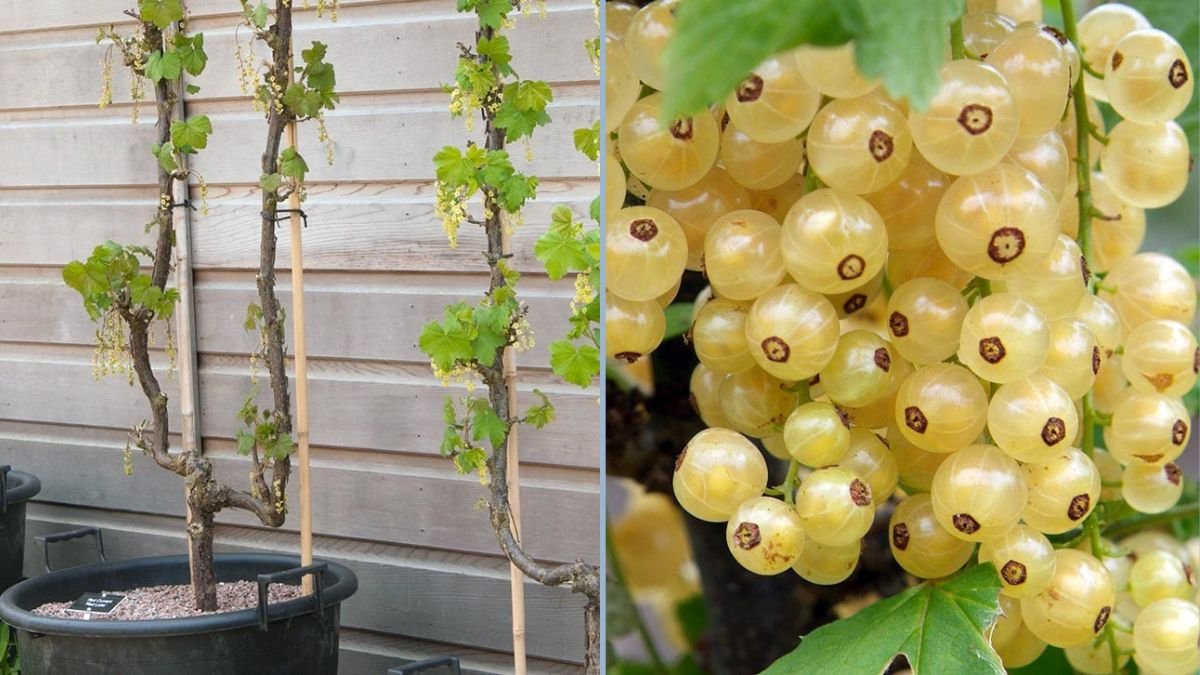
White currants are one of gardening’s best-kept secrets—delicate, translucent berries that glisten like pearls in the summer sun. Sweet yet subtly tart, these tiny fruits are not only beautiful but also a joy to grow. They make delicious jellies, tarts, and refreshing snacks straight from the bush.
Despite their refined appearance, white currants (Ribes rubrum var. sativum) are surprisingly hardy and low-maintenance. Whether you’re a beginner gardener or an experienced grower looking to add variety to your berry patch, white currants are an excellent choice.
In this post, we’ll explore how to grow delicious currants, focusing on planting and caring for white currants—from choosing the right variety to harvesting those glistening, sweet clusters of fruit.
1. What Are White Currants?
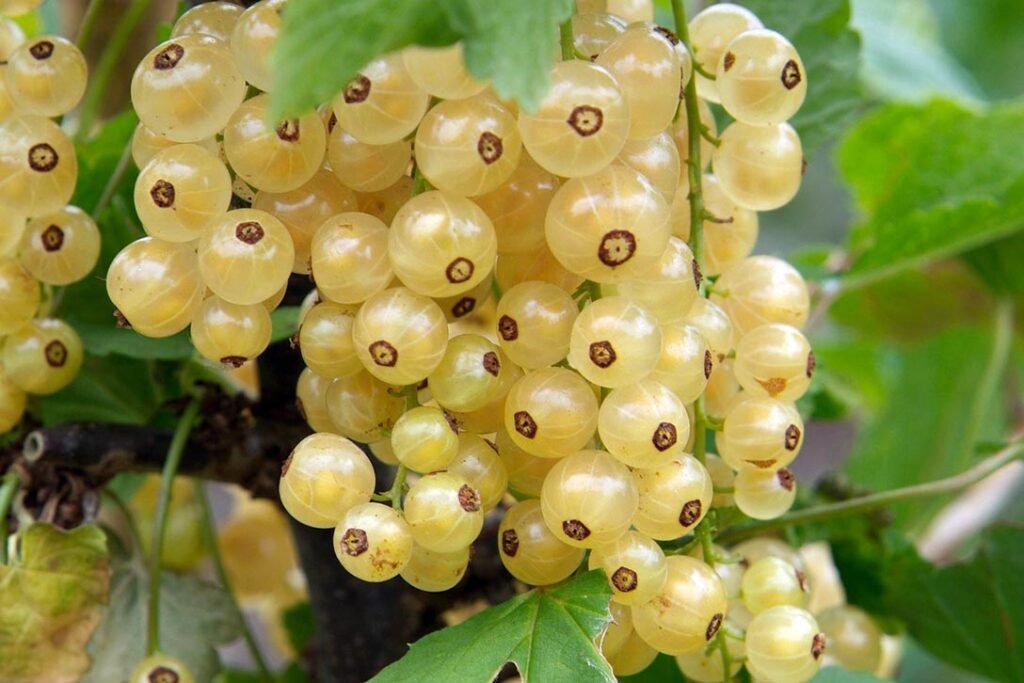
White currants are close relatives of red and black currants, belonging to the Ribes genus. While they share the same plant structure, white currants stand out for their pale, translucent fruit—ranging from ivory to golden-pink in color.
Interestingly, white currants are not a separate species but a color variation of red currants. They tend to be sweeter and less tart, making them ideal for eating fresh or using in light desserts and beverages.
The shrubs themselves are compact and upright, typically reaching about 3 to 5 feet in height. In spring, they produce clusters of small, greenish flowers, followed by shimmering fruit that ripens in early to mid-summer.
2. Why Grow White Currants?
If you’ve ever tasted white currants, you know they offer a flavor that’s hard to find elsewhere—sweet with a mild tang, slightly floral, and incredibly refreshing. But flavor is just one of the many reasons gardeners love them.
Easy to Grow
White currant bushes are resilient and tolerant of cool climates. They’re less prone to disease than other fruiting shrubs, making them a dependable addition to any garden.
High Yields
Once established, a single mature bush can produce up to 5 kilograms (11 pounds) of fruit each summer, providing plenty for fresh eating and preserving.
Beautiful in the Garden
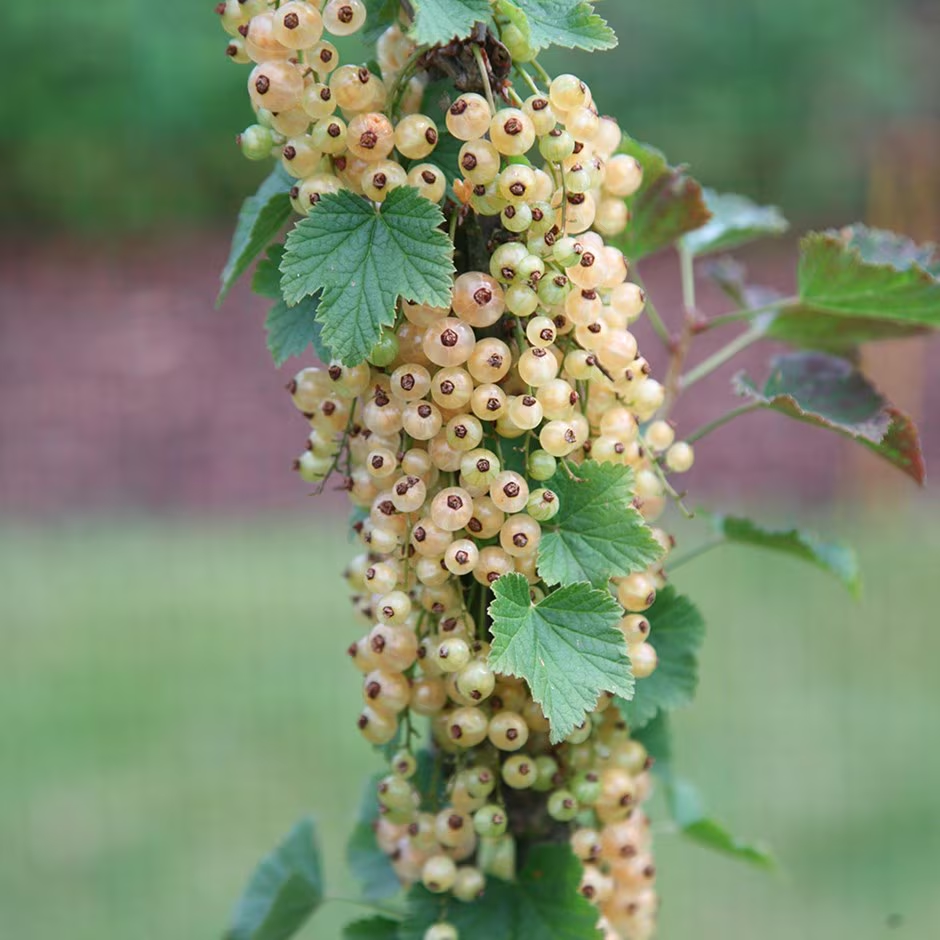
Their ornamental appeal is undeniable. When laden with shimmering berries, white currant bushes look like they’re covered in tiny pearls—a stunning sight in both garden beds and edible landscapes.
Nutritious and Versatile
White currants are rich in vitamin C, antioxidants, and fiber. Their mild flavor makes them versatile in the kitchen, perfect for jams, wines, syrups, and desserts.
3. Choosing the Right Variety
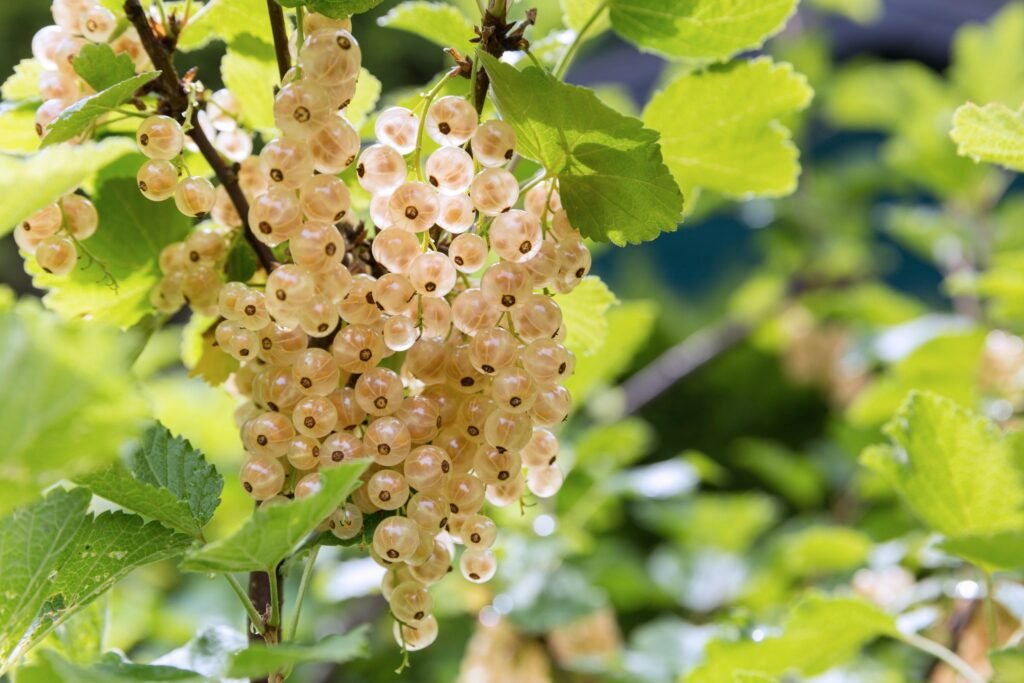
Before planting, it’s worth selecting a variety suited to your region and taste preferences. A few popular white currant varieties include:
- ‘White Versailles’ – One of the oldest and most popular cultivars. It produces heavy yields of sweet, translucent berries and has good disease resistance.
- ‘Blanka’ – Known for large berries and late ripening, extending the harvest season.
- ‘White Imperial’ – Early-ripening with a delicate, mild flavor, great for fresh eating.
- ‘Primus’ – A hardy, high-yielding variety with a slightly tangy flavor, perfect for preserves.
All of these varieties grow well in temperate climates with cool winters and moderate summers.
4. Preparing the Planting Site
Like their red and black cousins, white currants thrive in cool, moist, and well-drained soil. Here’s how to set them up for success.
Location
Choose a spot that receives full sun to partial shade. While white currants can tolerate some shade, they produce the sweetest fruit when they get at least 4–6 hours of sunlight daily.
Soil Preparation
- Aim for rich, fertile soil with plenty of organic matter.
- Ideal soil pH is 6.0 to 6.8, slightly acidic to neutral.
- Improve clay or sandy soils by mixing in compost or well-rotted manure before planting.
Drainage
Avoid areas where water tends to collect, as soggy roots can lead to rot. Raised beds or mounded rows can help improve drainage in wetter regions.
5. How to Plant White Currants
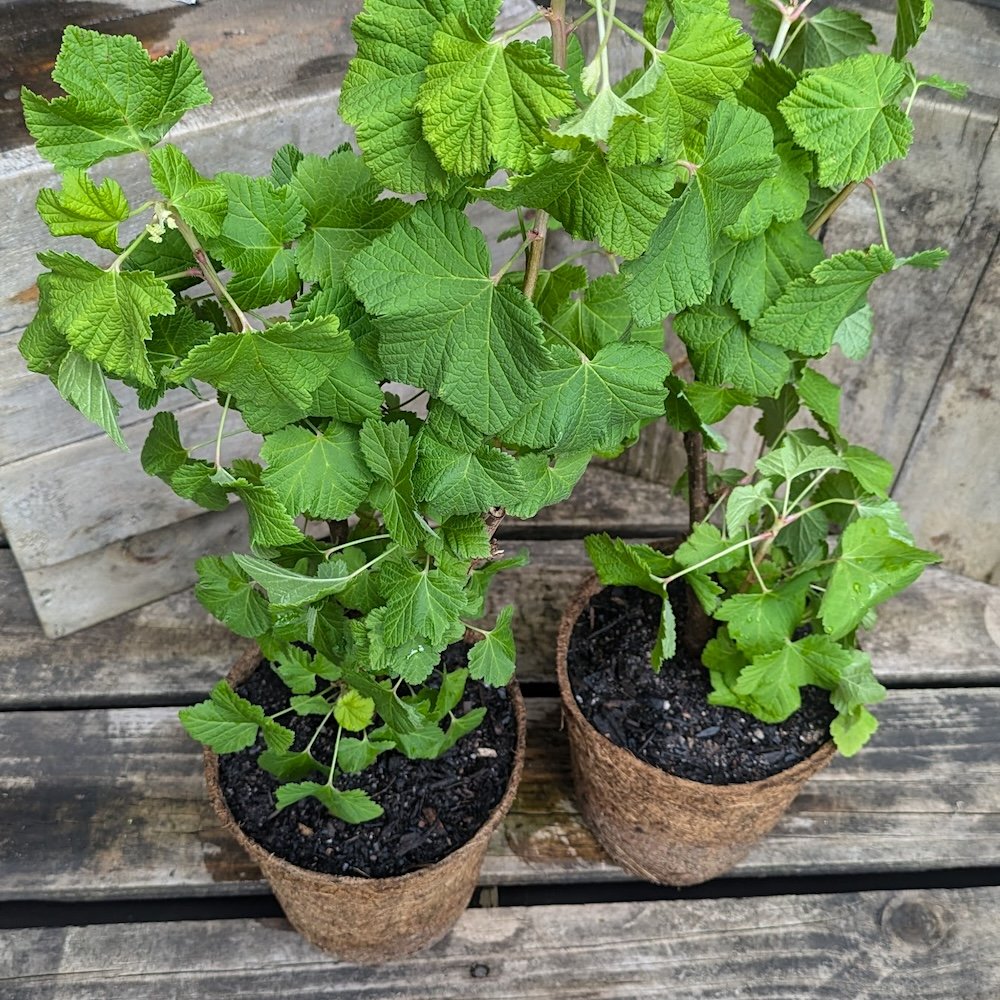
White currants can be planted in either early spring or late autumn, while the plants are dormant. Bare-root plants are common and affordable, but potted nursery plants work just as well.
Step-by-Step Planting Guide
- Dig the Hole:
Make a hole about twice as wide as the root ball and deep enough to cover the roots completely. - Add Compost:
Mix in organic compost or aged manure at the bottom of the hole to provide nutrients. - Set the Plant Deeply:
Plant slightly deeper than it was growing in the nursery—this encourages new shoots from below the surface and creates a bushier plant. - Backfill and Water:
Firm the soil gently around the roots and water thoroughly. - Mulch:
Add a layer of mulch (straw, bark chips, or compost) to conserve moisture and suppress weeds.
Spacing
Space bushes 4 to 5 feet apart in rows about 6 feet apart, ensuring good air circulation to prevent mildew and disease.
6. Caring for Your White Currant Bushes
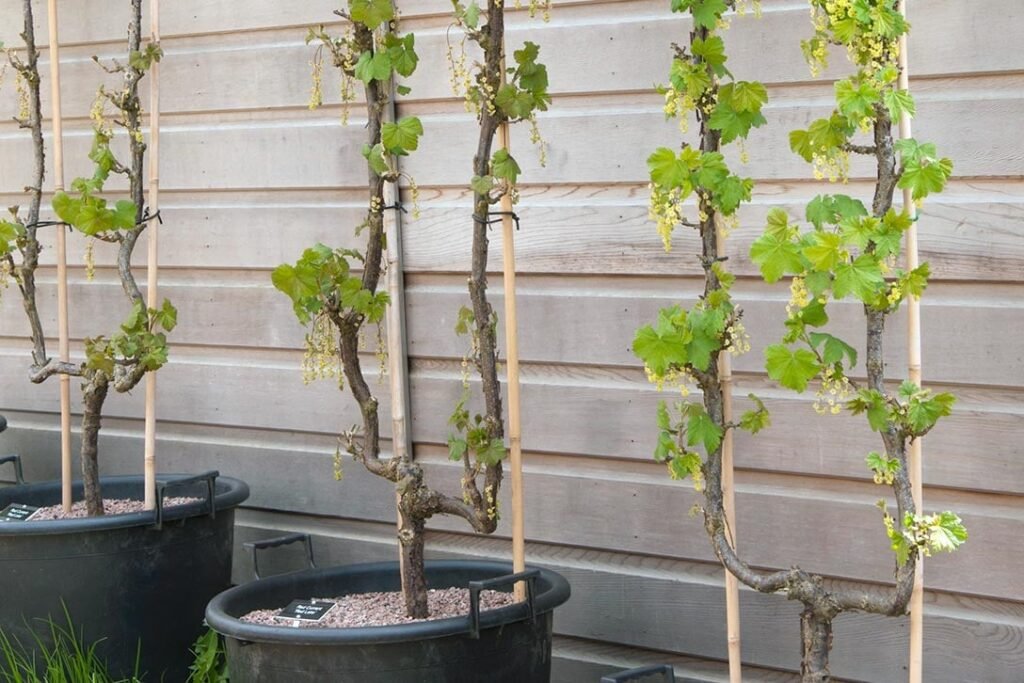
White currants are forgiving plants, but consistent care helps them thrive and produce abundant fruit.
Watering
Keep the soil consistently moist, especially during flowering and fruit development. Deep watering once a week is better than light daily sprinkling.
Feeding
Feed annually in early spring with a balanced organic fertilizer or compost. Avoid high-nitrogen feeds, as these encourage leafy growth at the expense of fruit.
Pruning
Pruning is key to keeping currant bushes healthy and productive.
- Timing: Prune in late winter or early spring while the plant is still dormant.
- How: Remove weak, crossing, or damaged branches. Leave about 8–10 strong stems per bush.
- Renewal: Cut out older wood (over 3 years old) to encourage new shoots. Most fruit grows on two- and three-year-old wood.
Regular pruning ensures sunlight and air reach the center of the bush, promoting better fruiting and disease resistance.
7. Common Pests and Problems
Though generally hardy, white currants can sometimes face pest or disease challenges.
Here’s what to watch for:
- Aphids: These tiny insects can cluster on new growth. A strong spray of water or natural insecticidal soap keeps them under control.
- Birds: Birds love currants! Use netting once fruit starts to ripen to protect your harvest.
- Powdery Mildew: Good airflow and regular pruning help prevent this fungal issue. If needed, apply a natural fungicide early in the season.
- Currant Sawfly: Watch for defoliating larvae—hand-picking or neem oil treatments work well for small infestations.
8. Harvesting and Storing White Currants
White currants typically ripen from late June through August, depending on the variety and climate. You’ll know they’re ready when the berries turn translucent and soft to the touch.
How to Harvest
Cut entire clusters with scissors or pruning shears rather than pulling individual berries. This reduces bruising and helps the fruit last longer.
Storage Tips
- Refrigeration: Store in the fridge for up to two weeks in a breathable container.
- Freezing: Spread the berries on a tray, freeze, then store in sealed bags for up to a year.
- Preserving: White currants are ideal for jelly-making because they’re high in pectin, which helps jams set naturally.
9. Enjoying the Fruits of Your Labor
Once you’ve harvested your white currants, the fun begins! Their sweet, mild flavor makes them an excellent ingredient in countless recipes.
Culinary Ideas
- White Currant Jelly: A delicate, golden preserve that pairs beautifully with toast, cheese, or roasted meats.
- Desserts: Add them to pavlovas, tarts, cheesecakes, or sorbets.
- Breakfasts: Sprinkle them fresh over yogurt, granola, or pancakes.
- Drinks: Infuse them into syrups, cordials, or white currant wine for a light, aromatic beverage.
Their subtle sweetness also complements savory dishes, balancing salty cheeses or rich poultry.
10. Final Thoughts: A Gardener’s Gem
White currants might not be as famous as their red or black cousins, but they’re every bit as rewarding—perhaps even more so. Their resilience, beauty, and gentle flavor make them perfect for gardeners who want something both ornamental and productive.
In short:
- They’re easy to grow.
- They’re beautiful to look at.
- They’re delicious and versatile in the kitchen.
So, if you’re looking to expand your berry garden or add a touch of elegance to your edible landscape, white currants are an inspired choice. With just a little care, they’ll return year after year, offering shimmering clusters of sweetness that truly capture the essence of summer.