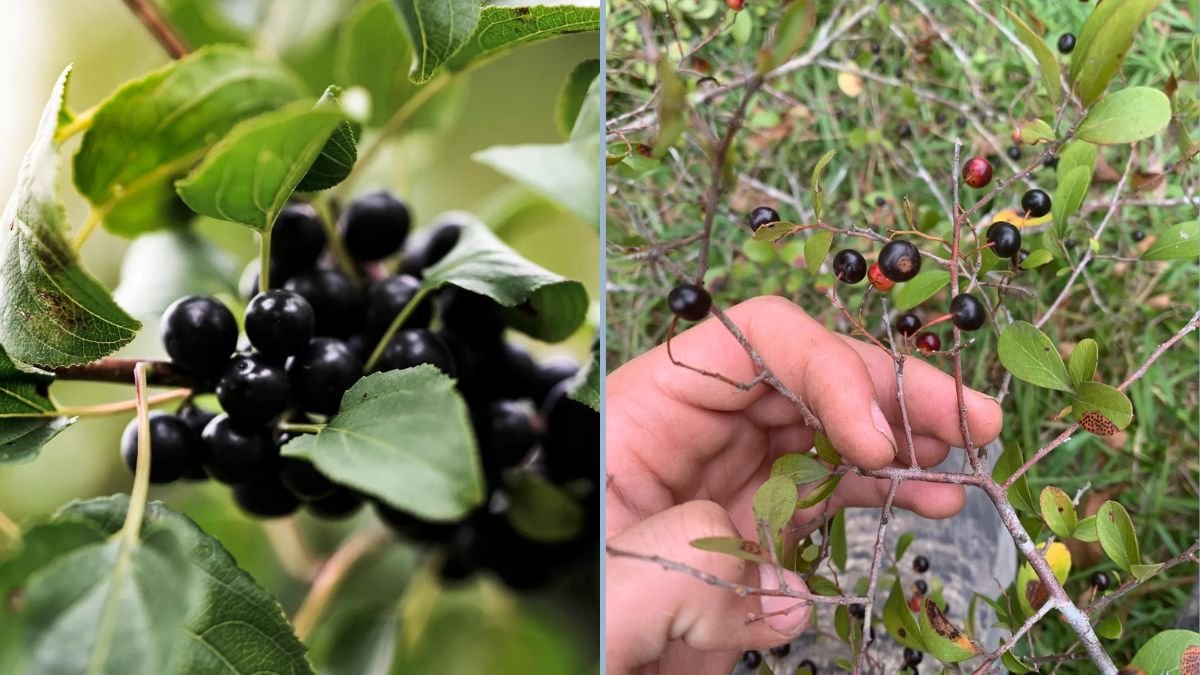
The wild, tangy-sweet berries that roll across the mountainsides of Montana have captured the hearts (and taste buds) of hikers, foragers, and locals alike. The humble huckleberry shrub—generally from the genus Vaccinium—finds perhaps its most perfect home in the Rockies of Montana.
But why exactly does this shrub do so well here? In this post, we’ll explore the many interlocking ecological, geological, and cultural reasons that explain why the huckleberry shrub flourishes in Montana’s rugged landscapes.
1. Unique Soil and Geological Conditions
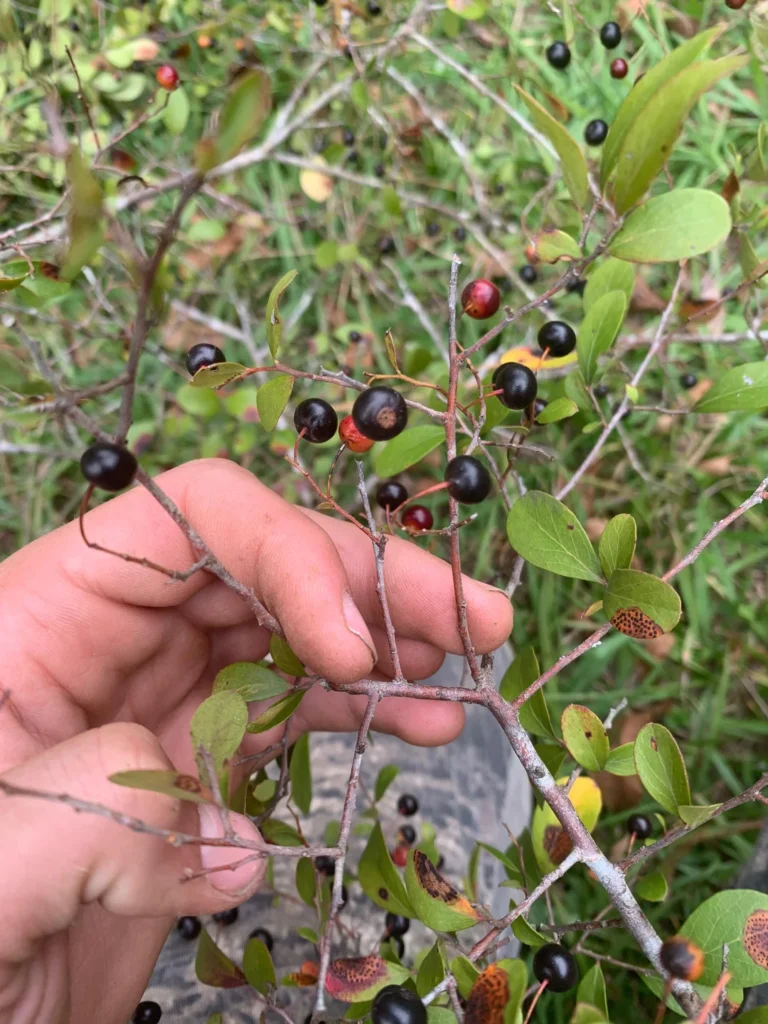
One of the key reasons the huckleberry shrub thrives in Montana is the nature of the soil and underlying geology. Botanists have long noted that the shrubs tend to favor acidic soils—often found beneath canopies of pine, spruce, and fir trees. In Montana, these conditions are remarkably common in the mountainous zones.
- Acidic, well-drained soils: Huckleberries grow best in low-pH soils where competition from other plants is limited.
- Forest floor composition: Pine needles and other conifer litter create naturally acidic conditions perfect for huckleberries.
- Volcanic and glacial deposits: In parts of Montana, remnants of volcanic ash and glacial sediments contribute to the slightly acidic soil chemistry that the shrubs prefer.
Because of this unique soil-geology combination, Montana provides a near-ideal natural habitat for huckleberry shrubs—more so than many lower-elevation or alkaline regions.
2. Elevation, Temperature, and Mountain Habitat
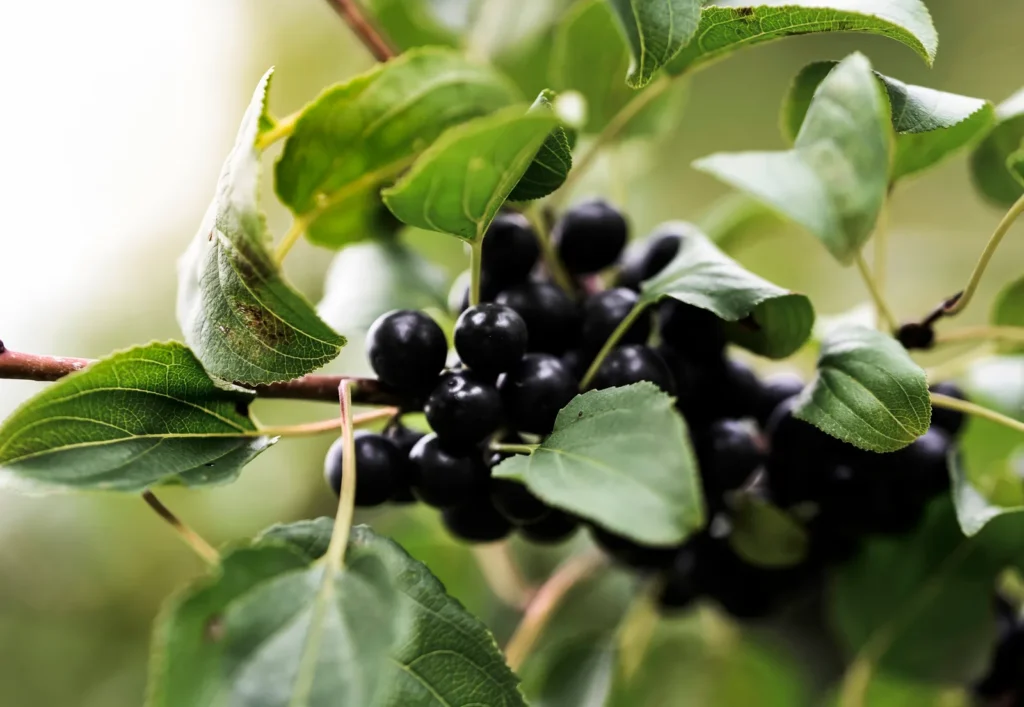
Another major reason huckleberries thrive here is elevation and the associated mountain climate. Huckleberries in Montana often grow at higher altitudes, where conditions align almost perfectly with their natural preferences.
- Cool summers and cold winters: Huckleberries are adapted to regions with short growing seasons, cool nights, and long, cold winters.
- Sloped terrain with good drainage: Mountain slopes prevent water from stagnating, reducing the risk of root rot.
- Forest openings and sunlight: Though they often grow beneath tree canopies, huckleberries produce the most fruit in partially shaded forest openings, especially those created by natural disturbances such as fire or logging.
In short, Montana’s elevation and mountainous environment provide the perfect balance of temperature, moisture, and light that huckleberries need to thrive.
3. Fire Ecology: Disturbance Creates Opportunity
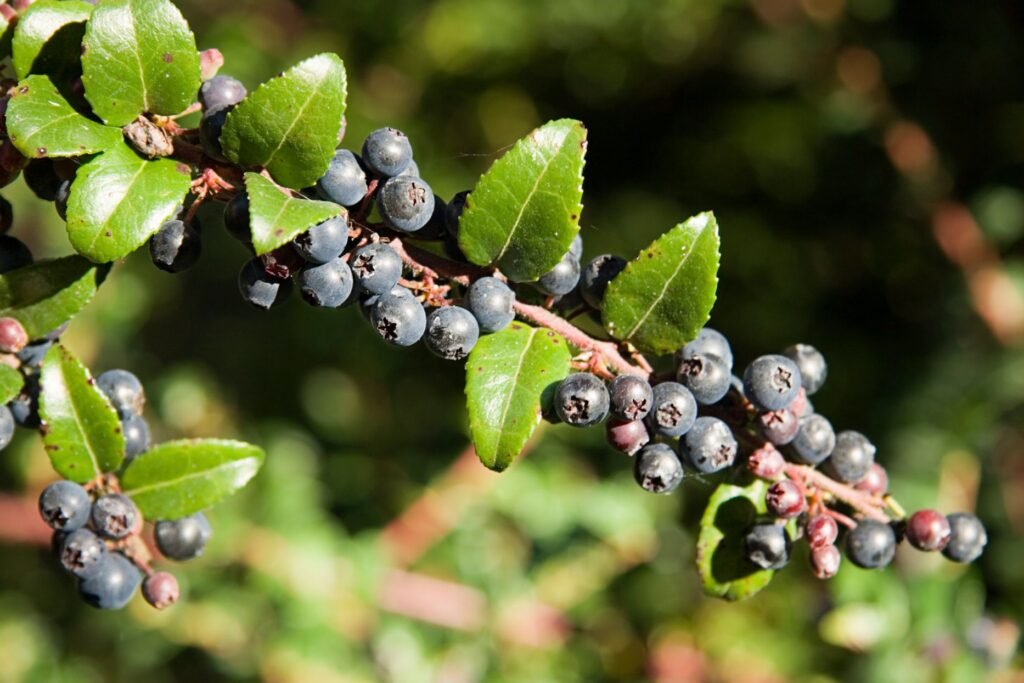
Fire plays a surprisingly important role in huckleberry success. Wild huckleberry shrubs are well adapted to recover after low- or moderate-intensity forest fires. When fire sweeps through a forest, it often clears out competing vegetation and releases nutrients into the soil—conditions that huckleberries love.
Here’s how fire benefits them:
- Opens the forest canopy: More sunlight reaches the forest floor, encouraging berry production.
- Reduces competition: Fire removes other plants that might crowd huckleberry roots or shade them out.
- Stimulates regrowth: Huckleberry shrubs can resprout from underground rhizomes that survive the heat, allowing them to bounce back quickly.
In Montana, where natural and managed fires are part of the landscape, huckleberries are perfectly positioned to take advantage of post-fire regeneration.
4. Ecological Role and Wildlife Interactions
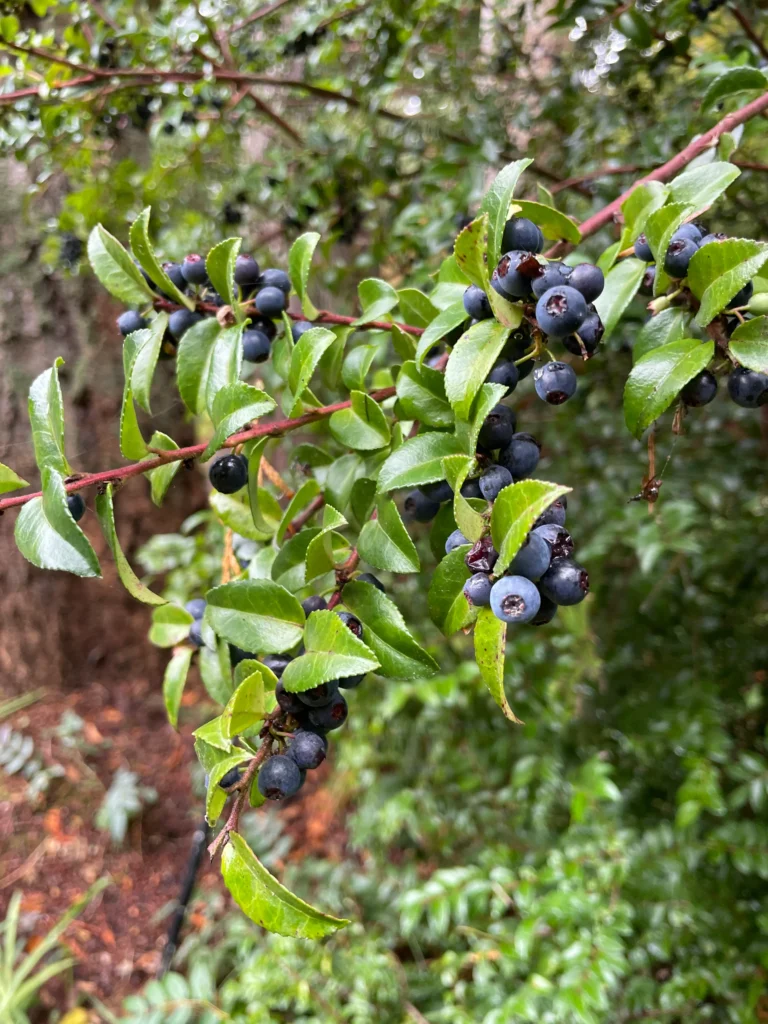
Beyond soil and fire, huckleberries play a central role in Montana’s forest ecosystems. They’re not just survivors—they’re essential to the food web.
- Wildlife food source: Bears, birds, deer, and smaller mammals all rely on huckleberries for nutrition. For grizzly bears, huckleberries can make up a significant portion of their summer and fall diet.
- Seed dispersal: Animals that eat the berries spread their seeds far and wide, helping new shrubs take root in other suitable spots.
- Mycorrhizal relationships: Huckleberries form beneficial partnerships with underground fungi, helping them absorb nutrients efficiently in poor, acidic soils.
This web of ecological interactions makes the huckleberry not just a resilient shrub, but a keystone species supporting a wide range of wildlife in Montana’s mountain ecosystems.
5. Cultural, Economic, and Foraging Importance
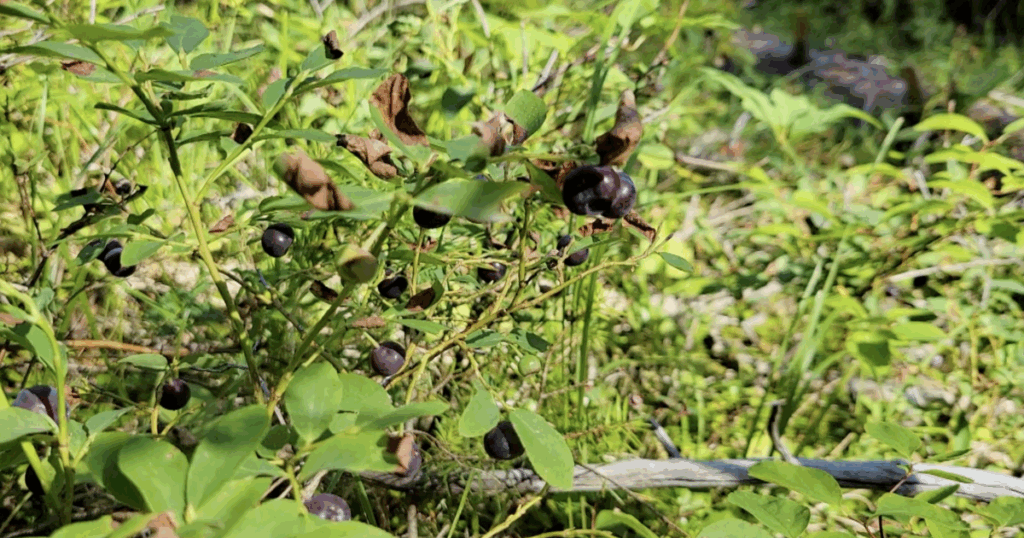
The relationship between huckleberries and Montana isn’t just ecological—it’s cultural. For centuries, local Indigenous peoples and later settlers have celebrated the huckleberry harvest as a seasonal event deeply tied to the rhythms of the land.
- A long tradition of foraging: Native tribes historically gathered huckleberries for food, trade, and ceremonial use. Today, foraging for wild huckleberries remains a cherished activity among Montanans.
- A growing local economy: The berries support a cottage industry of jams, syrups, pies, candies, and even huckleberry ice cream. Towns near the mountains often hold summer huckleberry festivals.
- A symbol of the state: Huckleberries have become synonymous with Montana’s wilderness—appearing on souvenirs, restaurant menus, and even craft beverages.
This human connection reinforces the plant’s importance and ensures its continued protection and appreciation across the state.
6. Challenges of Cultivation
Ironically, while huckleberries thrive in Montana’s wild, they are notoriously difficult to cultivate elsewhere. Their success is tied so closely to specific natural conditions that attempts to farm them on a large scale have rarely succeeded.
Several challenges make huckleberry cultivation tricky:
- Specialized soil chemistry: Huckleberries require acidic soils similar to those found in pine forests. Regular garden soil is usually too alkaline.
- Dependence on fungi: The shrubs depend on specific mycorrhizal fungi for root health and nutrient uptake, which can be difficult to reproduce in controlled settings.
- Pollination requirements: Wild pollinators—native bees and other insects—play a crucial role in fruit development. Without them, berry yields drop dramatically.
- Sensitivity to disturbance cycles: In nature, huckleberries flourish after forest fires or logging events that open up sunlight. Replicating those conditions artificially is challenging.
So while they’re abundant in Montana’s wild landscapes, the same shrubs stubbornly resist domestication. That’s part of what makes them so special—and so symbolic of the state’s untamed character.
7. What This Means for Foragers and Land Stewards
For anyone interested in exploring Montana’s natural bounty, understanding how and why huckleberries thrive can enhance both appreciation and conservation efforts.
- Foragers: The best huckleberry patches are often found in forest openings or recently burned areas at higher elevations. Look for slopes with pine or fir trees and acidic soils.
- Land managers: Because huckleberries respond positively to moderate fire, forest management practices that include controlled burns can help sustain huckleberry populations.
- Gardeners: If you hope to grow huckleberries at home, focus on mimicking their native environment—acidic soil, cool temperatures, partial shade, and plenty of organic matter.
- Nature lovers: Knowing how huckleberries fit into Montana’s ecosystem adds depth to your outdoor adventures. You’re not just picking berries—you’re witnessing the product of centuries of natural adaptation.
8. A Living Symbol of Montana’s Wilderness
The huckleberry’s success story is also a reflection of Montana’s identity. The state’s rugged landscapes, shaped by glaciers, fires, and forests, mirror the shrub’s own tenacity. Every berry is a product of mountain weather, nutrient-poor soils, and ecological resilience.
Montana’s people—whether Indigenous communities, pioneer settlers, or modern outdoor enthusiasts—have all found meaning in this plant. It embodies self-reliance, wild beauty, and a connection to the land that defines Montana’s spirit.
Conclusion
So, why does the huckleberry shrub grow so well in Montana?
Because Montana offers everything the shrub needs: acidic, well-drained soils, cool mountain climates, periodic disturbance from fire, rich ecological relationships, and a human culture that values and protects it.
These factors weave together to make Montana one of the most huckleberry-friendly places on Earth. The plant’s wild nature is part of its charm—untamed, self-sustaining, and deeply tied to the land’s rhythms.
Next time you find yourself hiking through a mountain pass or exploring a forest clearing thick with huckleberry shrubs, take a moment to appreciate what you’re seeing. Each berry represents the perfect harmony of soil, sun, fire, wildlife, and culture—a tiny taste of Montana’s wild soul.