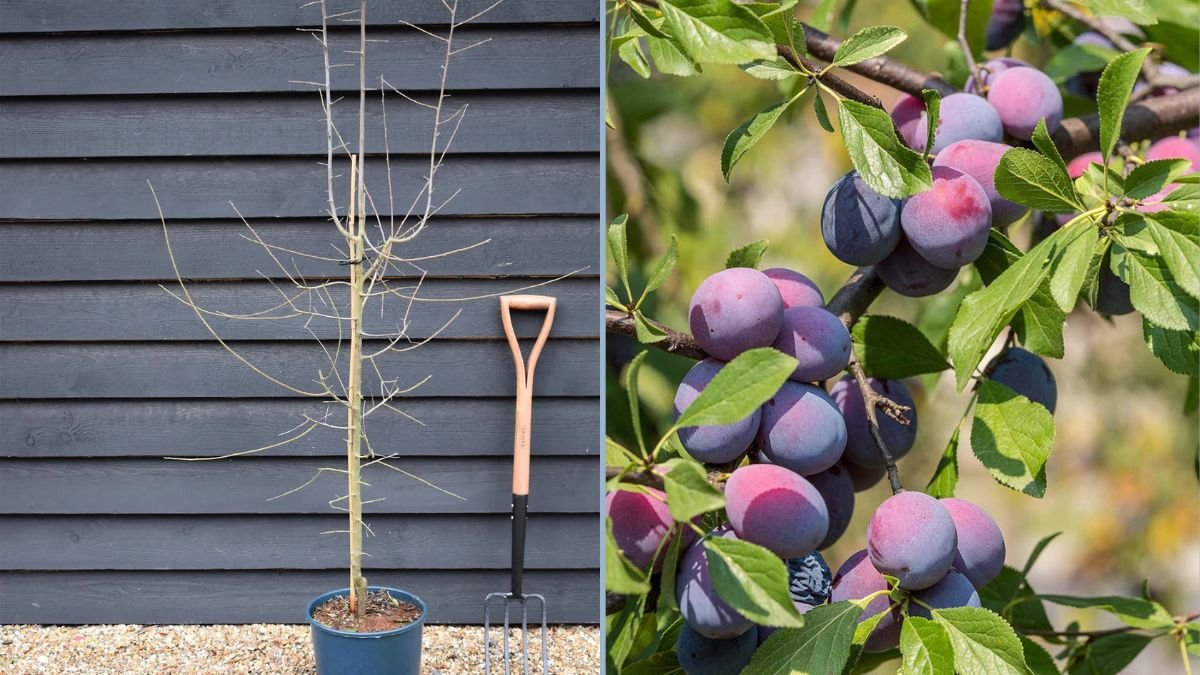
August is the perfect time to enjoy the sweet rewards of summer gardening, and for those growing Shropshire Damson prunes, it’s the month of harvest. These small, dark purple plums are not only beautiful to look at but also packed with flavor, perfect for fresh eating, preserves, and baking. In this post, we’ll explore the characteristics of the Shropshire Damson prune, tips for harvesting, and ways to enjoy this delicious fruit straight from your backyard garden.
1. Introduction to Shropshire Damson Prunes
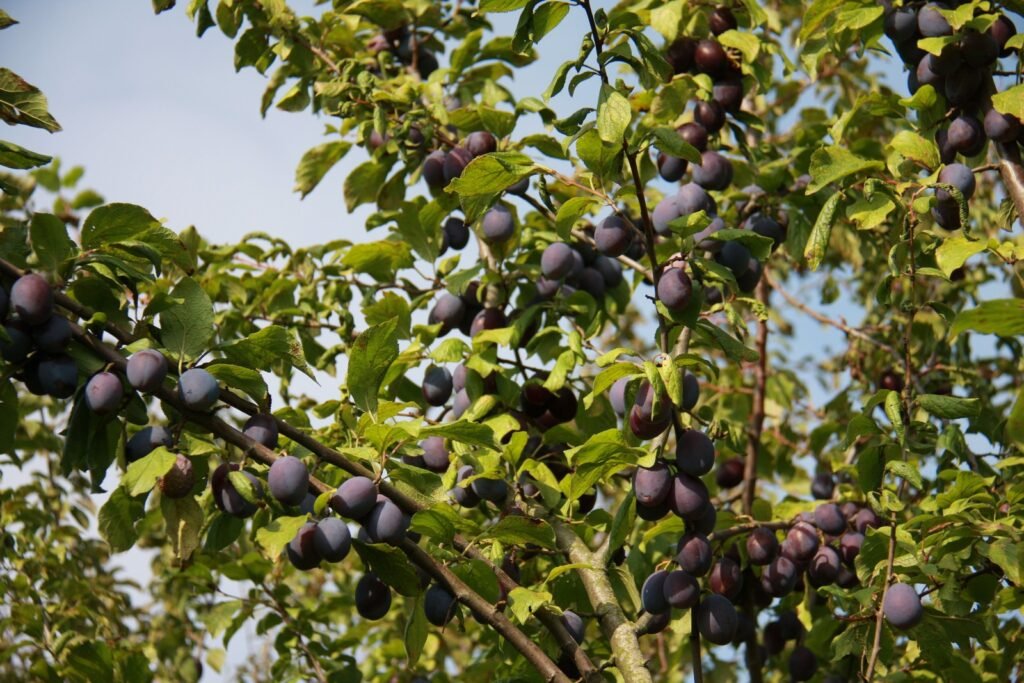
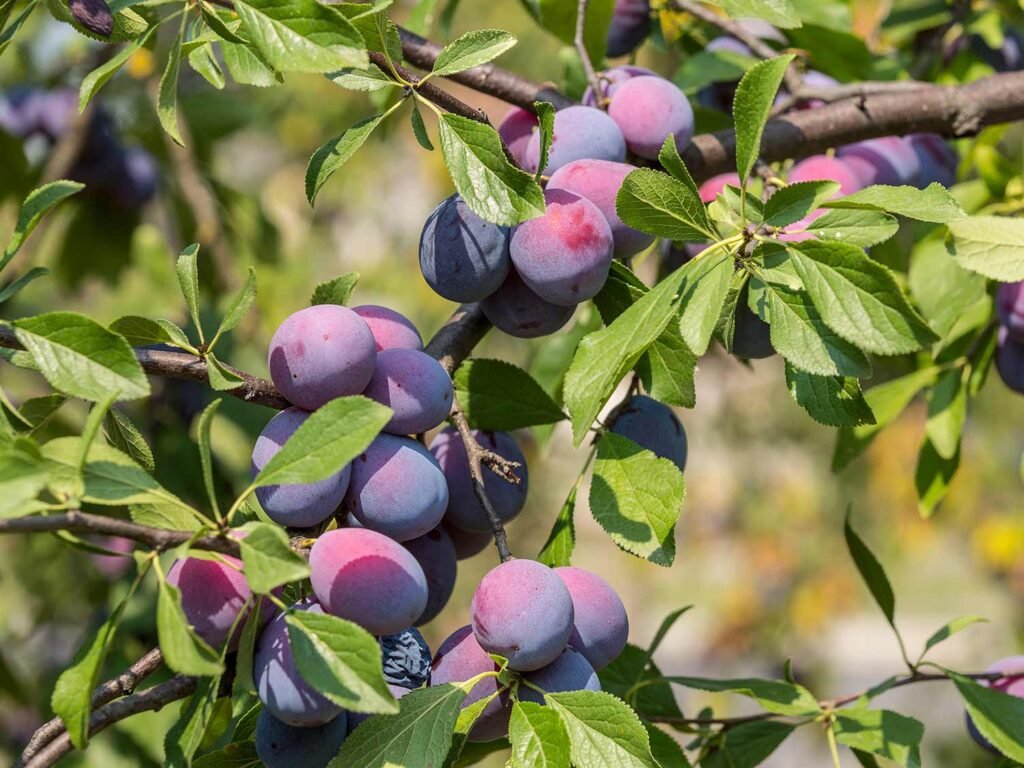
The Shropshire Damson is a classic European plum variety, well-known for its rich flavor and versatility. Often grown in the United Kingdom, this prune is also gaining popularity among backyard gardeners worldwide due to its hardiness and reliable fruit production. Unlike larger plums, Damsons are smaller, oval-shaped, and known for their deep purple skin and slightly tart, sweet flesh.
Key Features:
- Size & Appearance: Small, oval, dark purple fruit with a glossy skin.
- Flavor: Sweet with a subtle tartness, ideal for cooking and preserves.
- Texture: Firm flesh that softens as it ripens.
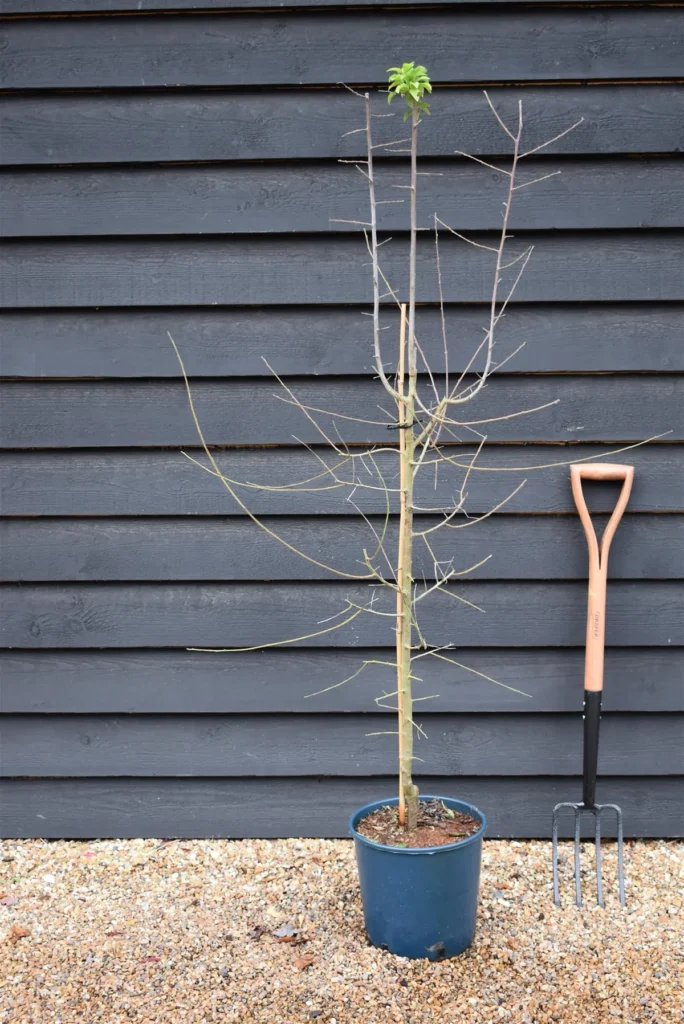
- Tree Habit: Compact, manageable trees, perfect for backyard gardens.
Shropshire Damsons are appreciated for their versatility in the kitchen, from jams and chutneys to tarts and sauces. They also store and freeze well, making them perfect for extended use throughout the year.
2. Why August is the Perfect Harvest Month
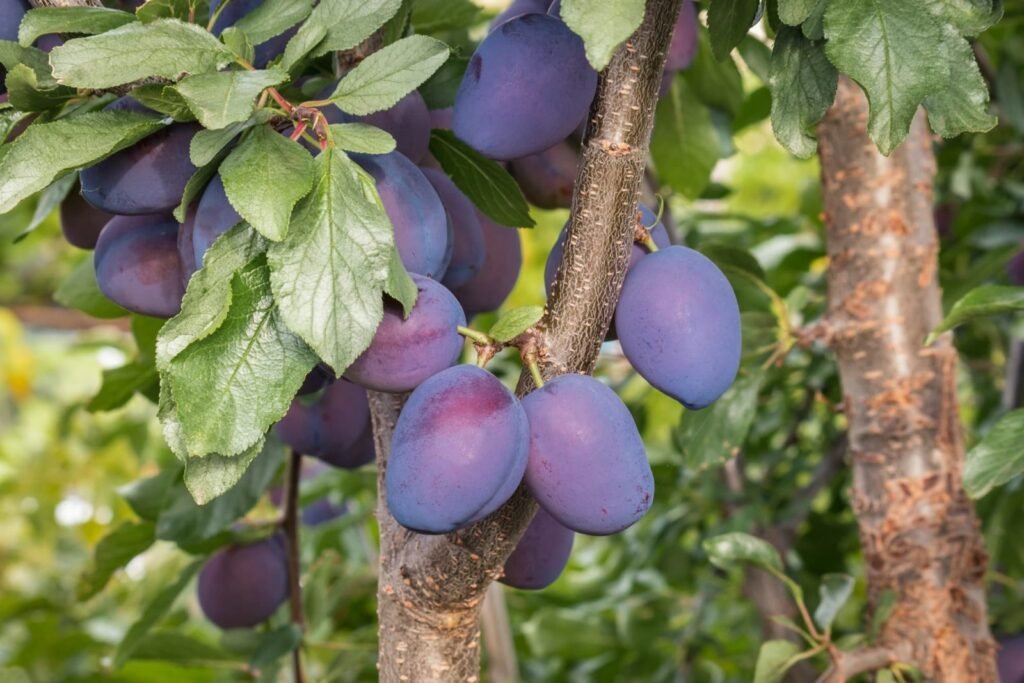
Shropshire Damson prunes typically ripen in mid to late summer, making August the ideal time for harvest. Timing is crucial because fruit picked too early can be overly tart and less flavorful, while fruit left too long may become overripe and prone to splitting.
Signs the fruit is ready:
- The skin has turned a deep, rich purple.
- The fruit yields slightly to gentle pressure but is not mushy.
- The fruit easily separates from the branch with a gentle twist.
Harvesting at the right time ensures the best flavor and maximizes the fruit’s shelf life.
3. Preparing for Harvest
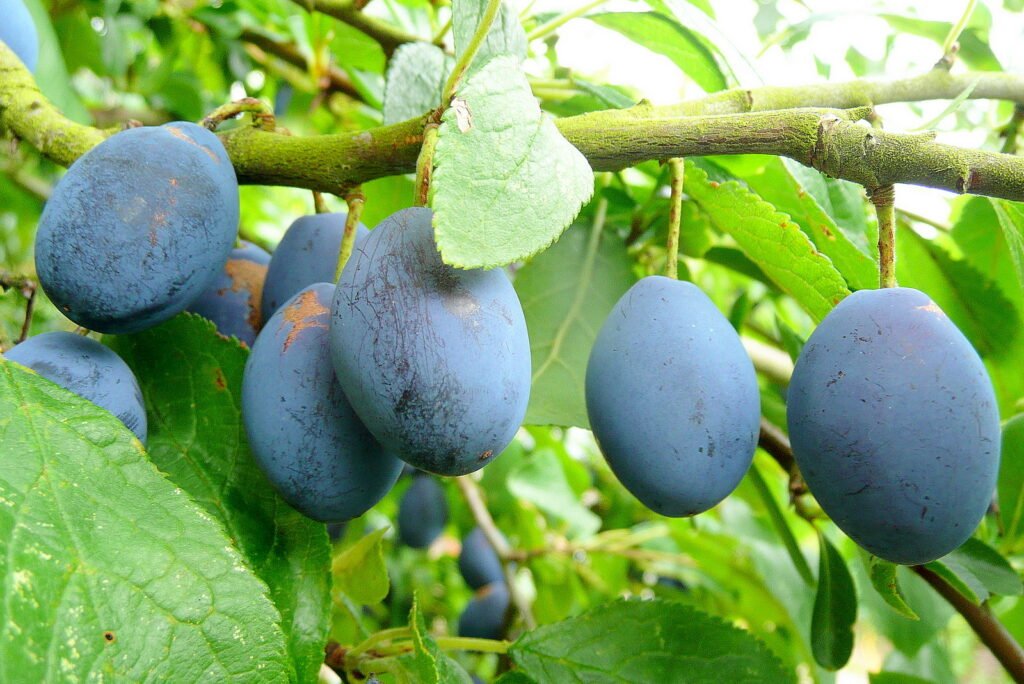
Before picking your Shropshire Damson prunes, it’s important to prepare to avoid bruising or damaging the fruit.
Tools & Equipment:
- Small baskets or shallow containers to prevent crushing fruit.
- Hand pruners or scissors for thick stems.
- Clean towels or soft cloths for handling delicate prunes.
Handling Tips:
- Pick gently to avoid squeezing or bruising the fruit.
- Avoid piling fruit too high in baskets; a shallow layer is best.
- Consider harvesting in the cooler parts of the day, such as early morning or late afternoon, to preserve freshness.
4. Harvesting Techniques
Shropshire Damson prunes are small and slightly firm, so careful handling is key. Here’s how to harvest effectively:
- Test Ripeness: Pick a sample fruit and taste it. It should be sweet with a subtle tartness.
- Twist or Snip: Either twist the fruit gently off the branch or use scissors to snip the stem.
- Check for Damage: Avoid fruits with bruises or signs of pest damage.
- Collect in Small Batches: This reduces the risk of squashing fruit at the bottom of the basket.
Regular harvesting throughout August may be necessary, as not all fruit ripens at the same time. This ensures you collect the fruit at peak flavor and avoid losses from overripe or falling fruit.
5. Caring for Your Shropshire Damson Tree Before and After Harvest
Healthy trees produce the best fruit, so proper care before and after harvest is essential.
Pre-Harvest Care:
- Water consistently during dry spells to maintain juicy, firm fruit.
- Mulch around the base to retain moisture and control weeds.
- Monitor for pests like aphids or plum curculio and manage them organically if possible.
- Remove excess fruit if the tree is heavily laden to avoid branch breakage.
Post-Harvest Care:
- Prune lightly after harvest to maintain shape and encourage healthy growth for next year.
- Fertilize with a balanced fruit tree fertilizer or compost to replenish nutrients.
- Continue monitoring for diseases such as brown rot, especially if fruit drop occurs.
6. Pests and Diseases to Watch
While Shropshire Damsons are generally hardy, gardeners should be aware of common pests and diseases:
Common Pests:
- Aphids: Small, sap-sucking insects that can distort leaves and shoots.
- Plum Curculio: Beetles that can damage fruit, leaving small pits.
- Birds: Shiny, juicy plums are highly attractive to birds; netting may be necessary.
Common Diseases:
- Brown Rot: A fungal infection that can cause fruit to rot on the tree.
- Leaf Spot: Causes spots on leaves and can reduce photosynthesis.
- Powdery Mildew: White, powdery coating on leaves and shoots; affects overall health.
Preventive care such as pruning for airflow, maintaining cleanliness under the tree, and using organic sprays when necessary can minimize these issues.
7. Storing and Preserving Shropshire Damson Prunes
Once harvested, Shropshire Damsons can be enjoyed fresh or preserved for later use.
Fresh Storage:
- Keep at room temperature for a few days if planning to eat soon.
- Refrigerate in shallow containers for up to a week.
Preserving:
- Jams and Jellies: The natural sweetness and tartness make perfect preserves.
- Chutneys and Sauces: Ideal for savory applications, pairing with meats or cheese.
- Freezing: Pit and freeze fruit for smoothies, baking, or sauces later.
- Drying: Slice and dehydrate for snacks or baking ingredients.
Preserving allows gardeners to enjoy the harvest well beyond August, turning a seasonal delight into year-round enjoyment.
8. Culinary Uses for Shropshire Damsons
Shropshire Damsons are versatile and bring rich flavor to many recipes:
- Fresh Eating: Enjoy straight from the tree for the best flavor.
- Baking: Pies, crumbles, tarts, and cakes are perfect applications.
- Preserves: Make jams, jellies, and marmalades.
- Sauces: Use for savory sauces with meats or in desserts like plum sauce for ice cream.
- Drinks: Ferment for homemade plum wine or add to smoothies for natural sweetness.
Their natural tartness balances sweetness in recipes, giving depth of flavor that is hard to find in store-bought fruits.
9. Advantages of Growing Shropshire Damson Prunes
- Hardiness: Adapts well to a variety of climates, including cooler summers.
- Self-Fertile: Most Damsons don’t require cross-pollination, ideal for small yards.
- Compact Tree: Easy to manage and harvest, suitable for backyard gardens.
- Versatile Fruit: Excellent for fresh eating, cooking, and preserving.
- Long-Lasting Enjoyment: With proper storage and preservation, you can enjoy the harvest throughout the year.
10. Challenges and Tips for Success
While rewarding, growing Shropshire Damsons comes with challenges:
Challenges:
- Birds may steal ripe fruit before harvest.
- Fungal diseases can impact yield in humid climates.
- Fruit splitting during heavy rain or inconsistent watering.
Tips for Success:
- Use bird netting to protect ripening fruit.
- Maintain consistent watering during dry spells.
- Prune for good airflow to minimize fungal problems.
- Harvest regularly to avoid overripe fruit on the tree.
By anticipating challenges, gardeners can ensure a successful, flavorful harvest.
11. Conclusion
Harvesting Shropshire Damson prunes in August is a delightful experience for backyard gardeners. The rich flavor, compact tree size, and versatility in the kitchen make these plums a favorite for both seasoned and new gardeners. Proper care, timely harvesting, and thoughtful preservation techniques can help you enjoy this fruit for months after it comes off the tree.
Whether eaten fresh, baked into a pie, or turned into jam, Shropshire Damsons are a true reward for any home gardener. With their hardiness, flavor, and manageable growth habit, they are an excellent choice for anyone looking to expand their backyard orchard.
Start planning your harvest today and enjoy the unique taste of Shropshire Damson prunes straight from your backyard in August!