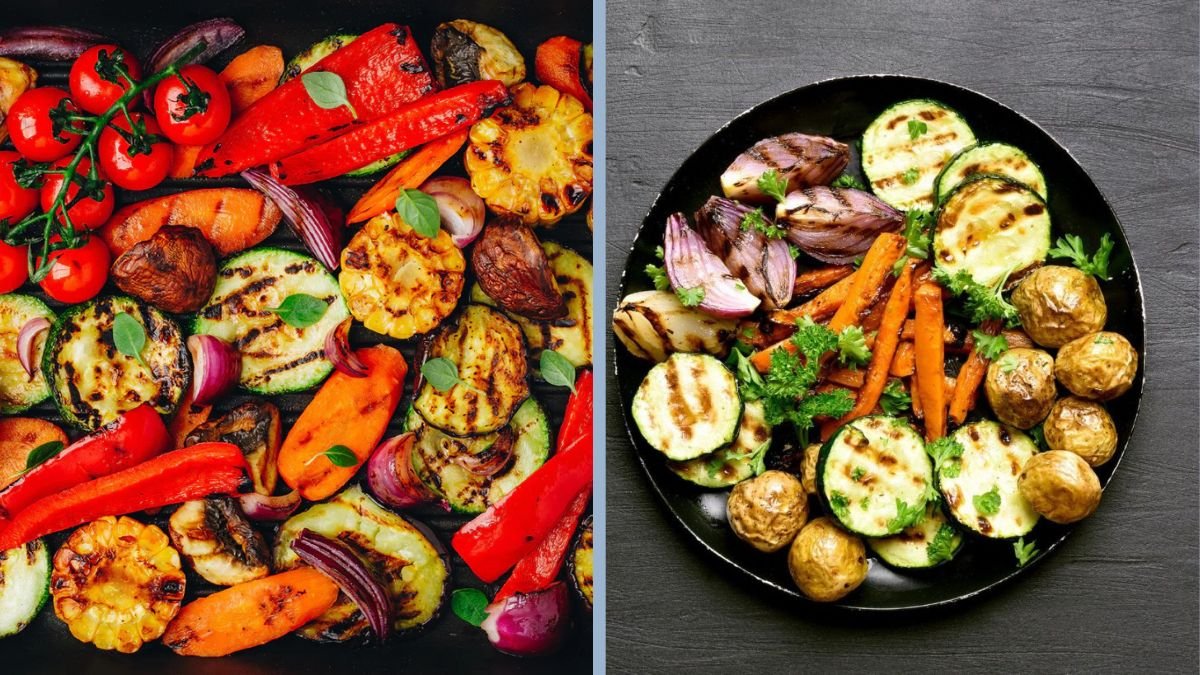
Roasting vegetables is one of the simplest yet most rewarding cooking techniques. The process transforms everyday produce into tender, caramelized, and flavor-packed dishes. Unlike steaming or boiling, roasting intensifies the natural sweetness of vegetables, creating rich textures and irresistible aromas. With the right techniques, herbs, and seasonings, anyone can prepare restaurant-quality roasted vegetables at home.
This article will explore the science of roasting, preparation steps, seasoning ideas, cooking methods, and practical tips to ensure that every batch of roasted vegetables is bursting with maximum flavor.
Why Roast Vegetables?
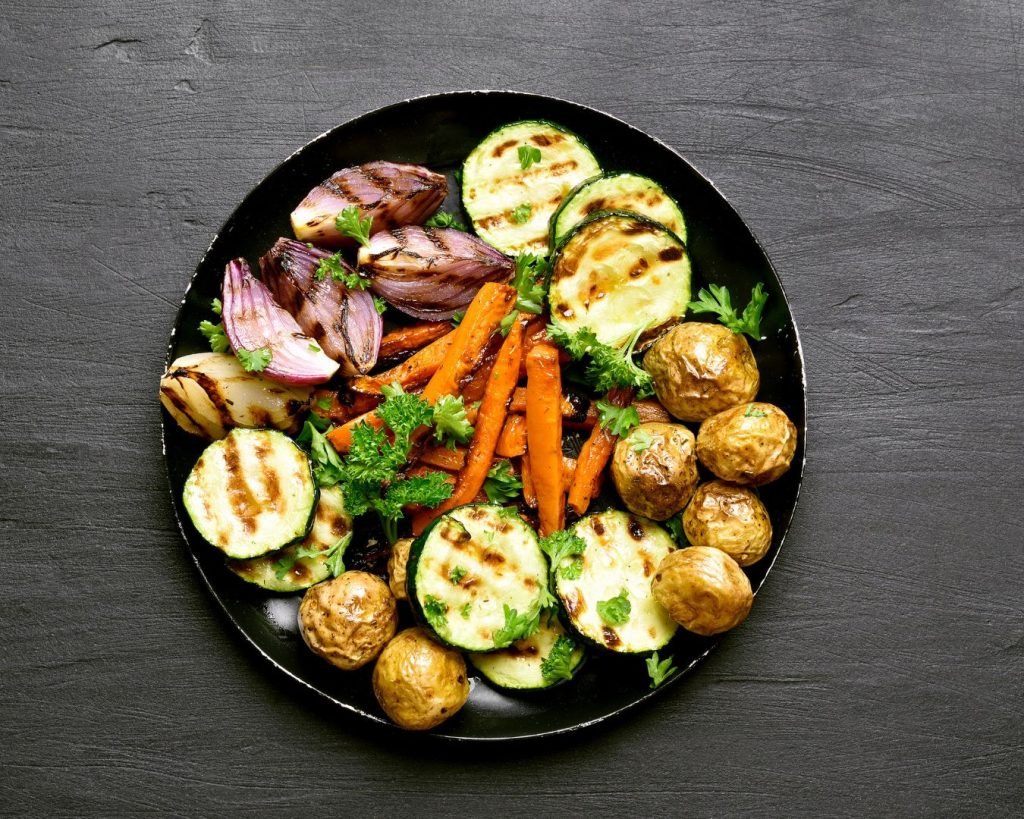
- Enhanced Flavor: High heat caramelizes natural sugars, resulting in a slightly sweet, smoky, and nutty taste.
- Texture Variety: Roasting creates a delightful contrast between crisp edges and tender insides.
- Nutritional Value: Roasting preserves most nutrients while making vegetables easier to digest.
- Versatility: Roasted vegetables can be eaten alone, used in salads, added to wraps, or served as side dishes.
- Simplicity: It requires minimal ingredients, time, and equipment.
The Science Behind Roasting
Roasting involves dry heat cooking at high temperatures (usually between 375°F to 450°F / 190°C to 230°C). The Maillard reaction and caramelization are the key processes:
- Caramelization: Natural sugars in vegetables break down, producing sweetness and golden-brown color.
- Maillard reaction: Proteins and sugars interact under heat, creating savory, complex flavors.
Vegetables with higher sugar content (like carrots, onions, and bell peppers) caramelize beautifully, while starchy vegetables (like potatoes or squash) develop crisp exteriors.
Almost all vegetables can be roasted, but some excel more than others:
Choosing the Right Vegetables
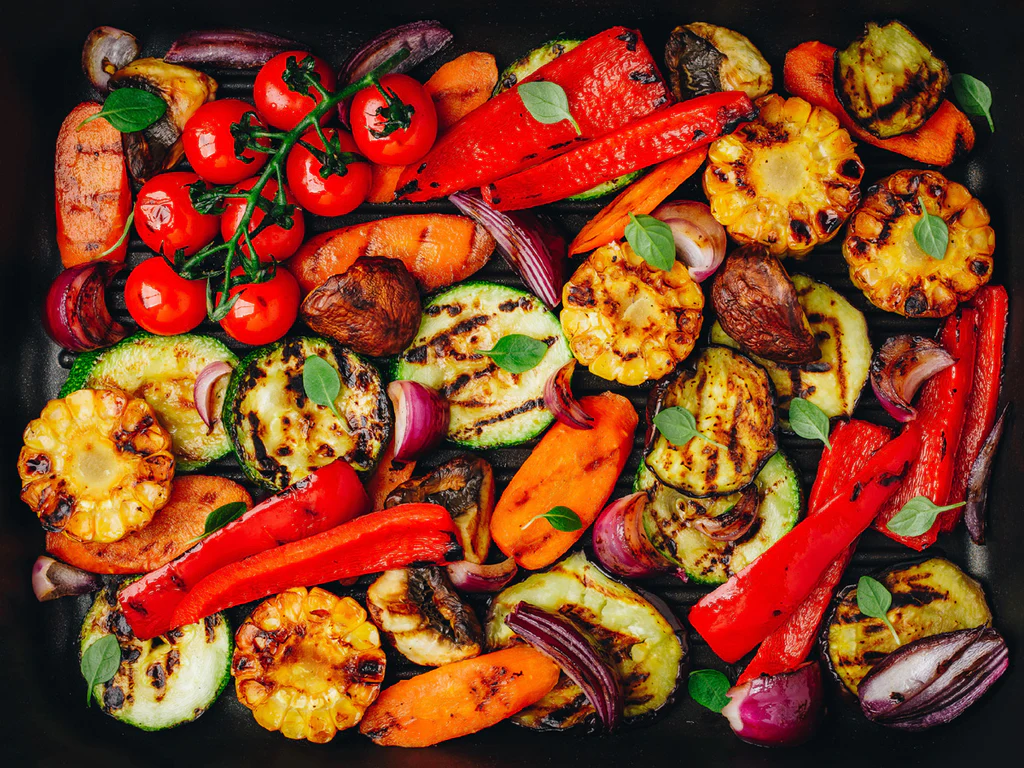
- Root vegetables: Carrots, potatoes, sweet potatoes, beets, parsnips.
- Cruciferous vegetables: Broccoli, cauliflower, Brussels sprouts, cabbage.
- Alliums: Onions, garlic, shallots, leeks.
- Fruiting vegetables: Zucchini, bell peppers, eggplant, tomatoes.
- Seasonal greens: Kale or Swiss chard (best roasted quickly to avoid burning).
Tip: Mix vegetables with similar roasting times for even cooking, or roast denser vegetables separately.
Preparing Vegetables for Roasting
1. Washing and Drying
Wash vegetables thoroughly to remove dirt. Always dry them completely with a clean towel. Excess moisture prevents browning and causes steaming instead of roasting.
2. Cutting into Uniform Sizes
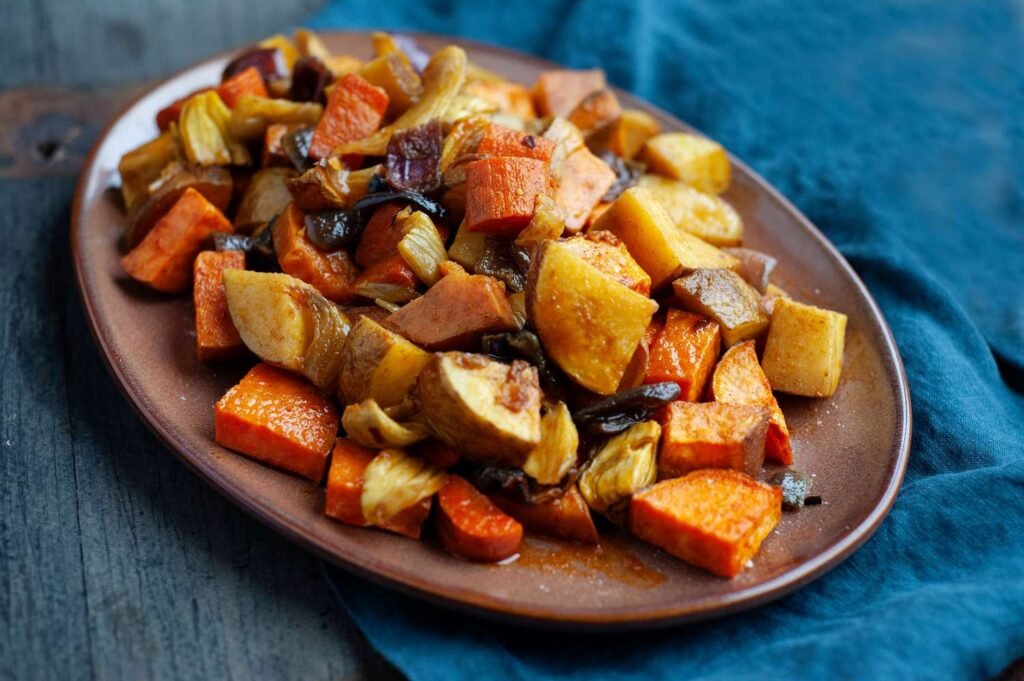
Chop vegetables into similar-sized pieces for even cooking. Large chunks take longer, while smaller pieces roast quickly and crisp up faster.
3. Preheating the Oven
Always preheat your oven to at least 400°F (200°C). A hot oven ensures immediate caramelization.
4. Oil and Seasoning
Coat vegetables lightly with oil (olive oil, avocado oil, or sunflower oil). Oil enhances browning, prevents sticking, and helps seasonings adhere.
5. Using the Right Pan
A large baking sheet or roasting pan ensures vegetables spread out in a single layer. Overcrowding causes steaming instead of roasting.
Best Seasonings for Roasted Vegetables
Seasonings elevate vegetables from simple to extraordinary. Some popular combinations include:
- Classic: Olive oil, salt, pepper, and garlic.
- Mediterranean: Rosemary, thyme, oregano, lemon zest, and olive oil.
- Spicy kick: Paprika, chili flakes, cayenne pepper, and cumin.
- Herb-forward: Fresh parsley, dill, or cilantro added after roasting.
- Asian-inspired: Soy sauce, sesame oil, and ginger (add near the end to prevent burning).
Tip: Add fresh herbs like basil or parsley after roasting to preserve their flavor.
Step-by-Step: Roasting Vegetables for Maximum Flavor
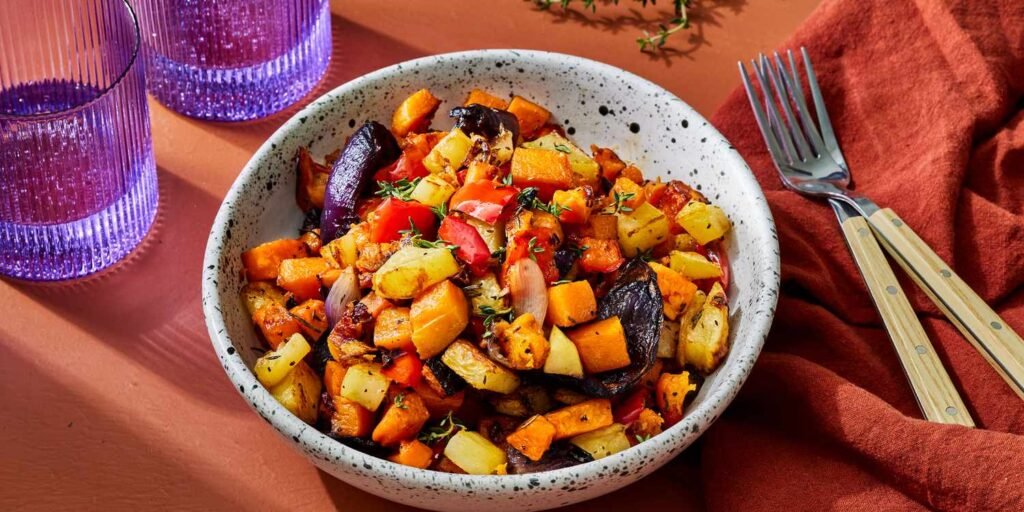
- Preheat oven: Set to 425°F (220°C).
- Prepare vegetables: Wash, dry, and cut evenly.
- Season: Toss vegetables with oil, salt, pepper, and desired spices.
- Arrange: Spread evenly on a parchment-lined baking sheet. Leave space between pieces.
- Roast: Bake for 20–45 minutes depending on the vegetable (check doneness by piercing with a fork).
- Flip halfway: Stir or flip vegetables to ensure even browning.
- Finish: Optional – drizzle with balsamic glaze, lemon juice, or fresh herbs before serving.
Roasting Time Guide
Here’s a quick reference for roasting times at 425°F (220°C):
- Carrots: 25–30 minutes
- Broccoli / Cauliflower: 20–25 minutes
- Potatoes / Sweet Potatoes: 30–40 minutes
- Zucchini / Bell Peppers: 15–20 minutes
- Brussels Sprouts: 20–25 minutes
- Eggplant: 20–25 minutes
- Onions: 25–30 minutes
Note: Cooking times may vary depending on oven and vegetable size.
Tips for Perfect Roasted Vegetables
- Don’t skimp on heat: Lower temperatures won’t produce the same caramelization.
- Use enough oil: A light coating is essential for crispiness.
- Spread evenly: Overcrowding reduces browning.
- Use parchment paper: Prevents sticking and makes cleanup easier.
- Layer flavors: Add nuts, seeds, or a drizzle of tahini after roasting for extra texture.
Serving Ideas
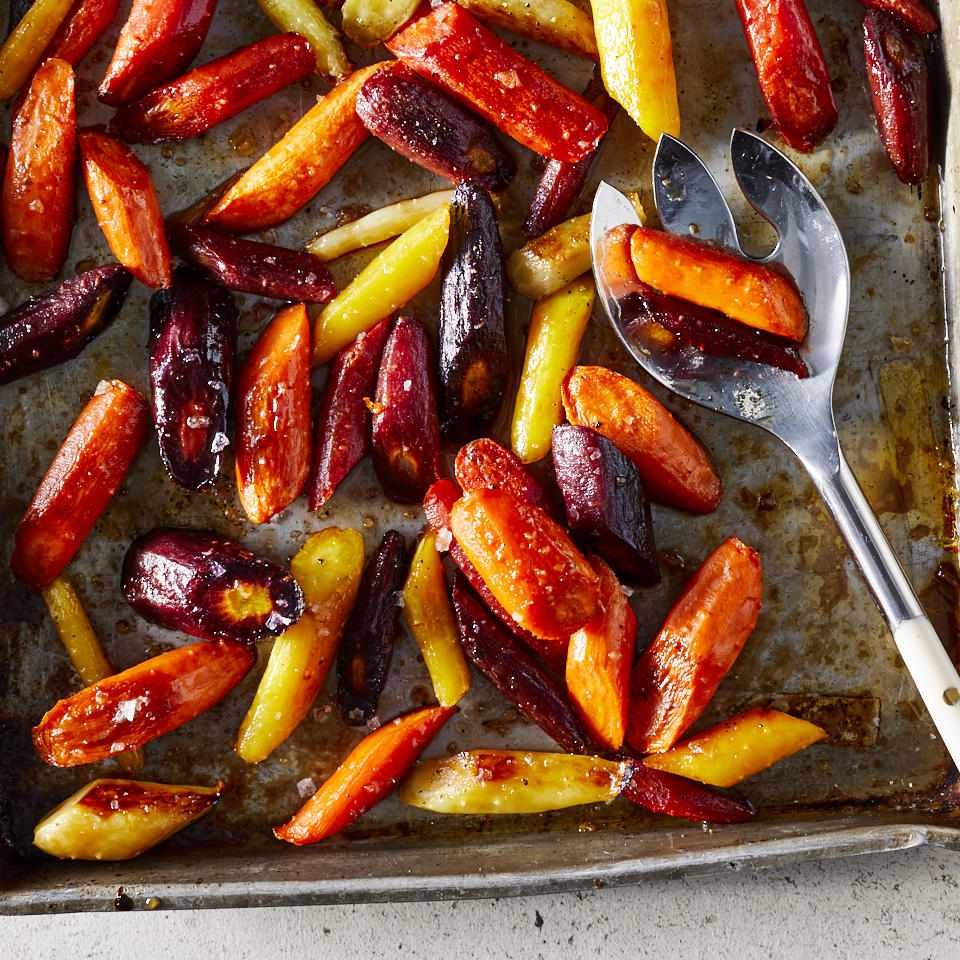
Roasted vegetables are versatile and can be enjoyed in countless ways:
- As a side dish: Serve alongside grains like quinoa, rice, or couscous.
- In salads: Toss cooled roasted vegetables with greens and vinaigrette.
- In wraps or sandwiches: Use as a filling with hummus or pesto.
- On pizzas: Replace heavy toppings with colorful roasted veggies.
- In soups: Blend roasted carrots, tomatoes, or peppers into creamy soups.
- With dips: Pair roasted vegetable sticks with guacamole, hummus, or yogurt dip.
Nutritional Benefits of Roasting
- Carrots: Rich in beta-carotene and antioxidants.
- Broccoli: Provides vitamin C, fiber, and anti-inflammatory compounds.
- Sweet potatoes: High in vitamin A and complex carbohydrates.
- Bell peppers: Excellent source of vitamin C and antioxidants.
- Garlic and onions: Contain compounds that support heart health and immunity.
Roasting enhances flavor without requiring heavy sauces, making it a healthy, plant-based cooking technique.
Common Mistakes to Avoid
- Using too little oil: Leads to dry, unevenly roasted vegetables.
- Crowding the pan: Causes steaming instead of crisping.
- Not flipping: Uneven browning occurs if vegetables aren’t turned halfway.
- Roasting on low heat: Prevents caramelization and makes vegetables soggy.
- Adding fresh herbs too early: Herbs burn if added before roasting.
Conclusion
Roasting vegetables is an art that combines simplicity with flavor intensity. By using high heat, the right preparation techniques, and well-chosen seasonings, you can turn any garden harvest into golden, caramelized delights. Whether you enjoy them as a side dish, main course, or part of salads and wraps, roasted vegetables bring out the best of plant-based cooking.
Mastering this method allows you to enjoy nutritious, flavorful, and versatile meals with minimal effort. Once you learn how to roast vegetables for maximum flavor, your kitchen will always be stocked with delicious, wholesome options ready to enjoy.