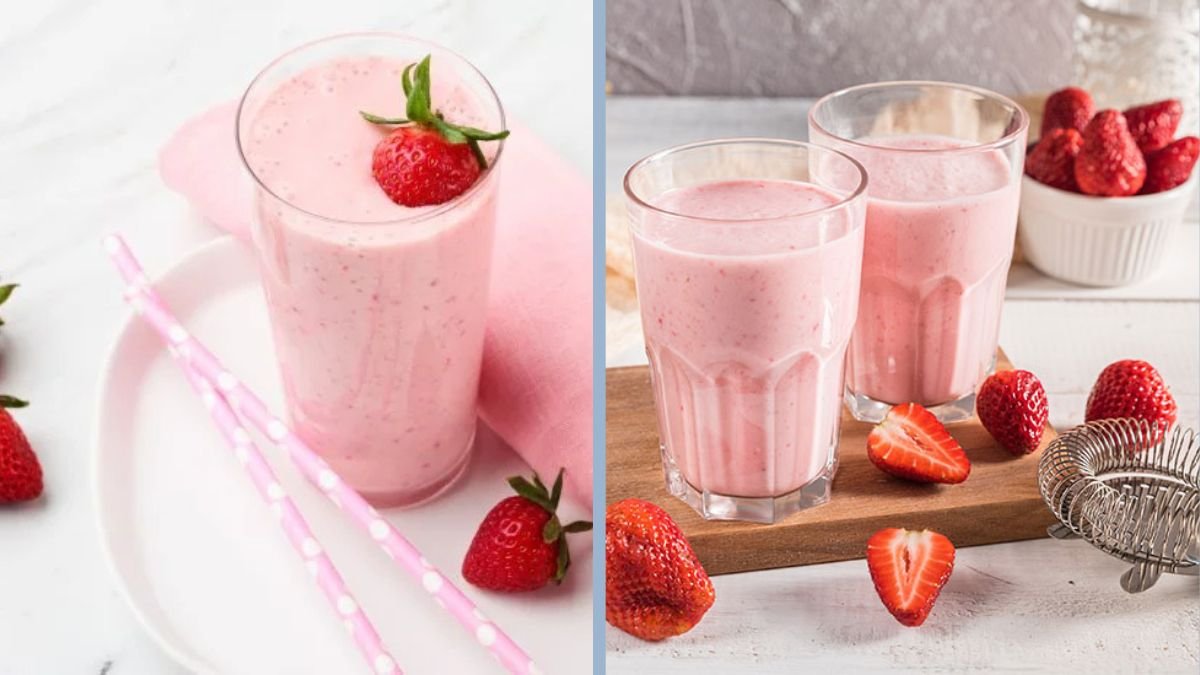
In today’s fast-paced world, people are constantly seeking convenient, nutritious, and delicious ways to maintain a healthy lifestyle. Fresh fruit smoothies have emerged as a popular choice because they combine flavor, nourishment, and creativity in one glass. Smoothies are more than just a trend—they are a practical way to incorporate vitamins, minerals, and fiber into your daily diet. Unlike store-bought versions that often contain added sugars and preservatives, homemade smoothies allow full control over ingredients, taste, and health benefits.
This article explores how to make fresh fruit smoothies at home, detailing ingredient selection, preparation techniques, nutritional benefits, creative variations, and practical storage tips—all while focusing on vegetarian-friendly choices.
Why Choose Homemade Smoothies?
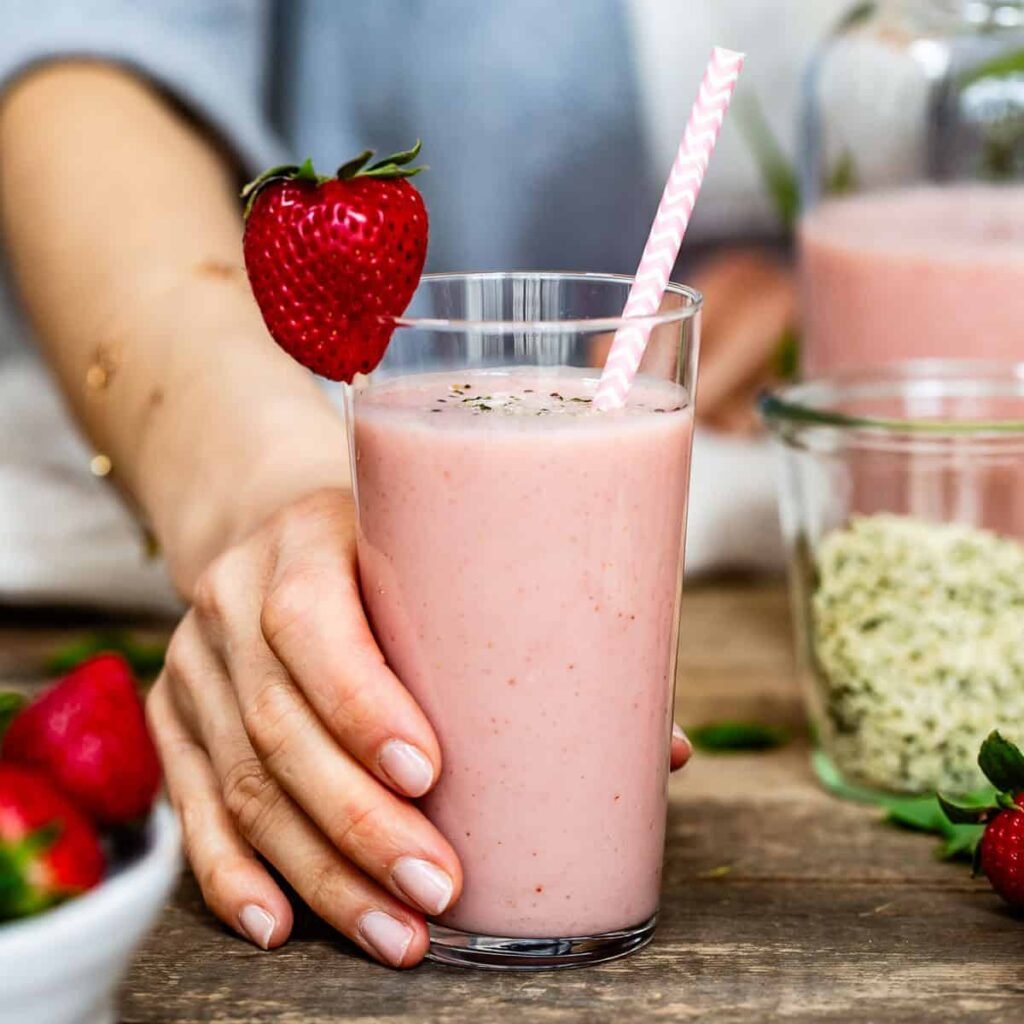
Homemade fruit smoothies are not only healthier but also customizable. Here are some key reasons to make them at home:
- Nutrient Density: Smoothies pack multiple servings of fruits and vegetables into one drink.
- No Preservatives: Store-bought smoothies may contain additives or hidden sugars, whereas homemade versions remain natural.
- Cost-Effective: Preparing smoothies at home saves money compared to daily purchases.
- Customizable: Adjust sweetness, texture, and flavor according to personal preferences and dietary needs.
- Sustainable: Using seasonal and locally grown fruits reduces environmental impact.
Essential Ingredients for Fresh Fruit Smoothies
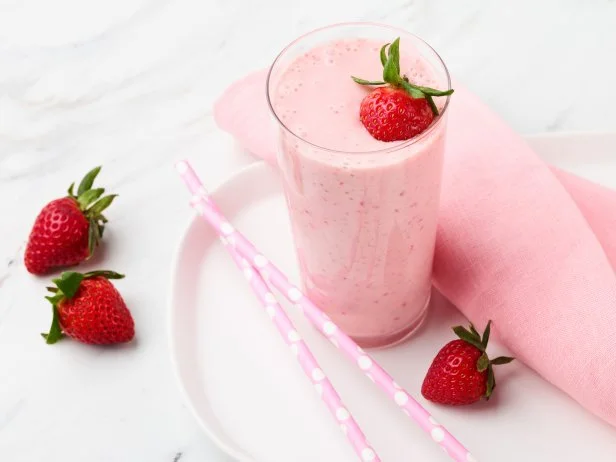
A good smoothie combines a balance of fruits, liquids, and optional add-ins for flavor and nutrition.
1. Fruits
The foundation of any smoothie is fruit. Common choices include:
- Bananas: Provide natural sweetness and creaminess.
- Berries (strawberries, blueberries, raspberries): Rich in antioxidants and vibrant in color.
- Mangoes and Pineapples: Add tropical sweetness and vitamin C.
- Apples and Pears: Mild, refreshing, and fiber-rich.
- Stone Fruits (peaches, plums, cherries): Seasonal and fragrant.
2. Liquid Base
The liquid base determines texture and consistency. Options include:
- Water (light and hydrating)
- Coconut water (electrolyte-rich)
- Plant-based milk (almond, soy, oat, coconut) for creaminess
- Fresh fruit juice (orange or apple) for natural sweetness
3. Nutritional Boosters
Smoothies can become more wholesome with add-ins like:
- Chia seeds, flaxseeds, or hemp seeds (omega-3 fatty acids, protein)
- Oats (fiber and satiety)
- Nut butters (healthy fats and protein)
- Spices like cinnamon or ginger (extra flavor and health benefits)
- Leafy greens (spinach, kale) for added vitamins
4. Natural Sweeteners (Optional)
If additional sweetness is desired, use natural options such as honey, maple syrup, or dates rather than refined sugar.
Equipment You Need
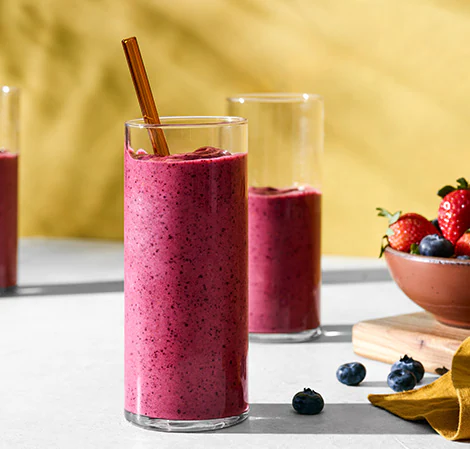
Making smoothies at home requires minimal equipment:
- Blender: A high-speed blender ensures smooth texture, especially when blending frozen fruits or greens.
- Measuring Cups & Spoons: To balance proportions and flavors.
- Storage Jars or Bottles: For batch-prepared smoothies that can be consumed later.
Step-by-Step Guide: Making a Basic Smoothie
Step 1: Choose Fruits
Select 1–2 cups of fresh or frozen fruits based on flavor preference and season. Example: banana and strawberries.
Step 2: Add Liquid
Pour 1 cup of liquid (water, plant milk, or juice). Adjust according to desired thickness.
Step 3: Include Boosters
Add one tablespoon of chia seeds, oats, or nut butter for added nutrition.
Step 4: Blend Until Smooth
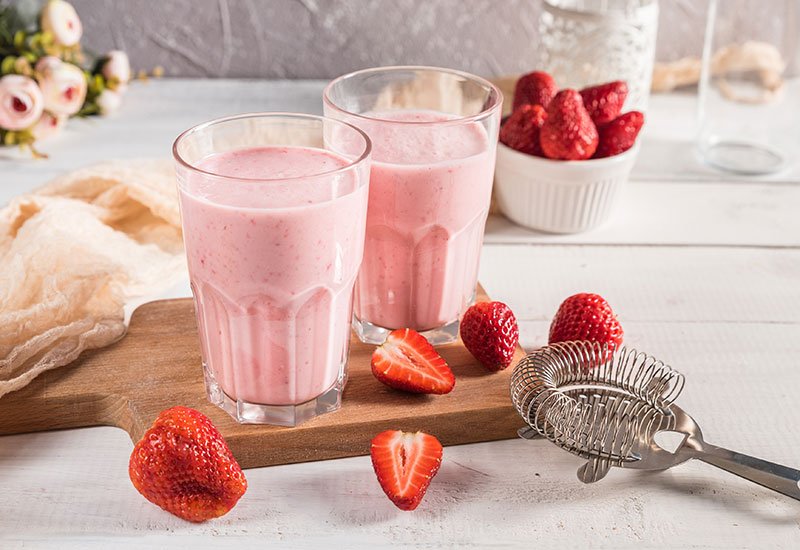
Blend all ingredients for 30–60 seconds until creamy.
Step 5: Taste and Adjust
Check sweetness and texture. Add more fruit for flavor, more liquid for thinness, or ice cubes for chill.
Creative Smoothie Variations
Smoothies are versatile. Here are seven creative variations you can try at home:
1. Tropical Delight Smoothie
- Mango, pineapple, banana
- Coconut water base
- Dash of lime juice
2. Green Power Smoothie
- Spinach, banana, apple
- Oat milk base
- Chia seeds and a touch of ginger
3. Berry Blast Smoothie
- Strawberries, blueberries, raspberries
- Almond milk base
- Flaxseed and a drizzle of honey
4. Creamy Peanut-Banana Smoothie
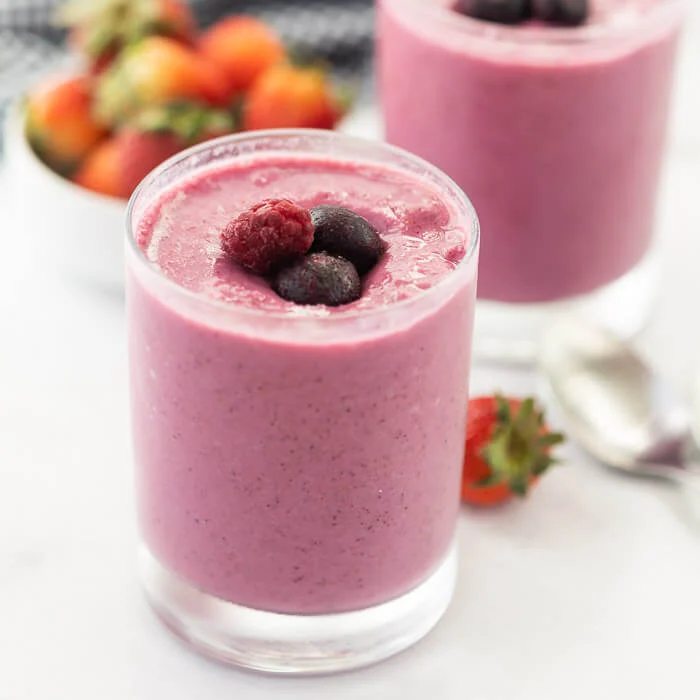
- Banana, oat milk, peanut butter
- Optional oats for thickness
- Sprinkle of cinnamon
5. Refreshing Citrus Smoothie
- Orange, pineapple, mango
- Coconut water base
- Mint leaves for freshness
6. Chocolate Avocado Smoothie
- Avocado, banana, cocoa powder
- Almond milk base
- Maple syrup for sweetness
7. Apple-Pear Spiced Smoothie
- Apples, pears
- Soy milk base
- Cinnamon and nutmeg
Each of these blends demonstrates how smoothies can shift from refreshing and fruity to creamy and indulgent while remaining vegetarian and nutrient-rich.
Nutritional Benefits of Fruit Smoothies
Smoothies are more than tasty drinks—they offer significant health advantages:
- Vitamin-Rich: Provide essential vitamins such as A, C, and E for immunity and skin health.
- Fiber Content: Promotes digestion and prevents overeating.
- Antioxidants: Help fight oxidative stress and support long-term health.
- Hydration: High water content keeps the body refreshed.
- Balanced Energy: A mix of fruits, seeds, and plant-based proteins makes smoothies an ideal breakfast or post-workout fuel.
Common Mistakes to Avoid
- Overloading Fruits: Too much fruit can lead to excess sugar. Balance with greens or protein.
- Skipping Fiber: Straining smoothies removes beneficial fiber. Blend whole fruits instead.
- Adding Refined Sugar: Natural sweetness from fruits is usually sufficient.
- Not Controlling Portions: Smoothies are healthy, but large servings can lead to excess calories.
Tips for Perfect Homemade Smoothies
- Use frozen fruits for thicker, colder smoothies without watering them down.
- Prepare smoothie packs by pre-cutting fruits and freezing them in portions.
- Blend in layers: liquids first, soft fruits next, and frozen or harder items last for smoother blending.
- Experiment with seasonal produce to maximize freshness and variety.
- Store leftovers in the refrigerator for up to 24 hours, shaking before drinking.
Environmental and Cultural Context
Smoothies are not just a dietary choice—they represent a cultural shift toward health-conscious living. Globally, they are linked to wellness, fitness, and sustainability. By making smoothies at home using seasonal, local produce, individuals contribute to reducing food waste, cutting packaging consumption, and supporting local farmers. This positions homemade smoothies as both a personal and environmental health practice.
Conclusion
Making fresh fruit smoothies at home is a simple yet powerful step toward a healthier, more sustainable lifestyle. By choosing seasonal fruits, balancing flavors, and incorporating nutrient-dense add-ins, you can craft beverages that are delicious, filling, and tailored to your needs. Unlike commercial alternatives, homemade smoothies empower you to control every ingredient, ensuring purity and freshness.
From tropical blends to green energy boosters, smoothies offer endless variety and appeal to every palate. They are ideal for breakfast, snacks, or post-exercise recovery, making them a valuable addition to everyday meals.
Ultimately, fresh fruit smoothies are more than just drinks—they are vibrant, nutritious expressions of creativity and wellness in a glass. By mastering the art of smoothie-making, you embrace a lifestyle that celebrates health, flavor, and mindful living.