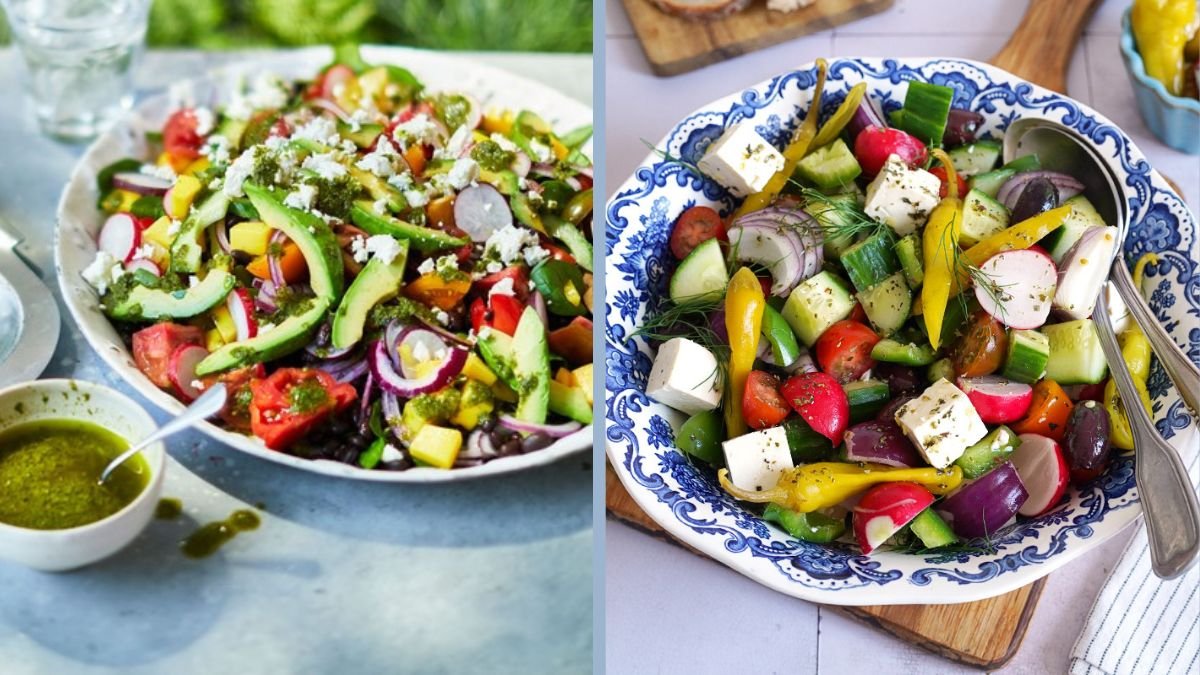
Summer is the season of abundance. Gardens overflow with vibrant vegetables, fruits, and herbs, offering the freshest flavors nature can provide. One of the best ways to celebrate this harvest is through salads—light, refreshing, and packed with nutrition. Unlike heavy cooked meals, summer salads keep the body cool, hydrated, and energized. They also allow creativity, as you can mix and match ingredients depending on what is ripe in your garden.
This article explores 10 easy summer salad recipes using fresh garden ingredients, alongside tips for preparation, nutritional benefits, and serving suggestions—all while focusing on vegetarian-friendly dishes.
Why Garden Salads Are Perfect for Summer
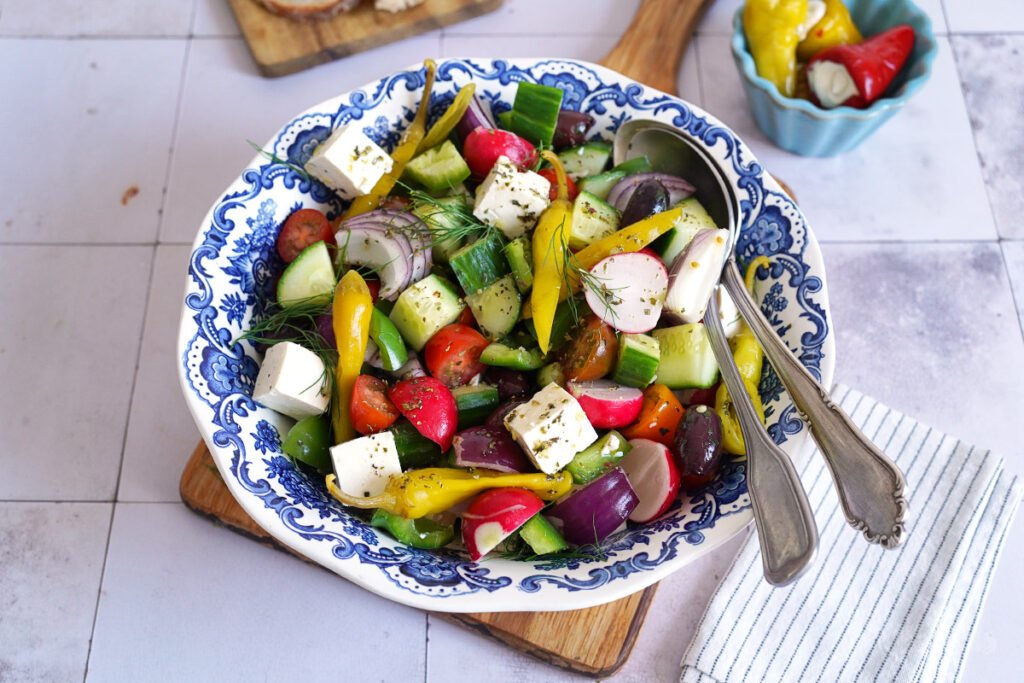
- Hydration: Many garden vegetables like cucumbers, tomatoes, and lettuce have high water content.
- Nutritional Boost: Fresh produce is at its peak, rich in vitamins, antioxidants, and minerals.
- Light and Digestible: Perfect for hot weather when heavy meals feel overwhelming.
- Sustainability: Using homegrown or locally sourced produce reduces waste and carbon footprint.
- Versatility: Salads adapt to personal tastes, dietary needs, and seasonal availability.
Essential Ingredients for Summer Salads
Before diving into recipes, here are some common garden ingredients that form the base of summer salads:
- Vegetables: Tomatoes, cucumbers, zucchini, carrots, bell peppers, lettuce, spinach, arugula.
- Fruits: Berries, peaches, melons, apples, grapes.
- Herbs: Basil, mint, cilantro, parsley, dill.
- Protein Sources: Chickpeas, lentils, beans, tofu, nuts, seeds, and cheese alternatives.
- Dressings: Olive oil, lemon juice, yogurt, vinegar, tahini, and simple vinaigrettes.
10 Easy Summer Salad Recipes
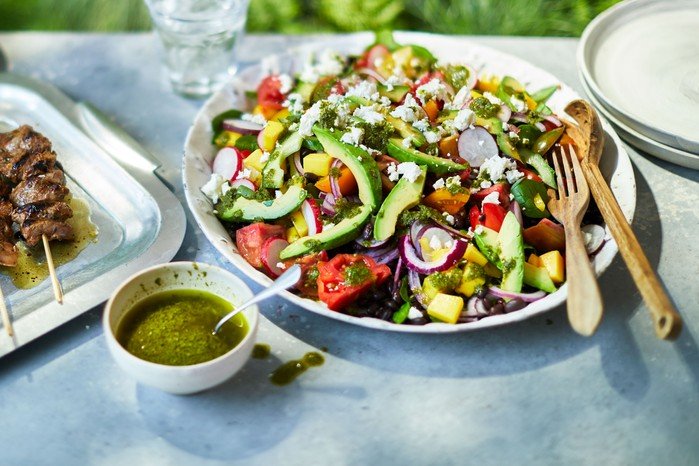
1. Classic Garden Tomato & Cucumber Salad
Ingredients: Fresh tomatoes, cucumbers, red onions, parsley, olive oil, lemon juice, salt, and pepper.
Why It Works: Refreshing and hydrating, this salad is quick to prepare and highlights the natural sweetness of garden tomatoes.
Serving Tip: Add crumbled feta or a vegan cheese for extra creaminess.
2. Summer Spinach and Strawberry Salad
Ingredients: Spinach leaves, sliced strawberries, walnuts, sunflower seeds, and balsamic vinaigrette.
Why It Works: The sweetness of strawberries pairs perfectly with earthy spinach, while nuts provide crunch.
Serving Tip: Drizzle with honey or maple syrup for a sweet finish.
3. Mediterranean Chickpea Salad
Ingredients: Chickpeas, cherry tomatoes, cucumber, bell pepper, red onion, parsley, olive oil, and lemon juice.
Why It Works: Packed with plant-based protein, this salad is hearty and nutritious.
Serving Tip: Add olives and a sprinkle of oregano for authentic Mediterranean flavor.
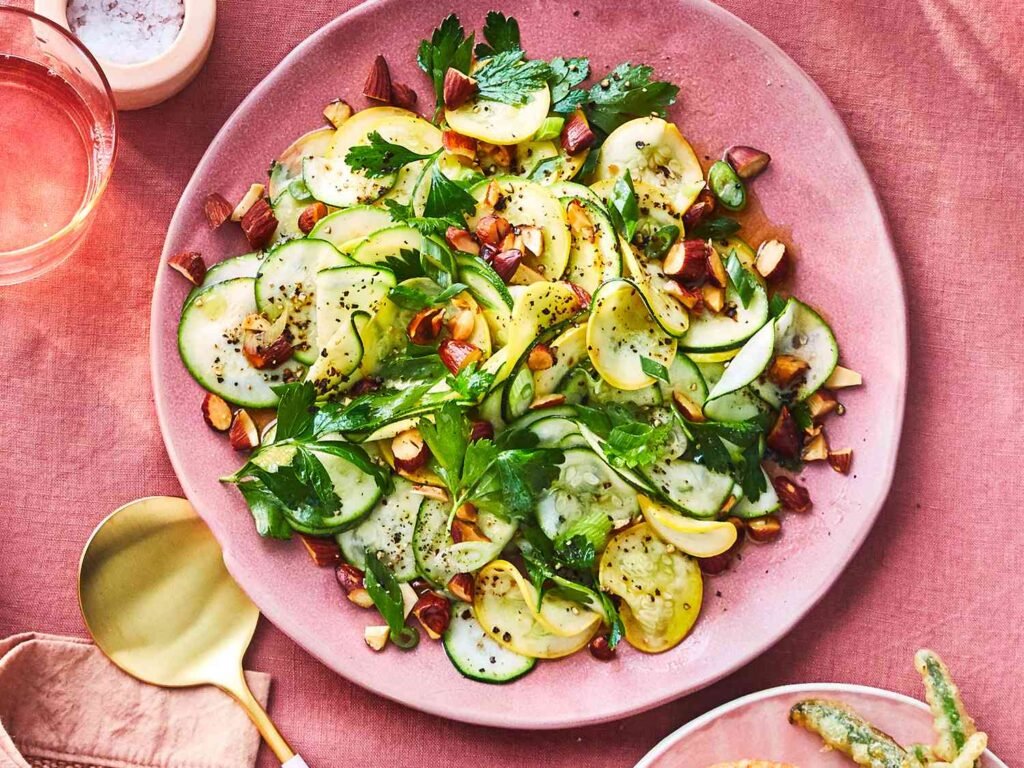
4. Zucchini Ribbon Salad
Ingredients: Thinly sliced zucchini ribbons, mint leaves, lemon juice, olive oil, and toasted pine nuts.
Why It Works: Light, elegant, and refreshing, this dish makes use of summer zucchini in a creative way.
Serving Tip: Shave Parmesan or vegan cheese on top for extra flavor.
5. Watermelon and Mint Salad
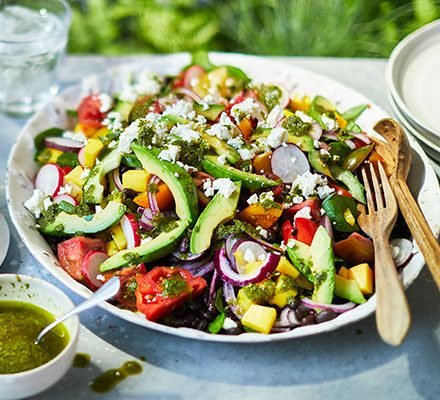
Ingredients: Cubes of watermelon, fresh mint leaves, cucumber slices, and a drizzle of lime juice.
Why It Works: Perfectly hydrating, this sweet-and-cool salad is ideal for hot afternoons.
Serving Tip: Add crumbled vegan feta for a Mediterranean-style twist.
6. Quinoa and Roasted Vegetable Salad
Ingredients: Cooked quinoa, roasted zucchini, eggplant, bell peppers, cherry tomatoes, parsley, olive oil, and balsamic vinegar.
Why It Works: A protein-rich option that’s both filling and colorful, balancing freshness with roasted flavors.
Serving Tip: Best served slightly warm or at room temperature.
7. Cucumber and Dill Yogurt Salad
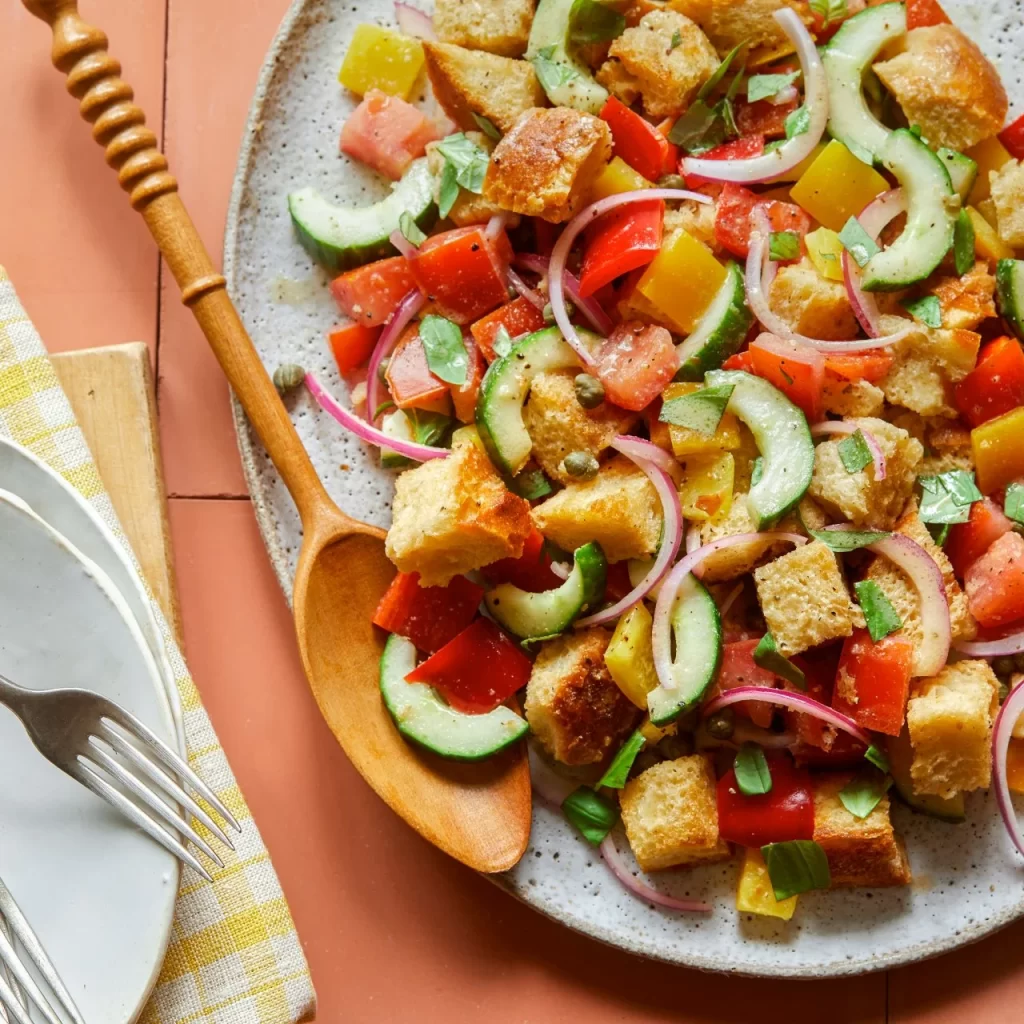
Ingredients: Sliced cucumbers, fresh dill, plain yogurt (or plant-based yogurt), garlic, lemon juice, and salt.
Why It Works: Creamy yet refreshing, this salad soothes the palate and pairs well with grilled vegetables or flatbreads.
Serving Tip: Use Greek-style yogurt alternatives for thicker texture.
8. Peach and Arugula Salad
Ingredients: Arugula, ripe peach slices, pecans, basil, and honey-lemon vinaigrette.
Why It Works: The peppery bite of arugula contrasts beautifully with the sweetness of peaches.
Serving Tip: Add a sprinkle of seeds (pumpkin or sunflower) for extra crunch.
9. Rainbow Bean Salad
Ingredients: A mix of kidney beans, black beans, green beans, corn, bell peppers, cilantro, olive oil, and lime juice.
Why It Works: A protein-packed, colorful salad that stores well and is perfect for picnics or potlucks.
Serving Tip: Spice it up with a dash of chili flakes.
10. Garden Herb Potato Salad
Ingredients: Boiled baby potatoes, parsley, dill, chives, olive oil, mustard, and lemon juice.
Why It Works: Unlike traditional mayonnaise-based potato salads, this herb-infused version is lighter and healthier.
Serving Tip: Serve chilled as a side dish at summer gatherings.
Nutritional Benefits of Summer Salads
Each salad provides unique health benefits:
- Tomatoes and Cucumbers: Hydrating and rich in vitamin C.
- Spinach and Arugula: Excellent sources of iron and folate.
- Chickpeas and Beans: High in protein and fiber, great for vegetarians.
- Fruits (Watermelon, Strawberries, Peaches): Provide antioxidants and natural sweetness.
- Herbs (Mint, Parsley, Dill): Aid digestion and add freshness.
- Nuts and Seeds: Healthy fats and minerals for sustained energy.
Dressing Ideas for Healthier Salads
Instead of heavy, calorie-dense dressings, opt for lighter, healthier alternatives:
- Lemon-Olive Oil Vinaigrette: Simple, tangy, and versatile.
- Balsamic Reduction: Sweet and sharp, pairs well with fruits.
- Tahini Dressing: Nutty and creamy, perfect for chickpea or quinoa salads.
- Yogurt-Herb Dressing: Cooling, creamy, and probiotic-rich.
Tips for Perfect Summer Salads
- Use Seasonal Produce: The fresher the ingredients, the better the flavor and nutrition.
- Balance Textures: Combine crunchy vegetables, soft fruits, and creamy elements for variety.
- Keep It Light: Avoid overly heavy dressings or excessive toppings.
- Prepare Ahead: Many salads (like bean or quinoa salads) can be made in advance.
- Serve Fresh: Leafy salads are best eaten immediately to preserve crispness.
Cultural Context of Fresh Salads
Salads are enjoyed worldwide, but each culture adds its unique twist:
- Mediterranean: Uses olive oil, herbs, and beans.
- Middle Eastern: Tabbouleh and fattoush highlight parsley and mint.
- South Asian: Fresh cucumbers and tomatoes with lime and chili.
- Western: Garden salads with mixed greens and vinaigrettes.
This diversity demonstrates how salads reflect local produce, traditions, and climate.
Common Mistakes to Avoid
- Overdressing: Makes salads soggy. Add dressing just before serving.
- Ignoring Seasonality: Using out-of-season produce reduces flavor and nutrition.
- Not Balancing Flavors: Too much sweetness or acidity can overwhelm.
- Skipping Protein: Without beans, nuts, or grains, salads may feel incomplete.
Conclusion
Summer salads celebrate freshness, health, and creativity. By using ingredients directly from the garden—juicy tomatoes, crisp cucumbers, fragrant herbs, and ripe fruits—you can prepare dishes that are as nourishing as they are flavorful. The ten recipes outlined above demonstrate how versatile salads can be, ranging from light cucumber-yogurt blends to hearty quinoa and bean-based bowls.
Cooking with seasonal garden ingredients ensures maximum taste and nutrition, while also promoting sustainability. More than just side dishes, these salads can serve as refreshing meals that energize and cool the body during the hottest months.
Ultimately, salads embody the essence of summer: simple, colorful, and alive with natural goodness. By mastering a few easy combinations, anyone can turn fresh garden harvests into memorable, healthy meals that delight both the palate and the body.