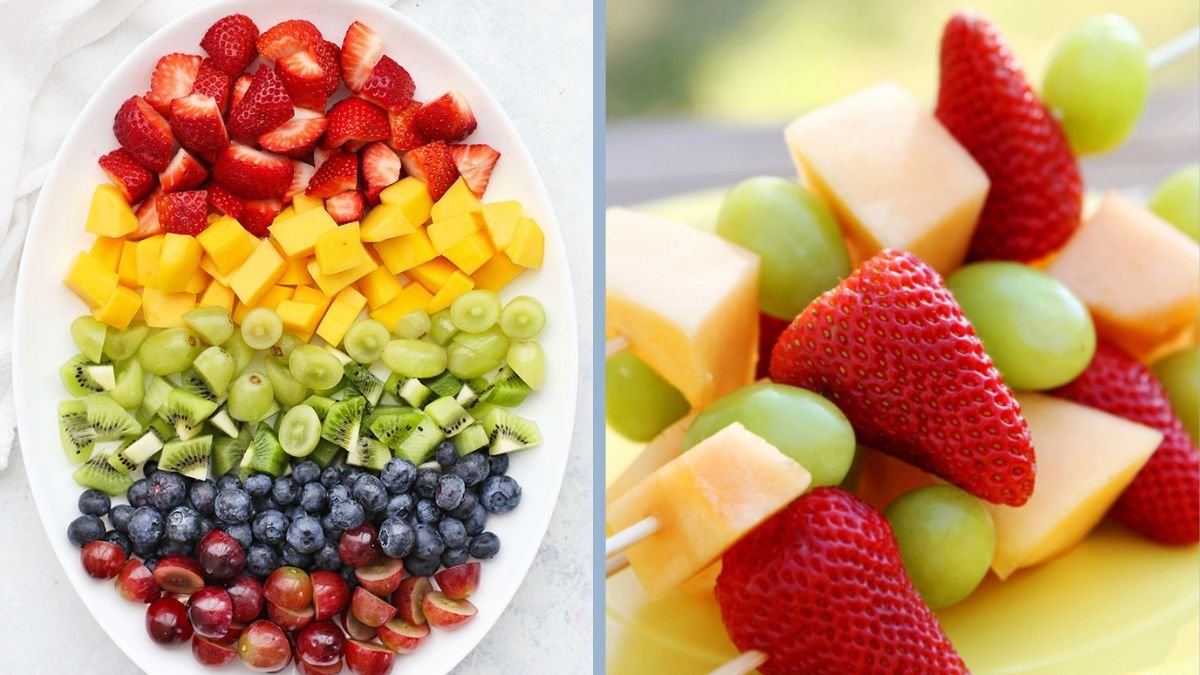
Fruits are nature’s sweet gift—delicious, nutrient-dense, and ideal for snacking. When thoughtfully combined, fruits can provide a balance of flavors, textures, and nutrients that make snacks both satisfying and healthful. Beyond taste, certain fruit pairings optimize energy levels, support digestion, and boost immunity, making them an essential part of a wholesome diet.
This article explores the best fruit combinations for healthy snacks, offering practical tips, nutritional insights, and creative ideas for everyday consumption. All suggestions are fully vegetarian-friendly, emphasizing fresh, seasonal, and minimally processed ingredients.
Why Fruit Combinations Matter
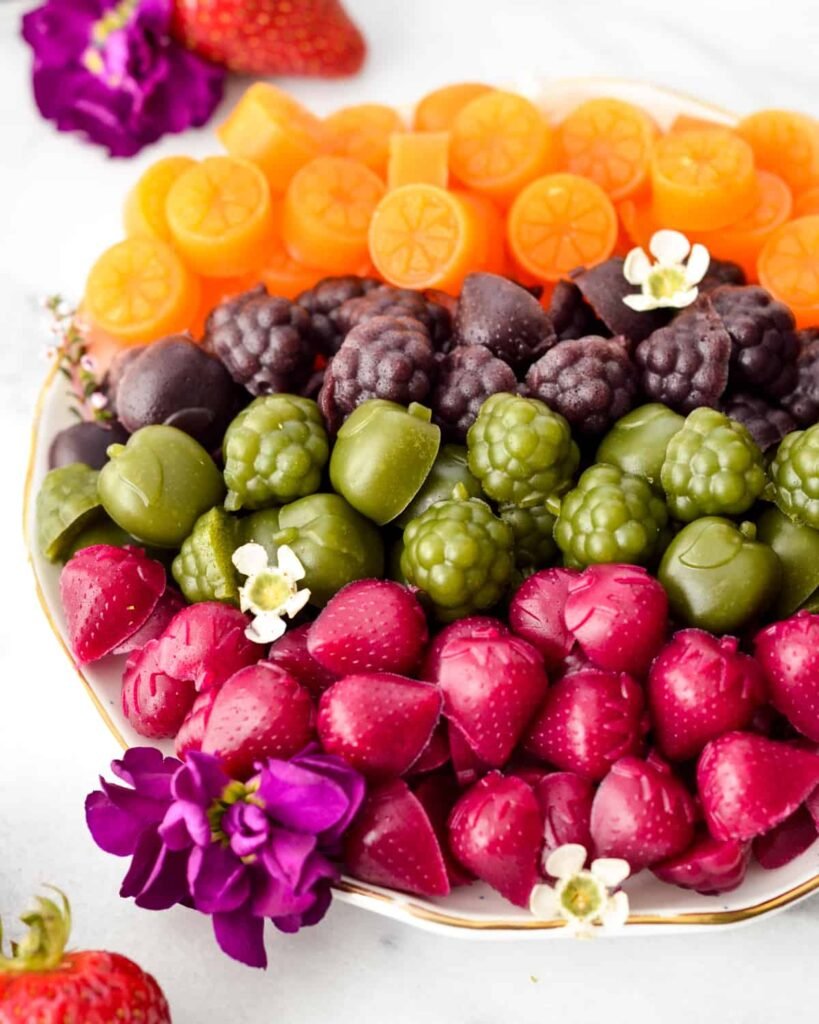
Consuming a variety of fruits together enhances both flavor and nutrition:
- Flavor Harmony: Combining sweet, tart, and citrusy fruits creates a balanced and exciting snack.
- Nutritional Synergy: Different fruits offer complementary vitamins, minerals, and antioxidants. For example, pairing vitamin C-rich fruits with iron-containing fruits may improve nutrient absorption.
- Satiety and Energy: Combining fruits with high fiber content stabilizes blood sugar, reduces hunger, and sustains energy.
- Digestive Benefits: Pairing fruits with different fiber types can promote gut health and prevent digestive discomfort.
Key Principles for Healthy Fruit Pairings
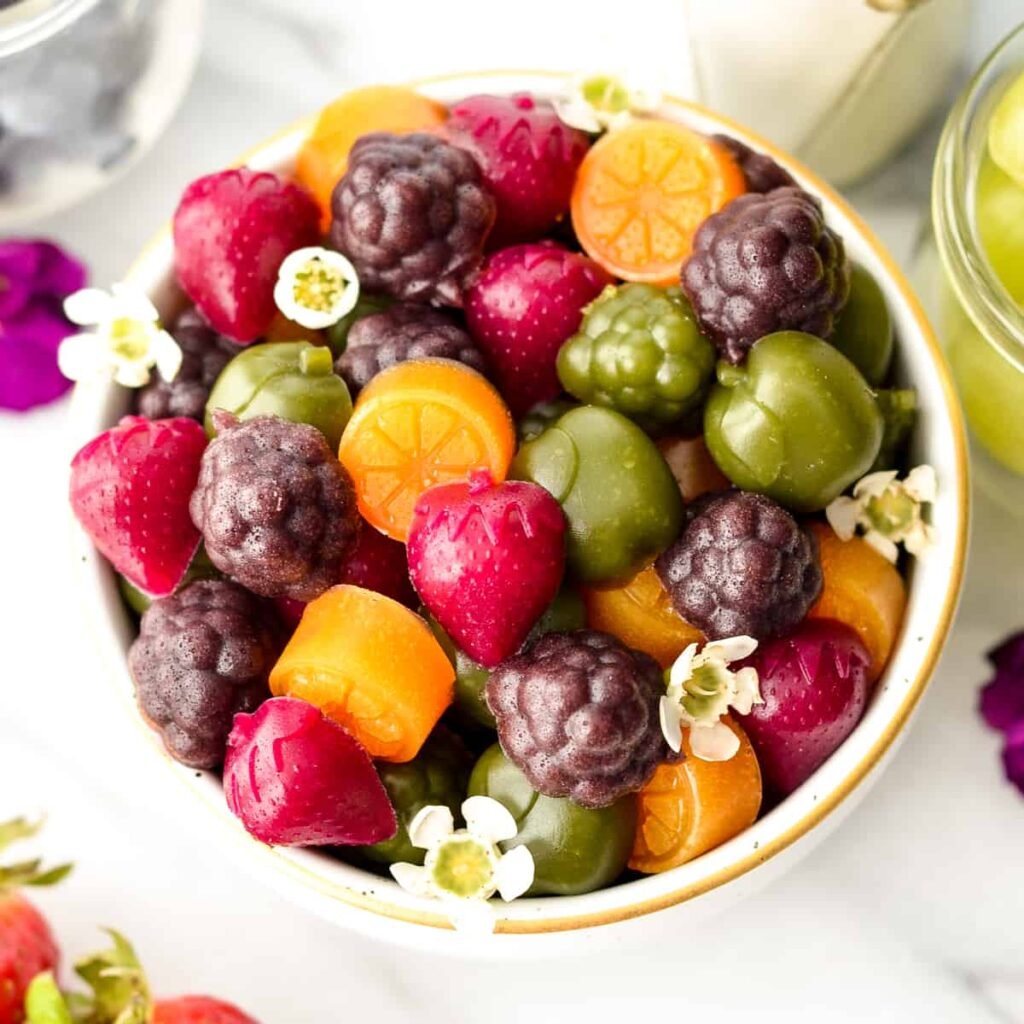
- Balance Sweetness and Acidity
- Sweet fruits like bananas and mangoes pair well with tart fruits such as berries or kiwi.
- Mix Textures
- Combine crunchy fruits (apples, pears) with soft fruits (peaches, berries) for a satisfying mouthfeel.
- Seasonal Freshness
- Use fruits that are in season for optimal flavor, nutrition, and affordability.
- Add Complementary Nutrients
- Include fruits with high water content (melon, pineapple) alongside fiber-rich fruits (apples, berries) for hydration and digestion.
Top Fruit Combinations for Healthy Snacks
1. Apple and Peanut Butter with Banana Slices
Flavor Profile: Sweet and nutty
Why It Works: Apples provide fiber and crunch, bananas add natural sweetness and potassium, and a thin layer of peanut butter supplies healthy fats and protein.
Serving Tip: Sprinkle with chia seeds or cinnamon for extra nutrients.
2. Berry Medley: Strawberries, Blueberries, and Raspberries
Flavor Profile: Sweet and tangy
Why It Works: Berries are antioxidant powerhouses, rich in vitamin C and anthocyanins. Combining them creates a colorful, vitamin-packed snack.
Serving Tip: Enjoy fresh or mix with plain yogurt for a creamy texture.
3. Tropical Mix: Pineapple, Mango, and Kiwi
Flavor Profile: Sweet and tangy with tropical aroma
Why It Works: High in vitamin C and digestive enzymes, this combination supports immunity and aids digestion.
Serving Tip: Chill before serving for a refreshing summer snack.
4. Citrus Duo: Orange and Grapefruit
Flavor Profile: Tart, zesty, and refreshing
Why It Works: Both fruits are low in calories and high in antioxidants, helping boost hydration and immunity.
Serving Tip: Add fresh mint leaves for extra freshness and flavor.
5. Pear and Blueberry Salad
Flavor Profile: Sweet and mildly tart
Why It Works: Pears are rich in dietary fiber, while blueberries provide antioxidants, making this combination heart-healthy and gut-friendly.
Serving Tip: Drizzle with a small amount of lemon juice to preserve color and add zing.
6. Watermelon and Mint
Flavor Profile: Juicy, sweet, and cooling
Why It Works: High water content keeps you hydrated in warm weather, while mint adds freshness and aids digestion.
Serving Tip: Cube watermelon and toss with finely chopped mint; serve chilled.
7. Apple, Grapes, and Pomegranate Seeds
Flavor Profile: Sweet, crisp, and tangy
Why It Works: The combination of textures—crunchy apples, juicy grapes, and juicy pomegranate seeds—creates a satisfying snack that’s rich in antioxidants.
Serving Tip: Add a sprinkle of cinnamon or nutmeg for additional flavor.
8. Peach and Raspberry Combo
Flavor Profile: Juicy, sweet, slightly tart
Why It Works: Peaches provide beta-carotene and fiber, while raspberries add vitamin C and antioxidants, balancing taste and nutrition.
Serving Tip: Combine with a spoonful of unsweetened yogurt for a creamy snack.
9. Banana and Kiwi Slices
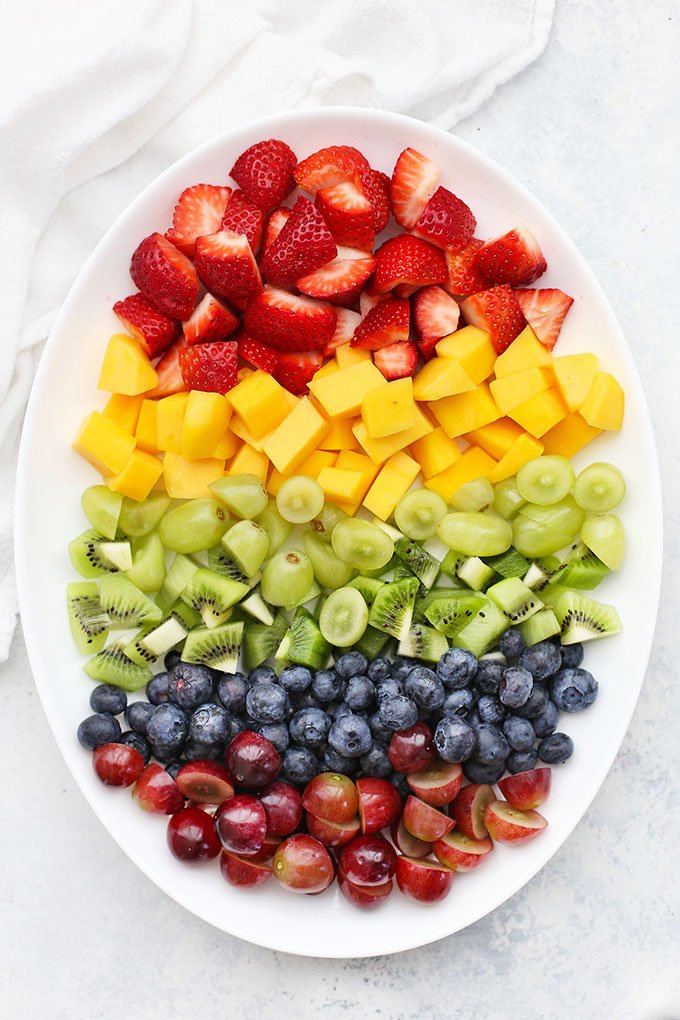
Flavor Profile: Sweet and tart
Why It Works: Bananas provide energy-boosting carbohydrates and potassium, while kiwi adds vitamin C and fiber.
Serving Tip: Layer slices in a small bowl for a visually appealing snack.
10. Melon and Berry Mix
Flavor Profile: Refreshing, sweet, and light
Why It Works: Melons hydrate due to high water content, while berries provide antioxidants and color. This combination is ideal for warm weather and light snacking.
Serving Tip: Chill and serve in a clear bowl to highlight vibrant colors.
Nutritional Insights
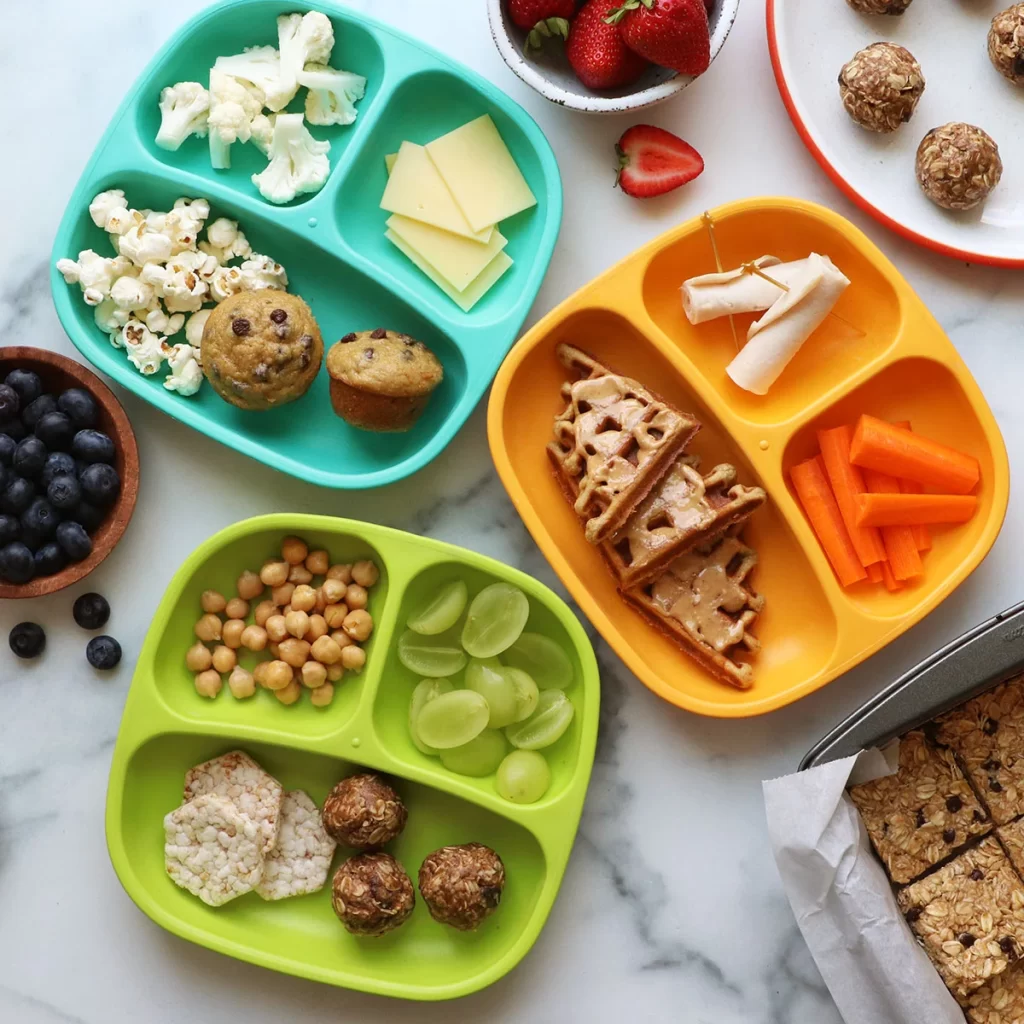
Combining fruits strategically offers multiple health benefits:
- Vitamins and Minerals: Vitamin C, potassium, folate, and vitamin A are common in fruit snacks.
- Fiber: Supports digestion, stabilizes blood sugar, and promotes satiety.
- Antioxidants: Protect cells from oxidative stress, improving overall health.
- Low-Calorie Energy: Fruits provide natural energy without excessive calories or unhealthy fats.
- Hydration: Fruits like watermelon, oranges, and pineapple support fluid balance.
Tips for Preparing Fruit Snacks
- Wash Thoroughly: Remove dirt, pesticides, and residues.
- Cut Evenly: Ensures uniform texture and ease of consumption.
- Serve Fresh: To retain vitamins and prevent oxidation, especially in apples, pears, and bananas.
- Combine Textures and Colors: Visual appeal encourages consumption, especially for children.
- Add Seeds and Nuts (Optional): Chia, flax, or almonds increase protein and healthy fat content.
Creative Ideas to Enhance Fruit Snacks
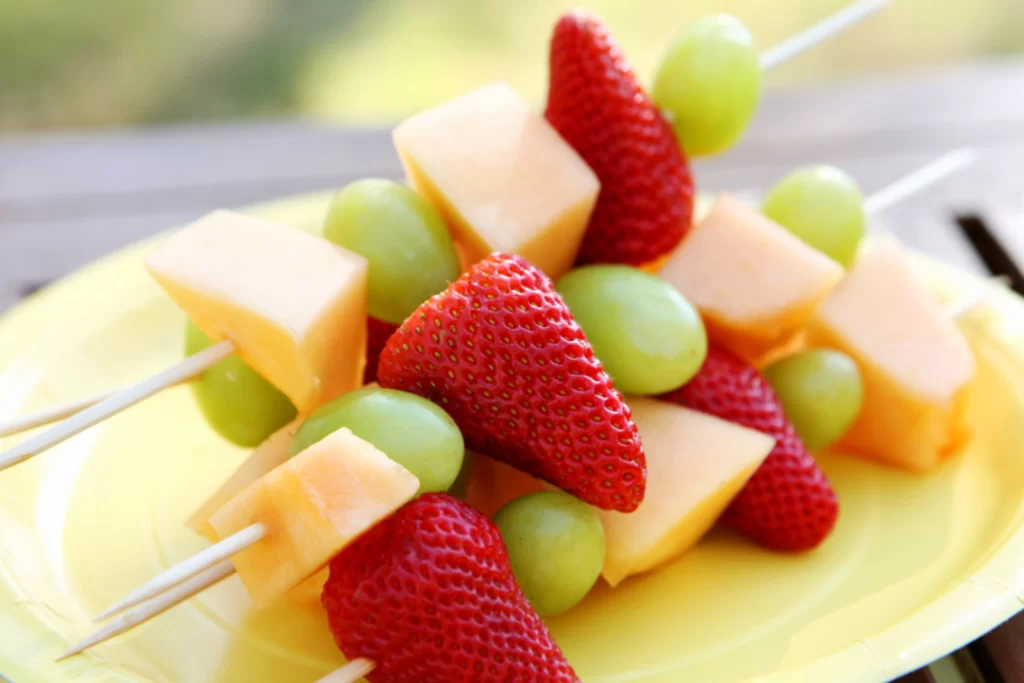
- Fruit Skewers: Thread small fruit cubes onto skewers for fun, portable snacks.
- Chilled Bowls: Combine fruit cubes with a splash of citrus juice and refrigerate for a cooling snack.
- Yogurt Parfaits: Layer fruits with yogurt and granola for a balanced mini-meal.
- Smoothie Bowls: Blend fruit combinations into thick smoothies and top with fresh fruit, seeds, or nuts.
- Frozen Treats: Freeze fruit chunks or mix into popsicles for healthy summer snacks.
Common Mistakes to Avoid
- Over-Sweetening: Avoid adding refined sugar; natural fruit sweetness is sufficient.
- Ignoring Seasonality: Out-of-season fruits may lack flavor and nutrients.
- Overmixing: For fruit salads, mix gently to preserve texture and prevent mushiness.
- Skipping Storage Considerations: Some fruits oxidize quickly—serve or store properly to maintain freshness.
Cultural and Global Perspectives
Fruits and fruit combinations have long been part of traditional diets:
- Mediterranean: Fresh figs, grapes, and citrus are often eaten together or paired with nuts.
- Asian: Mango, papaya, and lychee appear in salads and desserts.
- Latin American: Pineapple, watermelon, and berries are common snacks.
- Western: Fruit bowls and yogurt parfaits emphasize seasonal fruits and nuts.
These traditions highlight the universal appeal of combining fruits for health, flavor, and convenience.
Conclusion
Healthy snacks are vital for maintaining energy, nutrition, and overall wellness throughout the day. Fruits, when thoughtfully combined, provide a natural, delicious, and nutrient-rich solution. By balancing flavors, textures, and nutritional benefits, fruit combinations can be more than simple snacks—they can become vibrant, visually appealing, and satisfying meals in themselves.
From classic pairings like apple and banana to tropical mixes of pineapple, mango, and kiwi, there is virtually no limit to creative, vegetarian-friendly fruit combinations. Incorporating these combinations into daily routines promotes hydration, supports digestion, boosts immunity, and delivers essential vitamins and minerals.
Ultimately, exploring the best fruit combinations encourages mindful eating, celebrates seasonal produce, and transforms snacking into a pleasurable, nourishing experience. With a little planning and creativity, fruit snacks can become both an enjoyable treat and a cornerstone of a healthy diet.