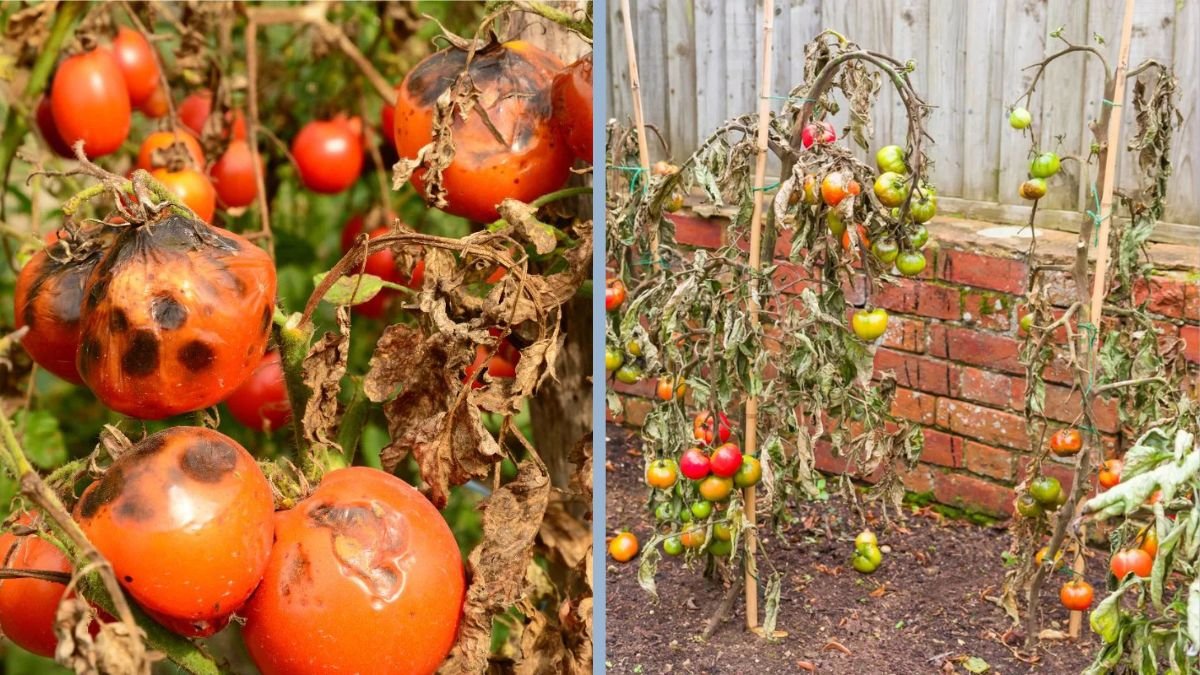
Tomatoes are one of the most popular and rewarding vegetables to grow in home gardens. However, tomato plants are highly susceptible to diseases, with tomato blight being one of the most destructive. Blight can cause significant yield loss and weaken plants, making them more vulnerable to other pests and diseases. The good news is that tomato blight is largely preventable through proper garden management, cultural practices, and natural remedies. This article explores effective strategies to prevent tomato blight and maintain healthy, productive plants in your garden.
Understanding Tomato Blight
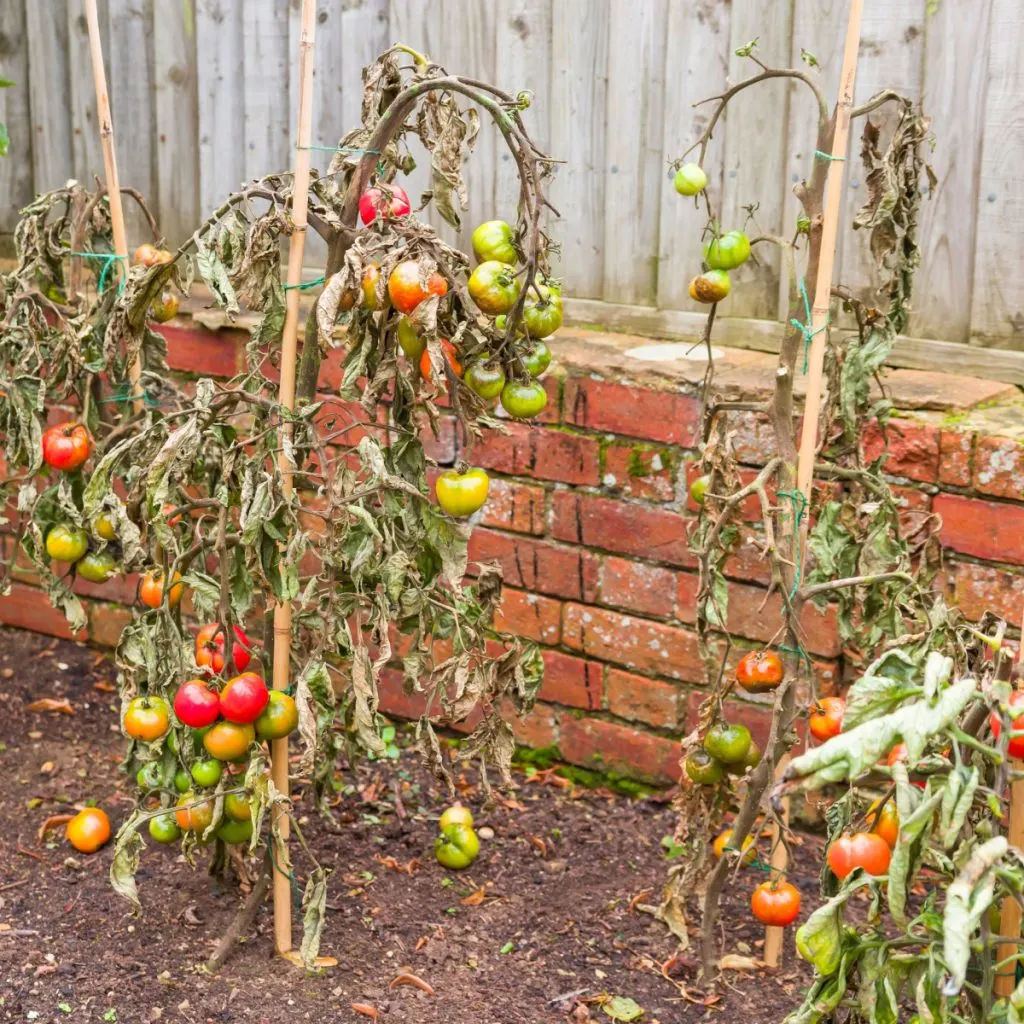
Tomato blight is primarily caused by two fungal-like pathogens: early blight (Alternaria solani) and late blight (Phytophthora infestans). Both affect leaves, stems, and fruits, but they differ in timing and appearance:
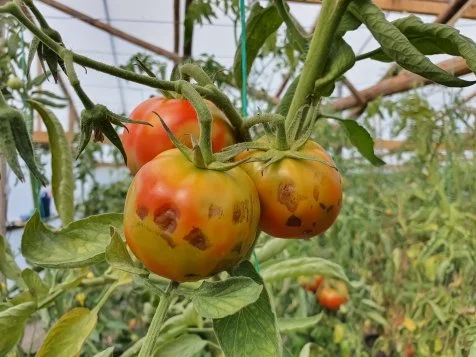
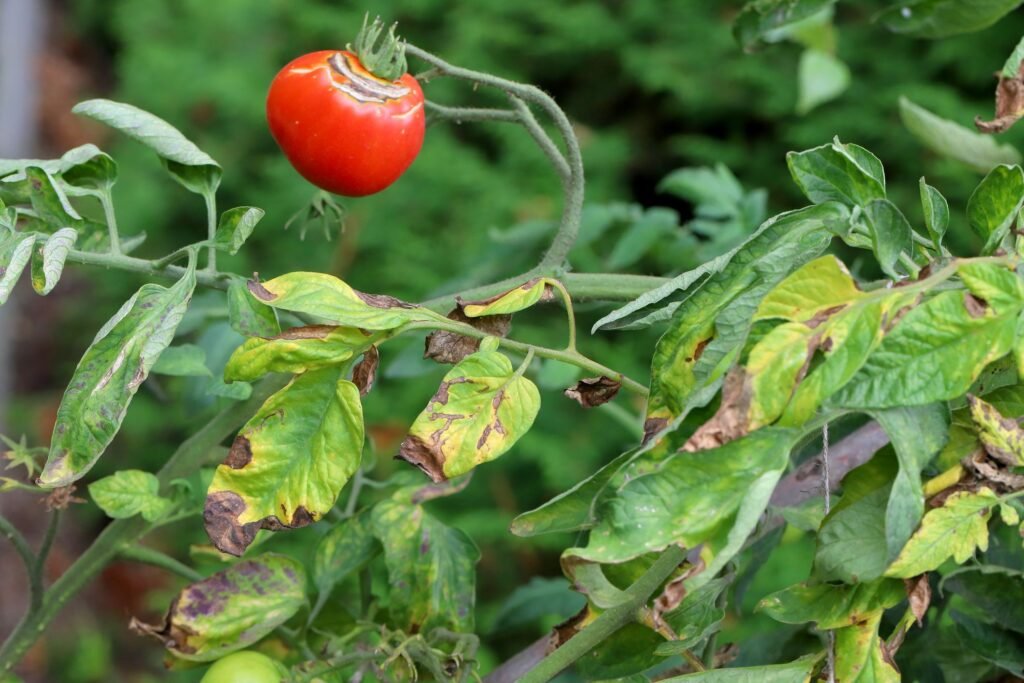
- Early Blight: Often occurs in older leaves first. Symptoms include brown spots with concentric rings and yellowing around the lesions. It progresses slowly and can defoliate plants over time.
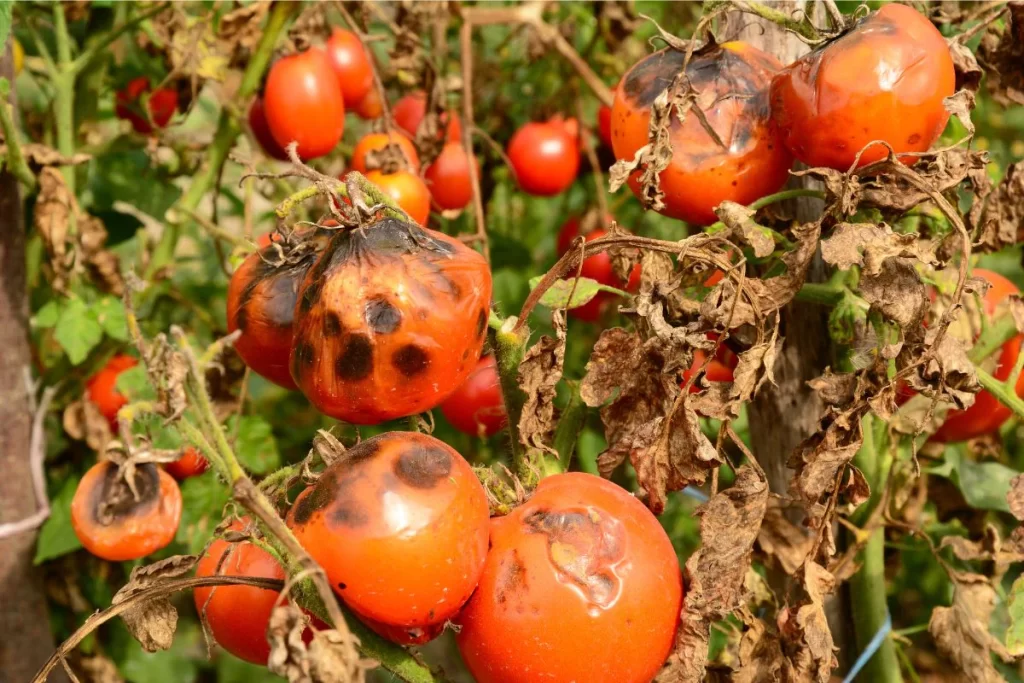
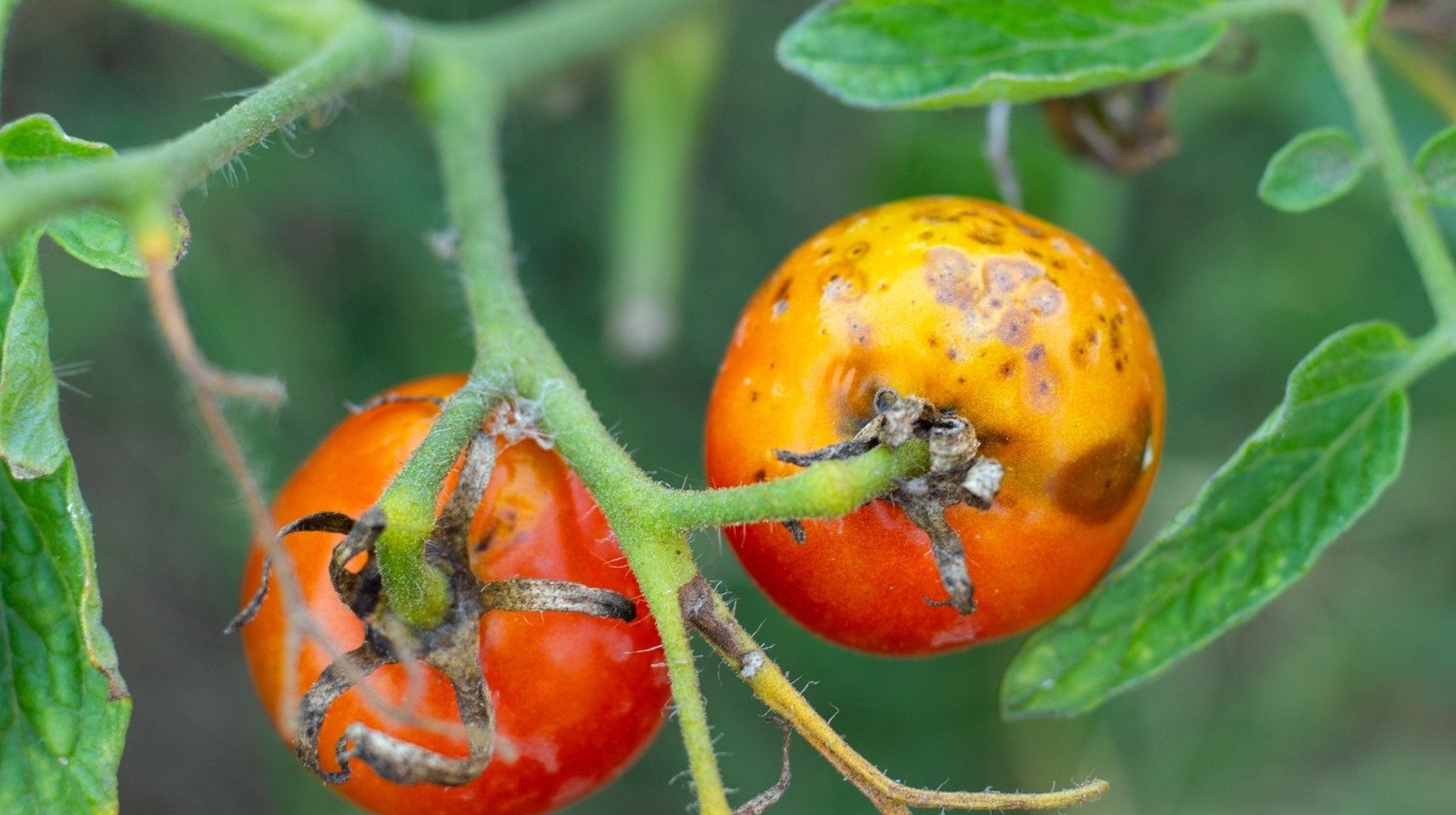
- Late Blight: Appears suddenly, usually during wet, humid conditions. Leaves show dark, water-soaked patches that rapidly spread, sometimes covering the entire plant. Fruits develop brown, firm spots, and stems may collapse.
Understanding these pathogens’ life cycles helps gardeners implement effective prevention strategies. Both fungi thrive in moist conditions and spread through splashing water, contaminated tools, and infected plant debris.
1. Choosing Resistant Varieties
One of the most effective ways to prevent tomato blight is by selecting resistant or tolerant varieties. Plant breeders have developed tomato cultivars specifically to withstand early and late blight.
- Early Blight Resistant Varieties: ‘Celebrity’, ‘Mountain Magic’, ‘Iron Lady’
- Late Blight Resistant Varieties: ‘Defiant’, ‘Mountain Merit’, ‘Plum Regal’
Using resistant varieties reduces the need for chemical fungicides and provides a strong foundation for a healthy garden. Always check seed packets or plant labels for blight resistance information before planting.
2. Practicing Crop Rotation
Crop rotation is an essential cultural practice that prevents the buildup of soil-borne pathogens. Planting tomatoes in the same location year after year encourages blight and other diseases to persist.
- Rotate tomatoes with non-solanaceous crops such as beans, corn, or leafy greens.
- Avoid planting tomatoes, peppers, potatoes, or eggplants in the same bed for at least 2–3 years.
Rotation disrupts the pathogen life cycle, reduces soil inoculum, and improves overall soil health, creating a less favorable environment for blight to thrive.
3. Proper Spacing and Pruning
Dense planting and poor airflow create humid microclimates that favor blight development. To minimize risk:
- Space plants adequately: Maintain at least 18–24 inches between tomato plants.
- Prune lower leaves: Remove leaves that touch the soil or are shaded, which reduces moisture accumulation.
- Stake or cage plants: Keeping vines off the ground prevents soil-borne spores from reaching leaves and fruits.
These practices improve sunlight penetration, reduce humidity around foliage, and limit conditions favorable for fungal growth.
4. Watering Practices
Excessive or improper watering contributes significantly to tomato blight. Pathogens thrive on wet leaves, and splashing water spreads spores. Preventive watering strategies include:
- Drip Irrigation or Soaker Hoses: Deliver water directly to the soil rather than wetting leaves.
- Water Early in the Day: Allows foliage to dry quickly, reducing fungal infection risk.
- Avoid Overhead Sprinklers: Minimize water splashing, which can carry spores from soil to leaves.
- Mulching: Organic mulch such as straw, wood chips, or shredded leaves creates a barrier between soil and plants while retaining soil moisture.
Consistent soil moisture without wetting foliage is key to preventing blight outbreaks.
5. Soil Health and Nutrition
Healthy soil produces resilient tomato plants that are less susceptible to blight. Nutrient deficiencies or imbalances weaken plant defenses. To maintain strong plants:
- Compost Application: Incorporate well-rotted compost to improve soil structure, water retention, and nutrient availability.
- Organic Fertilizers: Use plant-based fertilizers such as seaweed extract, kelp meal, or alfalfa meal to provide essential micronutrients.
- Balanced Nutrients: Ensure adequate nitrogen, phosphorus, and potassium. Excess nitrogen promotes lush foliage but may increase disease susceptibility; balance is key.
Healthy, well-fed plants can resist infection and recover more effectively if blight occurs.
6. Mulching and Ground Cover
Mulching is an essential preventive measure against tomato blight. It serves multiple purposes:
- Prevents soil-borne spores from splashing onto leaves during rain or watering.
- Maintains consistent soil moisture and regulates temperature.
- Reduces weed competition, which can harbor pests and diseases.
Materials such as straw, grass clippings, or shredded leaves are effective mulches. Apply a 2–3 inch layer around the base of the plants while keeping mulch away from direct contact with stems to prevent rot.
7. Sanitation and Garden Hygiene
Blight pathogens can survive in plant debris, making sanitation critical:
- Remove Infected Plant Material: At the first sign of blight, prune and dispose of affected leaves and stems. Do not compost diseased material, as spores can survive.
- Clean Tools Regularly: Wash pruning shears and stakes with a mild bleach solution between uses to prevent cross-contamination.
- End-of-Season Cleanup: Remove all tomato plants at the end of the season to reduce overwintering inoculum.
Maintaining cleanliness reduces pathogen reservoirs, decreasing the likelihood of future infections.
8. Natural Remedies and Preventive Sprays
While prevention is best, gardeners can use natural sprays as additional protection:
- Neem Oil: A plant-based oil that disrupts fungal growth. Apply every 7–14 days as a preventive measure.
- Baking Soda Solution: A mixture of baking soda and water can create an alkaline environment on leaves, discouraging fungal growth.
- Copper-Based Organic Fungicides: Approved for organic gardening, copper sprays can help prevent blight without harming the environment.
- Seaweed Extracts: Improve plant vigor and enhance natural disease resistance.
Apply sprays early in the season before blight appears, focusing on the undersides of leaves and new growth for maximum effectiveness.
9. Monitoring and Early Detection
Early detection is crucial to preventing the spread of tomato blight. Regularly inspect plants for symptoms:
- Brown or dark water-soaked spots on leaves, stems, or fruit.
- Yellowing foliage starting at the bottom of the plant.
- Rapid leaf collapse during humid, wet conditions.
Identifying problems early allows gardeners to remove affected parts and apply preventive treatments before the disease spreads extensively.
10. Companion Planting for Disease Resistance
Certain companion plants can improve tomato plant health and reduce the risk of blight:
- Basil: Enhances tomato growth and may repel some pathogens.
- Marigolds: Discourage soil-borne pathogens and nematodes.
- Garlic and Onions: Emit natural compounds that may reduce fungal infections.
Companion planting supports biodiversity, improves soil health, and creates a more resilient garden ecosystem.
Conclusion
Preventing tomato blight requires a combination of careful planning, proper cultural practices, and natural interventions. By choosing resistant varieties, practicing crop rotation, ensuring proper spacing and pruning, managing water efficiently, and maintaining soil health, gardeners can significantly reduce the risk of blight. Complementary measures such as mulching, sanitation, natural sprays, and companion planting further enhance plant resilience.
Adopting these preventive strategies not only protects tomato plants but also promotes sustainable, eco-friendly gardening practices. With vigilance, patience, and attention to detail, gardeners can enjoy healthy, productive tomato crops free from the devastating effects of blight.