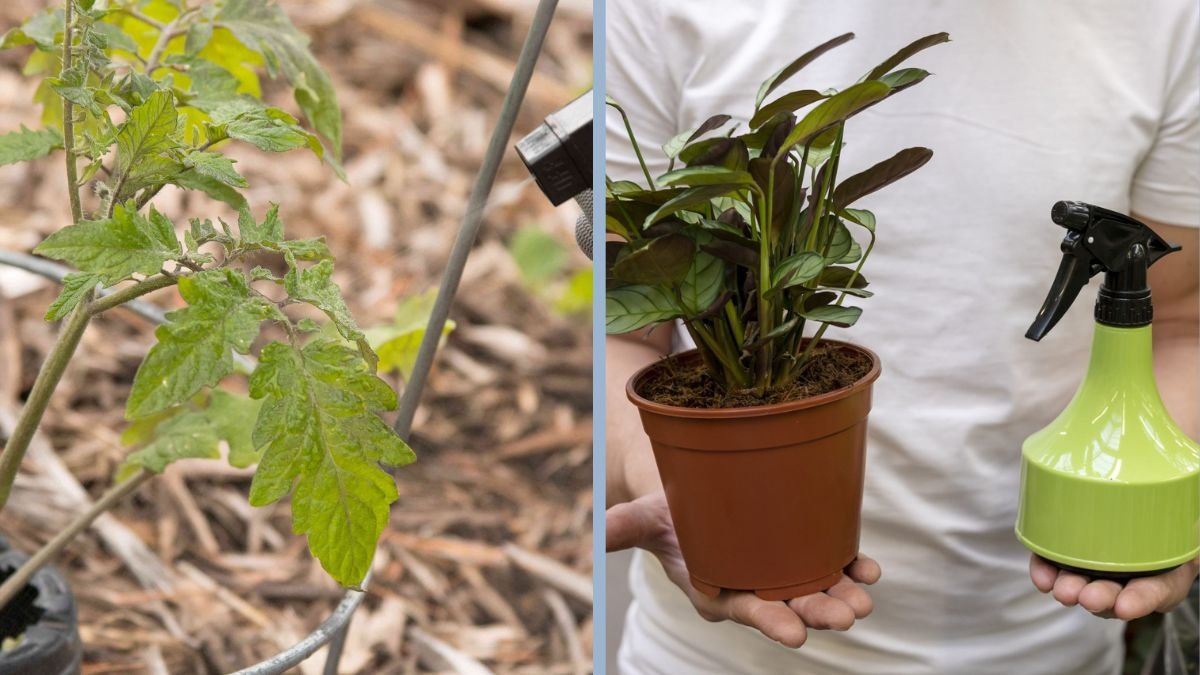
Kitchen gardens are increasingly popular as people seek fresh, healthy, and chemical-free vegetables and herbs. However, maintaining a thriving garden without synthetic pesticides requires knowledge of organic sprays that can prevent and control pests and diseases effectively. Organic sprays are derived from natural sources and are safe for humans, pets, and beneficial insects while promoting ecological balance. This article explores the best organic sprays for kitchen gardens, their preparation, uses, and benefits.
Understanding Organic Sprays
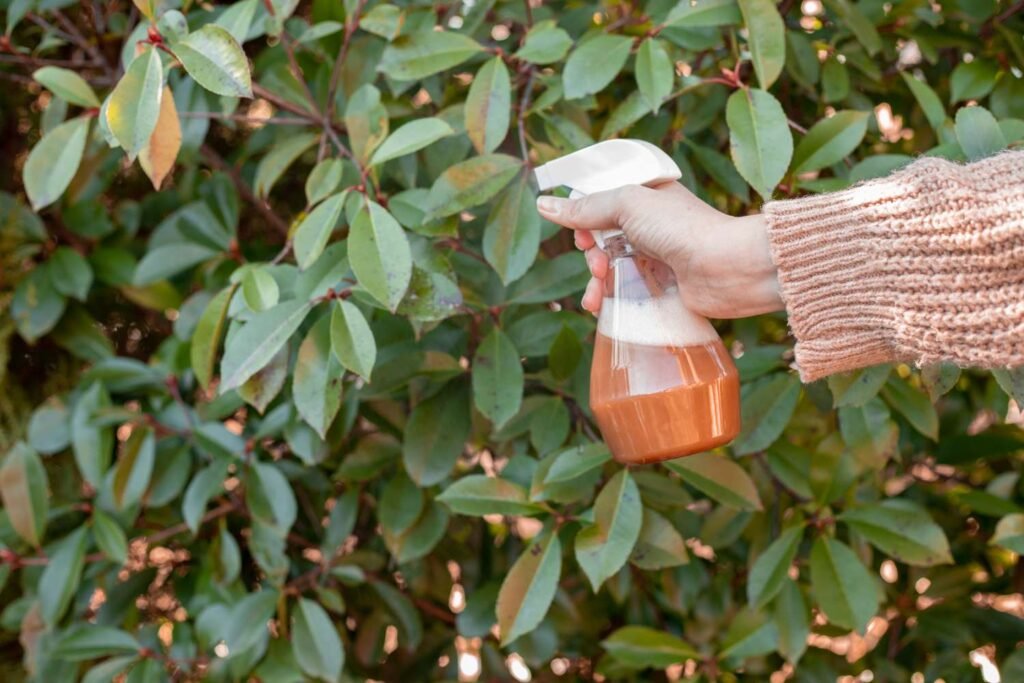
Organic sprays are plant-based or naturally occurring solutions that help control insects, fungi, bacteria, and other pests in the garden. Unlike chemical pesticides, organic sprays:
- Are non-toxic to humans and animals.
- Do not leave harmful residues on vegetables.
- Promote beneficial insect populations such as ladybugs and bees.
- Support sustainable gardening practices.
Using organic sprays requires regular application, careful timing, and proper preparation to achieve maximum effectiveness. They work best as part of an integrated pest management system, combined with crop rotation, companion planting, mulching, and proper watering practices.
1. Neem Oil Spray
Neem oil, derived from the seeds of the neem tree, is one of the most widely used organic sprays. It contains azadirachtin, a compound that disrupts insect growth, feeding, and reproduction.
Uses in Kitchen Gardens:
- Controls aphids, whiteflies, mealybugs, and caterpillars.
- Prevents fungal infections such as powdery mildew and rust.
- Can be applied to most vegetables including tomatoes, cucumbers, peppers, and leafy greens.
Preparation:
- Mix 2 teaspoons of neem oil with 1 liter of water and a few drops of mild liquid soap.
- Shake well and spray on both the upper and lower surfaces of leaves.
- Apply every 7–10 days or after heavy rainfall.
Benefits:
- Safe for humans, pets, and pollinators.
- Acts as both a preventive and curative treatment.
- Improves overall plant health by reducing pest pressure naturally.
2. Garlic Spray
Garlic contains allicin, a natural compound that repels insects and some fungal pathogens. Garlic spray is a versatile and easy-to-make organic option for kitchen gardens.
Uses:
- Repels aphids, beetles, caterpillars, and nematodes.
- Provides mild antifungal properties, reducing mildew and leaf spot infections.
- Works on vegetables like lettuce, tomatoes, cucumbers, and herbs.
Preparation:
- Crush 5–6 garlic cloves and soak in 1 liter of water for 24 hours.
- Strain and add a few drops of liquid soap as an emulsifier.
- Spray on affected plants every week for prevention.
Benefits:
- Readily available and inexpensive.
- Non-toxic and safe for regular consumption of vegetables.
- Encourages ecological balance by leaving beneficial insects unharmed.
3. Chili Pepper Spray
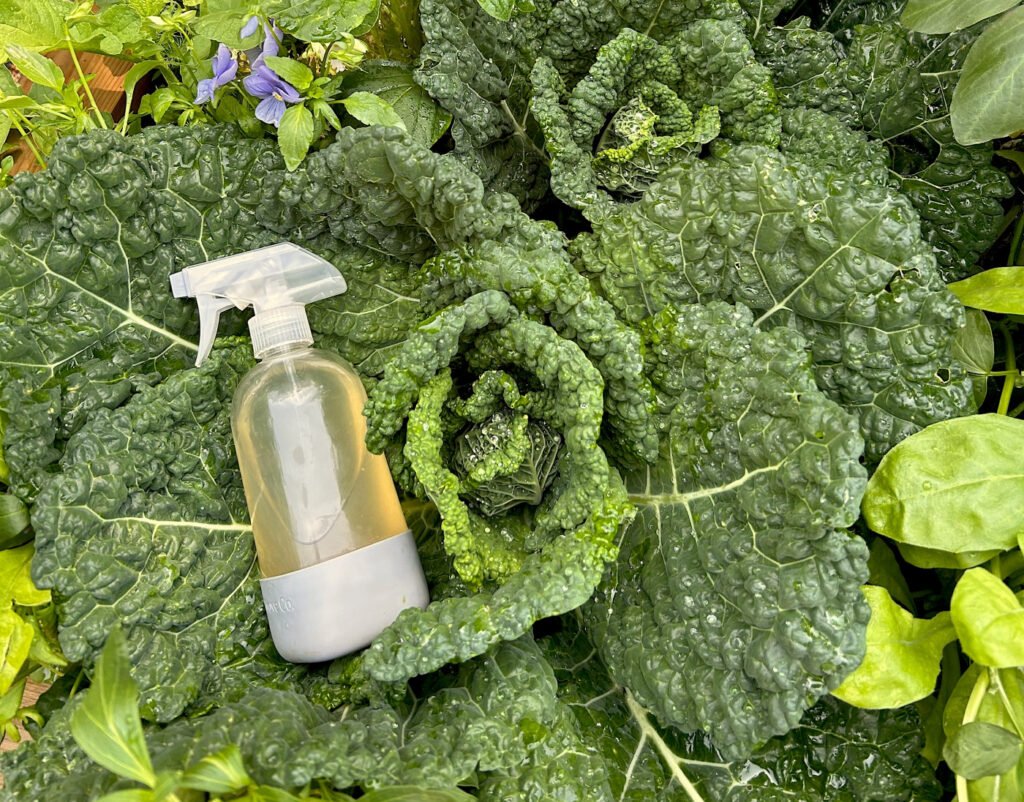
Chili peppers contain capsaicin, which irritates insect mouths and discourages feeding. Chili pepper spray is particularly effective against chewing insects.
Uses:
- Repels caterpillars, beetles, and leaf-eating insects.
- Can be used on tomato, cabbage, spinach, and other leafy vegetables.
Preparation:
- Blend 5–6 fresh chili peppers with 1 liter of water.
- Strain and add 1 teaspoon of mild liquid soap to help the spray adhere to leaves.
- Spray early in the morning or evening to avoid leaf burn.
Benefits:
- Effective natural deterrent for many garden pests.
- Safe for humans and pets when diluted correctly.
- Can be combined with neem or garlic for enhanced effect.
4. Soap Spray
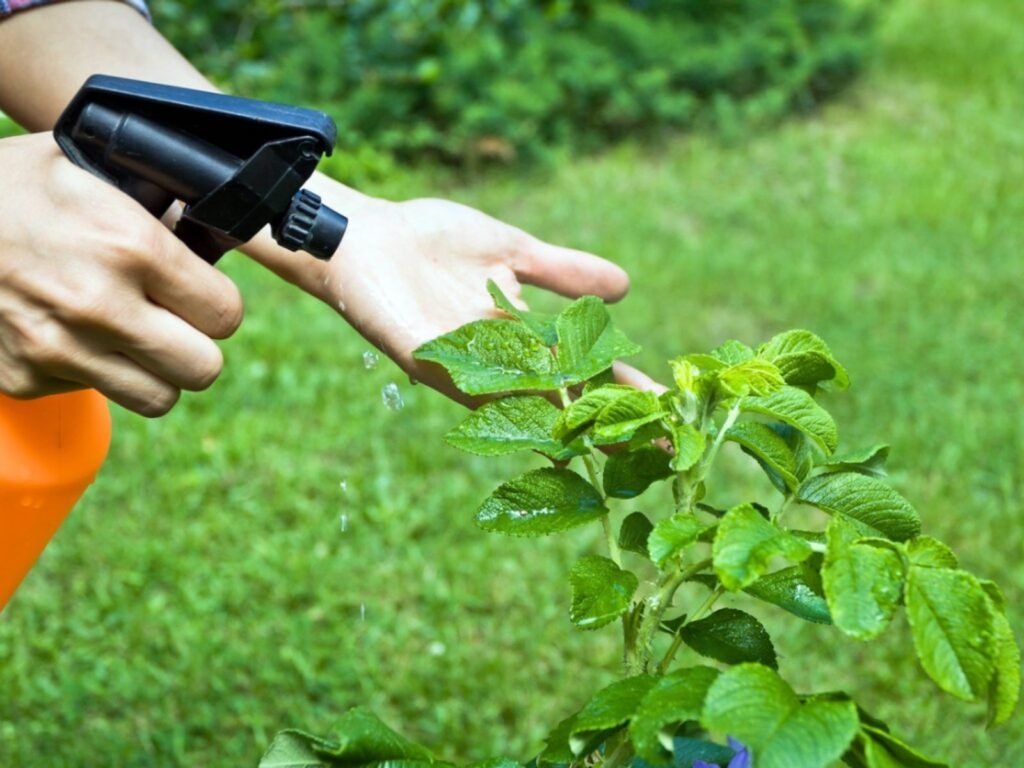
Mild liquid soap is one of the simplest organic sprays for controlling soft-bodied pests. It works by suffocating insects and removing their protective coatings.
Uses:
- Effective against aphids, whiteflies, mealybugs, and spider mites.
- Suitable for all vegetables, including leafy greens and herbs.
Preparation:
- Mix 1–2 teaspoons of mild, biodegradable soap in 1 liter of water.
- Spray directly on pests, ensuring coverage of both upper and lower leaf surfaces.
- Apply every 4–7 days or after rainfall.
Benefits:
- Extremely safe and inexpensive.
- Non-toxic to beneficial insects when applied carefully.
- Works well in combination with neem oil for increased effectiveness.
5. Baking Soda Spray
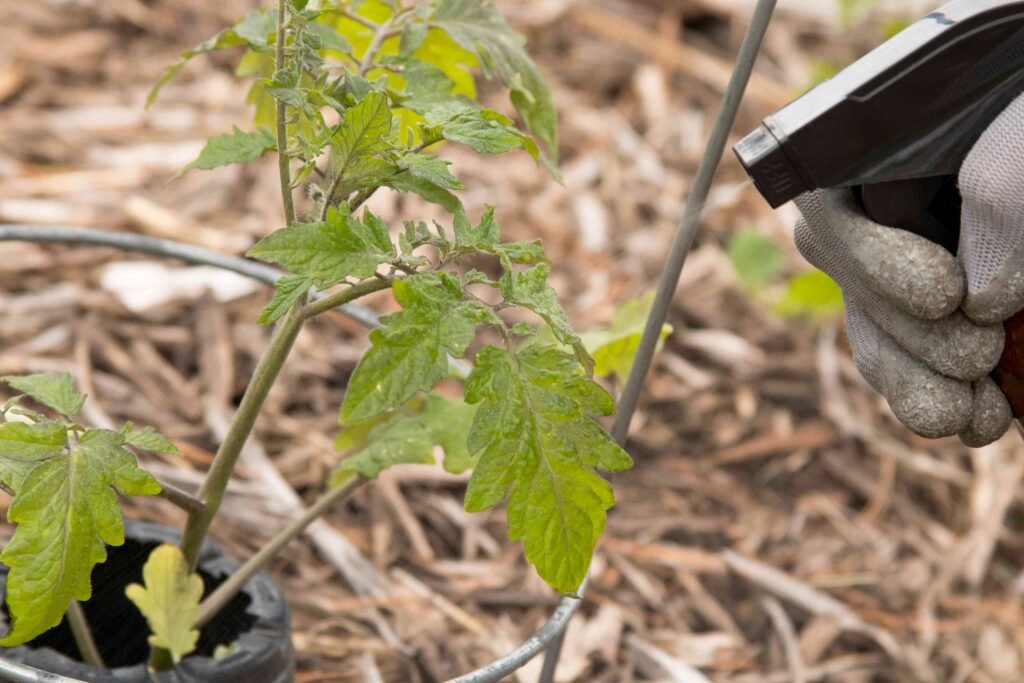
Baking soda (sodium bicarbonate) is an effective organic remedy for fungal infections in kitchen gardens. It works by altering leaf surface pH, making conditions unfavorable for fungal growth.
Uses:
- Controls powdery mildew, downy mildew, and leaf spot diseases.
- Suitable for tomatoes, cucumbers, beans, squash, and peppers.
Preparation:
- Mix 1 teaspoon of baking soda, 1 teaspoon of vegetable oil, and a few drops of mild soap in 1 liter of water.
- Shake well and spray weekly on affected plants, especially under leaves.
Benefits:
- Safe for humans and the environment.
- Can be used preventively to reduce disease spread.
- Helps maintain plant vigor by limiting fungal infections.
6. Horsetail Tea Spray
Horsetail (Equisetum arvense) is a natural source of silica, which strengthens plant tissues and reduces susceptibility to fungal infections.
Uses:
- Controls powdery mildew and other fungal diseases.
- Enhances stem and leaf strength, improving resistance to pests and diseases.
Preparation:
- Steep 100 grams of dried horsetail in 1 liter of boiling water for 24 hours.
- Strain and spray on affected plants weekly.
Benefits:
- Improves overall plant health and resilience.
- 100% natural and safe for consumption.
- Encourages stronger growth in vegetable stems and leaves.
7. Seaweed Extract Spray
Seaweed is rich in micronutrients and growth hormones that boost plant immunity and stress tolerance. It is primarily preventive but also improves overall plant health.
Uses:
- Reduces susceptibility to pests and diseases.
- Promotes robust growth, flowering, and fruiting in vegetables.
Preparation:
- Dilute 50 ml of liquid seaweed extract in 1 liter of water.
- Spray on leaves and stems every 2–3 weeks.
Benefits:
- Improves soil health and nutrient uptake.
- Strengthens plant defenses naturally.
- Non-toxic and suitable for all vegetables, herbs, and edible plants.
Best Practices for Using Organic Sprays
To maximize effectiveness, gardeners should follow these best practices:
- Apply Preventively: Early and regular application is more effective than treating after severe infestations.
- Spray in the Morning or Evening: Avoid spraying under direct sunlight to prevent leaf burn.
- Target Both Sides of Leaves: Many pests hide on the undersides, so ensure full coverage.
- Rotate Sprays: Using different organic sprays in rotation prevents pests from developing resistance.
- Combine with Cultural Practices: Crop rotation, companion planting, mulching, and proper watering improve spray effectiveness.
Benefits of Using Organic Sprays
Using organic sprays in kitchen gardens offers multiple advantages:
- Health and Safety: No harmful chemicals are present on the harvested vegetables.
- Environmental Protection: Organic sprays preserve soil health, water quality, and beneficial insects.
- Sustainable Gardening: Reduces reliance on synthetic pesticides, encouraging eco-friendly gardening.
- Enhanced Plant Health: Many organic sprays also provide nutrients and strengthen plant immunity.
Conclusion
Organic sprays are essential tools for maintaining healthy, productive kitchen gardens. Neem oil, garlic, chili, soap, baking soda, horsetail tea, and seaweed extracts provide safe and effective solutions against pests and diseases. When combined with preventive gardening practices such as crop rotation, proper watering, mulching, and companion planting, these sprays can significantly reduce pest pressure and improve vegetable yield.
Adopting organic sprays ensures that gardeners grow fresh, nutritious, and chemical-free vegetables while supporting sustainable and environmentally friendly gardening practices. With knowledge, careful observation, and consistent application, anyone can maintain a thriving kitchen garden naturally and safely.