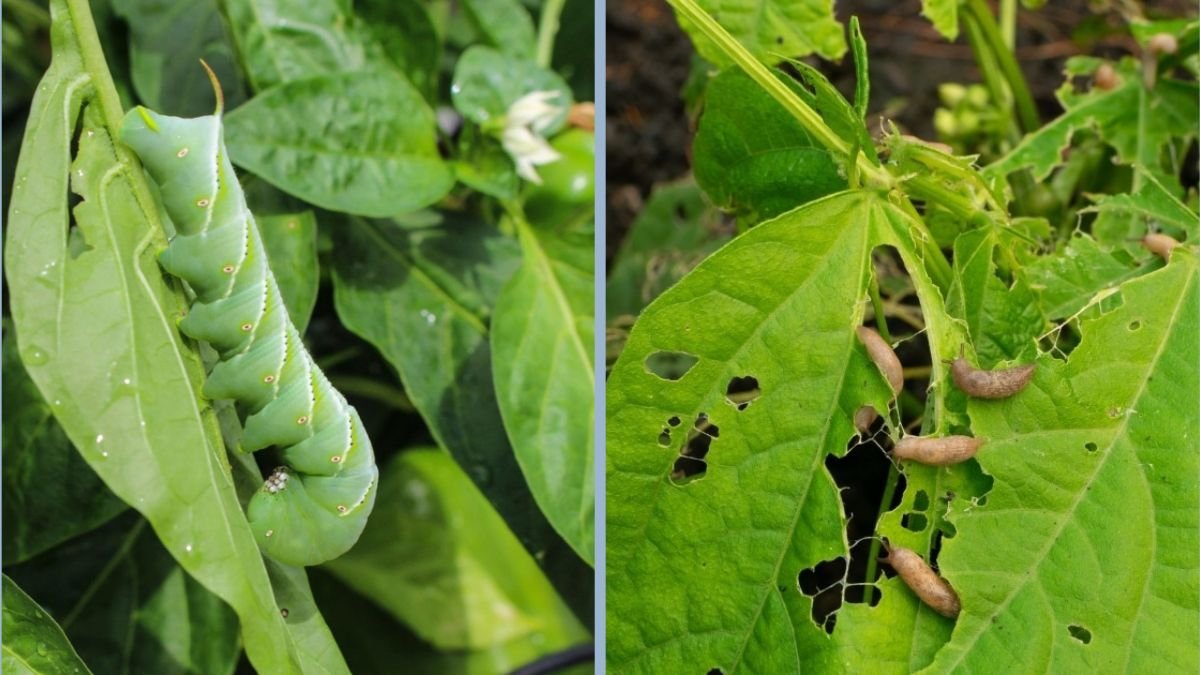
Vegetable gardening can be highly rewarding, providing fresh, nutritious produce for the table. However, pests are one of the biggest challenges for gardeners, as they can damage leaves, stems, and fruits, reducing yields and plant health. While chemical pesticides are available, they can harm the environment, beneficial insects, and even human health. Fortunately, there are numerous natural, plant-based methods to control garden pests effectively. This article explores seven common vegetable garden pests and provides strategies to manage them without using non-vegetarian or chemical solutions.
1. Aphids
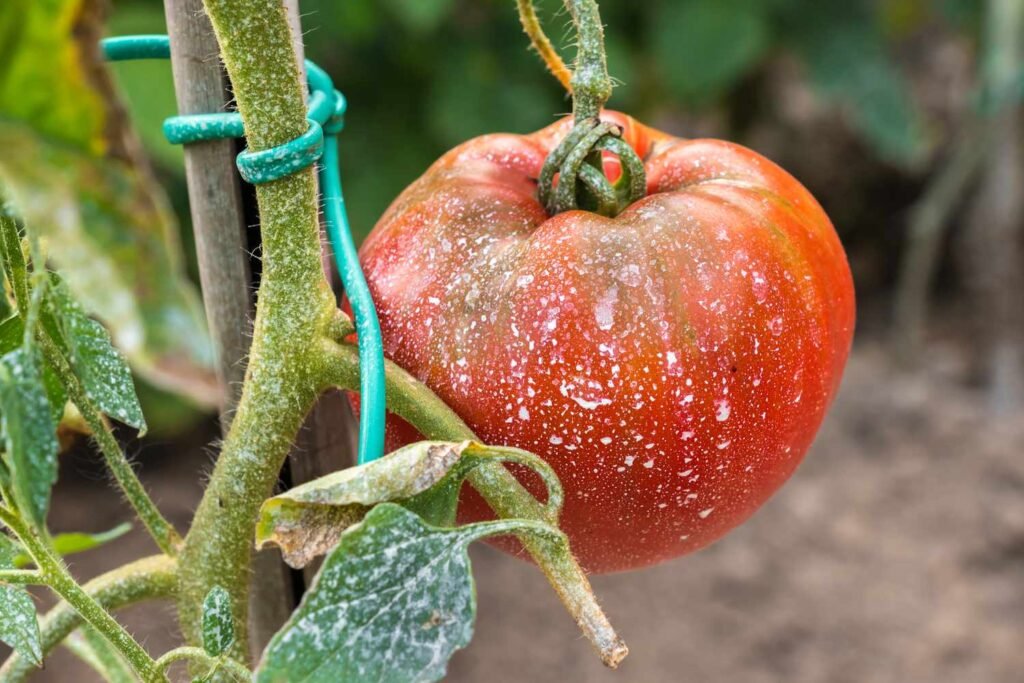
Aphids are small, soft-bodied insects that cluster on the undersides of leaves and stems. They suck plant sap, causing leaves to curl, yellow, and weaken. Aphids also excrete a sticky substance called honeydew, which can attract fungal growth such as sooty mold.
How to Fix Aphids:
- Neem Oil Spray: Mix 2 teaspoons of neem oil with 1 liter of water and a few drops of biodegradable soap. Spray on affected leaves weekly to disrupt aphid reproduction.
- Soap and Water Spray: A mild soap solution (1–2 teaspoons per liter of water) dislodges aphids and suffocates them.
- Companion Planting: Plant herbs like basil, mint, or chives near vegetables. These plants repel aphids naturally.
- Encourage Beneficial Insects: Ladybugs and lacewings feed on aphids. Plant flowers like dill, fennel, or yarrow to attract these natural predators.
Early detection is critical, as aphids reproduce rapidly and can overwhelm a garden in a short time.
2. Caterpillars
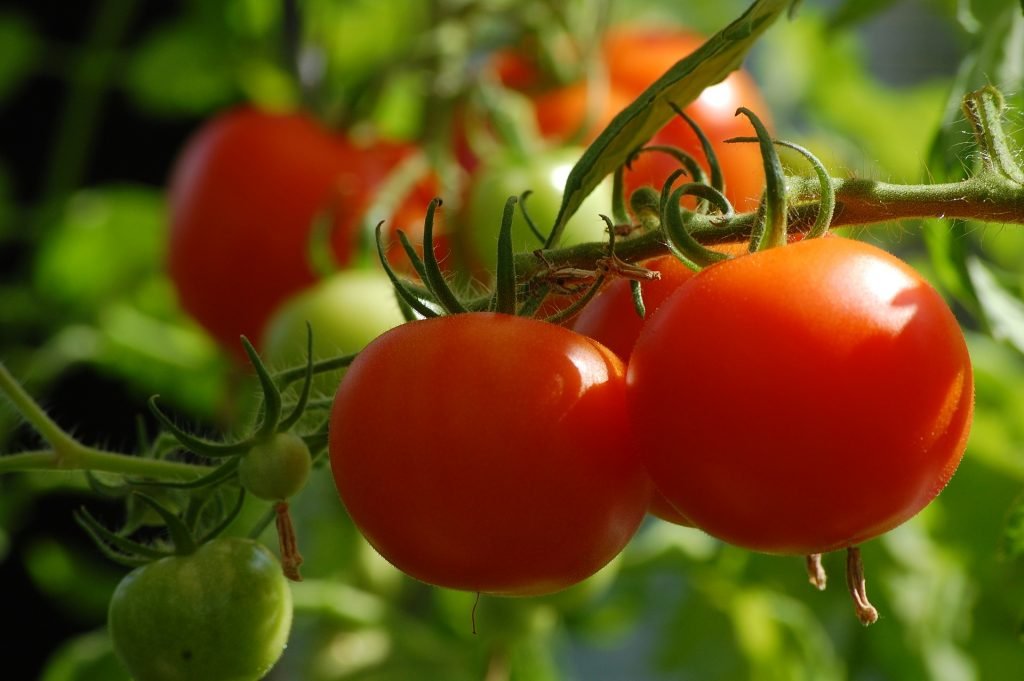
Caterpillars, the larvae of butterflies and moths, chew holes in leaves and fruits. Common species include cabbage loopers, tomato hornworms, and armyworms.
How to Fix Caterpillars:
- Handpicking: Remove caterpillars manually and place them away from the garden.
- Neem Oil Spray: Neem oil disrupts caterpillar growth and feeding patterns.
- Bacillus thuringiensis (Bt): A naturally occurring soil bacterium safe for plants and humans, Bt targets caterpillars without harming beneficial insects.
- Companion Planting: Nasturtiums act as trap crops, attracting caterpillars away from valuable vegetables.
Maintaining vigilance and checking plants regularly helps prevent caterpillar damage from spreading.
3. Slugs and Snails
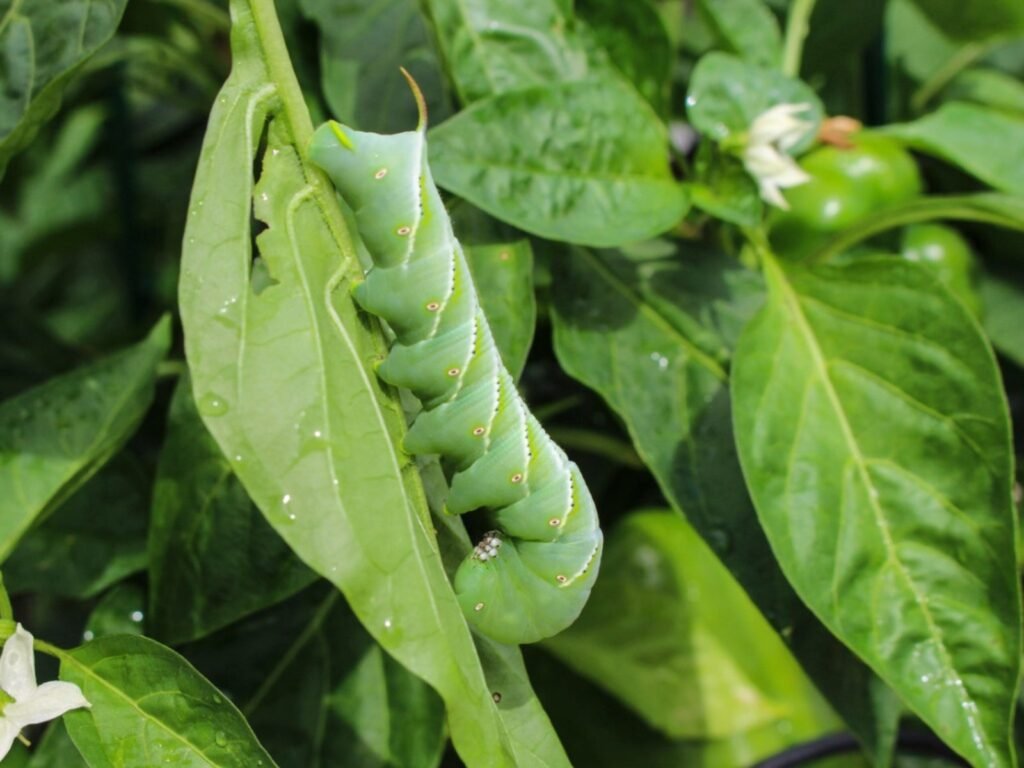
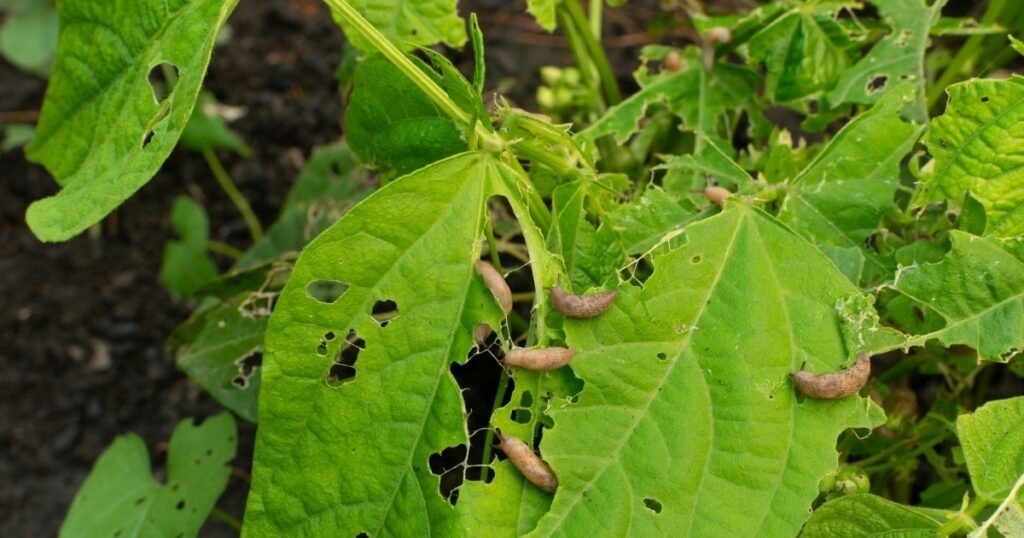
Slugs and snails are common pests in damp environments, feeding on tender leaves, seedlings, and fruits. They leave irregular holes and slime trails, often causing severe damage overnight.
How to Fix Slugs and Snails:
- Copper Barriers: Place copper tape around pots or raised beds; slugs avoid crossing copper surfaces.
- Beer Traps: Bury small containers with beer at soil level; slugs are attracted and drown.
- Mulching Alternatives: Use dry mulch such as straw or wood chips to deter slugs, as they prefer moist surfaces.
- Hand Removal: Regularly inspect the garden in the evening or early morning and remove slugs manually.
Slugs thrive in damp, shaded areas, so improving drainage and sunlight penetration can reduce their presence.
4. Whiteflies
Whiteflies are tiny, white-winged insects that cluster on the undersides of leaves. They suck plant sap, causing yellowing and stunted growth. Whiteflies also transmit viral diseases between plants.
How to Fix Whiteflies:
- Sticky Traps: Bright yellow sticky cards attract and trap adult whiteflies.
- Neem Oil Spray: Disrupts feeding and reproduction of whiteflies.
- Soap Spray: Soft-bodied insects are sensitive to mild soap solutions.
- Encourage Natural Predators: Ladybugs, lacewings, and predatory wasps feed on whiteflies.
Early intervention prevents whiteflies from multiplying and spreading disease to other plants.
5. Leaf Miners
Leaf miners are small larvae that tunnel between the upper and lower surfaces of leaves, creating visible trails. Infested leaves can lose photosynthetic ability, reducing plant vigor.
How to Fix Leaf Miners:
- Remove Affected Leaves: Prune and dispose of leaves showing trails to prevent larvae from maturing.
- Neem Oil Spray: Effective against leaf miner larvae.
- Beneficial Insects: Parasitic wasps lay eggs inside leaf miner larvae, controlling populations naturally.
- Floating Row Covers: Prevent adult flies from laying eggs on leaves.
Combining preventive and curative measures keeps leaf miner populations under control.
6. Spider Mites
Spider mites are tiny arachnids that feed on plant sap, often forming fine webs on leaves. Infested leaves appear yellow, speckled, and may drop prematurely.
How to Fix Spider Mites:
- Water Spray: High-pressure water jets dislodge mites from leaves.
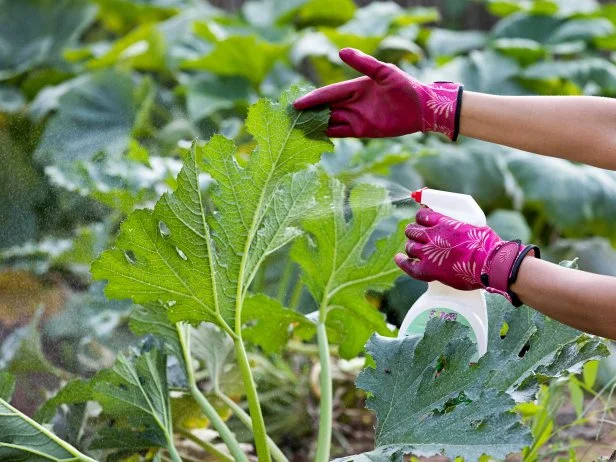
- Neem Oil or Soap Spray: Neem oil interferes with mite growth, while soap spray suffocates them.
- Companion Planting: Herbs such as cilantro and dill attract predatory insects that feed on spider mites.
- Maintain Humidity: Spider mites thrive in dry conditions; misting plants regularly can deter them.
Early detection is important because spider mites reproduce rapidly, especially in hot, dry weather.
7. Cutworms
Cutworms are larvae that feed on seedlings at or near soil level, cutting through stems and causing young plants to collapse.
How to Fix Cutworms:
- Collars Around Seedlings: Place cardboard or paper collars around seedlings to prevent cutworms from reaching stems.
- Hand Removal: Inspect soil surface around seedlings and remove larvae.
- Neem Oil Soil Drench: Apply diluted neem oil to the soil near seedlings to disrupt cutworm activity.
- Clean Garden Debris: Remove plant debris and weeds where cutworms hide during the day.
Cutworms are particularly destructive in early spring when seedlings are most vulnerable, so preventive measures are crucial.
Integrated Pest Management (IPM) Approach
While each pest can be managed individually, combining strategies into an Integrated Pest Management (IPM) approach is the most effective. IPM emphasizes prevention, early detection, and ecological balance. Key IPM strategies include:
- Regular Monitoring: Inspect plants daily or weekly for early signs of infestation.
- Cultural Practices: Rotate crops, prune plants, maintain proper spacing, and ensure soil health.
- Biological Controls: Encourage beneficial insects, nematodes, and microorganisms that naturally suppress pests.
- Mechanical Controls: Use physical barriers, traps, and hand removal to reduce pest populations.
- Organic Sprays: Apply neem oil, soap sprays, or plant-based deterrents as a last resort when infestations occur.
By combining multiple methods, gardeners can effectively control pests while minimizing environmental impact and maintaining healthy, productive vegetable gardens.
Benefits of Natural Pest Control
Using plant-based and natural methods to manage vegetable garden pests offers multiple advantages:
- Safety for Humans and Edibles: No chemical residues remain on harvested vegetables.
- Environmental Protection: Preserves soil health, pollinators, and beneficial insects.
- Sustainability: Reduces dependency on chemical pesticides, promoting long-term ecological balance.
- Cost-Effective: Many natural remedies, such as neem oil or soap sprays, are inexpensive and easy to prepare.
A proactive, natural approach ensures that gardeners maintain healthy, high-yielding, and safe vegetable gardens.
Conclusion
Vegetable garden pests are inevitable, but they do not have to compromise yields or plant health. Aphids, caterpillars, slugs and snails, whiteflies, leaf miners, spider mites, and cutworms are among the most common pests that gardeners face. By combining cultural practices, physical barriers, organic sprays, companion planting, and biological controls, gardeners can manage these pests effectively without chemicals or non-vegetarian interventions.
Early detection, preventive measures, and integrated strategies are key to maintaining a thriving vegetable garden. Adopting natural pest management techniques not only protects plants but also fosters sustainable, eco-friendly gardening, ensuring healthy vegetables for the table and a balanced garden ecosystem.