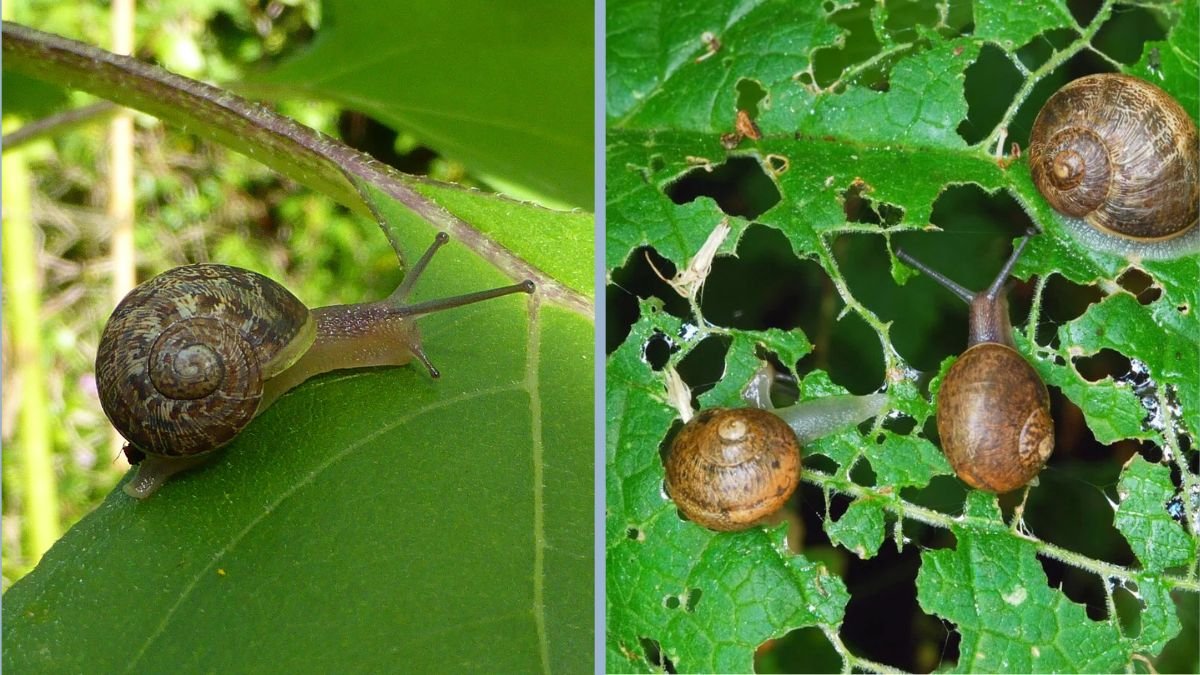
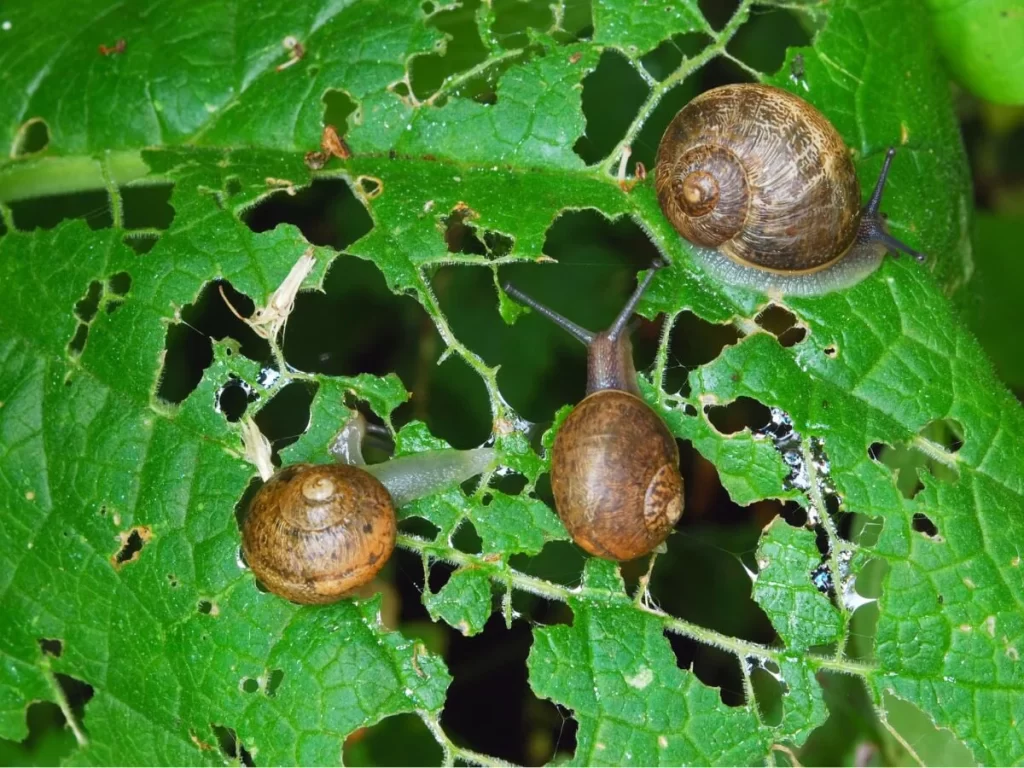
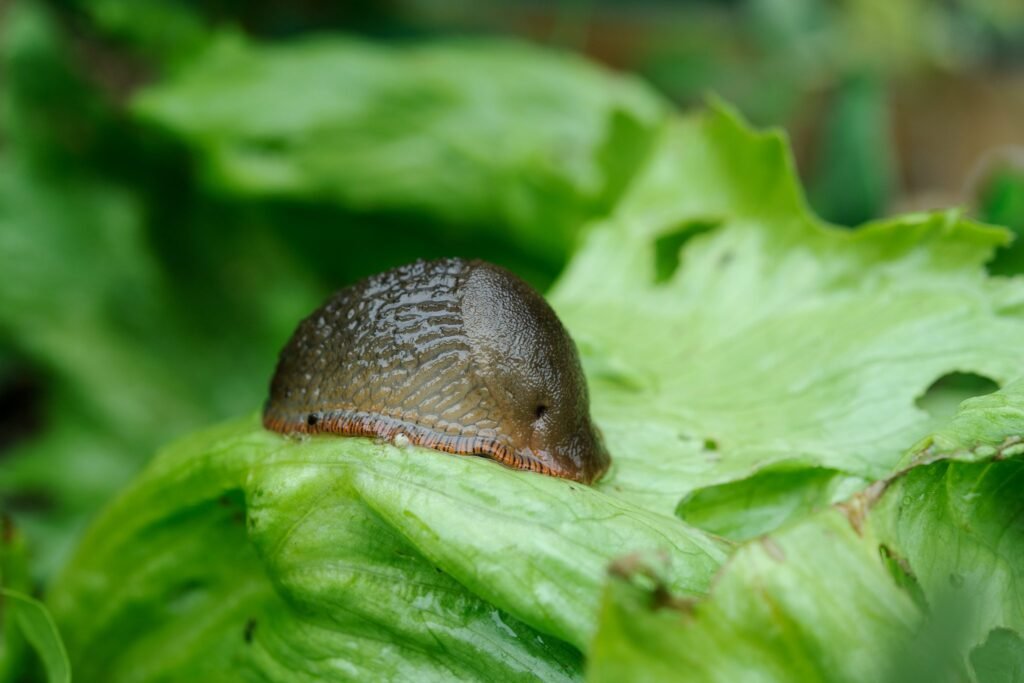
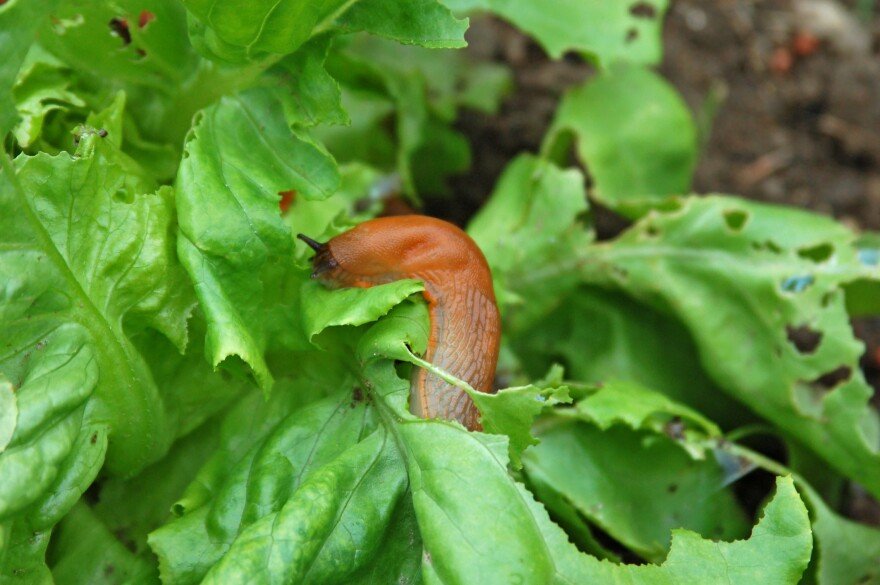
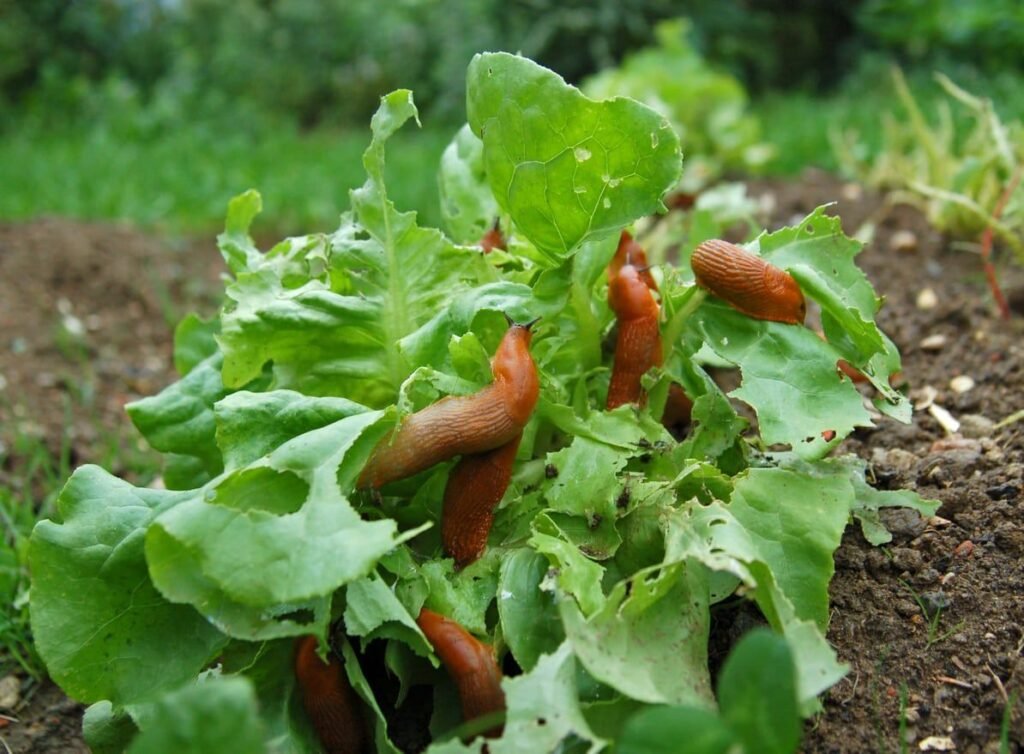
Leafy greens such as lettuce, spinach, kale, and Swiss chard are staples in home gardens due to their high nutritional value and ease of cultivation. However, these tender, moisture-rich plants are particularly attractive to slugs, which can cause extensive damage in a short period. Slugs feed at night, leaving irregular holes in leaves and slime trails, and they can significantly reduce both yield and plant quality. Chemical slug baits are available, but they pose risks to pets, beneficial insects, and the environment. Fortunately, there are numerous non-chemical, eco-friendly strategies to protect leafy greens from slugs. This article explores effective prevention and control methods, integrating cultural, mechanical, and plant-based approaches.
Understanding Slugs and Their Behavior
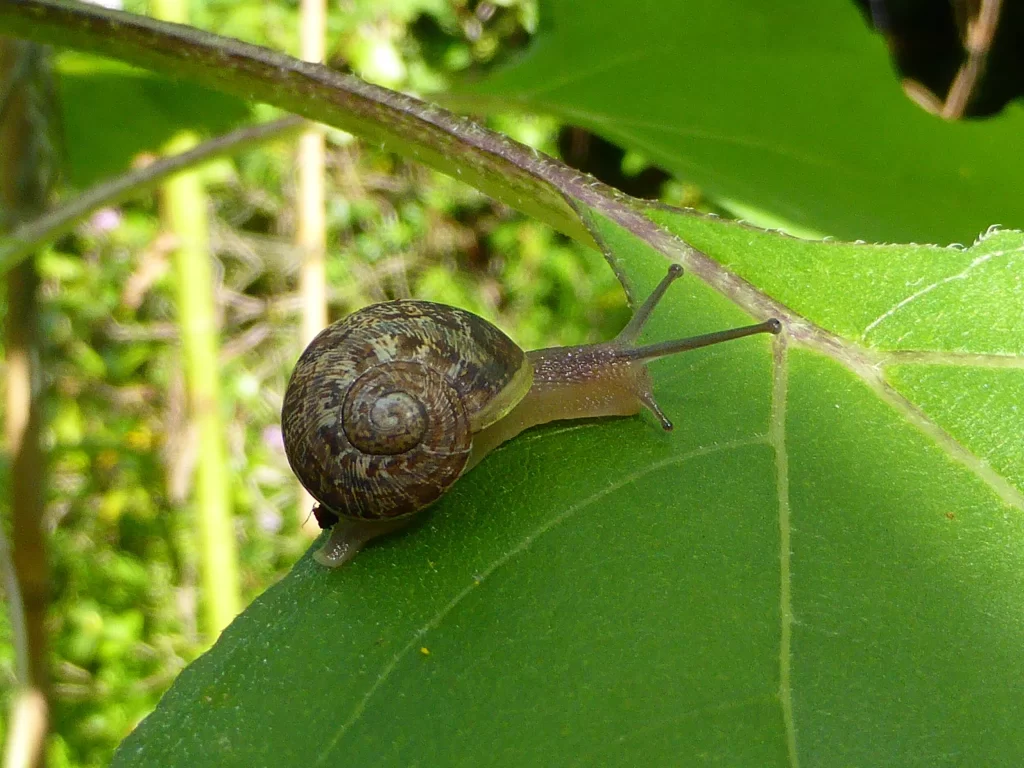
Slugs are soft-bodied mollusks that thrive in damp, shaded environments. They are most active at night and during periods of high humidity. Understanding slug behavior is essential for effective control:
- Habitat Preference: Slugs hide in soil, mulch, and dense plant cover during the day.
- Feeding Patterns: They prefer tender leaves and seedlings but will also feed on decaying organic matter.
- Reproduction: Slugs lay eggs in moist soil or under debris. One slug can produce hundreds of eggs, leading to rapid population growth.
Gardeners can leverage this knowledge by modifying the garden environment to make it less hospitable to slugs.
1. Proper Garden Design and Maintenance
Creating a garden environment that discourages slugs is the first line of defense.
- Remove Hiding Spots: Clear dense mulch, weeds, and debris where slugs can hide during the day.
- Improve Drainage: Slugs prefer moist soil; well-drained beds reduce their habitat. Raised beds are particularly effective.
- Increase Sunlight: Plant leafy greens in sunny locations where soil dries quickly, making it less attractive to slugs.
- Space Plants Appropriately: Avoid overcrowding; good airflow reduces moisture and humidity around leaves.
Cultural practices like these reduce slug activity naturally without harming other wildlife.
2. Physical Barriers
Physical barriers prevent slugs from reaching leafy greens while being safe for humans and pets.
- Copper Tape or Strips: Slugs avoid crossing copper due to a reaction with their slime. Place copper strips around raised beds or pots.
- Eggshells or Crushed Diatomaceous Earth: Coarse, abrasive materials around seedlings deter slugs, as their soft bodies cannot easily move across these surfaces.
- Plant Collars: Wrap seedlings with cardboard or paper collars to create a physical barrier at the base.
- Raised Beds and Pots: Elevating leafy greens reduces slug access from soil-dwelling populations.
These methods are simple, reusable, and non-toxic, making them ideal for home gardens.
3. Natural Traps
Traps can reduce slug populations by attracting and capturing them without chemicals.
- Beer Traps: Bury small containers filled with beer at soil level. Slugs are attracted, fall in, and drown.
- Board or Cardboard Shelters: Place flat boards or pieces of cardboard on the soil overnight. Slugs will gather underneath, allowing for manual removal in the morning.
- Moisture Traps: Wet sponges or cloths placed in shaded areas act as shelter for slugs, which can then be removed and relocated.
Trapping is particularly effective in early spring when slug populations are beginning to establish.
4. Companion Planting and Deterrent Plants
Certain plants can repel slugs or act as sacrificial crops.
- Slug-Repellent Plants: Herbs such as rosemary, thyme, mint, and fennel are natural deterrents due to their strong aromas. Planting them near leafy greens discourages slugs.
- Sacrificial Crops: Plant fast-growing, tender crops like radishes or lettuce in separate areas to draw slug attention away from main crops.
- Diverse Planting: Interspersing leafy greens with other vegetables reduces the attractiveness of any single crop to slugs.
Companion planting not only reduces slug damage but also enhances biodiversity and soil health.
5. Organic Sprays and Natural Remedies
Organic sprays can help deter slugs and reduce feeding damage.
- Neem Oil: Although primarily used for insect pests, diluted neem oil sprayed around leafy greens can discourage slug activity.
- Garlic Spray: Slugs are sensitive to allicin, a compound found in garlic. Crush 5–6 cloves in 1 liter of water, strain, and spray around plants.
- Coffee Grounds: Spread used coffee grounds around leafy greens; the caffeine acts as a mild repellent.
- Salt-Free Deterrents: Avoid using salt, which is harmful to plants and soil life. Focus on natural barriers and sprays instead.
These solutions are eco-friendly and safe for edible plants.
6. Encouraging Natural Predators
Predatory insects, birds, and other wildlife help maintain slug populations naturally.
- Beetles: Ground beetles are effective slug predators. Create habitat by maintaining mulch and leaving areas of natural soil undisturbed.
- Frogs and Toads: Providing shallow water sources encourages amphibians, which feed on slugs.
- Birds: Certain bird species, such as blackbirds, feed on slugs. Using bird-friendly garden practices supports these natural predators.
By fostering a balanced ecosystem, gardeners reduce reliance on traps or sprays while promoting biodiversity.
7. Timing and Monitoring
Active garden management is essential to keep slugs under control.
- Inspect Plants Regularly: Check leafy greens daily, particularly in early morning or evening when slugs are most active.
- Target Early-Stage Damage: Young seedlings are most vulnerable. Protecting them early prevents population growth.
- Seasonal Awareness: Slugs are most active in wet, humid periods. Extra vigilance during these times is crucial.
Early detection allows for prompt intervention, reducing long-term damage and crop loss.
Integrating Multiple Strategies
The most effective slug control strategy combines several methods:
- Cultural Practices: Garden hygiene, proper spacing, and sunlight exposure.
- Physical Barriers: Copper tape, eggshells, and raised beds.
- Natural Traps: Beer traps or shelters for hand removal.
- Companion Planting: Slug-repellent herbs and sacrificial crops.
- Organic Sprays: Garlic, neem, or coffee-based deterrents.
- Encouraging Predators: Habitat for beetles, frogs, and birds.
Using multiple approaches simultaneously creates an environment that is hostile to slugs but safe for plants, humans, and beneficial wildlife.
Benefits of Non-Chemical Slug Control
Using non-chemical methods to protect leafy greens offers several advantages:
- Health and Safety: Leaves no toxic residues on vegetables.
- Environmental Protection: Preserves soil health, beneficial insects, and other wildlife.
- Sustainability: Encourages natural pest regulation and ecological balance.
- Cost-Effectiveness: Many solutions use materials readily available in the garden or household.
Non-chemical slug management ensures safe, productive, and sustainable vegetable gardening.
Conclusion
Slugs are persistent pests that can damage leafy greens and reduce garden yields. However, with cultural practices, physical barriers, natural traps, companion planting, organic sprays, predator encouragement, and careful monitoring, gardeners can effectively protect their crops without chemicals. Early detection, preventive care, and integrated strategies are key to maintaining healthy leafy greens.
By adopting eco-friendly methods, gardeners not only safeguard their vegetables but also promote biodiversity, soil health, and sustainable gardening practices. With consistent observation and proactive intervention, leafy greens can thrive in a slug-free, chemical-free environment, ensuring nutritious and abundant harvests.