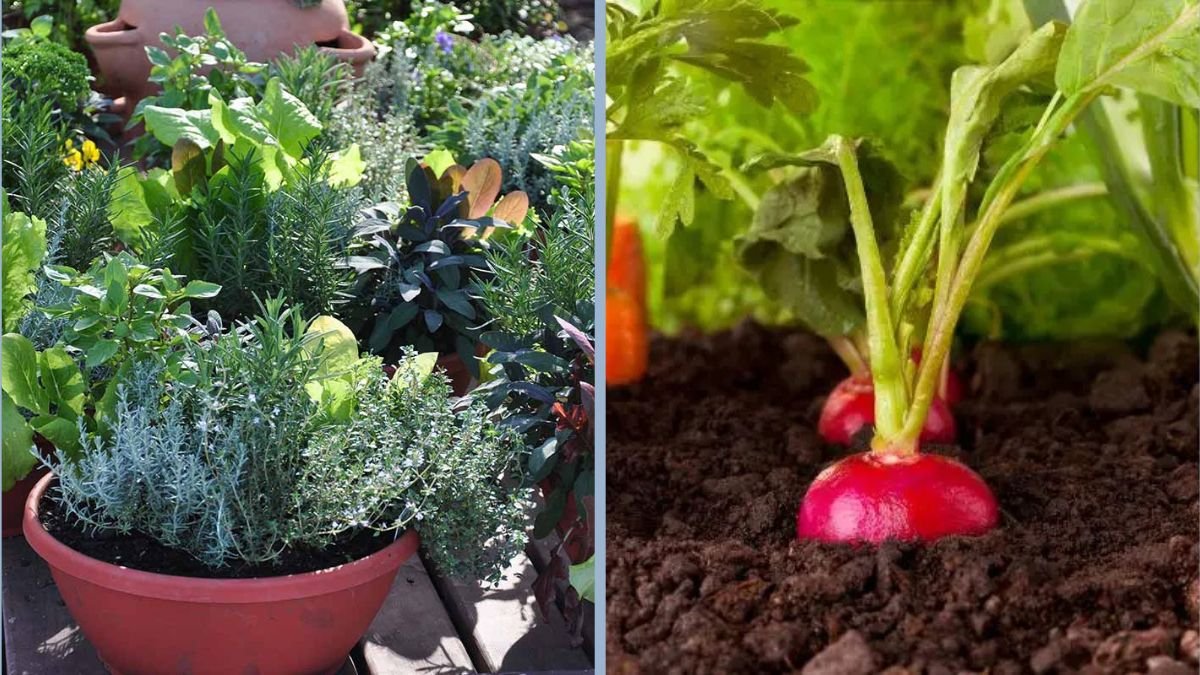
Container gardening has become increasingly popular as urban spaces shrink and gardeners seek to grow fresh, nutritious vegetables in limited areas. While container gardening offers many advantages—mobility, soil control, and space efficiency—it also presents unique challenges. One of the most common and damaging problems is root rot, a fungal disease that affects the roots of vegetables, leading to reduced growth, yellowing leaves, and plant death. Preventing root rot in container vegetables requires careful attention to soil, watering, drainage, and plant selection. This article explores the causes, signs, prevention, and management of root rot in container-grown vegetables, providing practical strategies for sustainable gardening.
Understanding Root Rot
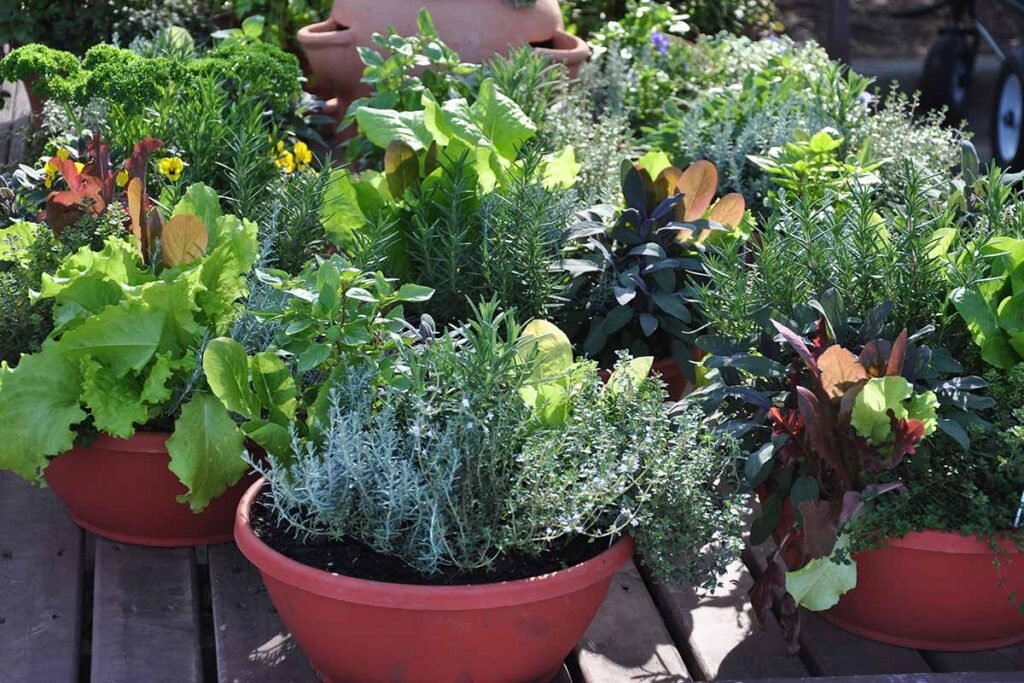
Root rot is primarily caused by soil-borne fungi, including species of Pythium, Phytophthora, Fusarium, and Rhizoctonia. These fungi thrive in waterlogged conditions and attack plant roots, preventing them from absorbing water and nutrients efficiently. In container gardening, root rot is particularly problematic due to:
- Poor drainage in containers.
- Overwatering, which creates an oxygen-deficient environment.
- Soil compaction, limiting airflow to the roots.
- Reusing contaminated soil or containers without proper sanitation.
Recognizing the conditions that favor root rot is the first step in prevention.
Signs and Symptoms of Root Rot
Early detection is critical, as root rot progresses rapidly and can kill plants before it is noticed. Common symptoms include:
- Yellowing Leaves: Initially, lower leaves turn yellow while upper leaves may remain green.
- Wilting Despite Adequate Watering: Infected roots cannot transport water, causing wilting even when soil is moist.
- Stunted Growth: Plants show poor development and reduced vigor.
- Brown, Soft, or Mushy Roots: Healthy roots are white and firm, while infected roots are discolored and may have a foul odor.
- Leaf Drop: Severe infections cause premature leaf loss and eventual plant collapse.
Identifying these signs early allows gardeners to take corrective measures and prevent spread to other container plants.
Factors That Promote Root Rot in Container Vegetables
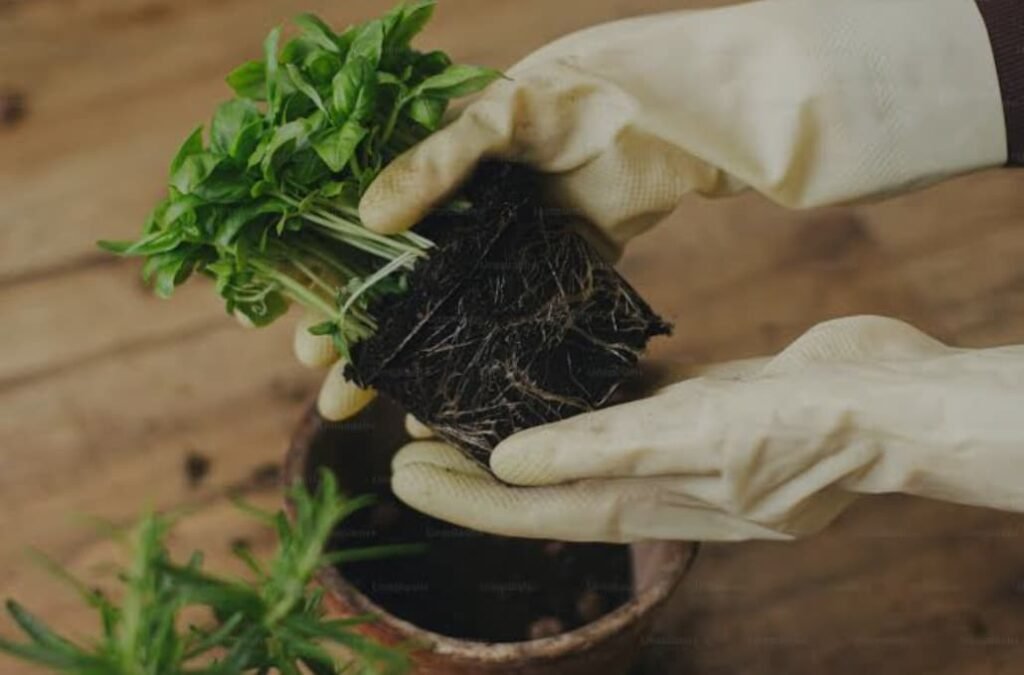
Understanding the contributing factors helps gardeners implement preventive strategies:
- Excessive Watering: Constantly soggy soil deprives roots of oxygen, creating ideal conditions for fungal growth.
- Poor Drainage: Containers without adequate drainage holes retain water and encourage fungal development.
- Heavy or Compacted Soil: Dense soils impede water flow and root aeration.
- High Humidity and Low Airflow: Containers in poorly ventilated spaces retain moisture and heat, favoring fungal proliferation.
- Contaminated Soil or Tools: Reusing soil or pots without sterilization can introduce pathogens.
By addressing these factors, gardeners can significantly reduce the risk of root rot in container vegetables.
Preventive Strategies for Root Rot
1. Choosing the Right Container
Selecting appropriate containers is essential for healthy root development:
- Adequate Drainage: Ensure containers have multiple drainage holes to allow excess water to escape.
- Size Matters: Use containers large enough to accommodate root growth, preventing overcrowding.
- Material Considerations: Terracotta and ceramic pots allow better airflow, while plastic retains moisture longer.
- Elevated Positioning: Place containers on pot feet, bricks, or mesh to improve water drainage from the base.
Proper container choice ensures roots receive sufficient oxygen and reduces fungal risk.
2. Using Well-Draining Soil Mix
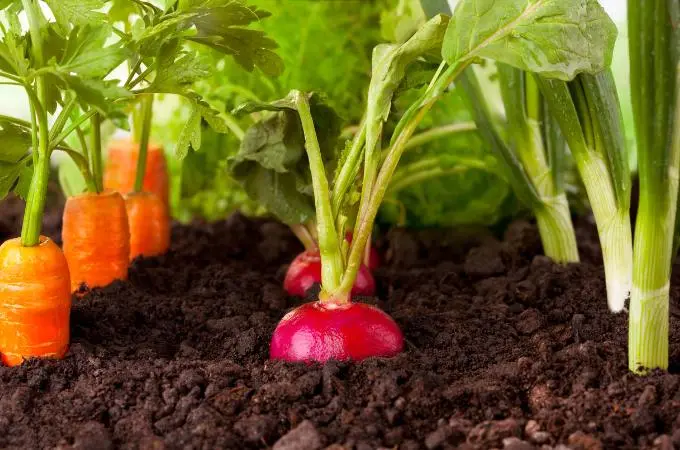
Soil composition plays a critical role in preventing root rot:
- Components: Use a mix of compost, coconut coir, perlite, and vermiculite to promote aeration and drainage.
- Avoid Heavy Garden Soil: Regular garden soil may compact in containers, retaining excess moisture.
- Sterilization: For reused soil, consider baking or solarizing it to eliminate pathogens.
A well-draining soil mix prevents water accumulation around roots and discourages fungal growth.
3. Proper Watering Techniques
Watering practices directly influence root health:
- Check Soil Moisture: Only water when the top 2–3 cm of soil feels dry.
- Water at Base: Apply water at the base of plants rather than overhead to reduce leaf wetness and fungal spread.
- Avoid Standing Water: Ensure trays and saucers do not hold water for prolonged periods.
- Deep but Infrequent Watering: Water thoroughly but allow soil to dry between sessions to encourage strong root systems.
Consistent but controlled watering prevents waterlogged conditions that promote root rot.
4. Crop Selection and Rotation
Some vegetables are more prone to root rot than others:
- Susceptible Crops: Lettuce, spinach, tomatoes, cucumbers, and peppers can be vulnerable under wet conditions.
- Resistant Varieties: Choose cultivars bred for disease resistance when possible.
- Crop Rotation: Avoid planting the same family of vegetables in the same container consecutively, reducing pathogen buildup.
Rotating crops and selecting resistant varieties strengthen container garden resilience.
5. Container Placement and Air Circulation
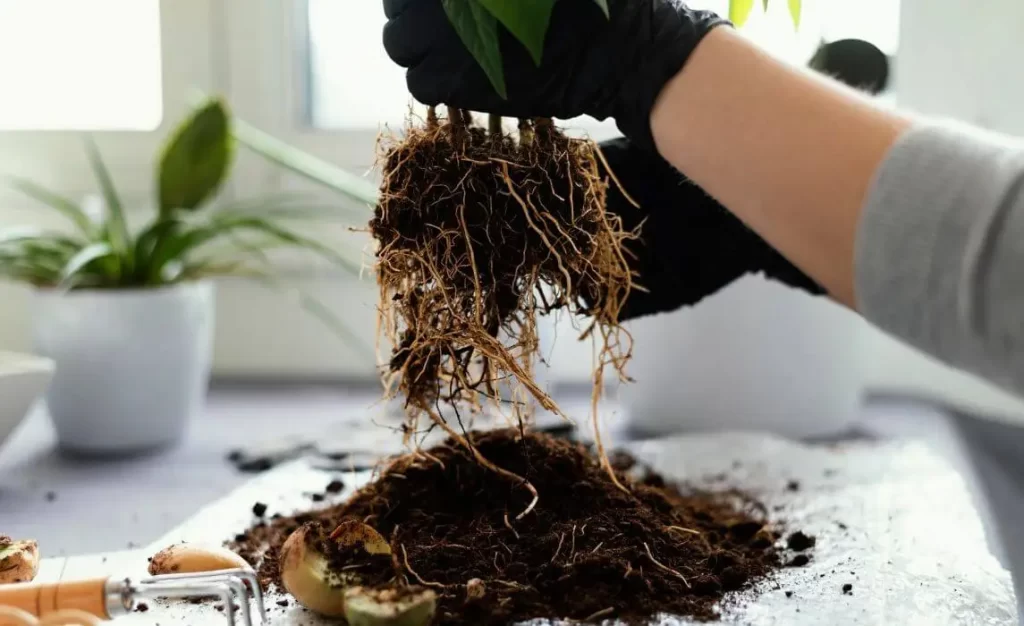
Environmental conditions impact root health:
- Adequate Sunlight: Place containers in locations that receive 6–8 hours of sunlight to help dry soil and reduce fungal growth.
- Good Airflow: Avoid overcrowding containers; spacing them allows air to circulate and soil to dry properly.
- Elevated Platforms: Raising containers off the ground improves airflow and drainage, preventing moisture accumulation at the root zone.
Well-ventilated container gardens reduce humidity and fungal proliferation.
6. Organic Preventive Treatments
Certain plant-based treatments can help prevent root rot:
- Neem Oil Soil Drench: Diluted neem oil applied to soil can suppress fungal pathogens.
- Compost Tea: Aerated compost tea promotes beneficial microorganisms that outcompete harmful fungi.
- Cinnamon Powder: Sprinkling cinnamon on soil surface acts as a natural antifungal agent.
- Beneficial Microorganisms: Products containing mycorrhizal fungi and Bacillus subtilis improve root health and disease resistance.
Integrating these treatments with proper cultural practices enhances root resilience.
7. Regular Monitoring and Maintenance
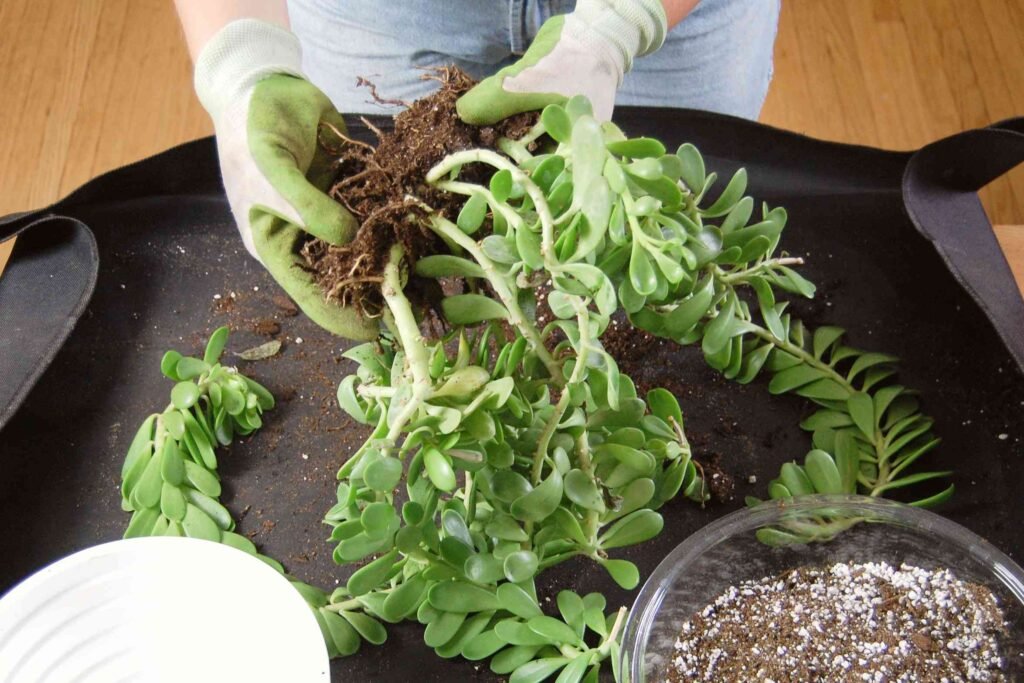
Consistent observation helps detect problems early:
- Inspect Roots: Check roots periodically for discoloration or softness.
- Remove Affected Plants: Promptly remove and discard infected plants to prevent spread.
- Sanitize Containers and Tools: Wash pots, trays, and gardening tools with mild soap or a vinegar solution between uses.
- Maintain Garden Hygiene: Remove dead leaves and plant debris to minimize fungal buildup.
Early detection combined with hygiene practices minimizes root rot outbreaks.
Signs You Can Actively Manage
If root rot is detected early, gardeners can take corrective measures:
- Repotting: Remove the plant from contaminated soil, prune affected roots, and repot in fresh, well-draining soil.
- Reduce Watering: Allow soil to dry before resuming watering to discourage fungal growth.
- Soil Amendments: Incorporate perlite, sand, or compost to improve drainage.
- Organic Fungicides: Apply neem oil, cinnamon, or compost tea to affected areas to suppress pathogens.
Acting quickly can often save plants and prevent total crop loss.
Benefits of Preventive Practices
Implementing preventive measures against root rot offers several advantages:
- Healthier Plants: Strong, well-aerated roots support robust growth and higher yields.
- Chemical-Free Gardening: Reduces the need for synthetic fungicides.
- Sustainable Container Gardening: Promotes long-term soil health and microbial diversity.
- Economic Efficiency: Preventing disease reduces the cost of replacing lost plants.
Proactive root management ensures productive container gardens with minimal environmental impact.
Conclusion
Root rot is a common but preventable problem in container vegetables. Understanding the conditions that favor fungal growth, recognizing early symptoms, and implementing preventive strategies are key to maintaining healthy crops. By choosing appropriate containers, using well-draining soil, applying proper watering techniques, selecting resistant varieties, ensuring airflow, and employing organic treatments, gardeners can prevent root rot effectively. Regular monitoring and hygiene practices further protect against disease outbreaks, ensuring long-term success in container gardening.
Adopting these strategies not only prevents root rot but also promotes sustainable, chemical-free gardening, allowing gardeners to enjoy thriving, productive container vegetables. With careful planning, observation, and proactive care, container-grown vegetables can flourish, providing fresh, nutritious produce without the challenges of root rot.