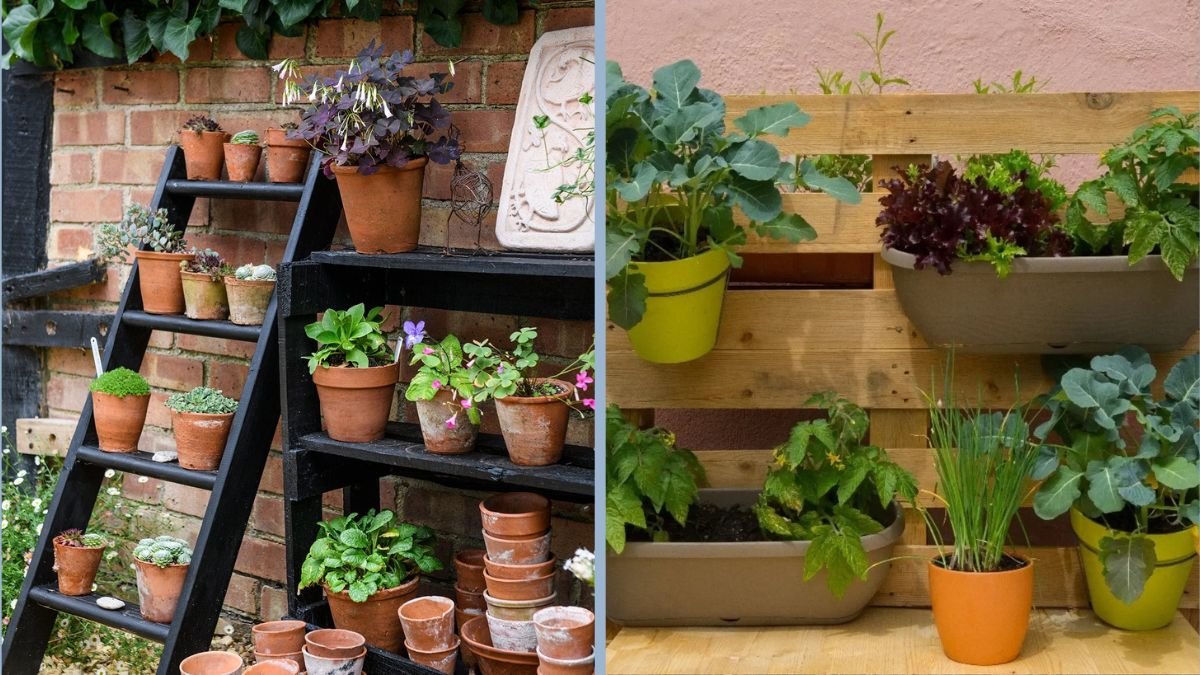
Small kitchens, especially in urban environments, often present challenges for home gardeners seeking fresh, plant-based ingredients. Limited countertop space, tiny windowsills, and restricted floor area make traditional container gardening difficult. Vertical gardening offers an innovative solution, allowing herbs, vegetables, and microgreens to grow upward rather than outward. DIY vertical gardens are not only practical but also visually appealing, transforming kitchens into productive green spaces. This article explores the best DIY vertical garden designs for small kitchens, providing detailed guidance on construction, plant selection, care, and sustainable maintenance.
Benefits of Vertical Gardens in Small Kitchens
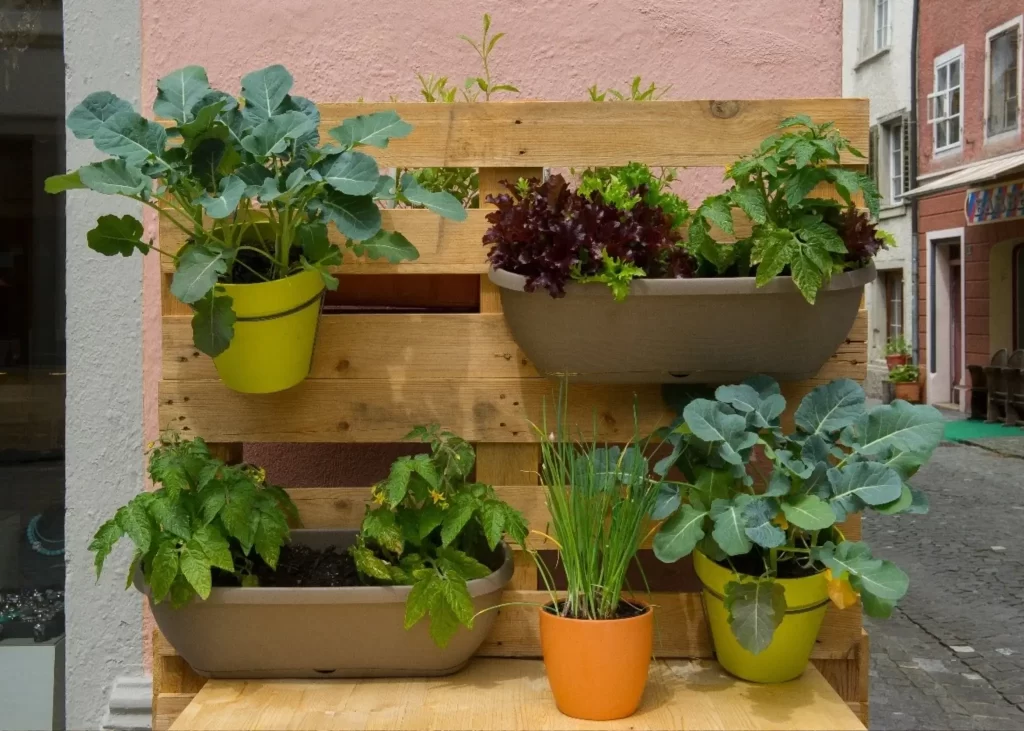
- Space Efficiency: Vertical gardens maximize limited kitchen space by utilizing walls, shelves, or hanging systems.
- Year-Round Growth: Indoor vertical gardens allow continuous cultivation regardless of season or outdoor conditions.
- Visual Appeal: Vertical arrangements enhance kitchen aesthetics while promoting greenery and wellness.
- Accessibility: Herbs and vegetables are easily reachable for cooking, reducing food preparation time.
- Sustainability: DIY vertical gardens encourage plant-based diets, reduce reliance on store-bought produce, and minimize packaging waste.
Vertical gardening combines functional and decorative elements, making it ideal for urban kitchens.
Selecting Plants for Small Kitchen Vertical Gardens
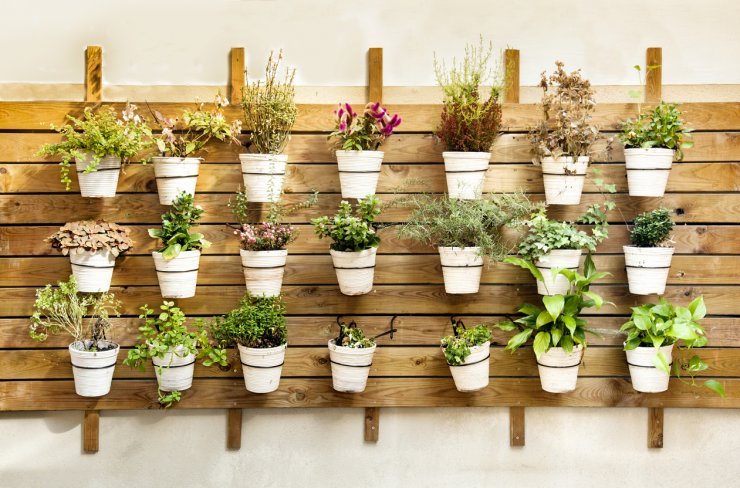
Not all plants thrive in compact vertical systems. The best choices are compact, fast-growing, and low-maintenance:
- Herbs: Basil, parsley, cilantro, mint, thyme, oregano, chives, and dill.
- Leafy Greens: Lettuce, spinach, arugula, kale, and microgreens.
- Small Root Vegetables: Radishes, baby carrots, and green onions (limited to deeper containers).
- Vining Plants: Peas, small beans, or cherry tomatoes for vertical support systems.
Selecting suitable plants ensures consistent growth, easy harvesting, and minimal maintenance.
DIY Vertical Garden Designs
Several DIY vertical garden designs are practical for small kitchens. Each method utilizes vertical space efficiently while supporting plant health.
1. Hanging Pocket Planters
- Materials: Fabric pockets or felt, wooden frame, hooks for wall mounting.
- Construction: Attach fabric pockets to a frame or hang directly on the wall. Fill pockets with potting soil.
- Planting: Ideal for herbs, leafy greens, and microgreens.
- Care Tips: Water carefully to prevent excess runoff; fabric pockets promote drainage and airflow.
2. Mason Jar Wall Gardens
- Materials: Mason jars, wooden board, hose clamps, screws, and wall anchors.
- Construction: Attach jars horizontally or vertically to a board using clamps.
- Planting: Herbs and small leafy vegetables thrive in jars.
- Care Tips: Water from the top and ensure drainage with pebbles or gravel at the bottom.
3. Pallet Vertical Gardens
- Materials: Wooden pallets, landscape fabric, potting soil.
- Construction: Line the back of the pallet with fabric, fill compartments with soil, and mount the pallet vertically on the wall.
- Planting: Works well for herbs, leafy greens, and compact root vegetables.
- Care Tips: Position near a window or supplement with grow lights; rotate plants occasionally for even growth.
4. Hanging Bottle Gardens
- Materials: Plastic bottles, scissors, strings, and hooks.
- Construction: Cut bottles horizontally or vertically, create openings for planting, and hang bottles using strings.
- Planting: Suitable for herbs, small greens, and microgreens.
- Care Tips: Water carefully to avoid dripping; use lightweight soil mixes.
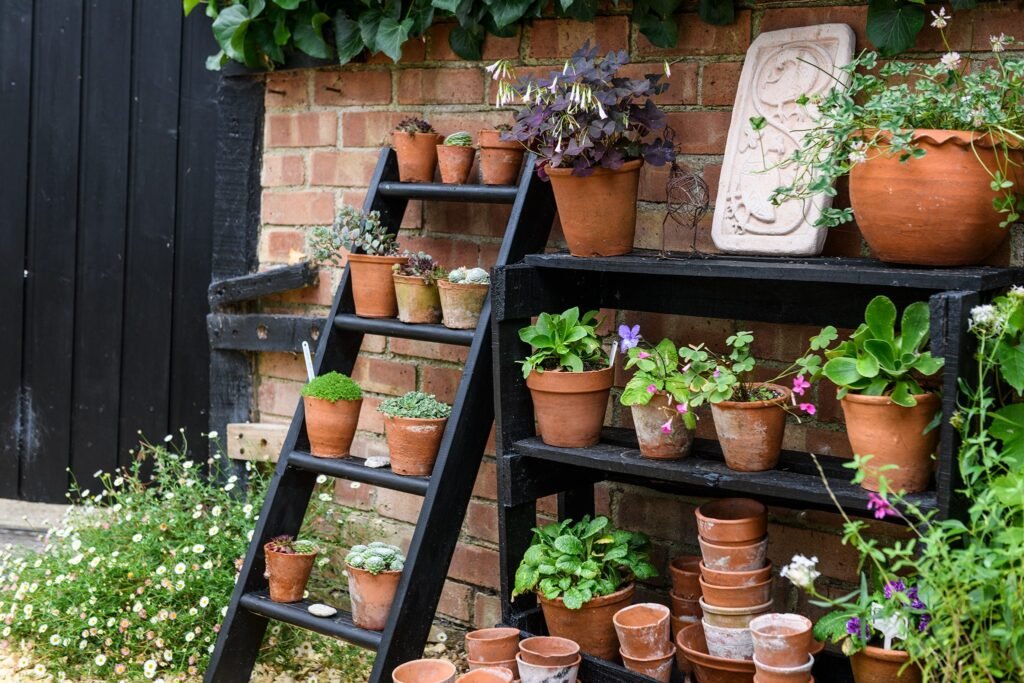
5. Tiered Shelf Systems
- Materials: Small shelves, brackets, and pots.
- Construction: Stack shelves vertically along a wall or in a corner.
- Planting: Leafy greens, herbs, and small root vegetables.
- Care Tips: Rotate pots for light exposure and maintain adequate spacing to prevent overcrowding.
Soil and Fertilization
Proper soil and fertilization ensure healthy growth in compact vertical systems:
- Soil: Use light, well-draining potting mix enriched with plant-based compost.
- Aeration: Mix in perlite or vermiculite to improve drainage and prevent compaction.
- Fertilization: Apply plant-based liquid fertilizer or compost tea every 2–4 weeks.
- pH: Maintain slightly acidic to neutral soil (pH 6.0–7.0) for optimal plant growth.
Healthy soil maximizes nutrient uptake and enhances the flavor and aroma of herbs and vegetables.
Lighting and Temperature Requirements
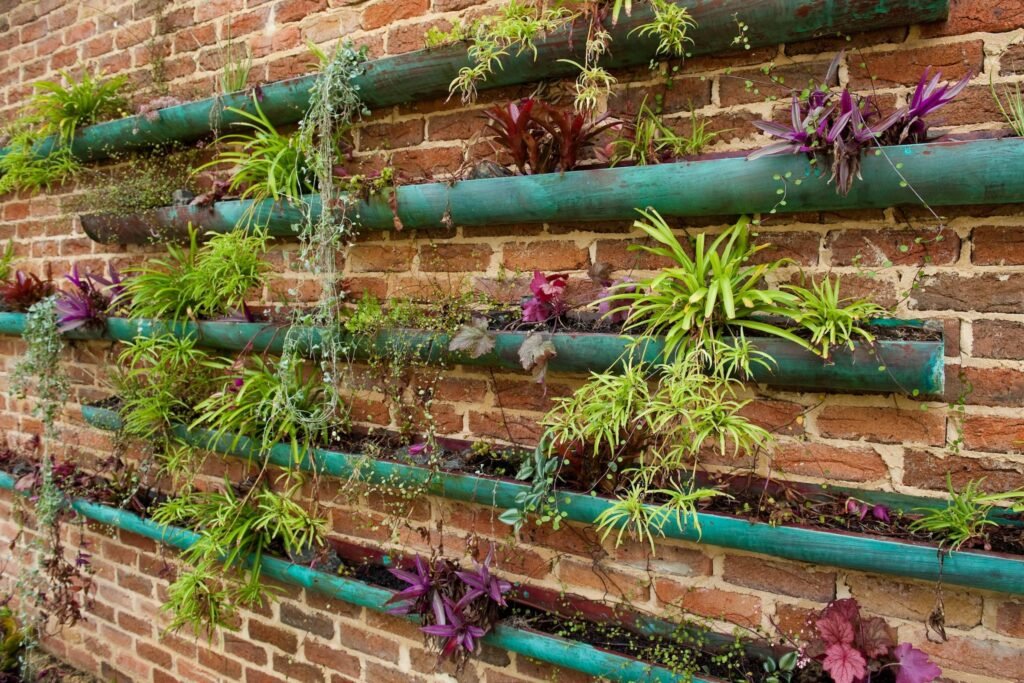
Vertical gardens in small kitchens require careful management of light and temperature:
- Sunlight: Position gardens near windows receiving 4–6 hours for leafy greens, 6–8 hours for sun-loving herbs.
- Grow Lights: LED or fluorescent lights supplement natural light, especially during winter or low-light indoor spaces.
- Temperature: Maintain indoor temperatures of 18–25°C for most herbs and vegetables.
- Rotation: Rotate plants regularly to ensure uniform light exposure and prevent uneven growth.
Proper lighting ensures healthy foliage, strong stems, and nutrient-rich harvests.
Watering and Maintenance
Vertical systems require consistent care due to limited soil volume:
- Watering Frequency: Check soil daily; water when the top 1–2 cm feels dry.
- Watering Method: Use spray bottles, drip systems, or small watering cans to avoid overwatering.
- Pruning and Harvesting: Pinch or trim herbs regularly to encourage bushy growth.
- Cleaning: Remove dead leaves and debris to prevent pests and disease.
Careful watering and maintenance ensure optimal productivity and plant longevity.
Harvesting Techniques
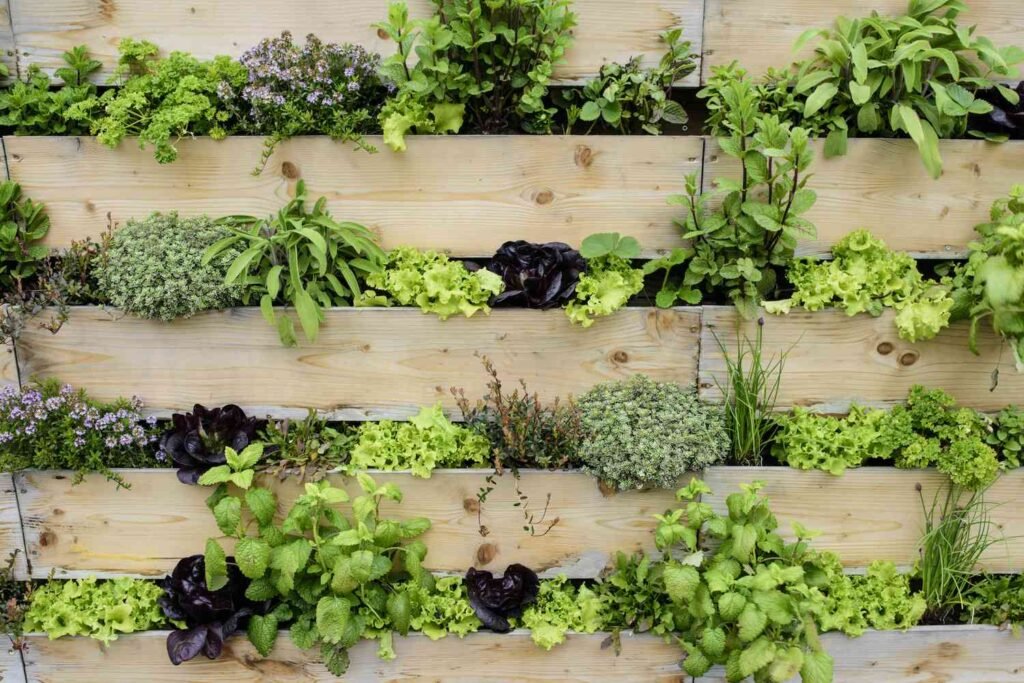
Proper harvesting promotes continued growth and maximizes yield:
- Leafy Greens: Harvest outer leaves first; leave inner leaves for regrowth.
- Herbs: Pinch stems regularly; avoid removing more than one-third of the plant at a time.
- Root Vegetables: Harvest when vegetables reach edible size; thin seedlings to allow space for growth.
- Timing: Harvest in the morning for maximum flavor and nutrient content.
Frequent harvesting maintains plant health and prolongs the productive life of vertical gardens.
Pest Management
Indoor vertical gardens can attract pests:
- Common Pests: Aphids, spider mites, and whiteflies.
- Plant-Based Solutions: Neem oil sprays, garlic-chili solutions, or companion planting with pest-deterring herbs.
- Preventive Practices: Ensure good airflow, avoid overwatering, and maintain clean garden structures.
Sustainable pest management protects plants without chemical pesticides.
Sustainable Practices for Vertical Gardens
- Organic Soil: Use compost, vermicompost, or plant-based fertilizers.
- Water Conservation: Implement drip irrigation, self-watering systems, or moderate hand watering.
- Continuous Harvesting: Rotate harvesting to maintain productivity year-round.
- Reusing Materials: Repurpose bottles, jars, pallets, or shelves for DIY construction.
- Composting: Utilize plant trimmings for compost to enhance soil fertility.
Sustainable practices reduce environmental impact while enhancing productivity.
Culinary Applications of Vertical Garden Produce
Vertical gardens provide fresh ingredients for plant-based cooking:
- Herbs: Basil, parsley, cilantro, and mint for teas, sauces, salads, and garnishes.
- Leafy Greens: Lettuce, spinach, and kale for salads, smoothies, and sandwiches.
- Microgreens: Nutrient-rich shoots for bowls, soups, and smoothies.
- Small Root Vegetables: Radishes and baby carrots for fresh, crunchy additions.
Freshly harvested produce enhances flavor, nutrition, and visual appeal in meals.
Conclusion
DIY vertical gardens are an ideal solution for small kitchens, providing space-efficient, sustainable, and aesthetically pleasing cultivation of plant-based ingredients. Hanging pockets, Mason jars, pallets, bottles, and tiered shelves offer versatile options for vertical gardening. Careful selection of herbs, leafy greens, and compact vegetables, combined with proper soil preparation, light management, watering, and pruning, ensures healthy growth and continuous harvest. Sustainable practices, including organic soil use, water conservation, and composting, maximize productivity while reducing environmental impact. Vertical gardens transform small kitchens into vibrant, productive spaces, enabling gardeners to enjoy fresh, flavorful, and nutritious plant-based ingredients year-round.