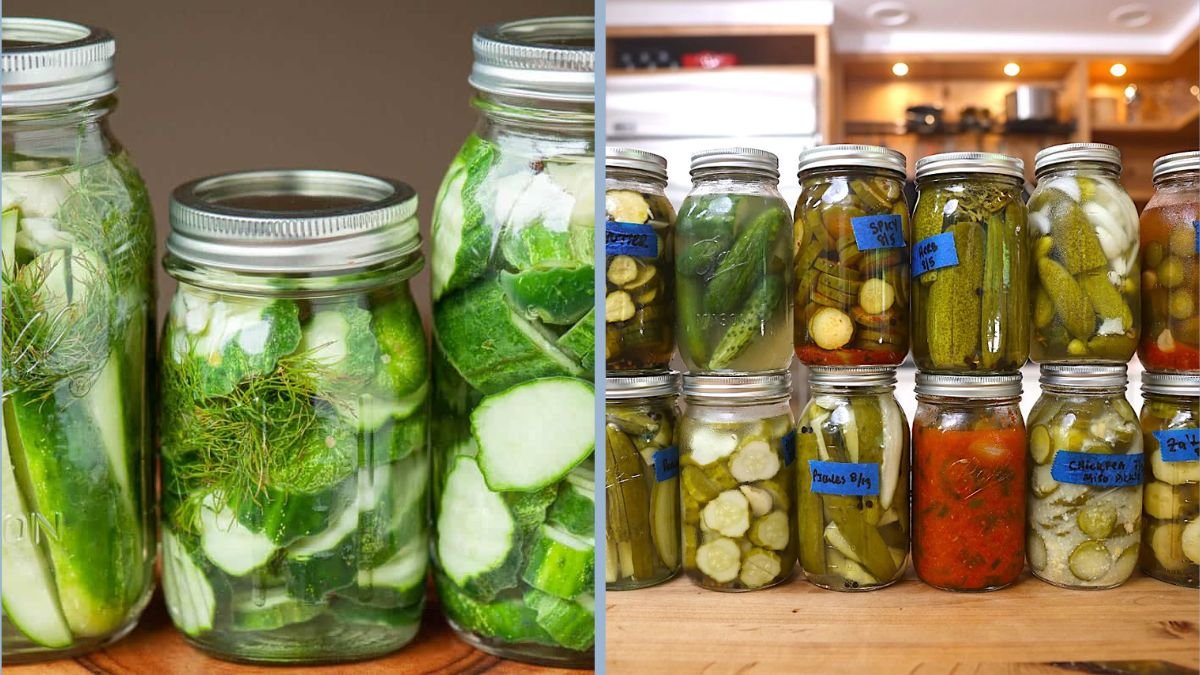
Pickles have been a staple in plant-based diets for centuries, prized for their tangy flavor, crunchy texture, and long shelf life. Homemade pickles offer several advantages over store-bought versions: complete control over ingredients, the ability to avoid preservatives or additives, and the opportunity to experiment with flavors. Cucumbers (Cucumis sativus) are the most popular vegetable for pickling due to their crisp texture and mild taste, which absorbs seasonings effectively. This article provides a comprehensive guide to making homemade cucumber pickles, covering cucumber selection, preparation, pickling methods, storage, and sustainable practices suitable for plant-based kitchens.
Selecting Cucumbers for Pickling
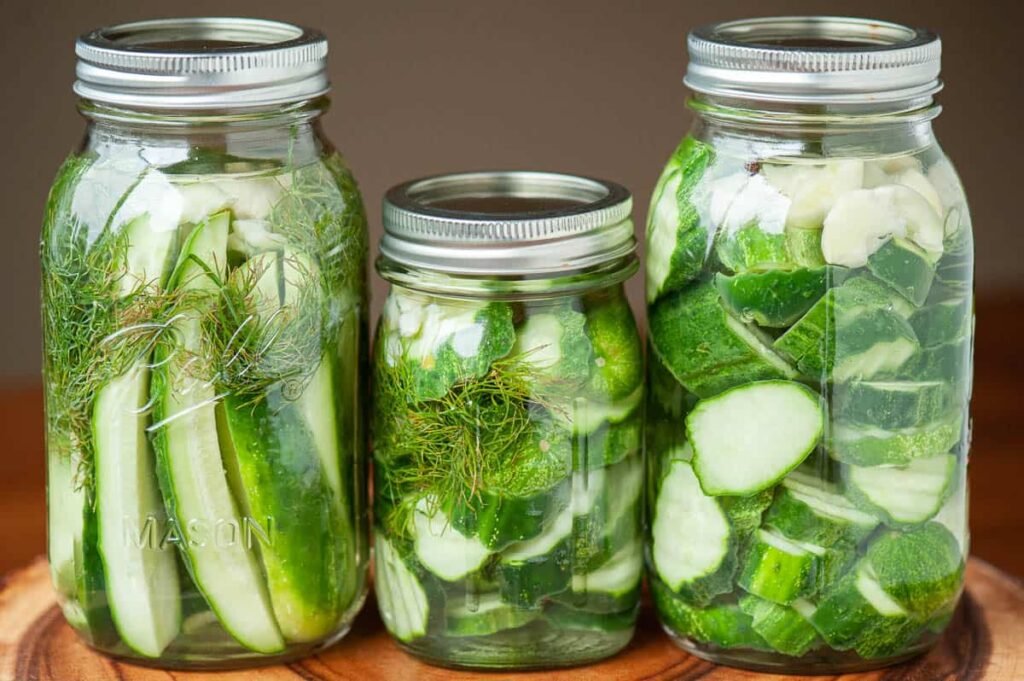
Proper cucumber selection is essential to achieving crisp, flavorful pickles:
- Varieties: Pickling cucumbers, such as Kirby or Boston Pickling, are ideal due to their firm texture and small size.
- Freshness: Choose cucumbers that are firm, unblemished, and free from soft spots or yellowing.
- Size: Smaller cucumbers (3–6 inches) are preferred, as they produce crisp pickles and absorb brine evenly.
- Organic vs Conventional: Organic cucumbers reduce exposure to pesticides and support sustainable practices.
Selecting high-quality cucumbers ensures optimal flavor, crunch, and shelf life.
Preparation of Cucumbers
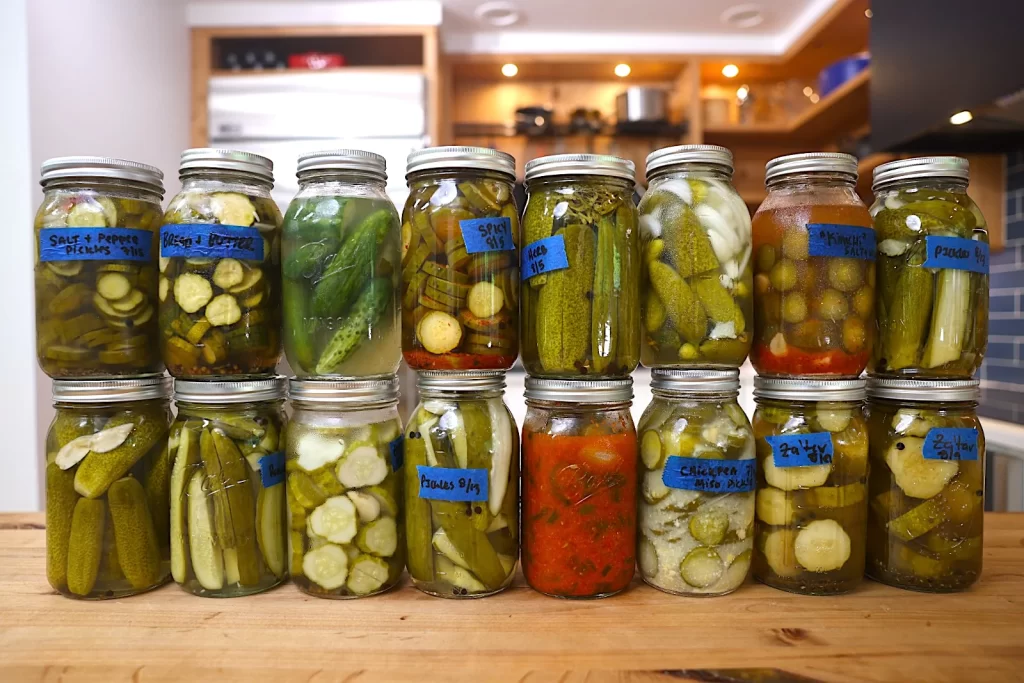
Before pickling, cucumbers must be properly cleaned and prepared:
- Washing: Rinse cucumbers thoroughly under cold water to remove dirt and debris.
- Trimming: Cut off the blossom ends, which contain enzymes that can soften pickles.
- Optional Slicing: Depending on preference, cucumbers can be left whole, cut into spears, or sliced into rounds.
- Salting: Lightly salting cucumbers helps remove excess water, enhancing crispness and brine absorption.
Proper preparation ensures that pickles retain firmness and absorb flavors effectively.
Pickling Methods
There are several methods for making homemade cucumber pickles, each with unique advantages:
1. Refrigerator Pickles
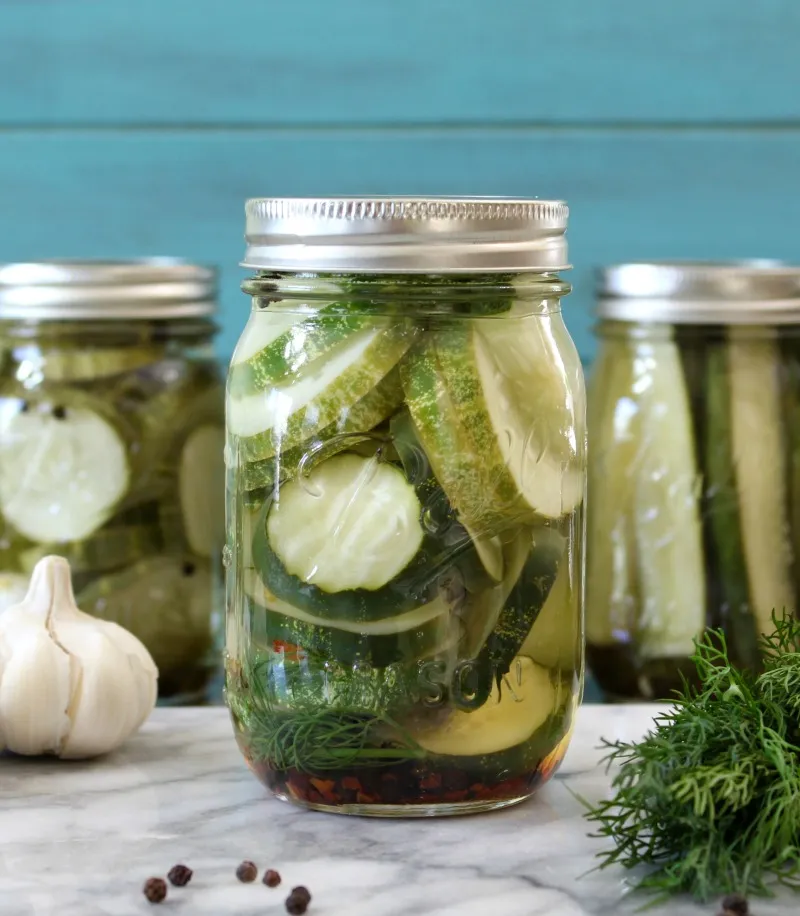
- Ingredients: Cucumbers, water, vinegar, salt, sugar, and desired seasonings (garlic, dill, mustard seeds, peppercorns).
- Procedure:
- Prepare brine by dissolving salt and sugar in water and vinegar.
- Place cucumbers and seasonings in clean jars.
- Pour brine over cucumbers, ensuring they are fully submerged.
- Seal jars and refrigerate for 24–48 hours before consuming.
- Advantages: Quick, easy, and requires no sterilization; maintains fresh flavor.
- Shelf Life: Lasts up to 2–4 weeks in the refrigerator.
2. Fermented Pickles (Lacto-Fermentation)
- Ingredients: Cucumbers, non-iodized salt, filtered water, and seasonings (dill, garlic, peppercorns).
- Procedure:
- Dissolve salt in water to create a brine.
- Submerge cucumbers completely in brine within a fermentation vessel.
- Cover loosely to allow gases to escape.
- Leave at room temperature (18–24°C) for 5–10 days, checking daily for bubbles.
- Advantages: Develops complex, tangy flavors and probiotics beneficial for gut health.
- Shelf Life: Fermented pickles can last several months when stored in a cool, dark place or refrigerated.
3. Quick Vinegar Pickles
- Ingredients: Cucumbers, vinegar, water, sugar, salt, and spices (dill, mustard seeds, coriander, chili flakes).
- Procedure:
- Bring vinegar, water, salt, and sugar to a boil to dissolve ingredients.
- Pour hot brine over cucumbers in sterilized jars.
- Seal jars and allow to cool.
- Advantages: Fast method; flavor develops within 24–48 hours.
- Shelf Life: Up to 1–2 months when refrigerated.
Each method allows for customization of flavors, textures, and acidity levels to suit personal taste.
Seasoning and Flavor Variations
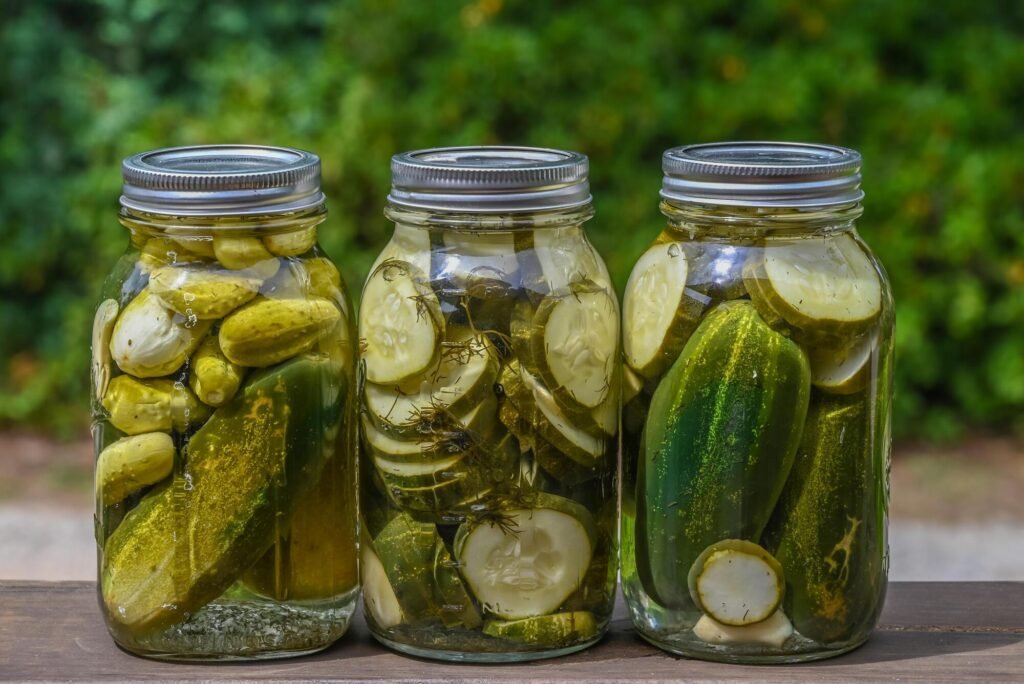
Homemade pickles offer endless opportunities for flavor experimentation:
- Herbs: Dill, cilantro, thyme, and oregano enhance aroma and taste.
- Spices: Mustard seeds, black peppercorns, coriander, allspice, and chili flakes provide depth.
- Aromatics: Garlic, onion, ginger, or horseradish add complexity.
- Sweeteners: Plant-based sugars or maple syrup balance acidity for sweeter pickles.
Combining flavors allows cooks to create signature pickles tailored to culinary preferences.
Storage and Shelf Life
Proper storage ensures freshness, crunch, and flavor retention:
- Refrigeration: Keeps pickles crisp and flavorful; ideal for refrigerator and quick pickles.
- Cool, Dark Storage: Fermented or canned pickles can be stored in a cool, dark pantry for extended shelf life.
- Sterilization for Canning: If long-term storage is desired, sterilize jars and lids in boiling water for 10 minutes before sealing.
- Monitoring: Check jars periodically for mold, off smells, or changes in texture; discard if spoilage occurs.
Correct storage maximizes shelf life while maintaining safety and quality.
Nutritional and Health Benefits
Cucumber pickles provide several plant-based nutritional benefits:
- Vitamins: Vitamin K, vitamin C, and small amounts of B vitamins from cucumbers.
- Minerals: Potassium, magnesium, and calcium, especially in fermented pickles.
- Probiotics: Fermented pickles contain beneficial bacteria that support gut health.
- Low-Calorie: Pickles are low in calories and can enhance the flavor of plant-based meals.
Homemade pickles preserve nutritional value while avoiding additives or preservatives commonly found in commercial varieties.
Sustainable Practices in Homemade Pickling
- Local Produce: Use locally sourced cucumbers to reduce carbon footprint.
- Glass Jars: Reuse Mason jars or other glass containers to minimize waste.
- Composting: Compost cucumber trimmings and vegetable scraps.
- Plant-Based Ingredients: Avoid animal-derived additives, ensuring fully plant-based pickles.
- Water Conservation: Use leftover brine for fermenting additional batches when safe.
Sustainable practices make pickling environmentally responsible while promoting plant-based diets.
Troubleshooting Common Challenges
- Soft or Mushy Pickles: May result from overripe cucumbers, lack of calcium (add grape leaves for crispness), or improper brining.
- Cloudy Brine: Normal in fermentation due to probiotic activity; safe as long as mold or foul odor is absent.
- Mold Growth: Remove affected pickles immediately; ensure jars and utensils are clean and brine fully covers cucumbers.
- Excess Saltiness: Rinse pickles lightly before serving to balance taste.
Proper technique and monitoring prevent spoilage and ensure high-quality pickles.
Culinary Uses of Homemade Pickles
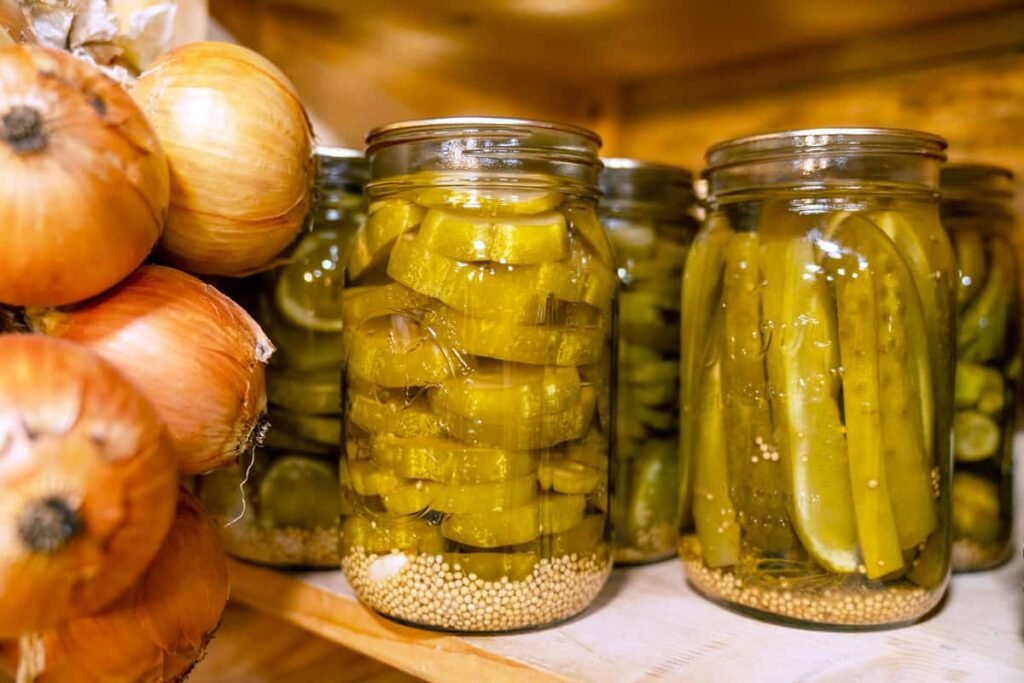
Homemade cucumber pickles enhance plant-based meals in multiple ways:
- Salads and Sandwiches: Adds crunch, flavor, and acidity.
- Condiments: Served alongside grains, vegetables, or plant-based proteins.
- Snacks: Eaten directly as a healthy, low-calorie snack.
- Flavor Enhancer: Brine can be used in salad dressings, marinades, or vinaigrettes.
Pickles not only add flavor but also complement plant-based dishes with texture and acidity.
Conclusion
Homemade cucumber pickles are a versatile, flavorful, and plant-based culinary staple. Selecting fresh, firm cucumbers and using clean, sterilized containers ensures optimal results. Various pickling methods—including refrigerator, quick vinegar, and lacto-fermentation—allow customization of flavor, texture, and acidity. Seasoning with herbs, spices, and aromatics elevates pickles while maintaining a healthy, plant-based profile. Proper storage, sustainable practices, and careful monitoring extend shelf life and ensure safety. By mastering the art of homemade pickling, plant-based home cooks can enjoy fresh, crunchy, and flavorful cucumbers year-round, enhancing meals with both taste and nutrition.