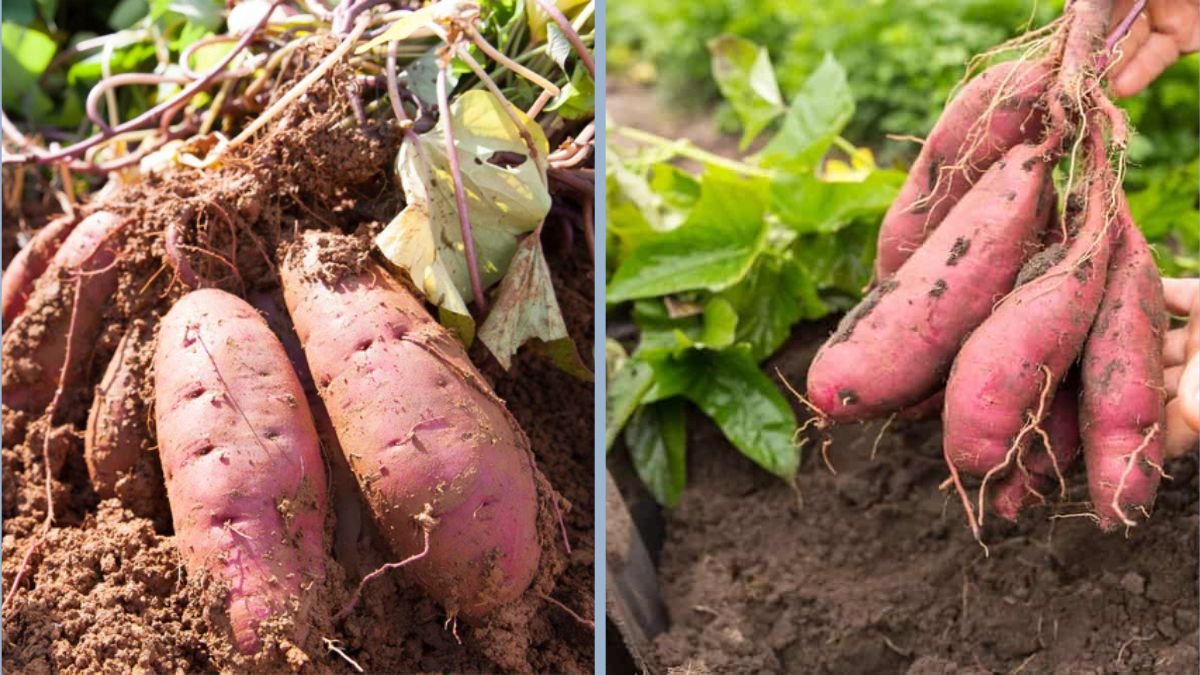
Sweet potatoes are nutritious, versatile, and increasingly popular in home gardening due to their adaptability and ease of growth. Container gardening is an excellent option for those with limited space, urban environments, or poor soil conditions. Growing sweet potatoes in containers allows gardeners to control soil quality, water levels, and sunlight exposure, ultimately leading to healthier, more productive plants. This article provides a comprehensive guide on growing sweet potatoes in containers, including the best container types, soil preparation, planting methods, care tips, pest management, and harvesting techniques.
Benefits of Growing Sweet Potatoes in Containers
Container gardening offers several advantages for growing sweet potatoes:
- Space Efficiency: Containers allow sweet potatoes to be grown on patios, balconies, rooftops, or indoors with sufficient sunlight.
- Soil Control: You can provide nutrient-rich, well-draining soil, which reduces the risk of diseases common in native soils.
- Mobility: Containers can be moved to optimize sunlight exposure or protect plants from harsh weather conditions.
- Pest Management: Container-grown sweet potatoes are less susceptible to soil-borne pests, such as nematodes or fungi.
- Year-Round Cultivation: With the right container and indoor setup, sweet potatoes can be grown throughout the year in suitable climates.
Selecting the Right Container
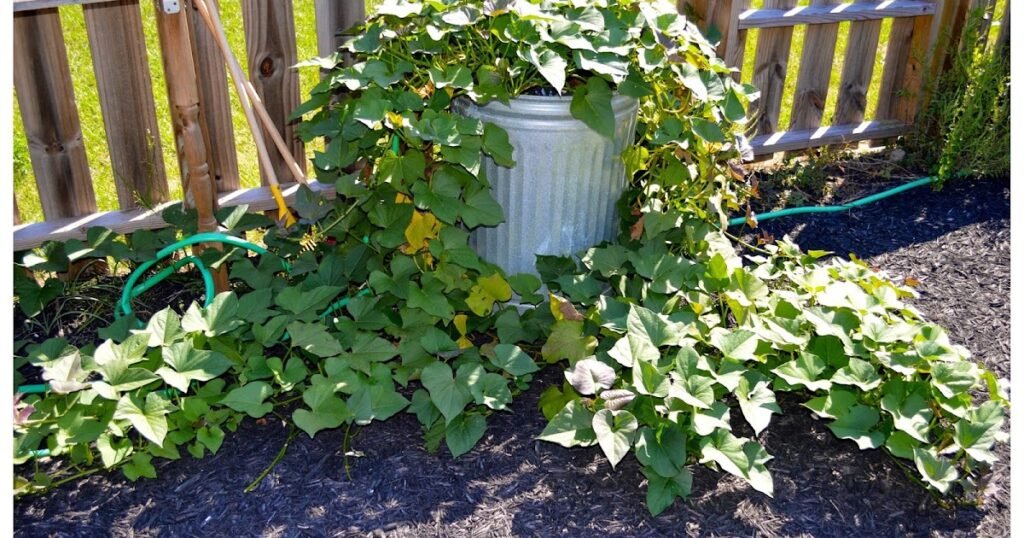
Choosing an appropriate container is crucial for successful sweet potato cultivation. Sweet potatoes require space to develop tubers, so the container must be deep and wide.
- Size: A container should be at least 12-18 inches deep and 18-24 inches wide per plant. Larger containers allow tubers to expand without restriction.
- Material: Containers made of plastic, clay, or fabric are suitable. Plastic containers retain moisture better, while clay pots provide excellent drainage and breathability. Fabric grow bags are ideal for aeration and flexibility.
- Drainage: Ensure the container has adequate drainage holes to prevent waterlogging, which can cause tuber rot.
Choosing Sweet Potato Varieties
Several sweet potato varieties are well-suited for container gardening. Consider the following:
- Compact Varieties: Varieties like ‘Beauregard,’ ‘Georgia Jet,’ or ‘Vardaman’ have shorter vines and are ideal for container growth.
- Taste and Texture: Sweet potatoes come in orange, white, or purple varieties. Orange-fleshed varieties are rich in beta-carotene, while purple varieties contain high antioxidants.
- Maturity Time: Choose early-maturing varieties if you have limited growing seasons; they typically mature in 90-100 days.
Soil Preparation
Sweet potatoes thrive in loose, well-draining soil with a slightly acidic to neutral pH (5.8–6.5). Soil preparation is key for optimal tuber growth:
- Soil Mix: A mixture of loamy soil, compost, and sand is ideal. Compost improves fertility and water retention, while sand ensures proper drainage.
- Fertilization: Avoid high-nitrogen fertilizers, as they encourage excessive vine growth at the expense of tuber formation. Use balanced fertilizers with adequate phosphorus and potassium for root development.
- pH Adjustment: If the soil is too acidic, add agricultural lime to raise the pH; if too alkaline, incorporate organic matter to lower the pH.
Propagation and Planting
Sweet potatoes are typically propagated using slips—young shoots grown from mature tubers:
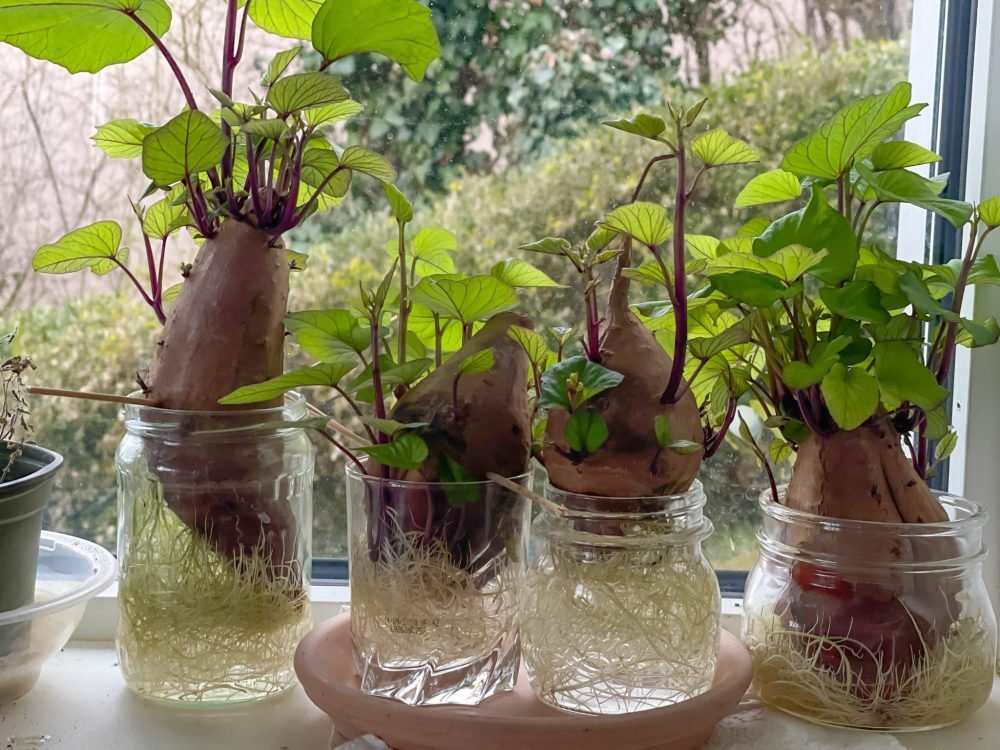
- Preparing Slips: Place a healthy sweet potato in water or moist sand, allowing sprouts to develop in 2-3 weeks. Once the sprouts are 4-6 inches long, gently remove them from the tuber.
- Rooting Slips: Place slips in water for a few days to encourage root formation before planting.
- Planting in Containers: Fill the container with prepared soil, leaving about 2-3 inches of space at the top. Plant slips 2-3 inches deep, covering the roots but keeping the stem upright. Space multiple plants evenly if using a large container.
Watering and Care
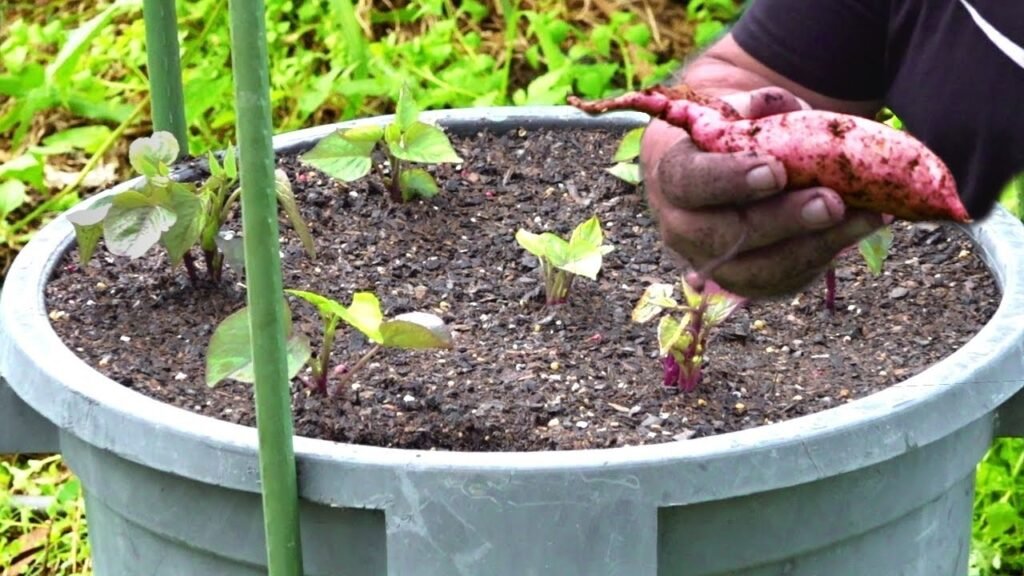
Proper watering and care are crucial to support vigorous vine growth and tuber development:
- Watering: Sweet potatoes need consistent moisture, especially during the first 4-6 weeks. Water thoroughly when the top inch of soil feels dry. Avoid overwatering, as soggy soil can lead to rot.
- Mulching: Use organic mulch, such as straw or dried leaves, to conserve moisture, regulate soil temperature, and suppress weeds.
- Sunlight: Place containers in a location receiving at least 6-8 hours of direct sunlight daily. Insufficient light can reduce tuber yield and cause weak vines.
- Vine Management: Regularly prune excessive vine growth to encourage energy toward tuber production. You can also train vines to climb trellises to save space.
Nutrient Management
Sweet potatoes are relatively low-maintenance but benefit from periodic feeding:
- Organic Fertilizers: Use compost tea, well-rotted manure, or organic liquid fertilizers every 3-4 weeks.
- Avoid Excess Nitrogen: Too much nitrogen promotes leafy growth over tuber formation.
- Micronutrients: Ensure adequate potassium and phosphorus to enhance root and tuber quality.
Pest and Disease Management
Container-grown sweet potatoes are less prone to pests but still require attention:
- Common Pests: Aphids, whiteflies, and sweet potato weevils may attack leaves and stems. Inspect plants regularly and remove pests manually or use insecticidal soaps.
- Diseases: Fungal infections such as leaf blight or root rot can occur in waterlogged conditions. Ensure proper drainage and remove infected leaves promptly.
- Preventive Measures: Rotate planting containers and sterilize tools to minimize disease spread.
Harvesting Sweet Potatoes
Sweet potatoes are usually ready for harvest 90-120 days after planting, depending on the variety:
- Signs of Maturity: Leaves begin to yellow, and vines may start to die back.
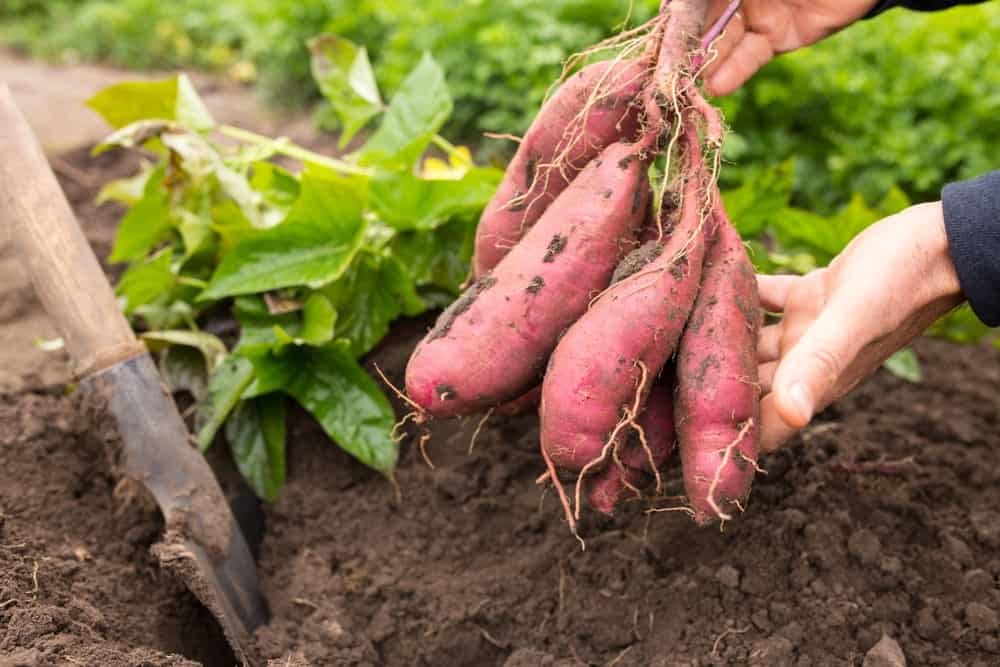
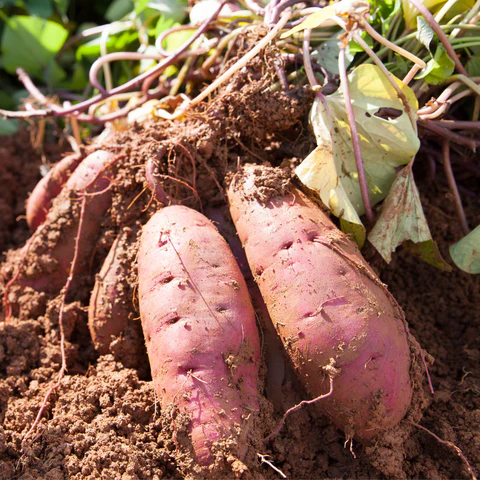
- Harvesting Technique: Carefully dig around the base of the plant, gently lifting tubers without damaging them. Container-grown sweet potatoes are easier to harvest than those in ground soil.
- Curing: Cure harvested tubers in a warm, humid environment (25–30°C and 85–90% humidity) for 7-10 days. Curing enhances sweetness and extends storage life.
Storage Tips
- Store cured sweet potatoes in a cool, dry, and dark place, ideally at 13–16°C.
- Avoid refrigeration, as cold temperatures can alter flavor and texture.
- Properly stored sweet potatoes can last several months, making them a sustainable and long-term food source.
Conclusion
Growing sweet potatoes in containers is a practical and rewarding approach for urban gardeners and anyone with limited space. With careful container selection, soil preparation, proper watering, and pest management, it is possible to cultivate healthy, high-yielding sweet potato plants. Container gardening not only makes sweet potatoes accessible to more people but also allows gardeners to enjoy fresh, homegrown produce year-round. By following the steps outlined in this guide, anyone can successfully grow sweet potatoes in containers, ensuring a nutritious and delicious harvest.