Herb gardening is an increasingly popular practice among home gardeners, food enthusiasts, and urban dwellers. Fresh herbs not only enhance the flavor of meals but also provide numerous health benefits, including vitamins, antioxidants, and natural therapeutic properties. However, traditional herb gardening can be labor-intensive, requiring frequent watering, soil monitoring, and careful attention to plant health. A self-watering herb garden solves these challenges, providing a sustainable, efficient, and low-maintenance approach to growing herbs indoors or outdoors. This article explores the benefits of self-watering systems, materials and techniques for building one, plant selection, and maintenance tips.
Benefits of a Self-Watering Herb Garden
Self-watering herb gardens offer several advantages that make them ideal for beginners, busy individuals, or urban gardeners:
- Water Efficiency: Self-watering systems reduce water wastage by delivering water directly to plant roots. Excess water drains into a reservoir, minimizing evaporation.
- Consistent Moisture: Herbs require steady moisture for optimal growth. Self-watering systems prevent overwatering or underwatering, which can lead to root rot or stunted growth.
- Time-Saving: The automated nature of these systems reduces the frequency of manual watering, allowing gardeners to focus on other tasks.
- Space Optimization: Compact self-watering designs are suitable for balconies, windowsills, or indoor spaces where traditional garden beds are impractical.
- Healthier Plants: Consistent water delivery promotes strong root development, healthier foliage, and higher yields.
Selecting the Right Herbs
Choosing appropriate herbs is the first step in creating a thriving self-watering herb garden. Most herbs grow well in containers and can adapt to a self-watering system. Some excellent choices include:
- Basil: Requires moderate watering and thrives in warm, sunny conditions.
- Mint: Vigorous growth and high water needs make it ideal for self-watering systems.
- Parsley: Prefers consistent moisture and partial sunlight.
- Thyme: Adaptable to various conditions but benefits from controlled watering.
- Cilantro: Sensitive to drought, making a self-watering system perfect for its needs.
- Oregano: Hardy herb that thrives in a well-drained self-watering container.
When selecting herbs, consider their water requirements, growth habits, and sunlight preferences. Combining herbs with similar care needs in the same system ensures consistent growth and prevents stress.
Materials Needed for a Self-Watering Herb Garden
Creating a self-watering herb garden can be accomplished using simple, affordable materials. The essential components include:
- Containers: Two containers are typically required: one for holding the soil and herbs (the planting pot) and one for storing water (the reservoir). Recycled containers, plastic pots, or wooden boxes lined with waterproof material can all work.
- Wicking Material: Materials like cotton rope, strips of cloth, or nylon act as a wick to transfer water from the reservoir to the soil.
- Soil Mix: Herbs thrive in well-draining, nutrient-rich soil. A mix of compost, peat, and perlite or sand provides the ideal balance of moisture retention and drainage.
- Water Reservoir: The reservoir stores water and gradually releases it to the plants. It should be large enough to sustain herbs for several days without refilling.
- Tools: Basic gardening tools such as a trowel, scissors, and watering can may be needed for planting and maintenance.
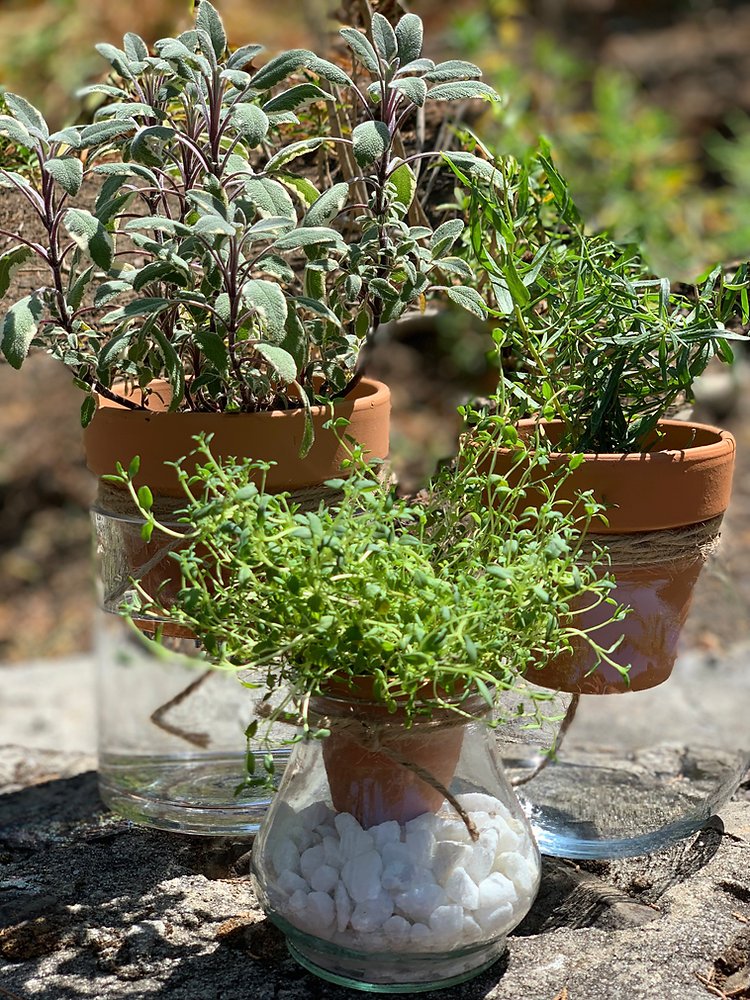
Optional additions include decorative top layers like pebbles or mulch, which help retain moisture and enhance visual appeal.
Building a Self-Watering Herb Garden
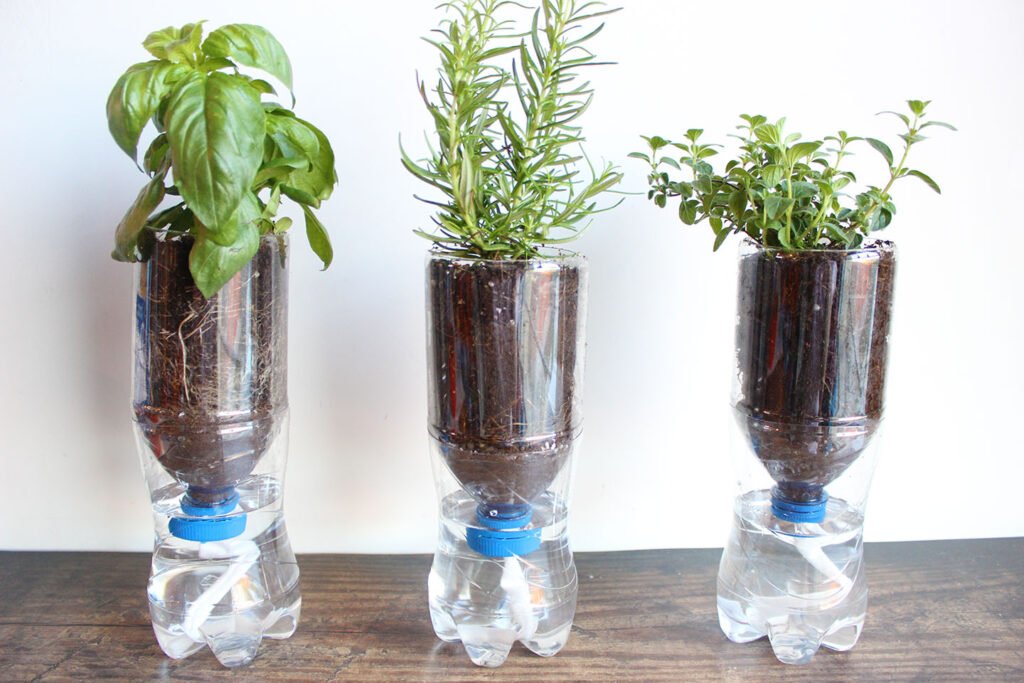
There are several designs for self-watering systems, ranging from simple DIY versions to commercial planters. The fundamental principle involves delivering water from a reservoir to the soil consistently through a wick or capillary action.
Step 1: Prepare the Containers
- Select a planting container that will hold the soil and herbs. Ensure it has a hole or space at the bottom for the wick to pass through.
- Prepare the water reservoir, ensuring it is slightly larger or wider than the planting container for stability.
Step 2: Insert the Wicking System
- Cut a piece of cotton rope or cloth strip long enough to reach from the water reservoir to the bottom of the planting container.
- Insert the wick through the bottom hole, ensuring it makes contact with the soil and the water in the reservoir. This wick will continuously transfer moisture to the roots.
Step 3: Prepare the Soil
- Mix compost, peat, and perlite (or sand) in equal proportions. This combination ensures good drainage, moisture retention, and nutrient availability.
- Fill the planting container with the soil mix, leaving about an inch of space at the top for watering and mulching.
Step 4: Plant the Herbs
- Dig small holes in the soil for each herb plant.
- Gently remove herbs from nursery pots or propagate from seeds or cuttings, then place them in the prepared holes.
- Firm the soil gently around the roots to ensure stability.
Step 5: Fill the Water Reservoir
- Pour water into the reservoir, ensuring the wick is submerged at the bottom.
- Check that water reaches the planting container through the wick, indicating the system is working correctly.
Step 6: Optional Mulching
- Add a layer of pebbles, straw, or organic mulch on the soil surface. Mulching helps retain moisture, reduces evaporation, and keeps the soil temperature stable.
Placement and Sunlight Requirements
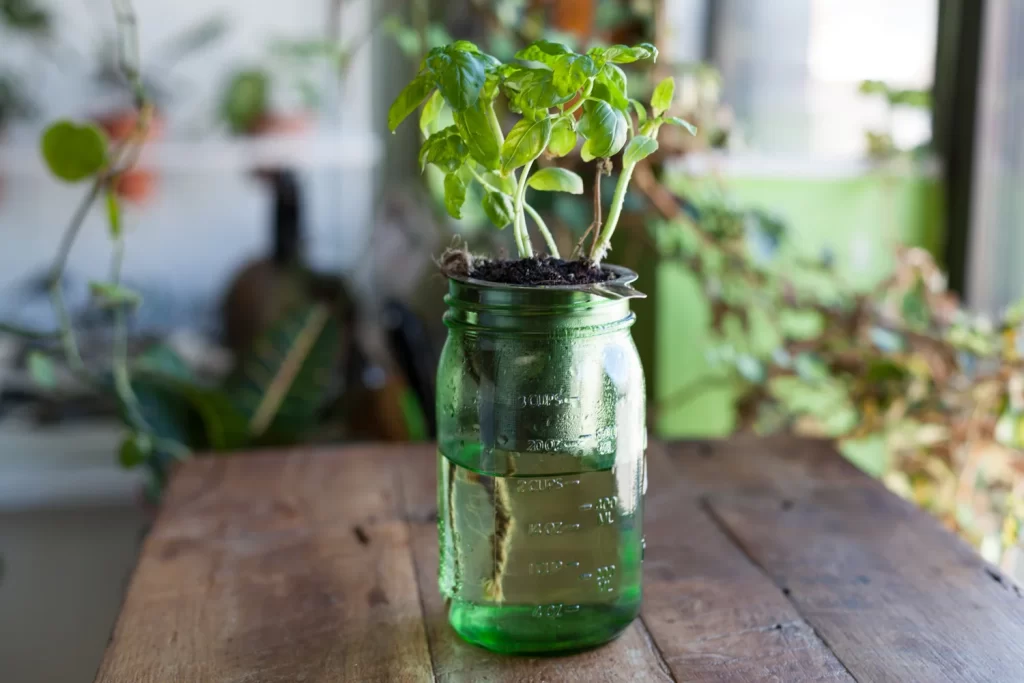
Herbs require varying amounts of sunlight depending on the species. Most common culinary herbs prefer 6-8 hours of sunlight per day. Place your self-watering herb garden:
- Indoors: Near a south-facing window or under grow lights if natural sunlight is insufficient.
- Outdoors: On a balcony, patio, or rooftop with ample sunlight and minimal wind exposure.
Avoid areas prone to heavy rainfall, as excessive water can saturate the reservoir and affect root health.
Maintenance Tips
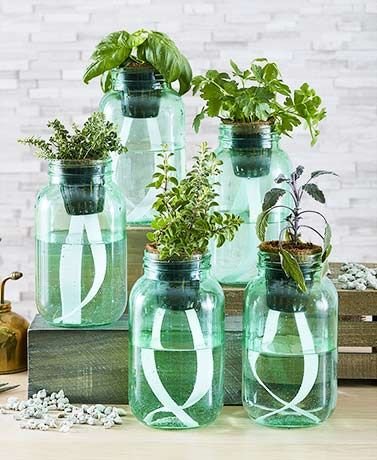
Even though self-watering systems reduce the need for frequent care, regular maintenance is essential:
- Check Water Levels: Refill the reservoir when low to ensure continuous hydration.
- Prune Herbs: Regularly trim herbs to encourage bushier growth and prevent legginess. Harvesting leaves also promotes healthy new growth.
- Monitor Soil Health: Check for compacted soil or salt buildup. Occasionally, remove the top layer and replace it with fresh soil or compost.
- Pest Management: Inspect plants for aphids, mites, or fungal issues. Use organic remedies like neem oil or insecticidal soap if necessary.
- Nutrient Boost: Herbs in self-watering systems benefit from occasional organic fertilization, such as compost tea or diluted liquid fertilizer every 4-6 weeks.
Advantages Over Traditional Gardening
Compared to traditional herb gardening, a self-watering system offers significant benefits:
- Reduced risk of root rot and overwatering.
- Consistent soil moisture improves flavor and growth of herbs.
- Ideal for small spaces and urban living.
- Less labor-intensive, making it suitable for beginners or busy individuals.
- Can be expanded to vertical or multi-tier systems for increased production.
Conclusion
A self-watering herb garden is an efficient, sustainable, and aesthetically pleasing way to cultivate fresh herbs at home. By carefully selecting appropriate herbs, preparing nutrient-rich soil, and building a reliable wicking system, gardeners can enjoy continuous growth with minimal effort. Beyond convenience, self-watering systems promote healthier plants, conserve water, and make herb gardening accessible to urban dwellers and those with limited space. With regular maintenance and proper placement, a self-watering herb garden can provide a steady supply of aromatic and flavorful herbs year-round, enhancing both culinary and health experiences.