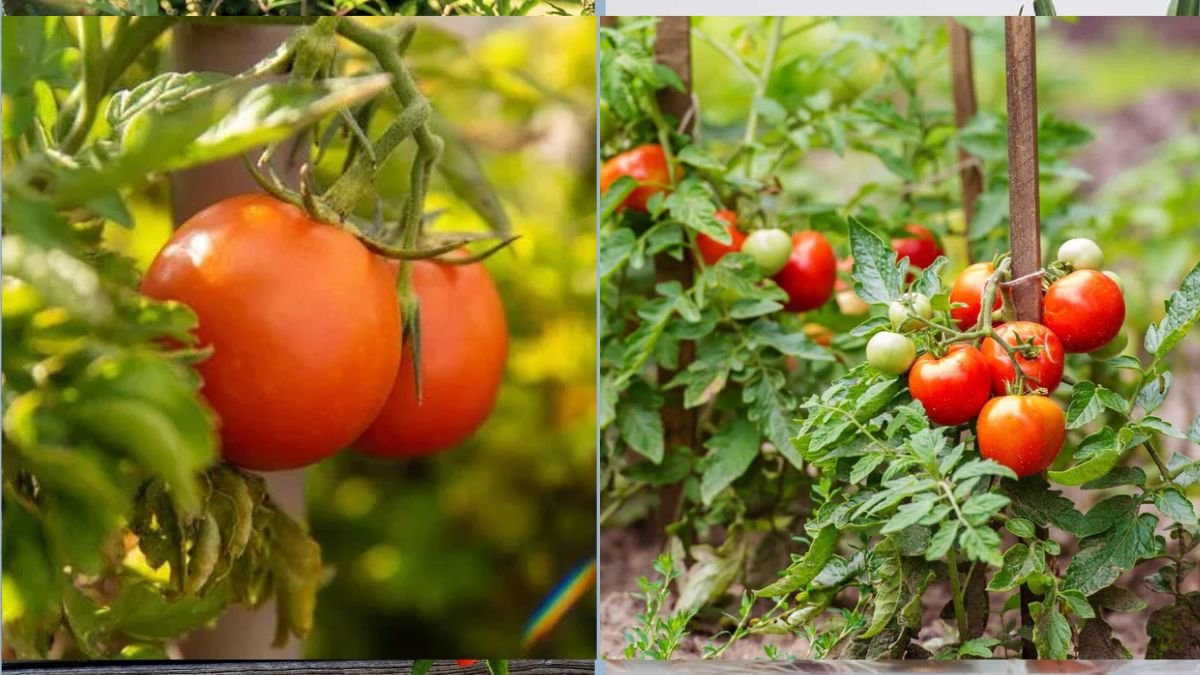
Tomatoes are one of the most widely consumed and versatile vegetables, valued for their rich flavor, nutritional benefits, and culinary versatility. While many people purchase tomato seedlings or seeds, an equally rewarding and sustainable method is to grow tomato plants from kitchen scraps. Using scraps from leftover tomatoes, gardeners can cultivate fresh, healthy plants while reducing waste and saving money. This article provides a comprehensive guide on selecting scraps, preparing planting material, nurturing seedlings, and successfully growing tomato plants from kitchen leftovers.
Why Grow Tomatoes from Kitchen Scraps?
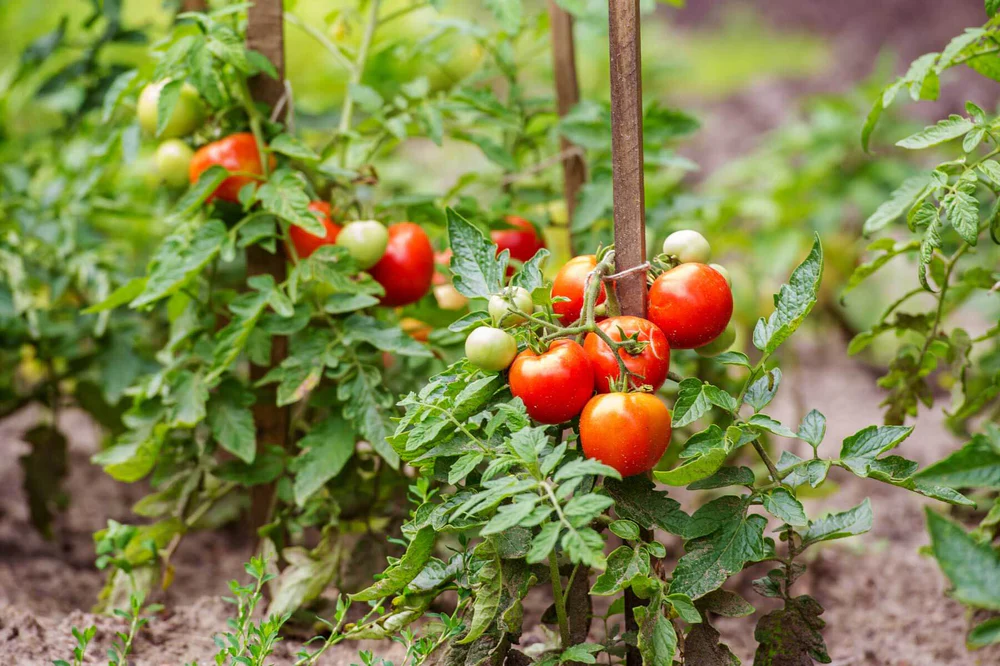
Growing tomatoes from kitchen scraps offers multiple advantages:
- Sustainability: Reduces food waste by repurposing unused tomato parts.
- Cost-Effective: Eliminates the need to purchase seeds or seedlings.
- Educational Value: Provides a hands-on learning experience in plant propagation and growth cycles.
- Satisfaction and Engagement: Watching a plant grow from scraps into a fruit-bearing specimen is rewarding and encourages further gardening.
- Accessibility: Indoor or balcony setups allow year-round experimentation, even in small spaces.
This approach empowers gardeners to transform everyday kitchen waste into productive, sustainable plants.
Choosing the Right Tomato Scraps
Not all tomato scraps are suitable for propagation. Selecting healthy material is critical:
- Type of Scraps: Use firm, mature tomatoes. Avoid overripe or damaged fruits.
- Seed Selection: The seeds are the primary propagation material. Select seeds from tomatoes with thick, healthy flesh and no signs of rot or disease.
- Variety Consideration: Heirloom tomatoes often provide more robust and flavorful plants, while hybrid varieties may produce more uniform results.
Using healthy, high-quality scraps increases the likelihood of successful germination and plant development.
Preparing Tomato Seeds
Proper seed preparation ensures higher germination rates:
- Extraction: Cut the tomato and scoop out the seeds along with surrounding gel.
- Cleaning: Rinse seeds in water to remove pulp. This prevents mold formation during germination.
- Fermentation Method: Place seeds in a jar with a small amount of water for 2–3 days at room temperature. Stir daily to break down the gel coating. Rinse seeds thoroughly after fermentation.
- Drying: Spread seeds on a paper towel or plate and allow them to air-dry completely before planting.
Well-prepared seeds reduce disease risk and improve germination rates for successful propagation.
Choosing Containers and Soil
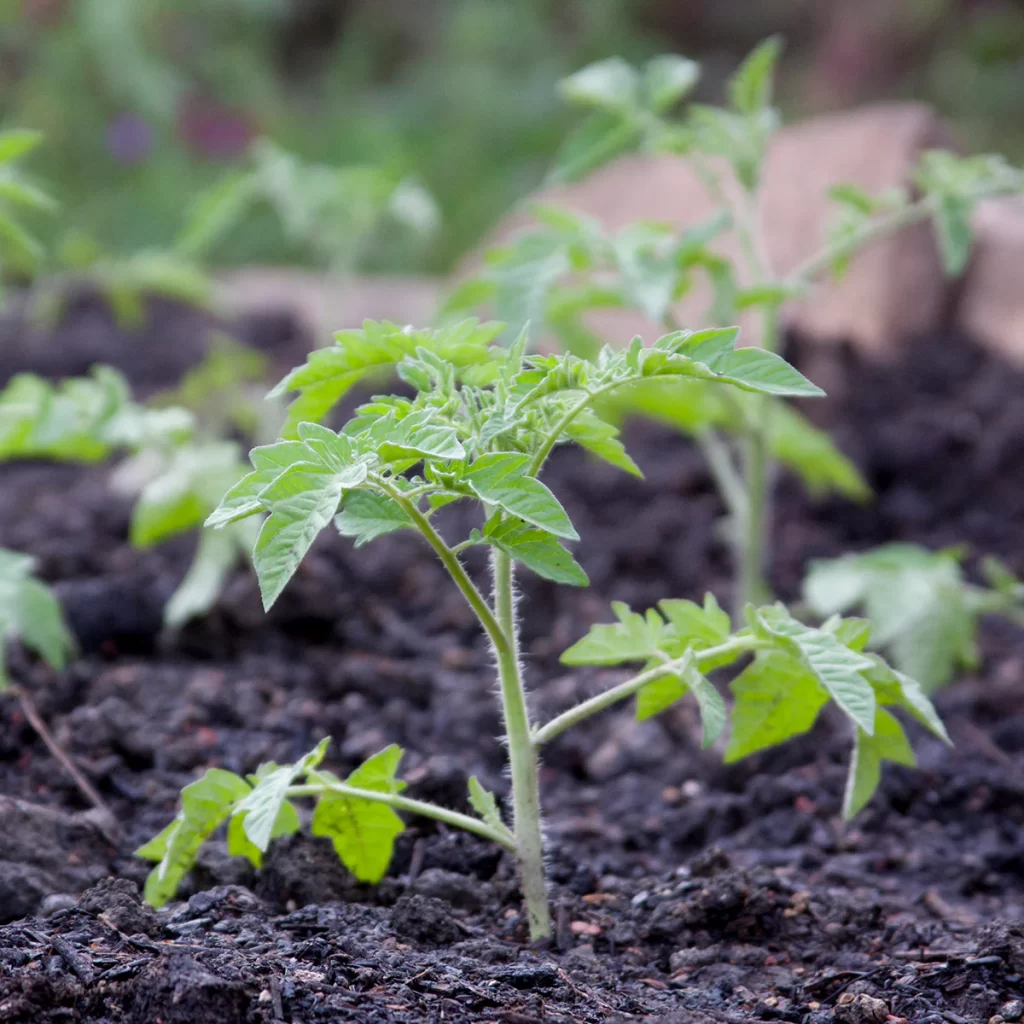
Tomato seedlings require appropriate containers and nutrient-rich soil to thrive:
- Containers: Use small pots, seed trays, or even recycled containers with drainage holes. Seedlings can later be transplanted into larger pots or garden beds.
- Soil Mix: Use light, well-draining potting mix enriched with compost. Avoid heavy garden soil, which can impede root growth.
- pH Level: Tomatoes prefer slightly acidic to neutral soil with a pH of 6.0–7.0.
Proper container size and soil composition support strong root development and healthy plant growth.
Planting Tomato Seeds
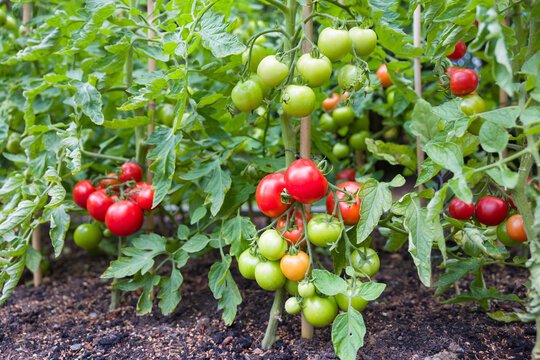
Planting seeds correctly is crucial for germination:
- Depth: Sow seeds about ¼ inch deep in moist soil.
- Spacing: Use individual cells in trays or small containers to prevent overcrowding.
- Watering: Lightly water after sowing to settle soil around seeds.
- Temperature: Maintain a warm environment (70–75°F) for optimal germination.
Following proper planting techniques ensures healthy seedlings with strong initial growth.
Light and Temperature Requirements
Tomato seedlings require sufficient light and warmth:
- Sunlight: Provide 6–8 hours of bright, indirect sunlight daily. South- or west-facing windows are ideal.
- Artificial Light: In low-light conditions, use LED grow lights for 12–16 hours daily. Position lights 6–12 inches above seedlings.
- Temperature: Keep seedlings in a stable environment, avoiding cold drafts or extreme heat. Warm daytime temperatures and slightly cooler nights support healthy development.
Adequate light and temperature are essential for robust seedling growth and early development.
Watering and Humidity
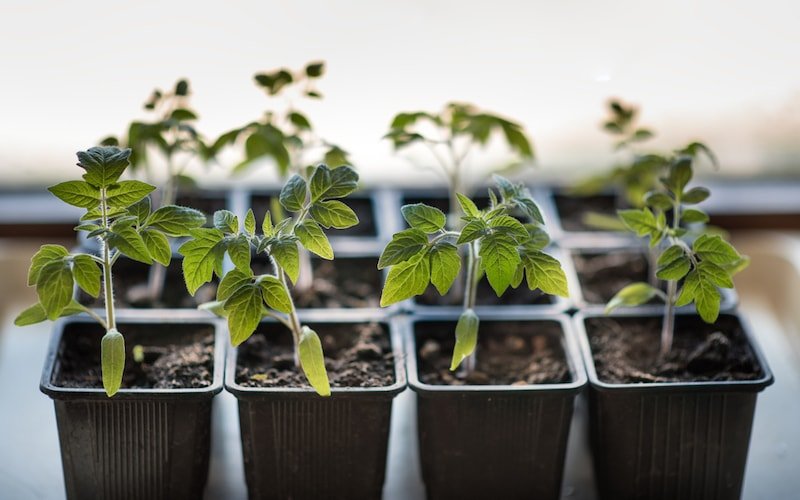
Consistent moisture is critical for seedling survival:
- Frequency: Keep soil evenly moist but not waterlogged. Overwatering can cause root rot.
- Method: Use a gentle spray or watering can to avoid displacing seeds.
- Humidity: Cover trays or containers with a plastic dome or clear wrap to retain humidity until seeds germinate. Remove cover gradually as seedlings grow.
Proper watering techniques encourage strong roots and prevent fungal issues.
Thinning and Transplanting
Once seedlings develop 2–3 true leaves, they require thinning and preparation for larger containers:
- Thinning: Remove weaker seedlings, leaving the strongest plants to prevent competition.
- Transplanting: Transfer seedlings to larger containers 3–4 inches deep. Bury the stem up to the first set of leaves to encourage additional root development along the buried stem.
- Soil Care: Use nutrient-rich potting mix and gently firm soil around roots.
Transplanting strengthens seedlings and prepares them for continuous growth and fruiting.
Fertilization and Nutrition
Tomatoes are heavy feeders and benefit from regular fertilization:
- Seedling Stage: Apply diluted liquid fertilizer every 2 weeks.
- Mature Plants: Use balanced organic fertilizers or compost tea to support flowering and fruiting.
- Micronutrients: Ensure adequate calcium, magnesium, and potassium for strong fruit development and disease resistance.
Balanced nutrition ensures vigorous growth, robust flowers, and abundant fruit production.
Supporting Tomato Plants
As tomato plants grow, they require support for stems and fruit:
- Stakes and Cages: Use wooden or metal stakes, tomato cages, or trellises to keep plants upright.
- Pruning: Remove lower leaves and excess side shoots to improve air circulation and direct energy to fruit production.
- Training: Tie main stems loosely to supports to prevent breakage.
Proper support prevents damage, encourages airflow, and results in straight, healthy fruit.
Pollination and Flowering
Indoor tomato plants may require assistance with pollination:
- Manual Pollination: Gently shake flowers or use a small brush to transfer pollen between flowers.
- Air Circulation: Use a fan to simulate natural wind, aiding pollination and fruit set.
Effective pollination ensures uniform fruit development and maximizes yield.
Pest and Disease Management
Indoor tomato plants are less susceptible to pests but require vigilance:
- Common Pests: Aphids, whiteflies, and spider mites.
- Organic Control: Neem oil, insecticidal soap, or manual removal of pests are safe and effective.
- Disease Prevention: Avoid overwatering, ensure proper drainage, and maintain good air circulation to prevent fungal infections.
Proactive monitoring protects plants and ensures healthy growth.
Harvesting Tomatoes
Harvesting at the right time is essential for optimal flavor and nutrition:
- Indicators: Pick tomatoes when they are fully colored and firm to the touch.
- Technique: Gently twist or cut fruit from the stem to avoid damaging the plant.
- Continuous Harvest: Regularly picking ripe tomatoes encourages further flowering and fruiting.
Timely harvesting ensures a steady supply of fresh, flavorful tomatoes.
Sustainability and Home Gardening Benefits
Growing tomatoes from kitchen scraps contributes to sustainability and urban gardening:
- Waste Reduction: Repurposing seeds reduces food waste.
- Cost Savings: Avoids purchasing seeds or seedlings.
- Urban Gardening: Container setups make tomato cultivation feasible in apartments or small balconies.
- Healthy Eating: Access to fresh, chemical-free tomatoes supports nutritious meals.
This practice combines environmental responsibility with practical benefits for home gardeners.
Conclusion
Starting tomato plants from kitchen scraps is a simple, cost-effective, and sustainable way to grow fresh, flavorful vegetables at home. By selecting healthy scraps, properly preparing seeds, providing suitable containers and soil, and maintaining optimal light, water, and nutrition, gardeners can enjoy productive tomato plants year-round. Indoor setups, balcony gardens, or small kitchen gardens are all suitable environments for growing tomatoes from scraps, making this approach accessible to anyone. With careful care, support, and monitoring, kitchen scraps transform into thriving, fruit-bearing tomato plants, offering both culinary and educational rewards while promoting sustainable gardening practices.