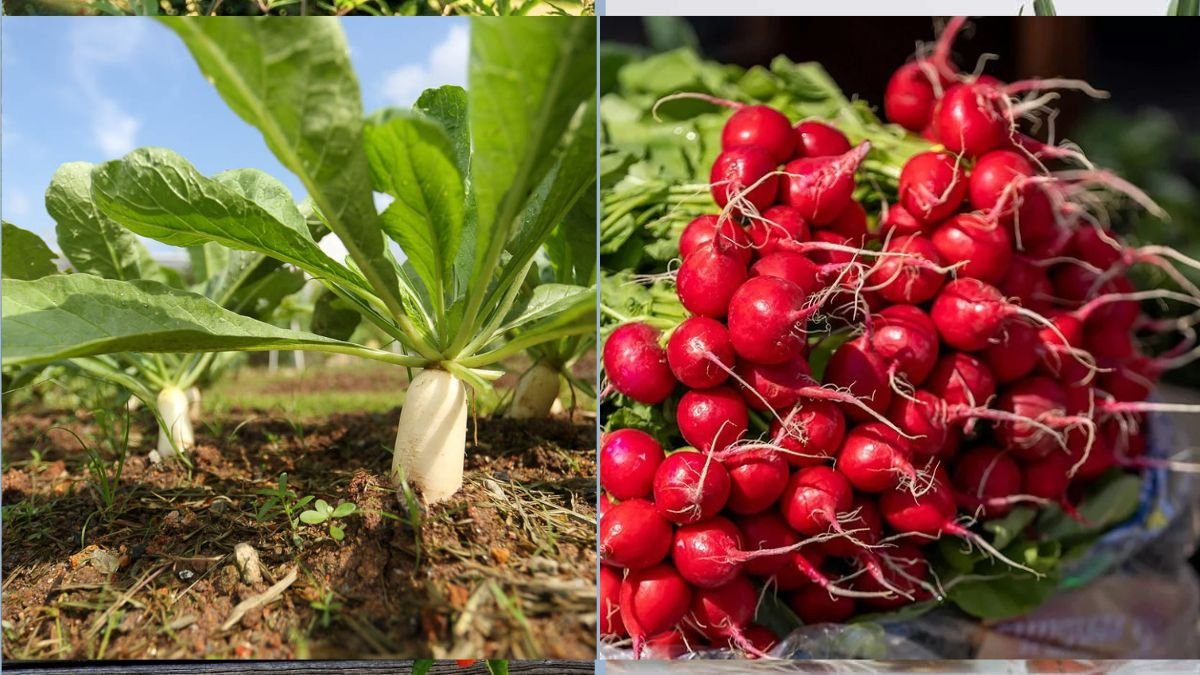
Radishes (Raphanus sativus) are fast-growing root vegetables valued for their crisp texture, peppery flavor, and high nutritional content. Rich in vitamin C, fiber, and antioxidants, radishes are versatile in salads, garnishes, and snacks. Their rapid growth cycle, often maturing in 20–30 days, makes them ideal for home gardeners seeking quick, rewarding harvests. Radishes can thrive in small spaces, containers, and even indoor gardens, making them perfect for urban and limited-space gardening. This article provides a comprehensive guide to planting, nurturing, and harvesting radishes efficiently, with a focus on optimizing growth and maximizing yields.
Why Grow Radishes Quickly?
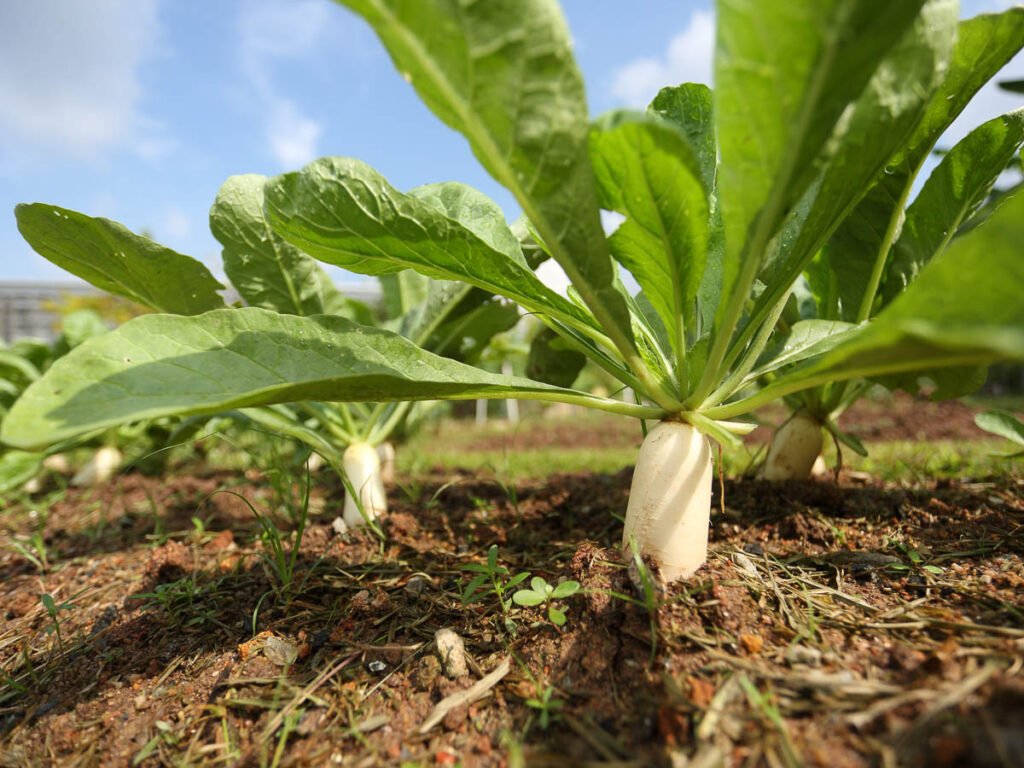
Radishes are uniquely suited to fast cultivation due to their short life cycle:
- Rapid Growth: Many varieties mature in as little as three to four weeks, offering quick rewards for gardeners.
- Space Efficiency: Compact root systems make radishes ideal for containers, raised beds, and small garden plots.
- Nutritional Value: Packed with vitamins, antioxidants, and fiber, radishes are a healthy addition to any diet.
- Succession Planting: Their quick growth allows multiple plantings in a single season for continuous harvests.
- Beginner-Friendly: Radishes are easy to grow, making them suitable for novice gardeners or educational projects.
These advantages make radishes an excellent choice for home gardening and rapid production.
Selecting Radish Varieties
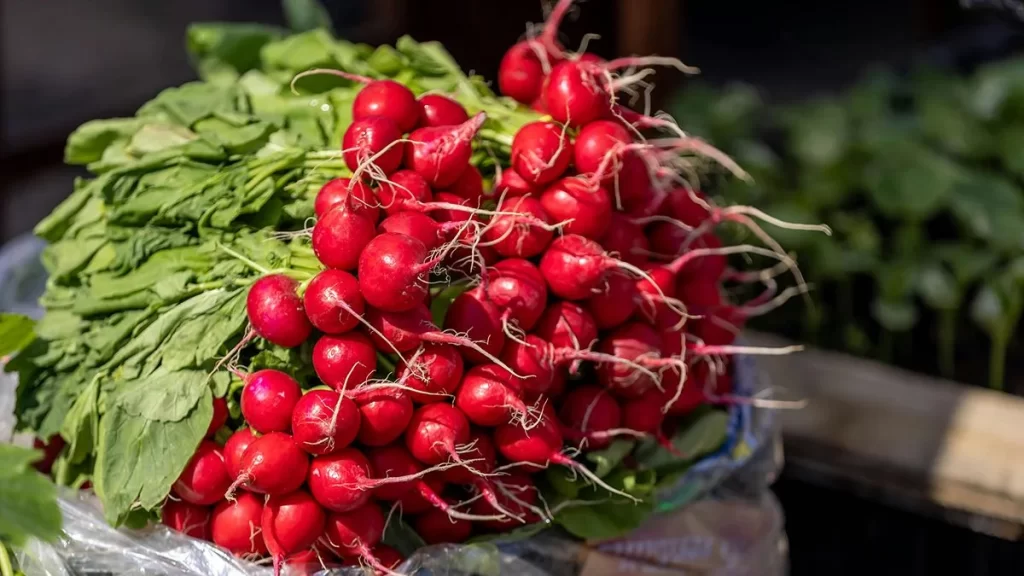
Choosing the right variety is essential for fast growth and high yields:
- Cherry Belle: Round, red radishes that mature in 25–30 days.
- French Breakfast: Oblong, pink-and-white radishes with mild flavor, ready in 25 days.
- White Icicle: Elongated white radishes that grow quickly in 30 days.
- Easter Egg: Colorful variety producing red, pink, purple, or white radishes in about 30 days.
- Baby Leaf Varieties: For microgreens or tender leaves, harvested in 15–20 days.
Choosing fast-maturing varieties ensures quick results and enables multiple harvests within a single growing season.
Choosing Containers and Soil
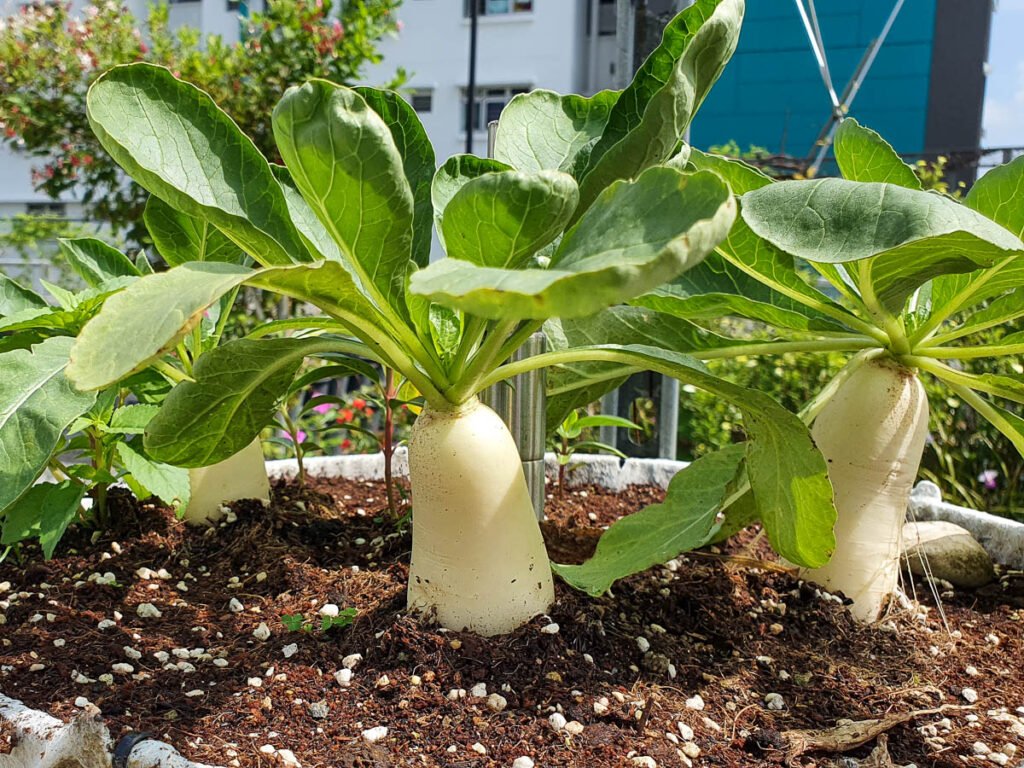
Radishes thrive in well-prepared containers and fertile soil:
- Container Size: Minimum depth of 6–8 inches for root development. Wider containers allow multiple radishes to grow side by side.
- Material: Plastic, clay, or ceramic pots with drainage holes to prevent waterlogging.
- Soil Composition: Light, loose, well-draining soil enriched with compost or organic matter. Avoid compacted soils, which hinder root growth.
- pH Level: Slightly acidic to neutral soil, 6.0–7.0, supports healthy radish development.
Proper containers and nutrient-rich, well-draining soil enable uniform root formation and rapid growth.
Planting Radishes for Quick Growth
Correct planting techniques accelerate radish growth:
- Seeds: Sow seeds directly in containers or garden beds, ½ inch deep.
- Spacing: Thin seedlings to 1–2 inches apart for small radishes and 2–3 inches for larger varieties. Crowding reduces root size and slows growth.
- Succession Planting: Plant seeds every 1–2 weeks for continuous harvests.
- Watering: Lightly water after sowing to settle soil and maintain consistent moisture during germination.
Proper planting ensures fast germination, strong seedlings, and uniform root development.
Light and Temperature Requirements
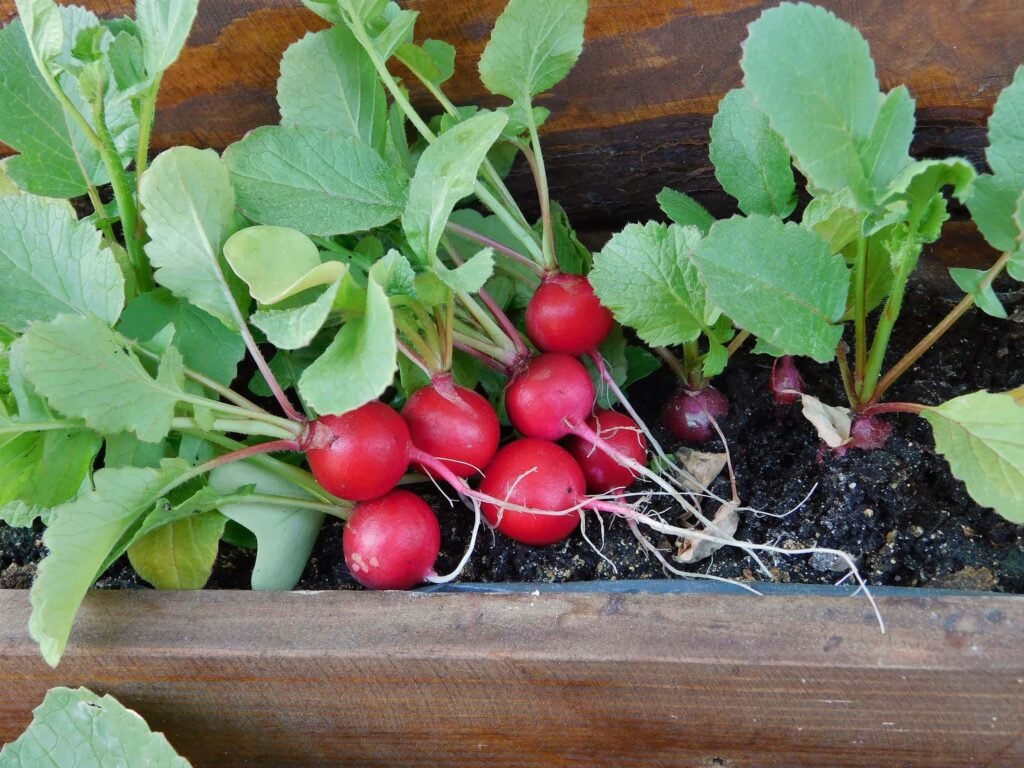
Radishes grow best in cool, well-lit conditions:
- Sunlight: Provide 6–8 hours of direct sunlight daily. Indoor gardeners can use south-facing windows or balcony setups.
- Artificial Lighting: In low-light conditions, full-spectrum LED grow lights for 12–14 hours daily encourage rapid growth.
- Temperature: Ideal growth occurs at 50–70°F. Higher temperatures may cause radishes to bolt or develop a pungent taste.
Adequate light and optimal temperatures ensure fast root growth and crisp, tender radishes.
Watering and Moisture Control
Consistent soil moisture is critical for rapid radish growth:
- Frequency: Keep soil evenly moist, but not waterlogged. Radishes are sensitive to drought and uneven watering, which can cause split roots.
- Method: Water at the base of plants to avoid wetting foliage and reducing fungal risks.
- Mulching: Apply a thin layer of straw or coconut coir to retain soil moisture and regulate temperature.
Consistent moisture encourages fast germination, uniform roots, and tender leaves.
Fertilization and Nutrient Management
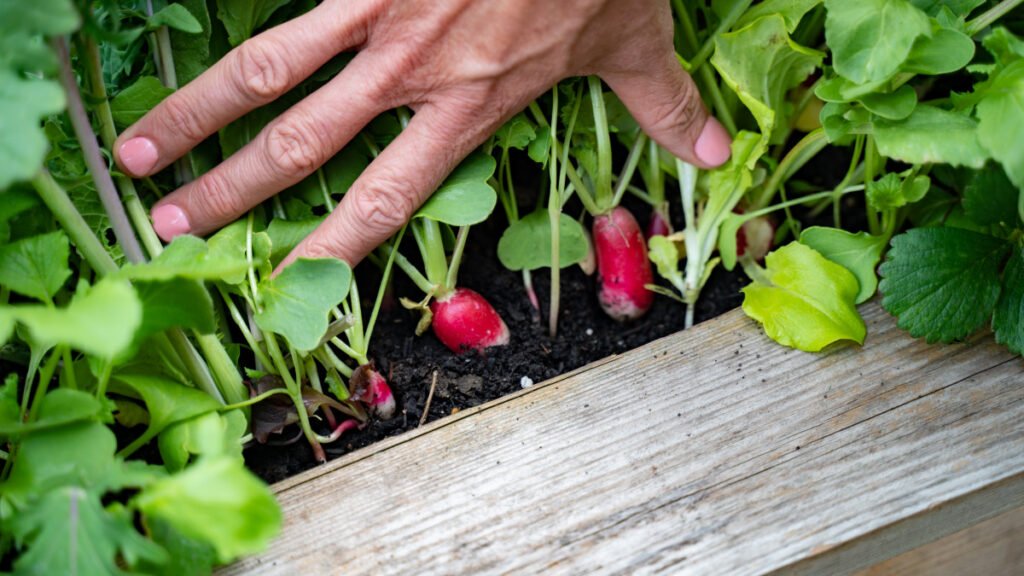
Radishes benefit from balanced nutrients for rapid development:
- Pre-Planting Enrichment: Incorporate compost or well-rotted organic matter into soil.
- Supplementary Fertilization: Use diluted liquid fertilizers high in phosphorus and potassium to promote root growth. Avoid excessive nitrogen, which encourages leafy growth at the expense of root development.
- Balanced Nutrition: Supports uniform, fast-growing roots with optimal size and flavor.
Adequate nutrition ensures high-quality, quickly maturing radishes suitable for daily harvests.
Pest and Disease Management
Even fast-growing radishes require attention to pests and diseases:
- Common Pests: Aphids, flea beetles, root maggots, and slugs.
- Organic Controls: Neem oil, insecticidal soap, floating row covers, or handpicking pests.
- Disease Prevention: Ensure good drainage, avoid overcrowding, and rotate crops to prevent soil-borne pathogens like clubroot or damping-off.
Vigilant monitoring prevents yield loss and maintains healthy, rapidly growing roots.
Harvesting Radishes Quickly
Harvesting radishes at the right stage maximizes quality and speed:
- Maturity Indicators: Radishes are ready when roots reach desired size and firmness. Small, round varieties may mature in 25 days, while longer types may require up to 30 days.
- Technique: Gently pull roots from soil to avoid damage. Harvest outer radishes first, leaving smaller ones to continue growing.
- Continuous Harvest: Succession planting allows for regular, frequent harvests, ensuring a continuous supply of fresh radishes.
Proper harvesting ensures crisp, flavorful radishes and encourages subsequent rounds of growth.
Space Optimization in Small Gardens
Radishes are ideal for small spaces due to their compact root systems:
- Container Gardening: Use shallow trays or pots to grow radishes indoors or on balconies.
- Vertical Gardening: Pair radishes with companion plants above or alongside them to maximize space.
- Succession Planting: Sow seeds every 1–2 weeks for continuous production without overcrowding.
Efficient space management allows multiple harvests in limited areas.
Sustainability and Health Benefits
Growing radishes quickly supports sustainable and healthy living:
- Chemical-Free Produce: Homegrown radishes avoid synthetic fertilizers and pesticides.
- Nutritional Value: High in vitamin C, fiber, antioxidants, and minerals, radishes enhance diet quality.
- Waste Reduction: Growing at home reduces reliance on store-bought produce, transportation, and packaging waste.
- Urban Gardening: Container and indoor cultivation make fresh vegetables accessible in apartments and small urban spaces.
Quick radish gardening combines health, sustainability, and convenience for modern urban lifestyles.
Conclusion
Radishes are uniquely suited for rapid cultivation, offering fresh, nutritious, and flavorful roots in as little as three to four weeks. By selecting fast-maturing varieties, using nutrient-rich soil, ensuring adequate light, maintaining consistent moisture, and providing balanced nutrition, gardeners can achieve rapid growth and continuous harvests. Proper pest management, container selection, and succession planting further enhance productivity, even in small indoor or balcony gardens. Growing radishes quickly is an efficient, sustainable, and rewarding approach to home gardening, allowing urban gardeners and small-space enthusiasts to enjoy a steady supply of crisp, vibrant, and healthy radishes for daily salads, snacks, and culinary use. With careful planning and consistent attention, radishes transform limited spaces into productive, nutrient-rich vegetable gardens, offering both convenience and satisfaction.