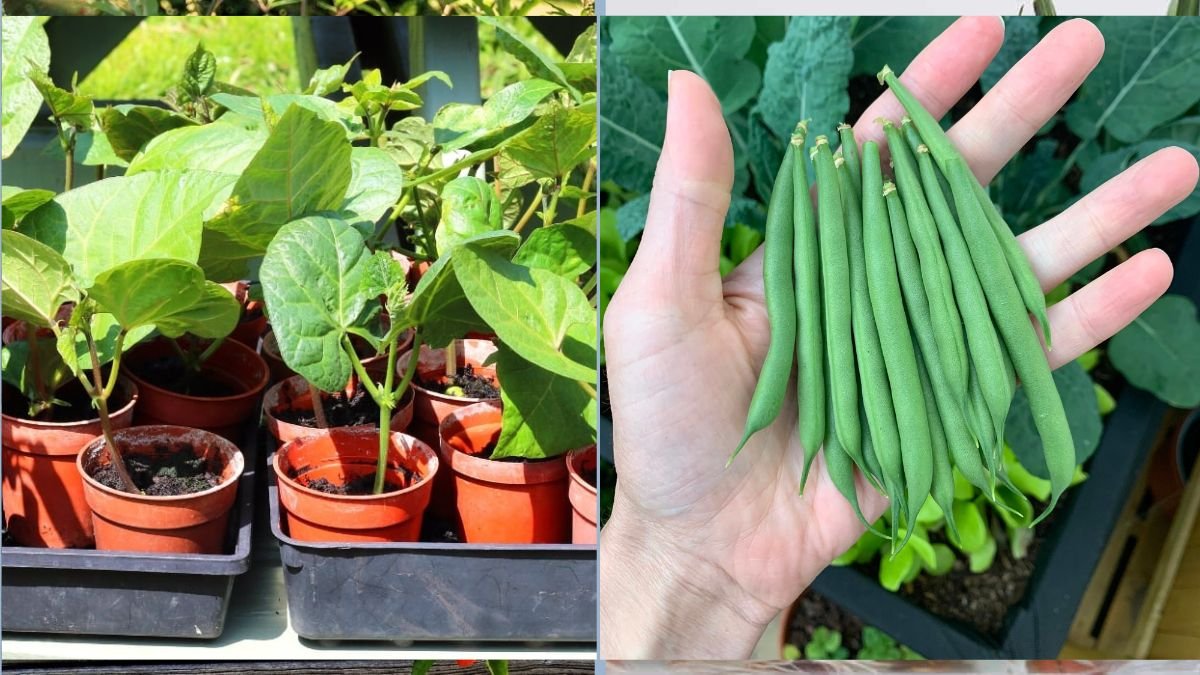
Beans (Phaseolus spp.) are among the most versatile and nutritious vegetables, prized for their protein content, fiber, vitamins, and minerals. Traditionally grown in garden beds, beans can thrive in pots, making them ideal for urban dwellers, apartment residents, and gardeners with limited outdoor space. Container-grown beans offer the opportunity to enjoy fresh, chemical-free produce year-round, with the added benefit of quick, satisfying harvests. This article provides a comprehensive guide to growing beans in pots, covering variety selection, container and soil preparation, planting, care, pest management, and harvesting strategies.
Why Grow Beans in Pots?
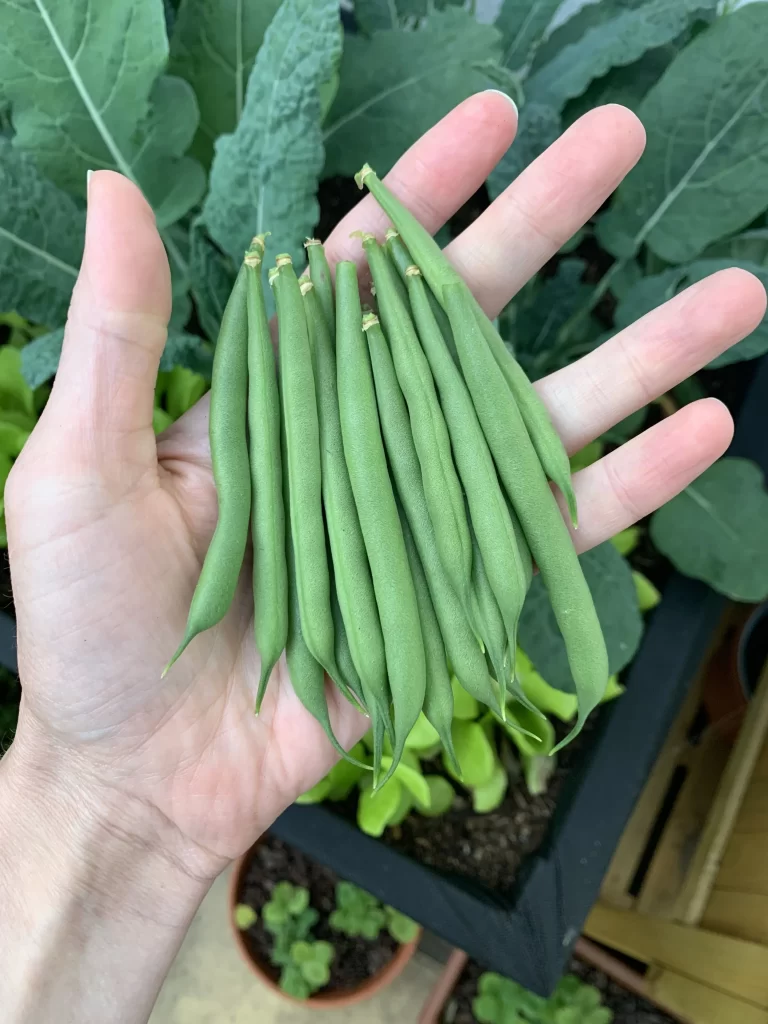
Growing beans in pots provides numerous advantages:
- Space Efficiency: Perfect for small patios, balconies, and urban gardens.
- Nutritional Value: Beans are rich in protein, fiber, folate, and antioxidants.
- Quick Harvest: Many varieties mature rapidly, allowing multiple plantings and continuous harvests.
- Chemical-Free Produce: Container gardening allows full control over soil and fertilizers, ensuring organic growth.
- Beginner-Friendly: Beans are easy to cultivate, making them ideal for novice gardeners.
These benefits make beans an excellent choice for container gardening, combining nutrition, convenience, and sustainability.
Selecting Bean Varieties for Pots
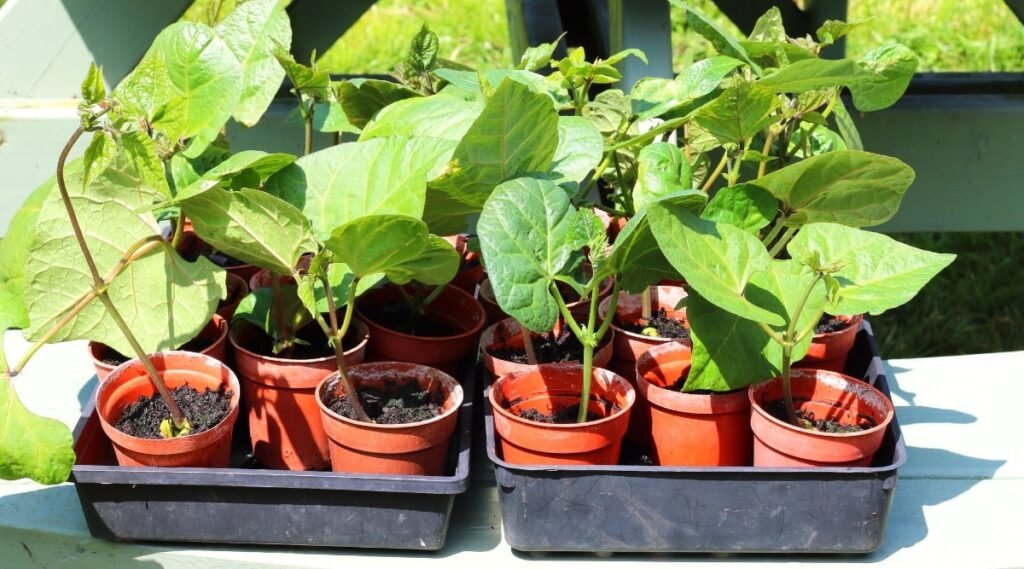
Choosing the right variety is crucial for container success:
- Bush Beans (Determinate): Compact plants ideal for small pots, maturing quickly and producing a concentrated harvest. Examples: “Contender,” “Provider.”
- Climbing/ Pole Beans (Indeterminate): Require vertical support and produce continuously throughout the season. Examples: “Blue Lake,” “Scarlet Runner.”
- Snap Beans: Eaten whole, these beans are sweet, crisp, and ideal for fresh salads.
- Shell Beans: Grown for seeds, these beans are nutritious and suitable for container cultivation.
- Dwarf Varieties: Compact beans designed specifically for pot cultivation with limited space.
Selecting compact, fast-maturing, and disease-resistant varieties ensures manageable growth and high yields in containers.
Choosing Containers and Soil
The right container and soil are critical for healthy bean growth:
- Container Size: Minimum depth of 12 inches for bush beans and 18 inches for pole beans. Width of 12–15 inches per plant allows proper root development.
- Material: Plastic, ceramic, or clay pots with drainage holes prevent waterlogging and root rot.
- Soil Composition: Well-draining, fertile potting mix enriched with compost or organic matter is ideal. Avoid heavy, compacted soils.
- pH Level: Slightly acidic to neutral soil, with a pH of 6.0–7.0, promotes strong growth.
Proper containers and nutrient-rich soil enable robust root systems, vigorous plants, and abundant pod production.
Planting Beans in Pots
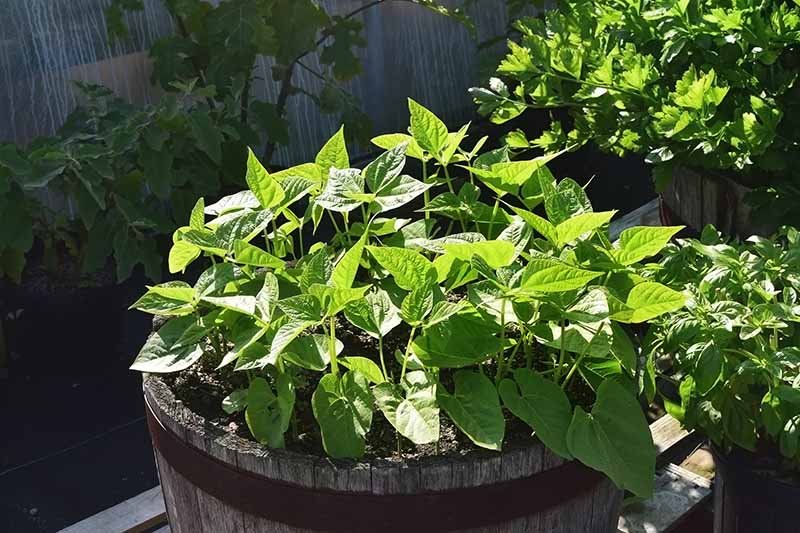
Correct planting techniques enhance growth and productivity:
- Seeds: Sow seeds directly in pots 1–2 inches deep. Space bush beans 3–4 inches apart and pole beans 4–6 inches apart.
- Watering: Lightly water after planting to settle the soil. Maintain consistent moisture during germination.
- Germination: Beans typically sprout within 7–14 days, depending on variety and environmental conditions.
- Succession Planting: Sow seeds every 2–3 weeks for continuous harvests.
Proper planting ensures healthy seedlings, rapid growth, and uniform pod development.
Providing Support for Climbing Beans
Most climbing beans benefit from vertical support to maximize space:
- Trellises: Bamboo stakes, wooden frames, or metal trellises provide sturdy support.
- Netting: Lightweight garden netting guides vines efficiently.
- String Supports: Strings attached from the container to an overhead structure help vines grow vertically.
- Training Vines: Tie stems loosely to supports to prevent breakage as plants mature.
Support structures enhance sunlight exposure, airflow, and pod formation, making them essential for container-grown pole beans.
Light and Temperature Requirements
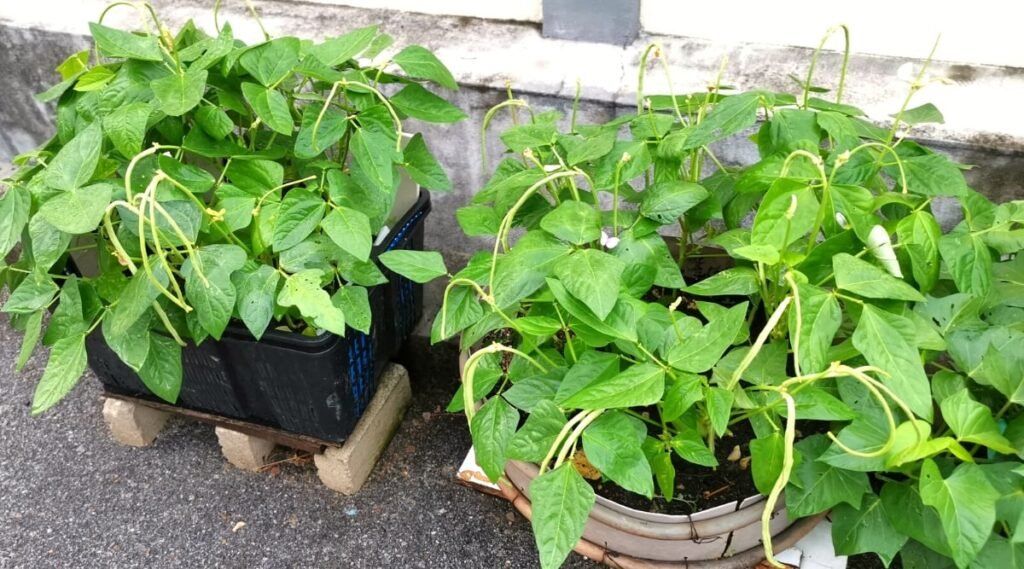
Beans require sufficient light and warm conditions:
- Sunlight: Provide 6–8 hours of direct sunlight daily. Place pots near south- or west-facing windows, balconies, or patios.
- Artificial Lighting: For low-light conditions, use full-spectrum LED grow lights for 12–14 hours daily.
- Temperature: Optimal daytime temperatures range from 65–85°F. Beans are sensitive to frost and may not thrive in excessively cold conditions.
Adequate light and stable warmth encourage flowering, pod set, and healthy growth.
Watering and Moisture Management
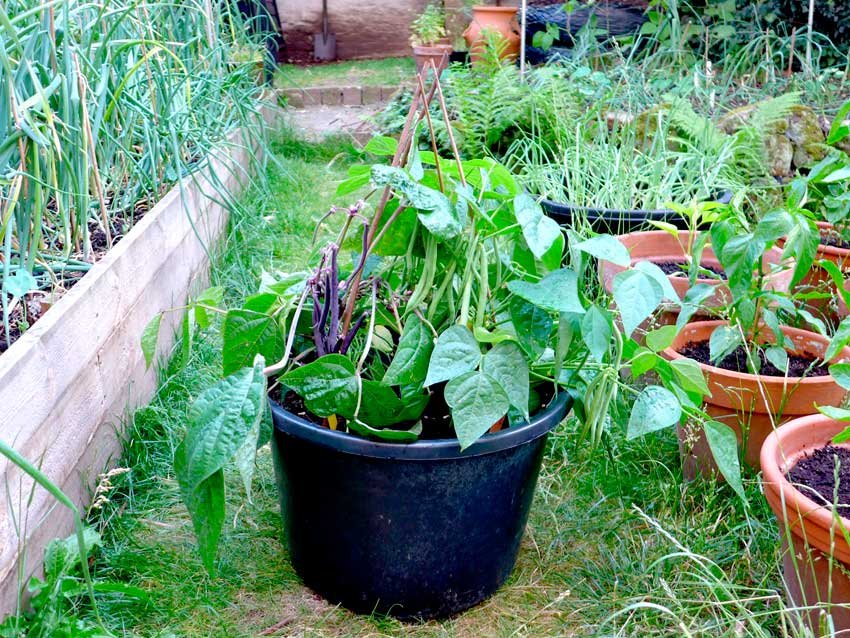
Proper watering is key to rapid and healthy bean growth:
- Frequency: Keep soil consistently moist but not waterlogged. Beans are sensitive to both drought and excess water.
- Method: Water at the base of the plant to avoid wetting foliage and reduce fungal risks.
- Mulching: Apply straw, coconut coir, or bark mulch to retain soil moisture and regulate temperature.
Consistent moisture supports strong roots, vigorous plants, and crisp, tender pods.
Fertilization and Nutrient Management
Beans are nitrogen-fixing but benefit from balanced nutrients, especially early in growth:
- Pre-Planting Enrichment: Mix compost or well-rotted organic matter into soil.
- Ongoing Fertilization: Use low-nitrogen fertilizers; phosphorus and potassium support flowering and pod formation.
- Avoid Over-Fertilization: Excess nitrogen encourages leafy growth at the expense of pods.
Balanced nutrition ensures robust, healthy plants capable of producing abundant, flavorful beans.
Pest and Disease Management
Container-grown beans may face pests and diseases even in small spaces:
- Common Pests: Aphids, spider mites, and leafhoppers.
- Organic Controls: Neem oil, insecticidal soap, floating row covers, or manual removal of pests. Companion planting with herbs like basil or mint can deter insects.
- Disease Prevention: Ensure proper drainage, adequate spacing, and good airflow. Avoid overhead watering to reduce fungal infections like powdery mildew.
Proactive monitoring and care maintain plant health and maximize yields.
Harvesting Beans
Timely harvesting enhances flavor and productivity:
- Indicators: Pick beans when pods are firm, tender, and before seeds enlarge excessively.
- Technique: Gently pinch or cut pods from vines to prevent plant damage.
- Continuous Harvest: Regular harvesting encourages further flowering and pod production.
Proper harvesting ensures sweet, crisp beans and promotes extended production.
Space Optimization for Container Gardens
Maximizing small spaces improves productivity:
- Vertical Gardening: Use trellises, stacked containers, or wall-mounted racks to grow multiple plants efficiently.
- Succession Planting: Sow new seeds every 2–3 weeks to maintain continuous harvests without overcrowding.
- Companion Planting: Grow herbs or small vegetables alongside beans to optimize container use and deter pests.
Smart space utilization allows abundant bean production in limited areas.
Sustainability and Health Benefits
Container-grown beans support sustainable gardening and a nutritious diet:
- Chemical-Free Produce: Homegrown beans are free from synthetic fertilizers and pesticides.
- Nutritional Value: Rich in protein, fiber, vitamins, and minerals, beans contribute to a healthy diet.
- Urban Gardening: Container setups make fresh vegetables accessible in apartments and urban areas.
- Environmental Responsibility: Reduces reliance on store-bought beans, packaging, and transportation.
Growing beans in pots combines sustainability, convenience, and nutrition.
Conclusion
Beans thrive in pots when provided with suitable soil, containers, light, water, and care. By selecting appropriate bush or climbing varieties, ensuring well-draining soil, implementing proper support, and maintaining consistent watering and balanced nutrition, gardeners can achieve continuous, high-quality yields. Regular harvesting, pest management, and succession planting further enhance productivity even in limited spaces. Container-grown beans provide fresh, chemical-free produce, supporting healthy eating, sustainability, and urban gardening. With careful planning, attentive care, and strategic space optimization, even small balconies or patios can yield abundant, flavorful beans for daily meals, salads, and cooking, bringing the satisfaction of home gardening to urban living spaces.