
Growing cucumbers on a tiny balcony may seem challenging at first, but with proper planning, the right varieties, and smart techniques, even small spaces can produce a bountiful harvest. Cucumbers are fast-growing, refreshing, and versatile vegetables that can thrive in containers, making them ideal for urban gardeners or families with limited outdoor space. This article provides a comprehensive step-by-step guide for cultivating cucumbers on tiny balconies, covering everything from variety selection and container choice to care routines and harvesting strategies.
Benefits of Growing Cucumbers on Balconies
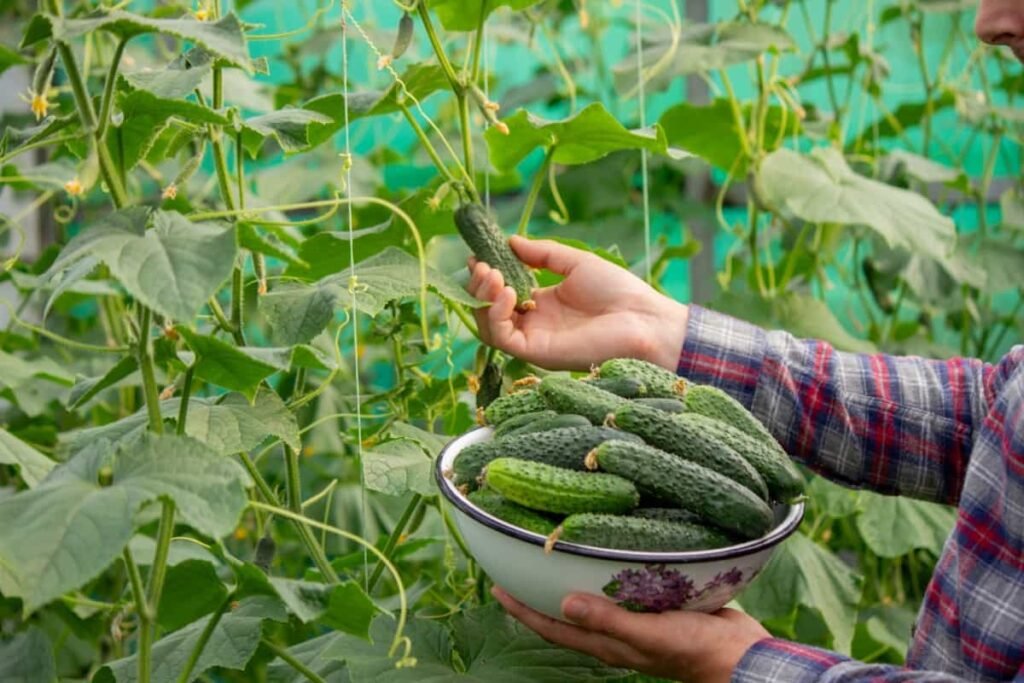
Balcony gardening offers numerous advantages for urban dwellers:
- Fresh Produce: Homegrown cucumbers are crisp, flavorful, and free from pesticides.
- Space Efficiency: Vertical growing and container gardening make efficient use of limited space.
- Health Benefits: Cucumbers are low-calorie, hydrating, and rich in vitamins and antioxidants.
- Sustainability: Growing vegetables at home reduces grocery costs and carbon footprint.
- Therapeutic Activity: Balcony gardening promotes mindfulness and reduces stress for busy families.
By transforming even a small balcony into a productive garden, you can enjoy fresh cucumbers year-round while enhancing your living space.
Choosing the Right Cucumber Variety

Selecting the appropriate cucumber variety is crucial for balcony gardening:
- Bush or Compact Varieties: ‘Bush Champion’ and ‘Patio Snacker’ are ideal for small containers, producing fruits without sprawling vines.
- Vining Varieties: ‘Marketmore’ and ‘Spacemaster’ can grow vertically with trellises, making them perfect for limited balcony space.
- Pickling Varieties: Small, crisp cucumbers suitable for pickling, such as ‘Bush Pickle,’ thrive in containers.
For tiny balconies, compact or vining varieties are generally preferred, as they maximize yield without occupying too much floor space.
Selecting Containers
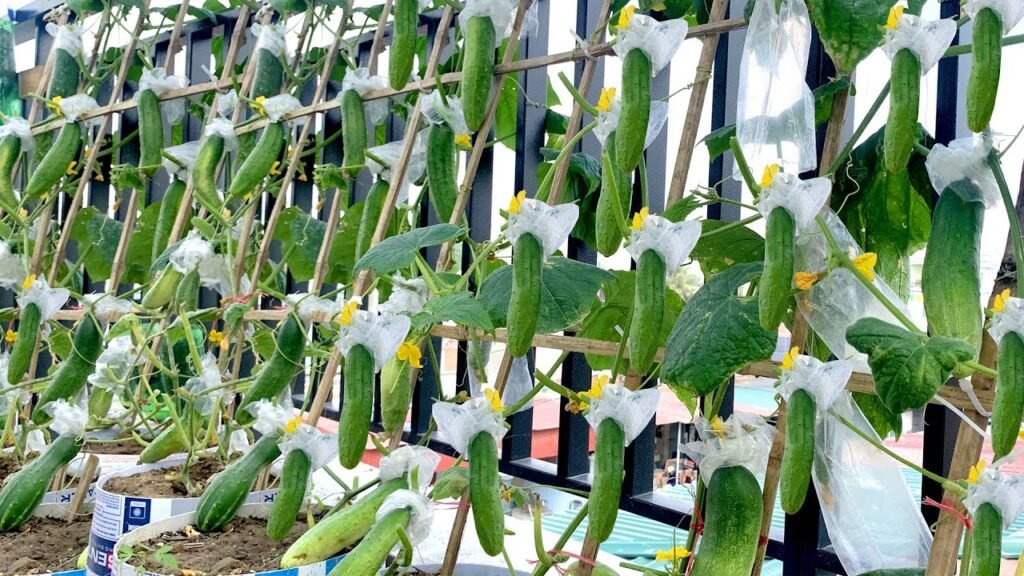
Container choice is one of the most important factors for successful cucumber growth:
- Size: Cucumbers require deep containers—at least 12–16 inches deep and 12–18 inches wide—to accommodate root growth. Larger containers support multiple plants.
- Material: Plastic, ceramic, or wooden containers are suitable. Plastic retains moisture longer, while terra-cotta allows better airflow.
- Drainage: Ensure containers have adequate drainage holes to prevent waterlogging and root rot.
Using lightweight containers can make it easier to move plants to optimize sunlight exposure or protect them from strong winds.
Preparing the Soil
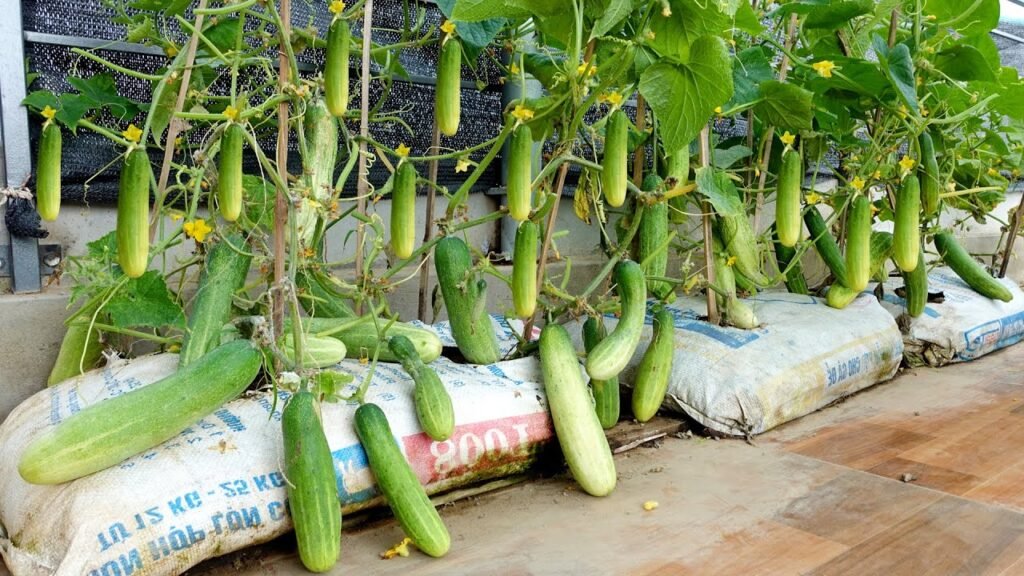
Healthy, well-draining soil is essential for cucumbers:
- Soil Mix: Combine high-quality potting soil with organic compost and perlite to improve drainage and fertility.
- Fertility: Cucumbers are heavy feeders and require nutrient-rich soil for optimal growth. Incorporate plant-based fertilizers before planting.
- pH Level: Cucumbers prefer slightly acidic to neutral soil, with a pH range of 6.0–7.0. Adjust with lime or peat moss as needed.
Proper soil preparation encourages vigorous root development and high fruit yield.
Sowing Cucumber Seeds
Planting cucumber seeds correctly ensures healthy growth:
- Timing: Cucumbers grow best in warm weather. On balconies, sow seeds in spring or early summer, or use containers indoors for early planting.
- Planting Depth: Sow seeds ½–1 inch deep. Cover lightly with soil and water gently.
- Spacing: Thin seedlings to at least 12–18 inches apart to allow proper airflow and prevent overcrowding.
- Succession Planting: To ensure a continuous harvest, sow seeds every 2–3 weeks.
For limited balcony space, consider starting seeds indoors in small pots and transplanting seedlings to larger containers when established.
Providing Support: Trellises and Vertical Gardening
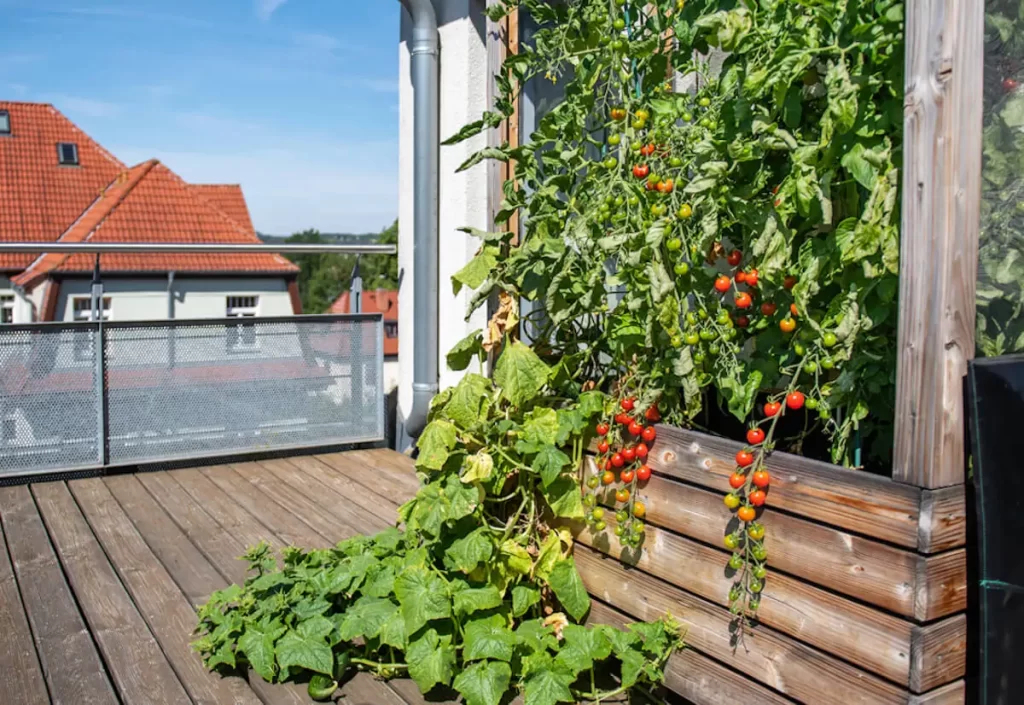
Vertical growing is essential for balcony cucumber cultivation:
- Trellises: Install trellises, stakes, or netting to support vining varieties. Vertical growth prevents sprawling vines, saves space, and reduces fungal disease risk.
- Pruning: Remove damaged leaves or weak stems to focus energy on fruit production.
- Training: Gently guide vines along supports using soft ties or clips, ensuring they have room to grow upward.
Vertical gardening not only maximizes space but also improves airflow and sunlight exposure, promoting healthier plants.
Light Requirements
Cucumbers are sun-loving plants that require sufficient light for optimal growth:
- Natural Sunlight: Place containers in south- or west-facing locations where plants receive at least 6–8 hours of direct sunlight daily.
- Artificial Light: If sunlight is limited, supplement with LED grow lights for indoor or balcony setups. Position lights 6–12 inches above the plants and maintain 12–14 hours of light daily.
- Rotation: Rotate containers weekly to ensure uniform growth and prevent leaning toward sunlight sources.
Adequate lighting ensures vigorous growth, strong stems, and sweet, tender cucumbers.
Watering and Moisture Management
Consistent watering is key for healthy cucumbers:
- Watering Frequency: Keep soil evenly moist but not waterlogged. Water 2–3 times per week, adjusting based on container size and temperature.
- Watering Method: Water at the base to avoid wetting leaves, which can cause fungal diseases.
- Mulching: Apply organic mulch, such as straw or shredded leaves, to conserve moisture and regulate soil temperature.
Self-watering containers or drip irrigation systems simplify care for busy families with limited time.
Fertilization During Growth
Cucumbers are heavy feeders and require regular nutrition to produce abundant fruits:
- Organic Fertilizers: Use plant-based liquid fertilizers or compost tea every 2–3 weeks.
- Nutrient Balance: Provide nitrogen for leaf growth and phosphorus/potassium for flowers and fruits.
- Micronutrients: Ensure adequate calcium and magnesium to prevent blossom-end rot and support healthy fruit development.
Regular feeding ensures larger, sweeter cucumbers and continuous production throughout the season.
Pest and Disease Management
Even in balcony settings, cucumbers can face pests and diseases:
- Common Pests: Aphids, spider mites, and whiteflies may infest plants. Use neem oil, insecticidal soap, or introduce beneficial insects like ladybugs.
- Disease Prevention: Avoid overhead watering, maintain proper spacing, and prune yellow or diseased leaves.
- Hygiene: Clean containers, trellises, and tools regularly to prevent fungal or bacterial infections.
Proactive management ensures healthy plants with minimal intervention.
Harvesting Cucumbers
Harvesting at the right time maximizes flavor and encourages continued production:
- Timing: Most cucumber varieties are ready for harvest 50–70 days after sowing.
- Size: Pick cucumbers when they reach the desired size—generally 6–8 inches for slicing varieties. Smaller cucumbers are ideal for pickling.
- Technique: Use gentle hands or scissors to cut cucumbers from the vine, avoiding damage to stems.
- Frequency: Harvest regularly to stimulate ongoing fruit production.
Freshly harvested cucumbers are crisp, nutritious, and ideal for salads, snacks, and pickles.
Space-Saving Tips for Tiny Balconies
Even the smallest balconies can produce abundant cucumbers with smart planning:
- Stacked Containers: Use vertical planter stands or tiered shelves to grow multiple plants in limited floor space.
- Hanging Baskets: Small vining varieties can cascade down, freeing floor space.
- Mix Planting: Pair cucumbers with herbs or leafy greens to maximize yield and diversity.
Creative use of vertical and compact arrangements ensures a productive balcony garden without clutter.
Conclusion
Growing cucumbers on tiny balconies is both practical and rewarding. With careful variety selection, proper container setup, soil preparation, watering, fertilization, and pest management, even small spaces can produce fresh, crisp cucumbers year-round. Vertical gardening and space-saving strategies allow urban gardeners to maximize yield while maintaining a manageable, attractive garden.
By following this step-by-step guide, busy families and apartment dwellers can enjoy the satisfaction of homegrown cucumbers, while fostering sustainability, nutrition, and a connection to nature. Balcony-grown cucumbers demonstrate that with planning, creativity, and consistent care, even the smallest outdoor spaces can yield abundant, flavorful produce.